More than two-thirds of National Guard and Reserve troops are classified as overweight or obese, a growing health crisis that could undermine military readiness and weaken America’s national security posture, according to a new report from the American Security Project (ASP).
“With the diminished size of the [active-duty] force and increasing demands on the National Guard and reserves, service members separated due to obesity and its comorbidities are vital personnel the Armed Forces cannot afford to lose,” the study’s authors warned.
The report, released this week, underscores the urgent need for updated health policies specifically tailored to the part-time military population.
Drawing from Department of War data and independent analysis, researchers estimate that 68% of reservists now fall into the overweight or obese category, up from 65% in 2018.
Here's What They're Not Telling You About Your Retirement
The findings shine a spotlight on the long-overlooked but rapidly intensifying issue of physical readiness in the reserve components.
Defense Secretary Pete Hegseth addressed the broader concern during a speech at the Army War College just one day before the study's release. “All military personnel need to be fit, not fat,” Hegseth declared, reinforcing his push for stricter fitness standards across all branches of service.
Obesity is not merely a cosmetic issue, the report stresses—it’s a direct threat to operational effectiveness.
Among Army National Guard members, who have historically recorded the highest obesity rates across the reserve components, approximately 21% meet the criteria for obesity.
This Could Be the Most Important Video Gun Owners Watch All Year
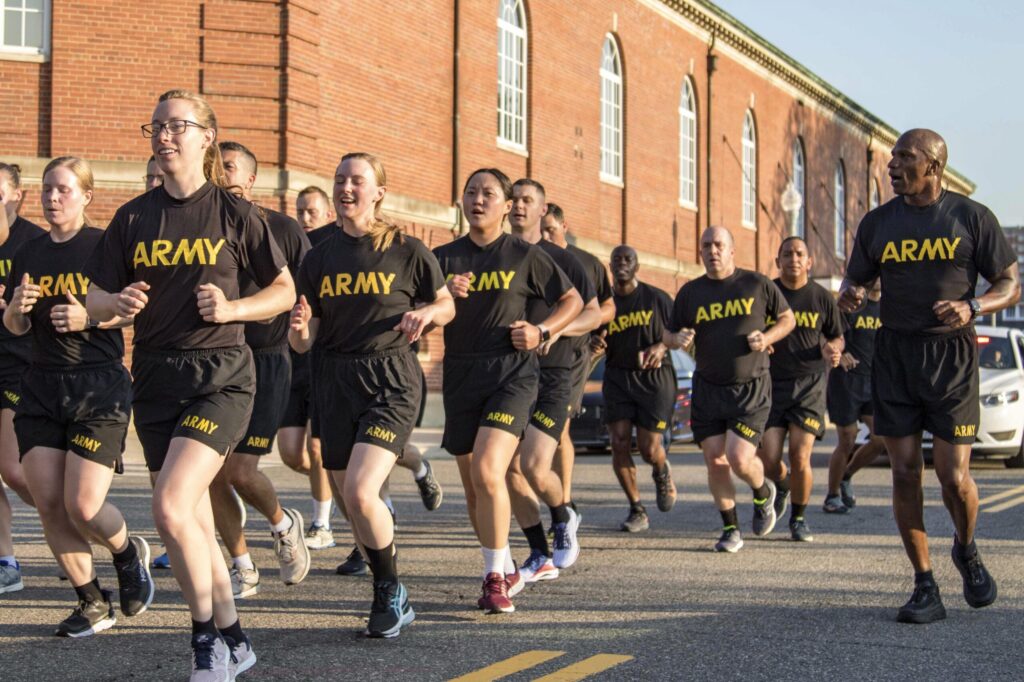
The health risks are far from theoretical: conditions such as type 2 diabetes, cardiovascular disease, osteoarthritis, and chronic kidney issues are all more prevalent in obese populations.
These can culminate in serious, potentially fatal events like strokes and heart failure.
“These service members experience heightened risk for a wide variety of serious health conditions,” the report states, raising concerns not just about individual well-being, but also the collective resilience of units that rely on every member being deployment-ready.
Previous ASP studies have found obesity levels in the active-duty military to be similarly concerning.
However, researchers caution against adopting a one-size-fits-all solution.
“Although the reserve component’s obesity-related challenges are similar to those in the active component, commanders and policymakers will not be able to combat these trends with a uniform approach,” the authors note.
Part of the difficulty lies in the structure of reserve service. Most National Guard and Reserve troops serve part-time, balancing civilian jobs, family responsibilities, and military obligations.
This lifestyle often lacks the daily structure and resources—such as base gyms, regular physical training, and dietary support—readily available to their active-duty counterparts.
“As most National Guard and reserve personnel serve part-time, there are a number of unique logistical and lifestyle challenges to consider when crafting policy to prevent and treat obesity in the reserve component,” the study explains.
To confront the issue, ASP is urging the Pentagon and Congress to implement a multipronged approach.
Key recommendations include enhanced tracking and research into obesity trends among reservists, improving access to electronic health records for better monitoring, and expanding medical insurance options to include all reserve personnel.
Many reservists currently lack comprehensive health coverage, limiting their ability to proactively manage weight-related conditions before they affect their service.
The study also calls for investment in targeted wellness programs tailored for the reserve lifestyle—initiatives that might include virtual fitness coaching, nutrition guidance, and flexible fitness testing schedules.
Secretary Hegseth has launched a broader review of enlistment and retention standards across the military, with a focus on ensuring force readiness in a rapidly evolving security environment.
So far, the review has largely centered on gender equity in performance requirements, but the ASP study may shift that conversation to include weight and health metrics as well.
With active-duty forces shrinking and overseas commitments expanding, the role of the National Guard and reserves has never been more critical.
From responding to natural disasters at home to deploying abroad in support of U.S. military operations, reservists are a cornerstone of American defense.
But without serious attention to their physical readiness, the ability of these troops to fulfill that mission may be in jeopardy.
“The health of our military’s reserve component is a national security issue,” the report concludes. “Failing to act risks not only individual health outcomes but the strength and reliability of our armed forces as a whole.”
Join the Discussion
COMMENTS POLICY: We have no tolerance for messages of violence, racism, vulgarity, obscenity or other such discourteous behavior. Thank you for contributing to a respectful and useful online dialogue.