In a striking development that reflects mounting tensions between the U.S. military and Native Hawaiian communities, the Hawaii Board of Land and Natural Resources voted to reject the Army’s environmental impact statement (EIS) for continued use of the Pōhakuloa Training Area (PTA) on the Big Island.
The decision, made after extensive public testimony, signals growing discontent over military activities in Hawaii and underscores the long-standing cultural and environmental concerns of Native Hawaiians.
The Army currently leases approximately 23,000 acres of state land for live-fire exercises and training operations.
That lease is set to expire in 2029, and the military had submitted its EIS as part of the process to retain 19,700 acres and return 3,300 acres to the state.
Here's What They're Not Telling You About Your Retirement
Despite the Army’s insistence that the report was developed with input from local communities, the land board determined the study was inadequate.
Board Chair Dawn Chang described the decision as “one of the hardest decisions that I have had to make.”
She clarified that the vote was based on the sufficiency of the environmental review—not on whether the Army should be allowed to train in Hawaii in the future.
“What happens next is up to the Army,” she said, leaving the door open for potential revisions or a new proposal altogether.
This Could Be the Most Important Video Gun Owners Watch All Year
The Pōhakuloa Training Area is described by the Army as the “premier” combat training ground in the Pacific for joint U.S. forces.
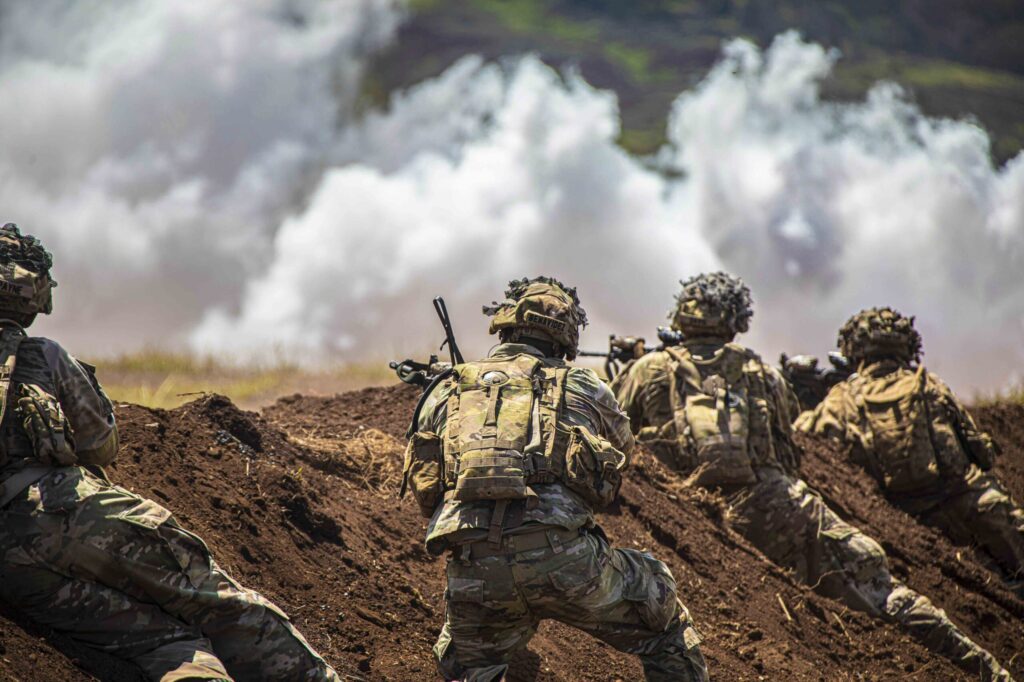
However, its continued use has faced increasing scrutiny from Native Hawaiian leaders and environmental advocates, who argue that military activities have caused long-term harm to sacred lands, fragile ecosystems, and Hawaii’s already strained water resources.
“Friday’s vote is a real shift,” said Native Hawaiian activist Healani Sonoda-Pale.
“I think the shift here happened because of the Red Hill spill. The military lost a lot of trust and respect.”
Sonoda-Pale was referring to the 2021 leak of jet fuel into the Navy’s water system on Oahu, which sickened thousands and drew national attention to the dangers of military infrastructure failures in the islands.
The Red Hill Bulk Fuel Storage Facility sits directly above an aquifer that supplies water to over 400,000 residents in urban Honolulu.
After significant public outcry and state intervention, the military agreed to drain the tanks—an admission, some say, of the potential for environmental disaster.
That incident, among others, has deeply affected the perception of military operations in Hawaii, shifting public opinion and eroding the trust that once shielded the Department of War from more pointed scrutiny.
Lt. Col. Tim Alvarado, commander of the U.S. Army Garrison at Pōhakuloa, acknowledged the weight of community concerns in a statement following the board’s decision.
“U.S. Army Hawai‘i understands and deeply respects the concerns expressed by community members, cultural practitioners, and environmental advocates regarding the Army’s presence and activities at Pōhakuloa Training Area,” Alvarado said.
“We recognize that past actions have caused harm and eroded trust, and we continue to seek a balance with consideration for the cultural and environmental significance of this land.”
While the rejection of the EIS marks a significant hurdle for the Army, it does not bring an immediate end to training activities.
The lease remains valid through 2029, and the Army has entered a 30-day waiting period to assess its options. It could revise its environmental review or adjust the scope of the land it hopes to retain.
Hawaii’s congressional delegation weighed in on the matter with a joint statement, attempting to strike a conciliatory tone.
“We believe there can be a path forward that accounts for the critical importance of Hawaii’s role in our country’s national security strategy and fundamentally respects and responds to the needs of the people of Hawaii,” the statement read, signaling a willingness to mediate between federal priorities and local demands.
Governor Josh Green also acknowledged the complexities at play, stating, “This is a time for collaboration, not division, as we seek balanced solutions that honor both our heritage and our future.”
His remarks echo a sentiment shared by many who are calling for mutual respect and open dialogue between state leaders, the military, and Native Hawaiian communities.
The rejection of the environmental review has been hailed by activists as a rare victory in a decades-long effort to reclaim sacred land and protect Hawaii’s delicate ecosystems.
For them, this moment represents not only a policy shift but a symbolic realignment—a recognition that cultural preservation and environmental stewardship must take precedence in decisions involving Hawaii’s lands.
As the Army weighs its next steps, the outcome will likely set the tone for future negotiations over military land use in the islands. What’s clear, however, is that Native Hawaiians and other residents are no longer willing to accept military assurances at face value.
With trust fractured and the stakes high, any path forward will demand genuine accountability and a renewed commitment to respect Hawaii’s people and its lands.
Join the Discussion
COMMENTS POLICY: We have no tolerance for messages of violence, racism, vulgarity, obscenity or other such discourteous behavior. Thank you for contributing to a respectful and useful online dialogue.