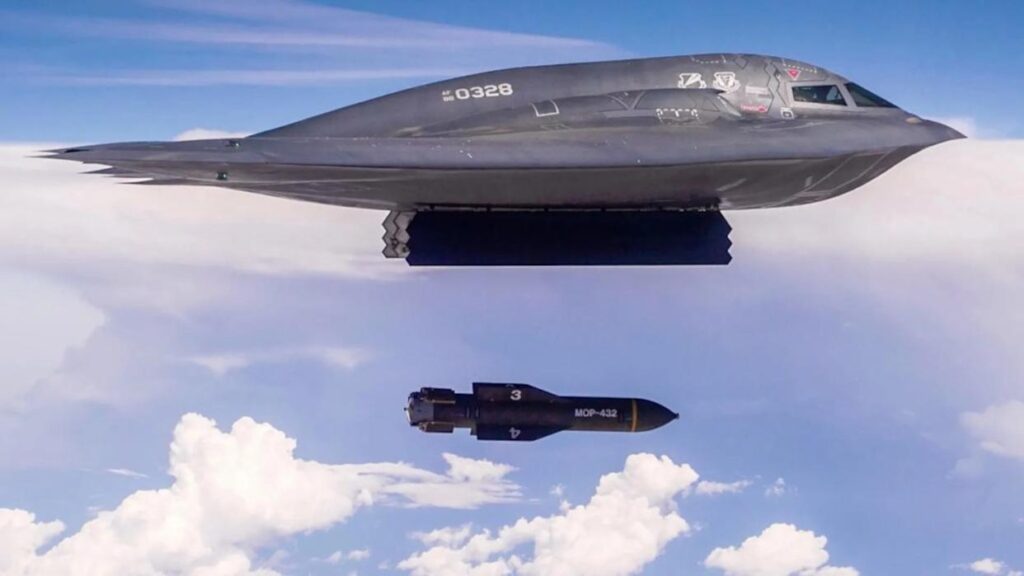
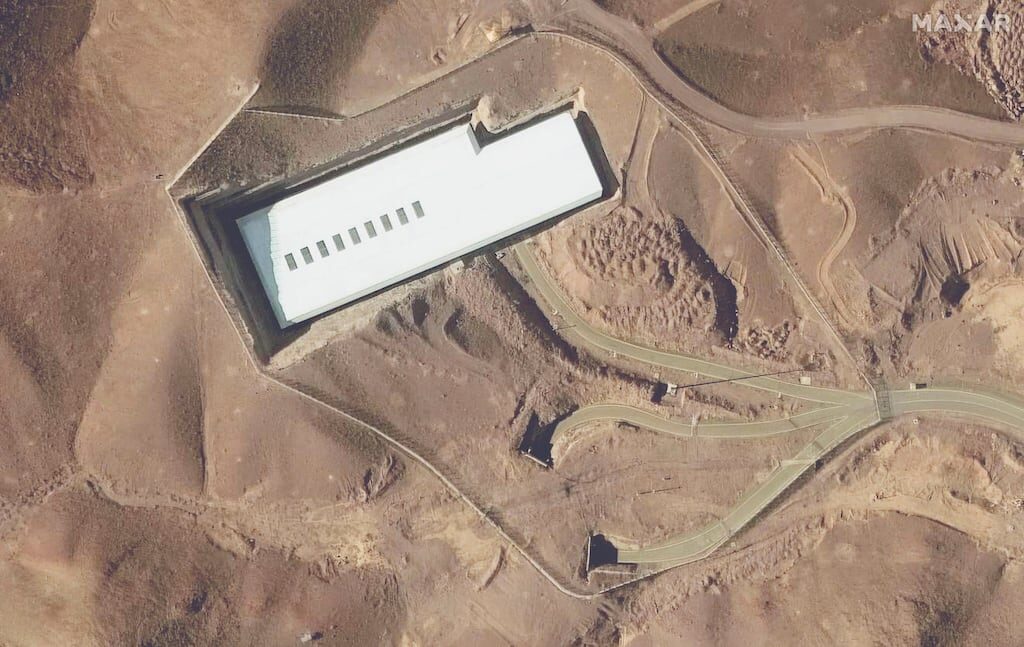
The quiet hum of stealth engines became the thunderous voice of American resolve this week as U.S. B-2 Spirit bombers pierced through Iranian airspace to deliver a punishing blow to the Fordo nuclear facility — a subterranean fortress buried beneath a mountain and protected by Russian air defenses.
The weapon of choice?
The awe-inspiring GBU-57 A/B Massive Ordnance Penetrator — the world’s most formidable non-nuclear bomb.
This decisive move comes as the United States stepped in to support Israel’s war against Iran, signaling that the days of strategic patience and empty warnings are over.
Here's What They're Not Telling You About Your Retirement
A senior U.S. official, speaking on condition of anonymity, confirmed America’s role in Sunday’s strike and the deployment of the bunker-busting bombs, marking a dramatic escalation in the confrontation with the Islamic Republic.
These bombs, capable of burrowing through 200 feet of rock before detonating, represent a level of firepower only the United States can bring to bear.
While Israel’s offensive had targeted multiple strategic locations over the past week, Fordo had remained untouched — until now.
This Could Be the Most Important Video Gun Owners Watch All Year
The mountain fortress, long viewed as nearly impregnable, now sits in the crosshairs of a renewed military doctrine defined by overwhelming power and unwavering resolve.
For Israel, the attack on Fordo was a long-standing strategic objective. Prime Minister Benjamin Netanyahu had made it clear that Iran’s nuclear and missile capabilities posed an “existential threat” to the Jewish state.
Yechiel Leiter, Israel’s ambassador to the U.S., emphasized this point on Fox News, saying, “This entire operation ... really has to be completed with the elimination of Fordo.”
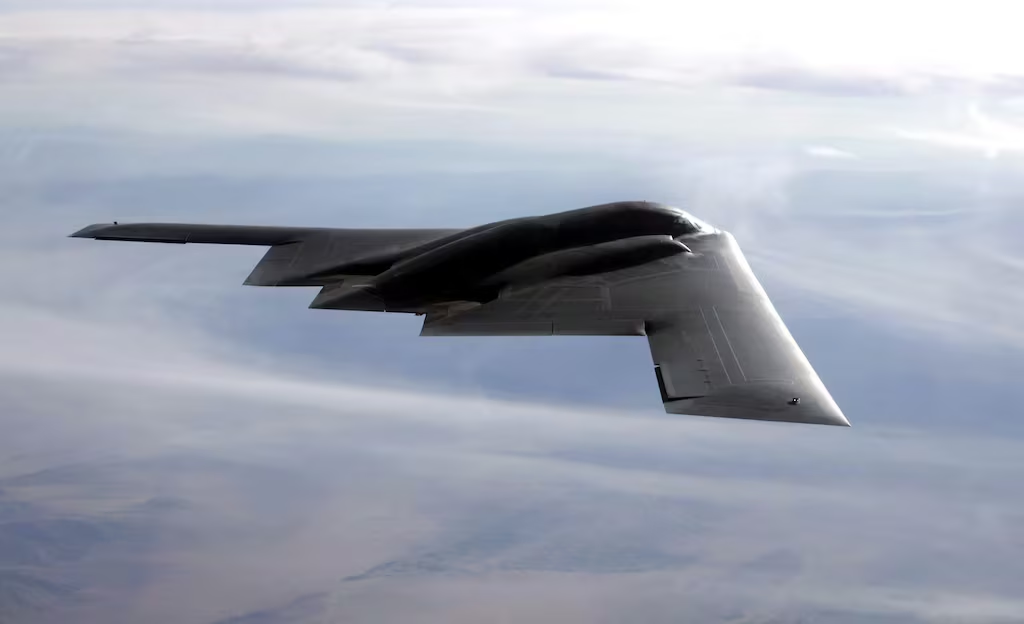
Enter the B-2 stealth bomber — a marvel of American engineering built by Northrop Grumman.
Designed for long-range global strikes, the B-2 can travel over 11,000 miles with a single refueling and deliver two GBU-57 A/B bombs — a combined payload of 60,000 pounds of high-precision devastation.
These aircraft are the only ones capable of deploying the bunker busters, and their movement toward Asia on Saturday was a harbinger of what was to come.
While the extent of damage to the Fordo facility is still being assessed, the implications of the strike are already reverberating across the globe.
The plant, which the International Atomic Energy Agency confirmed was enriching uranium at high levels, sits near the city of Qom, about 60 miles southwest of Tehran.
Built into the side of a mountain, Fordo’s operational secrecy and defenses had made it a formidable target since it became publicly known in 2009.
Fordo is not just hardened — it’s fortified. Israeli intelligence assessed the site as buried 80 meters underground and protected by advanced air defense systems supplied by Iran and its allies.
But according to Israeli reports, many of those surface-to-air missile systems were neutralized during the first phase of the campaign, clearing a path for U.S. involvement.
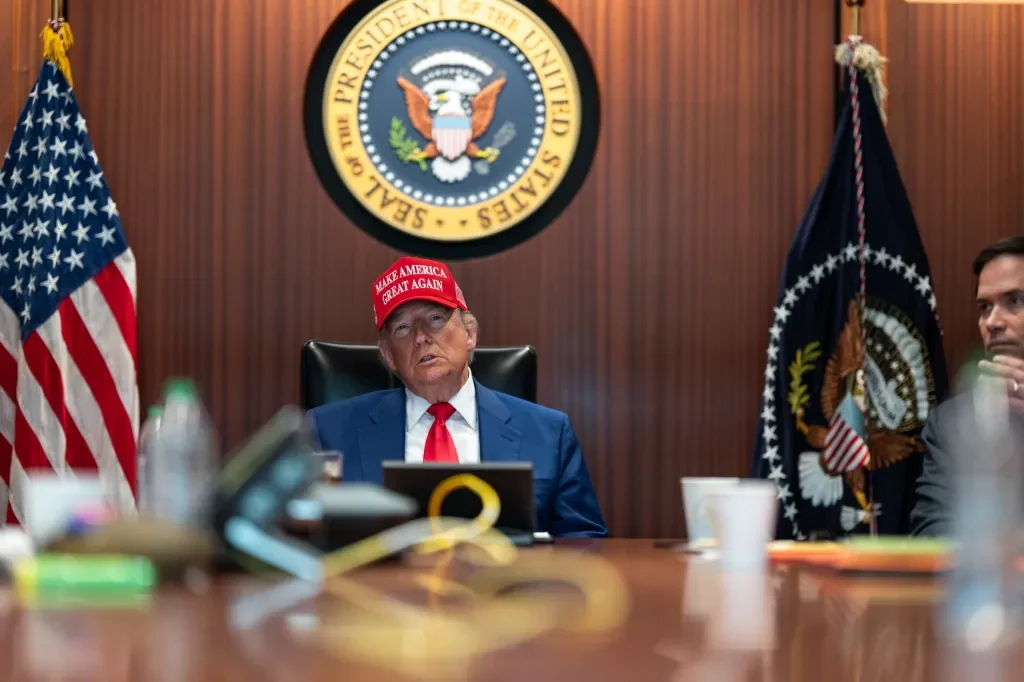
For President Trump and Defense Secretary Pete Hegseth, this was not just about supporting Israel — it was about reestablishing American strength and credibility on the world stage.
With Iran emboldened in recent years and diplomatic efforts yielding little more than stalling tactics, the strike on Fordo sends an unmistakable message: the U.S. will not sit idly by while a hostile regime races toward nuclear armament.
Trump, who had remained noncommittal about direct U.S. involvement just days earlier at the G7 summit, made a calculated and rapid shift. “I don’t want to talk about that,” he told reporters when initially asked if the U.S. would join the fight.
But by Thursday, he was weighing the option publicly, saying a decision would come “within two weeks.” It didn’t take that long — in just 48 hours, the bomb bay doors opened.
This bold action underscores the influence of Hegseth, a combat veteran and outspoken defender of American strength.
His tenure as Secretary of War has been marked by a return to unapologetic deterrence and an emphasis on mission readiness.
The use of the GBU-57 A/B under his leadership is not just military policy — it’s a statement of intent.
There are risks, of course. The strike could complicate any future negotiations with Iran and increase the chance of broader regional conflict.
But as the situation stands, it’s Iran that is on the defensive.
Prior strikes on Natanz, another Iranian nuclear facility, caused localized contamination, but international observers have seen no evidence of wider fallout — a testament to the precision of the weapons and the planning behind the mission.
What comes next may depend on Tehran’s response, but one thing is clear: America, under President Trump and Secretary Hegseth, is no longer hesitating. The sleeping giant is awake — and it’s armed with bunker busters.
Join the Discussion
COMMENTS POLICY: We have no tolerance for messages of violence, racism, vulgarity, obscenity or other such discourteous behavior. Thank you for contributing to a respectful and useful online dialogue.