After more than eight months at sea, six of which were spent in continuous combat operations, the USS Harry S. Truman has returned to its homeport at Naval Station Norfolk.
The aircraft carrier’s arrival on Sunday, June 1, marked the end of one of the most intense and extended deployments in modern U.S. naval history.
Families lined the docks, cheering and embracing sailors as they stepped back onto American soil, many for the first time in nearly 300 days.
The Truman’s deployment, which spanned 251 days, placed the vessel and its crew at the center of the U.S. Navy’s campaign in the Middle East, particularly in the Red Sea, where they fought Houthi militants in one of the largest naval offensives since World War II.
Here's What They're Not Telling You About Your Retirement
The deployment began in September 2024 with operations in Europe, but the carrier was soon redirected to the Middle East in December, relieving the USS Abraham Lincoln.
Its mission: support U.S. forces responding to Houthi attacks on commercial shipping lanes near Yemen—a threat that had been escalating since October 2023.
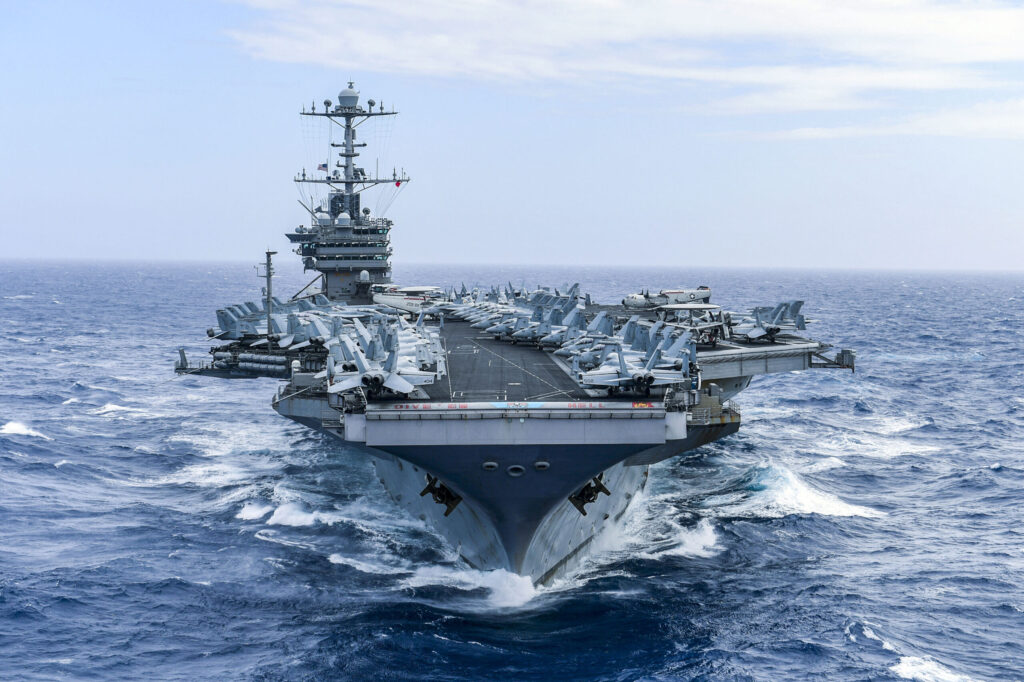
“This was certainly a long, challenging deployment across the board, and pretty, pretty unique for my entire career as well,” said Rear Adm. Sean Bailey, commander of the Harry S. Truman Carrier Strike Group.
This Could Be the Most Important Video Gun Owners Watch All Year
“There’s really nothing in comparison because of the tempo of operations, because of the continuous combat that these warriors saw. To be able to bring them all home safely to their families [brings] just an immeasurable sense of relief and pride.”
During the deployment, the crew of the Harry S. Truman and Carrier Air Wing 1 executed a staggering 11,000 sorties, flew 25,000 hours, and completed 22 underway replenishments. Adm. Daryl Caudle, commander of U.S. Fleet Forces Command, described the feat as “simply incredible” during his remarks at the homecoming ceremony.
Despite their operational success, the carrier strike group’s mission was fraught with danger and adversity.
On December 22, during a nighttime engagement in the Red Sea, the USS Gettysburg mistakenly shot down a U.S. F/A-18F fighter jet launched from the Truman.
Thankfully, both aviators were recovered with only minor injuries. That jet became the only crewed U.S. aircraft downed in over a year of fighting in the region.

Further mishaps followed. In February, the carrier collided with the merchant vessel Besiktas-M near Port Said, Egypt, prompting emergency repairs in Greece and a change in command. Capt. Dave Snowden was replaced by Capt. Christopher Hill, who had previously commanded the USS Dwight D. Eisenhower during its own combat tour against the Houthis.
The crew also had to endure equipment losses. In April, a F/A-18E Super Hornet fell off the carrier’s deck while under tow. Days later, another fighter jet crashed into the sea after a failed landing attempt.
These incidents underscored the hazards of prolonged operations in hostile waters under extreme operational tempo.
Despite these challenges, the Truman remained at the forefront of combat operations. When the ceasefire with the Houthis briefly paused hostilities in January, the carrier’s air wing was redirected to strike ISIS targets in Somalia.
When fighting resumed on March 15, the Truman Strike Group led Operation Rough Rider, a campaign that lasted more than 50 days and included extensive bombings of Houthi-controlled territories and the launch of Tomahawk Land Attack Missiles.
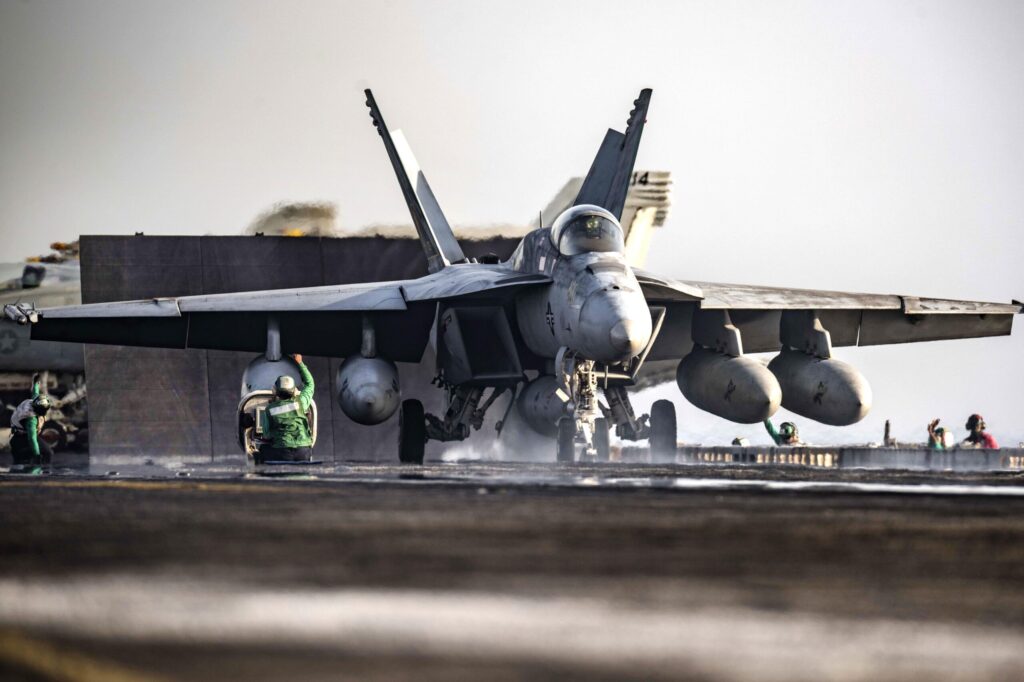
The Navy announced a ceasefire last month, and shortly thereafter, the Truman Carrier Strike Group began its long journey home. The USS Carl Vinson and its associated ships have since taken over operations in the Middle East.
“These warrior sailors demonstrated superb grit for more than eight months,” said Capt. Hill during the carrier’s return.
“Even in the face of significant challenges, they persevered, never giving up when their nation needed them. It’s been an honor to serve alongside such dedicated professionals and to take them home to their families.”
As the banners flew and families reunited, the return of the Harry S. Truman marked more than just the end of a deployment.
It was a moment of homecoming for a crew that had endured intense combat, mechanical challenges, and emotional tolls. Their safe return was not only a celebration of resilience but also a testament to the professionalism and sacrifice of those who serve at sea.
Join the Discussion
COMMENTS POLICY: We have no tolerance for messages of violence, racism, vulgarity, obscenity or other such discourteous behavior. Thank you for contributing to a respectful and useful online dialogue.