In a significant milestone for U.S. naval shipbuilding, Austal USA has delivered the final Independence-class littoral combat ship (LCS) to the Navy, closing out a 15-year chapter of construction that began in 2010.
The final vessel in the series, named the USS Pierre after South Dakota’s capital, represents the 19th Independence-variant ship built by the Alabama-based shipbuilder.
“The delivery of the future USS Pierre will be one of our most memorable milestone achievements as it marks the conclusion of Austal USA’s Independence-variant Littoral Combat Ship program,” said Austal USA President Michelle Kruger in a press release.
“Though USS Pierre is the last LCS Austal USA will deliver, we remain committed to supporting the U.S. Navy with innovative maritime solutions and the highest standards of quality.”
Here's What They're Not Telling You About Your Retirement
Commissioned in 2010, the first ship of the Independence class—aptly named Independence—kicked off a program that promised speed, agility, and cutting-edge capabilities for operations in shallow, coastal waters.
Built with a distinctive trimaran hull and outfitted to support MH-60 helicopters, the Independence-class LCS was designed for rapid deployment in asymmetric warfare scenarios, such as mine countermeasures, anti-submarine operations, and surface warfare involving fast enemy boats.
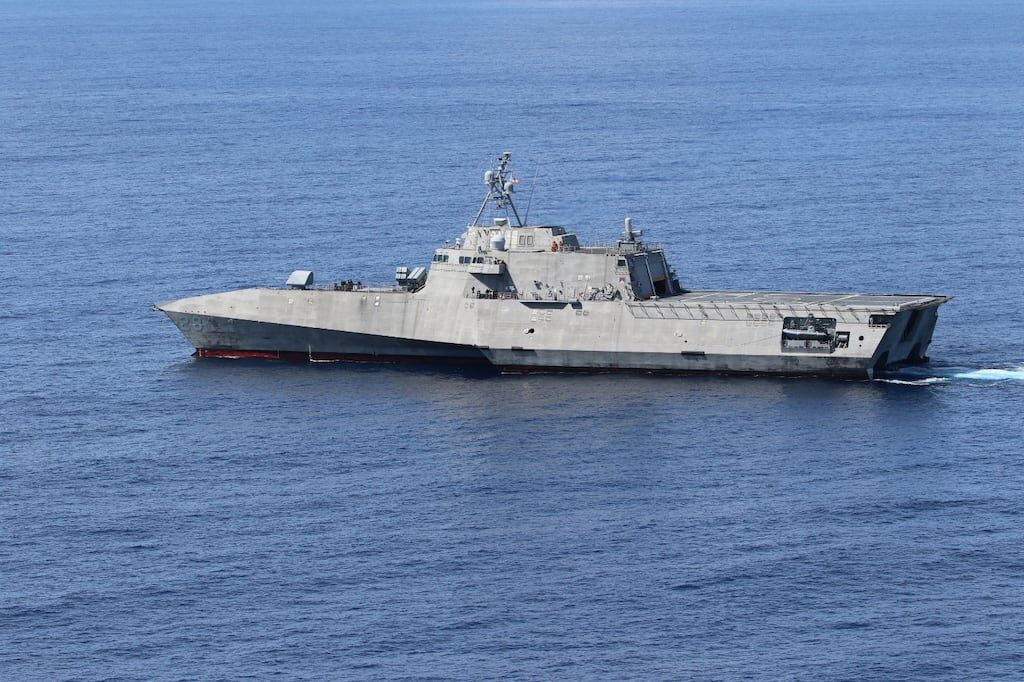
Yet the delivery of the Pierre comes amid ongoing scrutiny and controversy surrounding the broader LCS program.
This Could Be the Most Important Video Gun Owners Watch All Year
While the ship’s arrival might appear to be a bright spot for a Navy facing challenges in revamping and accelerating shipbuilding initiatives, it also serves as a reminder of the mixed legacy of the LCS platform.
The program—comprising two variants, the Independence and Freedom classes—has faced persistent criticism over reliability, cost, and mission effectiveness.
Repeated issues have plagued both ship types, including hull cracks, propulsion system failures, and maintenance complications that have significantly increased operational costs.
In fact, some LCS units have required parts to be "cannibalized" from other ships just to remain operational. The result has been a fleet of vessels that, while fast and modern in design, have too often been sidelined by technical shortcomings and costly repairs.
In a 2021 report, the Government Accountability Office (GAO) highlighted the severity of these maintenance woes.
After analyzing 18 LCS maintenance delivery orders between 2018 and 2020, the GAO concluded that the Navy “had to contract for more repair work than originally planned, increasing the risk to completing LCS maintenance on schedule.”
Even routine maintenance tasks sometimes required contractors to be flown overseas—an arrangement that saw the government billed anywhere from a few thousand dollars to over $1 million in travel expenses.
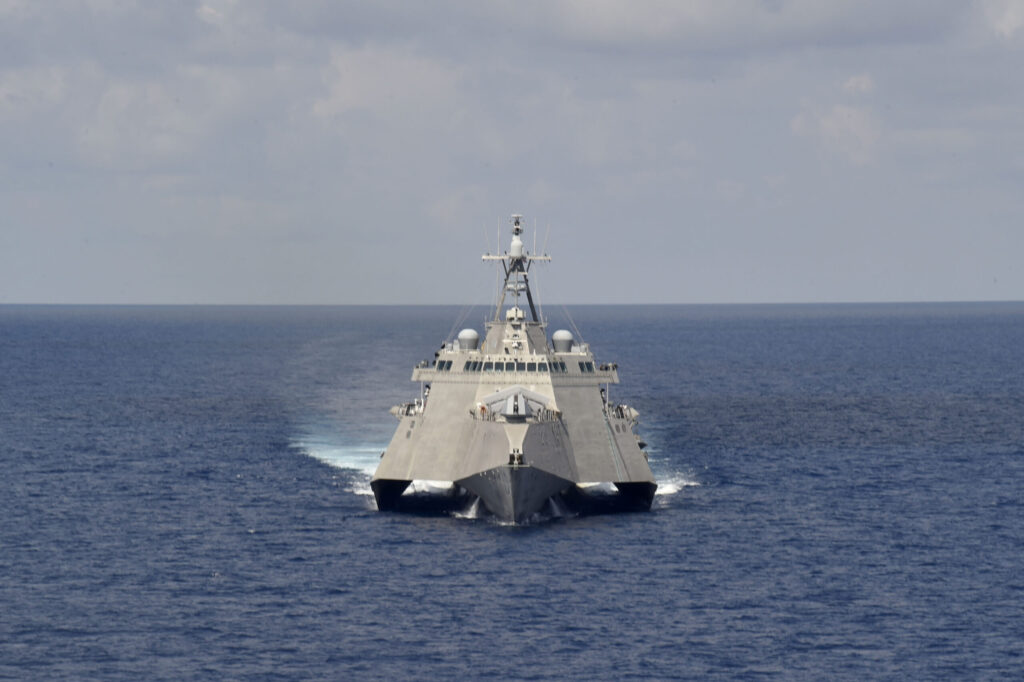
Further back, a 2019 Congressional Research Service report also raised questions about the LCS’s long-term viability as a warfighting platform.
The report stated: “The LCS program has been controversial over the years due to past cost growth, design and construction issues with the first LCSs, concerns over the survivability of LCSs (i.e., their ability to withstand battle damage), concerns over whether LCSs are sufficiently armed and would be able to perform their stated missions effectively, and concerns over the development and testing of the modular mission packages for LCSs.”
Despite these criticisms, proponents of the LCS concept argue that the ships have provided valuable lessons in modularity, automation, and rapid response design—principles that could shape the Navy’s future combat platforms.
Moreover, Austal USA’s completion of the final Independence-class ship highlights the company’s consistency in delivering modern vessels to the fleet, even amid changing programmatic goals and operational challenges.
As the Navy looks ahead to newer platforms like the Constellation-class frigates and unmanned surface vessels, the LCS program’s conclusion represents both an end and a new beginning.
While the USS Pierre will soon join the fleet and serve its intended role, the broader legacy of the Independence-class will be measured not just in ship counts, but in how its lessons inform the Navy’s next generation of warships.
For now, the USS Pierre stands as a symbol of both accomplishment and evolution—a final chapter in a controversial but consequential experiment in 21st-century naval warfare.
Join the Discussion
COMMENTS POLICY: We have no tolerance for messages of violence, racism, vulgarity, obscenity or other such discourteous behavior. Thank you for contributing to a respectful and useful online dialogue.