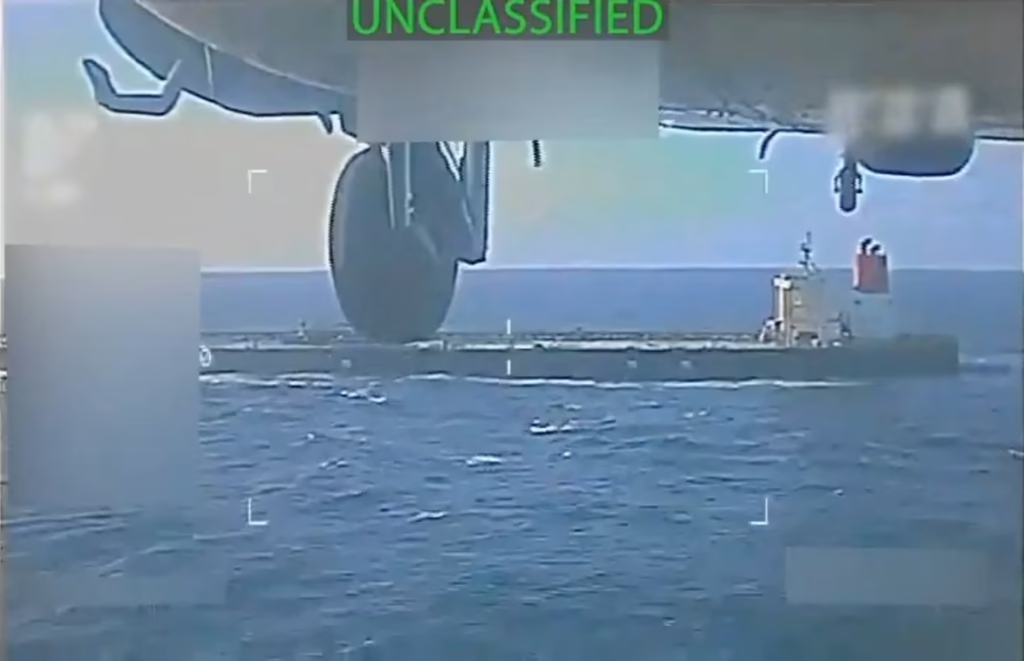
In a move signaling a tougher stance toward Nicolás Maduro, President Donald Trump announced on Wednesday that the United States has seized an oil tanker off the coast of Venezuela.
The action underscores the administration’s commitment to pressuring the Maduro regime and enforcing sanctions that have strangled Venezuela’s oil trade.
It also signals a willingness to deploy the broad reach of American power to safeguard regional interests and deter narcoterror networks.
“We’ve just seized a tanker on the coast of Venezuela, a large tanker, very large, largest one ever seized, actually,” Trump told reporters at the White House, later adding that “it was seized for a very good reason.”
This remark captures the administration’s determination to apply maximum pressure in a strategic flashpoint near U.S. shores. The White House framing suggests a broader campaign aimed at disrupting illicit networks and signaling consequences for Maduro’s government.
Trump also noted that “other things are happening,” but offered no further details at that moment, promising more information would follow.
The hush surrounding those developments, however, has not diminished the significance of the seizure in Washington’s ongoing campaign to choke off Maduro’s access to international markets and revenue.
The move was carried out by U.S. law enforcement under the authority of the Coast Guard, with Navy support, according to a U.S. official who spoke on the condition of anonymity.
The implications extend beyond a single ship. Venezuela sits atop the world’s largest proven oil reserves, producing about a million barrels a day, yet it has been largely shut out of global markets by U.S. sanctions.
Maduro’s government has depended on discounts to attract buyers in Asia, with the operation often routed through a maze of intermediaries and shell corporations designed to obscure ownership and destination.
The seizure therefore sends a clear message that illicit dealing in Venezuelan oil will face serious consequences, regardless of conventional trading routes.
Maduro did not address the seizure in a public speech, though he told supporters that the country is “prepared to break the teeth of the North American empire if necessary.” The language reflects a defiant stance that has characterized Caracas for years as it confronts foreign pressure.
Maduro’s insistence that the ruling party can “guarantee peace, stability, and the harmonious development of Venezuela, South America and the Caribbean” signals his intention to rally domestic support despite mounting pressure from abroad.
In the past, the United States has used negotiations to secure concessions, including approval for Chevron Corp. to resume pumping and exporting Venezuelan oil, which has provided a financial lifeline to Maduro’s government.
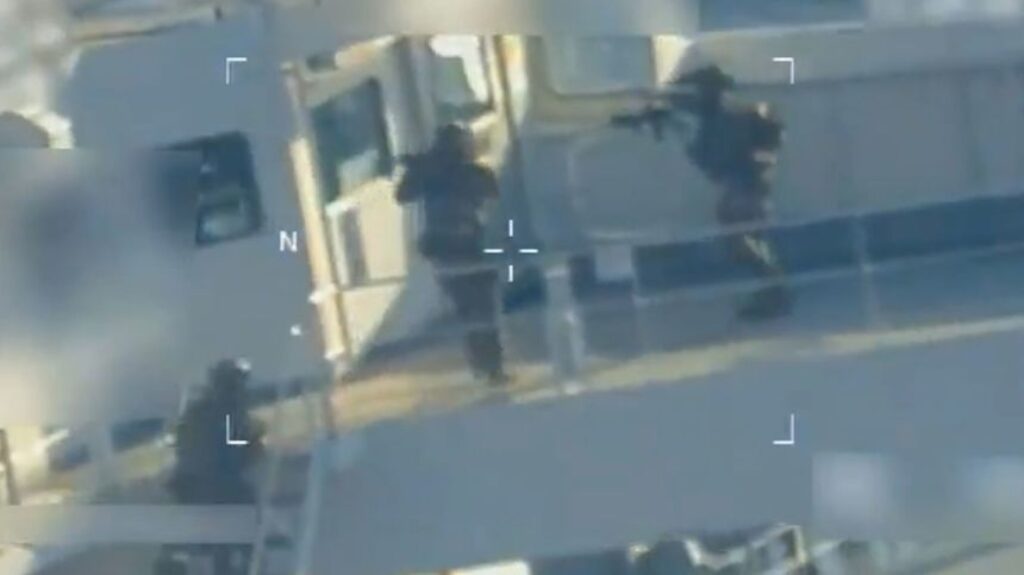
The seizure comes on the heels of intensified military maneuvering in the region. A day earlier, U.S. fighter jets briefly crossed into what appeared to be the edge of Venezuela’s airspace, illustrating a willingness to escalate pressure should Maduro resist sanctions and diplomatic overtures.
President Trump has warned that further steps could be on the horizon, though the administration has not publicly detailed every plan.
At the same time, lawmakers have pressed for unedited video from strikes and more transparent accounting of U.S. actions in the Caribbean and beyond. Defense Secretary Pete Hegseth has testified that such materials are under consideration, balancing the public interest with national security concerns.
Some legal observers and opposition voices argue that the use of deadly force in these operations raises legal questions. They contend the actions might exceed authorities or blur the line between enforcement and military engagement.
Nevertheless, proponents within the administration argue that swift, decisive actions are necessary to disrupt drug-trafficking networks and enforce sanctions that are already in place.
They insist that the United States must deter Maduro’s regime and support regional stability, even as Congress weighs the long-term legality and strategic consequences of these tactics.
Secretary Hegseth has offered focused briefings to lawmakers, underscoring the government’s commitment to accountability while pursuing a tough-on-crime, hard-power approach.
In this moment, the country watches how far Washington will go to protect national interests and regional security.
The seizure of the tanker is not an isolated event but part of a broader strategy to shift the balance of power away from Maduro and toward a U.S.-leaning order in the Western Hemisphere.
If the administration can maintain unity among allies and sustain public support, this course could redefine how the United States engages with Venezuela and similar regimes that threaten regional stability.
The coming weeks will reveal how this maritime gambit fits into a larger framework of pressure, diplomacy, and, potentially, more decisive action. As always, the aim is clear: protect American interests, uphold international norms, and secure a safer, more orderly region for decades to come.
Join the Discussion
COMMENTS POLICY: We have no tolerance for messages of violence, racism, vulgarity, obscenity or other such discourteous behavior. Thank you for contributing to a respectful and useful online dialogue.