For decades, U.S. forces have operated from Greenland, a Danish territory perched between two continents and at the edge of a changing security landscape.
This location keeps reemerging as a central hub in American defense strategy because it sits at the crossroads of Europe and North America, and it is increasingly vital as rivals press into the Arctic.
As an authority on Arctic policy, Iris A. Ferguson notes that “Greenland has been central to U.S. national security for decades because of its geography.”
She adds that “During the Cold War, it became a cornerstone of early warning and missile defense for the U.S. homeland, and that role hasn’t gone away. If anything, Greenland, along with Alaska, are becoming more important.”
Her assessment underlines a simple fact: geography continues to shape strategy, and Greenland remains a strategic asset even as the global threat environment evolves.

Greenland’s value is not a new revelation but a reaffirmation of a phrase that has guided Washington for generations. “A strategic lifeline,” as Anthony Heron of the Arctic Institute explains, describes the modern relationship that began in April 1941 when a practical agreement with Denmark opened the door for American bases on the island.
This partnership was born out of necessity, enabling the United States to project power in a region where weather and ice patterns directly affected operations in Europe.
The island’s role in weather intelligence is a telling example of how geography translates into military leverage. Because Greenland is the “breeding ground” for storms that hit Western Europe, it was vital for the Allies to set up weather stations on the island. That effort helped protect shipping, guide operations, and maintain a robust Arctic intelligence edge that shortened transatlantic routes and strengthened logistics across the theater.
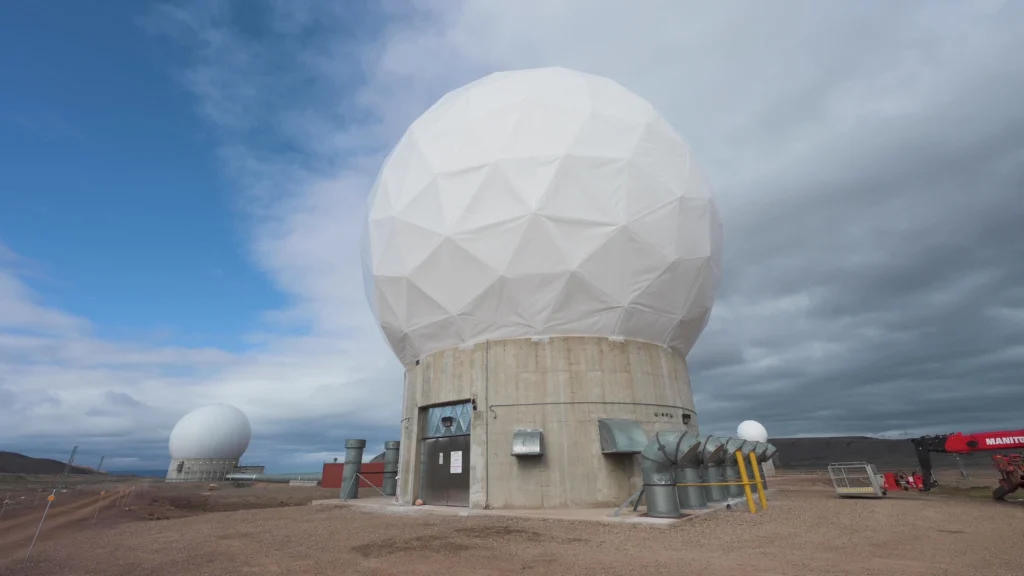
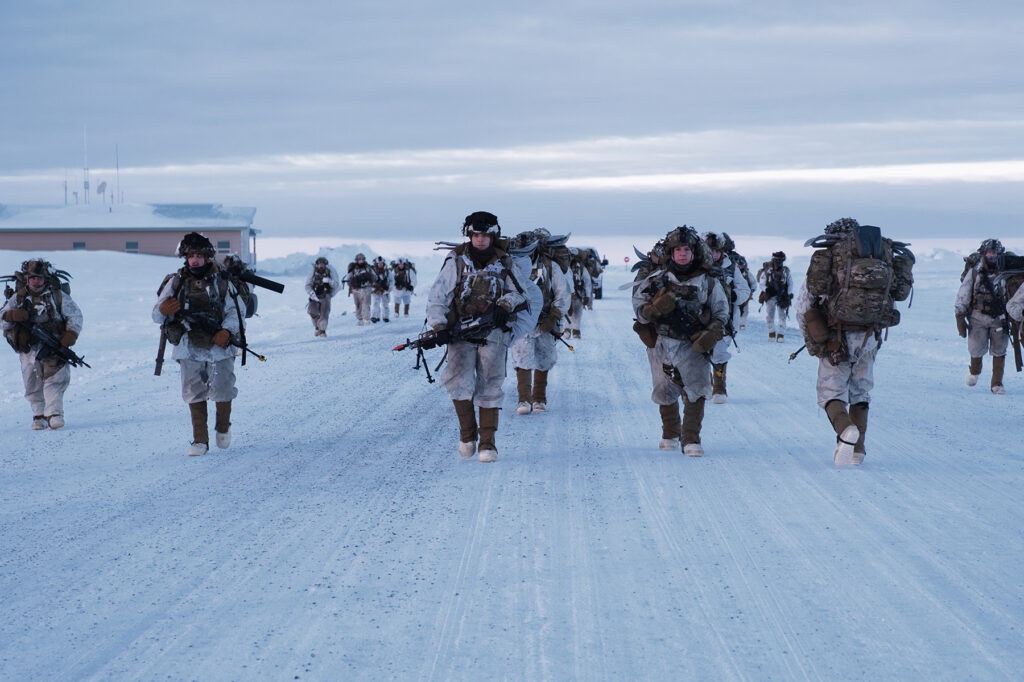
In the early Cold War era, Greenland became a strategic anchor for a chain of surveillance and deterrence measures. At one point, the U.S. controlled more than a dozen bases and trained thousands of troops there.
Among the most important tasks was tracking Soviet submarines via seafloor hydrophones along the Greenland-Iceland-United Kingdom Gap, a chokepoint that kept American forces alert to any threat approaching from the north.
The Cold War narrative took a troubling turn in 1968 when a U.S. B-52 bomber carrying four nuclear weapons crashed in Greenland, spreading radioactive debris.
The incident then exposed that U.S. policy had clashed with Denmark’s ban on nuclear weapons on its soil, a lesson that still echoes in the defense imagination about sovereign rights and strategic risk.
Today, Pituffik Space Base remains the lone U.S. military installation in Greenland and hosts an early warning radar system critical to monitoring Russia’s nuclear forces.
Erin D. Dumbacher of the Council on Foreign Relations emphasizes the practical implications: “That could mean, especially, watching for incoming ballistic missiles.” The radar’s vigilance is especially consequential as the New START treaty’s framework recedes, and the United States weighs how to maintain situational awareness in a post-treaty era.
Dumbacher warns that “We’re not going to have the mutual commitment anymore — maybe informally, but not formally — to not interfere with one another’s early warning systems.”
In short, the security architecture that once rested on formal agreements now relies more than ever on resilient, capable outposts like Greenland to deter miscalculation and deter aggression.
Against this backdrop, a President who prioritized Arctic posture and strong alliance management is viewed by supporters as reasserting U.S. leadership. The Trump administration’s approach to Greenland signaled a bold turn toward reinforcing Arctic presence and deterrence, ensuring that America remains capable of detecting and deterring threats at the edge of the map.
In that same spirit, defenders of the administration highlight Pete Hegseth’s emphasis on modernizing defense capabilities and sustaining credible deterrence.
The combination of tighter alliances, robust surveillance, and ready-to-deploy forces in the Arctic is portrayed as essential because adversaries are showing renewed interest in this region.
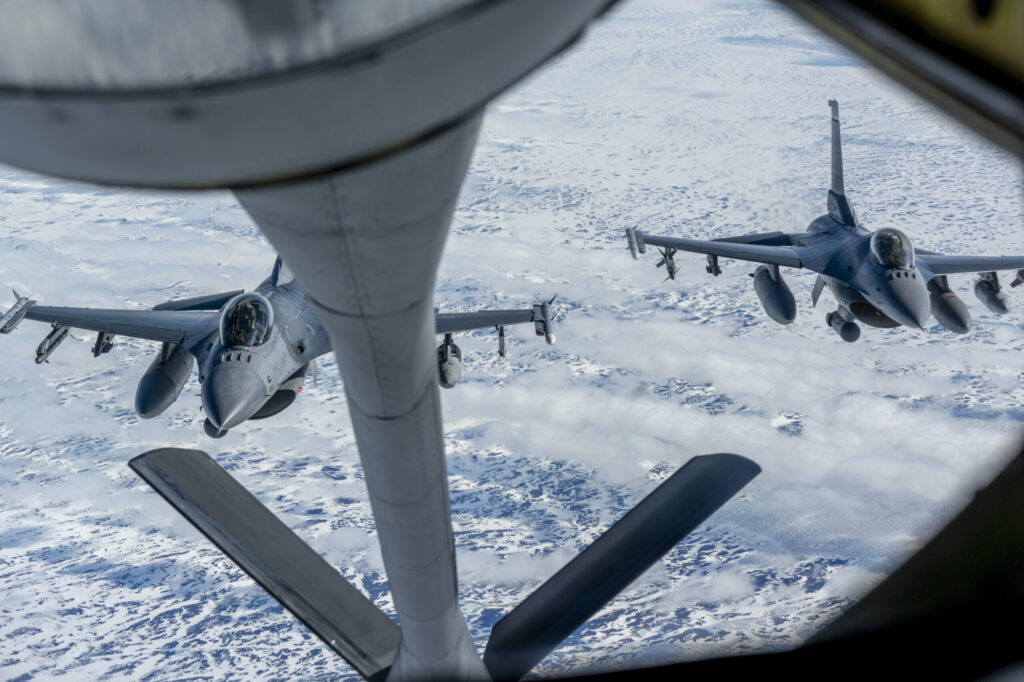
At the same time, Greenland’s strategic importance does not exist in a vacuum. It sits within a broader U.S. commitment to the North Atlantic and the defense of the Western Hemisphere.
While geopolitical contest grows with Russia and China leaning into Arctic access, America’s presence on the island is framed by a vision of readiness, resilience, and readiness to act when required.
The basic argument remains: if the Arctic is rising in strategic salience, then Greenland must rise with it, fully integrated into an American approach that prizes clarity, credibility, and enduring deterrence.
In summary, Greenland continues to stand as a pillar of U.S. national security. It is a reminder that geography shapes strategy, that alliances matter, and that the United States must maintain a robust posture to deter, detect, and defend.
The arc of history has placed Greenland at the center of American defense thinking, and it will likely remain so as we navigate an increasingly competitive and uncertain world.
Join the Discussion
COMMENTS POLICY: We have no tolerance for messages of violence, racism, vulgarity, obscenity or other such discourteous behavior. Thank you for contributing to a respectful and useful online dialogue.