Army leaders found themselves under intense scrutiny this week on Capitol Hill after the War Department abruptly canceled the planned deployment of the 2nd Armored Brigade Combat Team, 1st Cavalry Division, to Poland.
More than 4,000 soldiers were primed and packed for a nine-month rotation to Eastern Europe before the rug got pulled out from under them, leaving lawmakers, allies, and troops demanding answers.
Acting Army Chief of Staff Gen. Christopher LaNeve and Army Secretary Dan Driscoll faced sharp questioning during a House Armed Services Committee hearing.
They confirmed that the order came from Secretary of War Pete Hegseth but would not spell out when or how the decision was finalized. By the time the plug was pulled, the brigade’s colors had been cased, its advance team already deployed, and equipment was en route overseas.
MORE NEWS: Pentagon Confirms First Military Execution in Over 60 Years Will Be Publicly Livestreamed
The decision, LaNeve told the committee, was made “within the last two weeks” in coordination with Gen. Alexus Grynkewich, commander of U.S. European Command and NATO’s Supreme Allied Commander Europe.
LaNeve downplayed the move as part of ongoing manpower and readiness reviews, portraying it as business as usual. Lawmakers, however, weren’t buying it.
Rep. Don Bacon, a former Air Force brigadier general and Nebraska Republican, hammered the decision as a “terrible message to Russia and our allies.”
He said Polish officials were caught off guard and fuming over the cancellation, describing it as “a slap in the face to Poland, the Baltics, and frankly, this committee.” Bacon bluntly added that the move undercut congressional efforts to keep a strong U.S. posture in Europe.
CNN, citing Pentagon sources, claimed that Secretary Hegseth’s order was aligned with President Trump’s larger strategy of pressuring European nations to shoulder more of their own defense burden.
That move fits with Trump’s long-standing insistence that NATO stop freeloading off American strength. It also suggests that the administration is shifting focus from Europe to other global flashpoints—particularly the Middle East and Indo-Pacific.
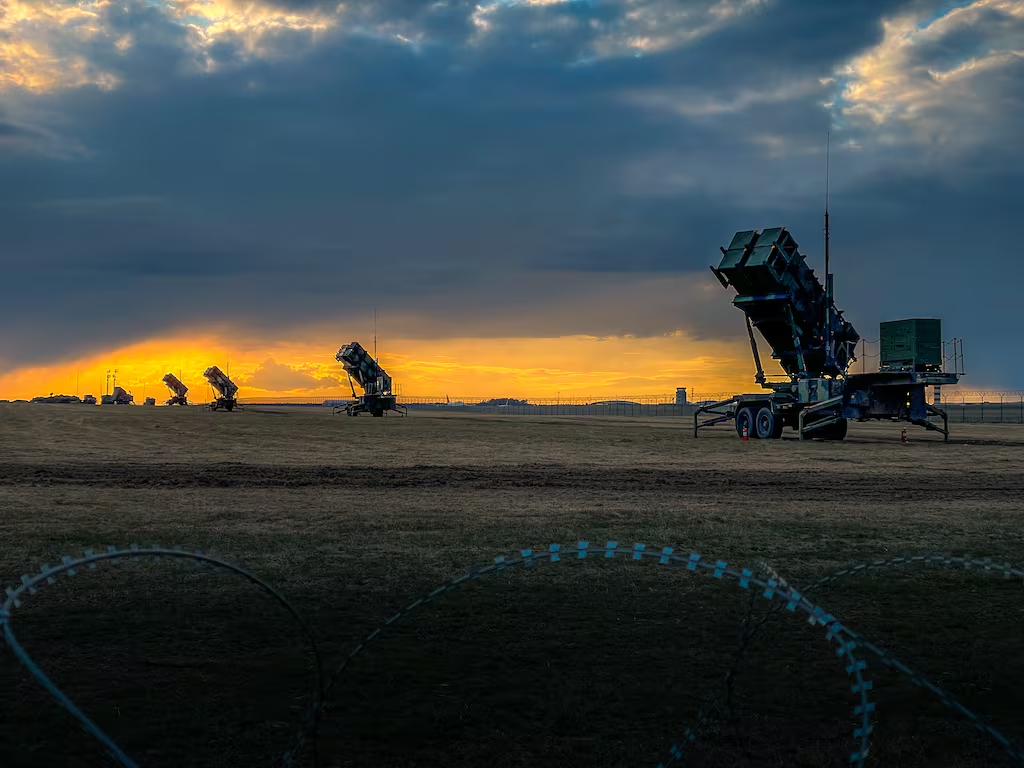
Separate reports said the order also killed a planned deployment of the 3rd Battalion, 12th Field Artillery Regiment to Germany and began pulling a long-range rocket command out of Europe altogether.
Just days before, the War Department confirmed a reduction of 5,000 troops from Germany following a full theater review—a decision seen as recalibrating U.S. resources, not retreating from strength.
Critics, mostly from the usual chorus of NATO loyalists, accused Washington of punishing European allies for refusing to join potential strikes on Iran. But that argument isn’t supported by the facts.
President Trump has consistently stated that the United States will no longer play Europe’s security babysitter for free. “If there’s no response, or if it’s a negative response, it will be very bad for the future of NATO,” Trump warned earlier this year. His message: America’s resources will be used strategically, not squandered.
For the troops of Fort Hood’s 1st Cavalry Division, the whiplash has been personal. Over 4,500 soldiers were set to rotate out, having already packed up homes, reshuffled families, and secured gear.
Reports suggest that roughly $4 million worth of logistics work—equipment shipped, prep materials, transport contracts—has to be reversed.
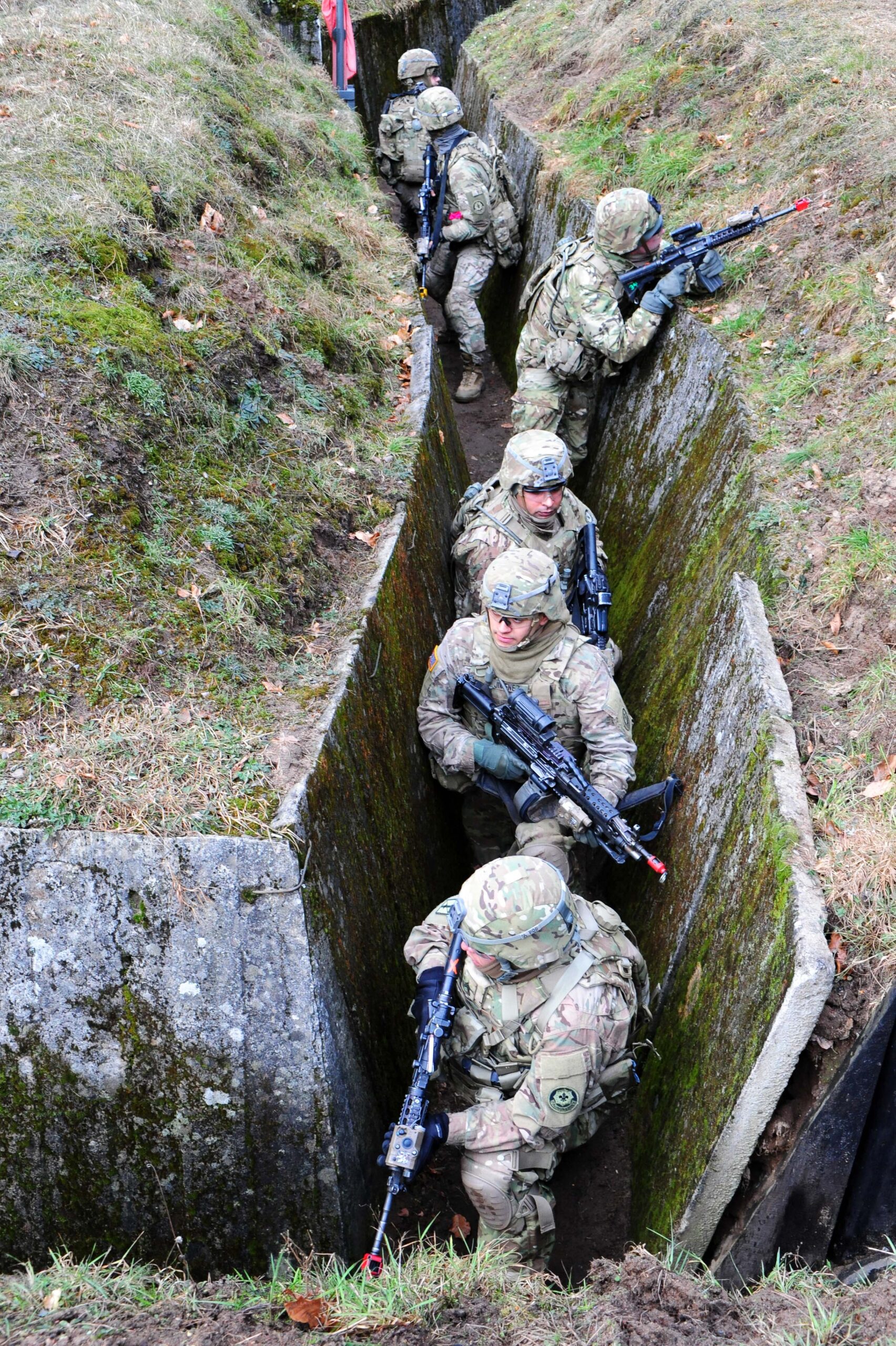
Lawmakers across both parties voiced frustration at being blindsided. Rep. Austin Scott of Georgia called the explanation that the decision “was not last-minute” impossible to reconcile with the facts, especially given that the Army had already begun deployment operations. Chairman Mike Rogers of Alabama, a strong military advocate, pressed hard on why the committee was not properly consulted.
“It’s a pretty dramatic decision to, at the last minute, pull a team that you’re trying to send over there,” Rogers said, demanding accountability.
Even Democrat Adam Smith, the committee’s ranking member, agreed that the breakdown in communication was unacceptable. He pressed the generals to explain the broader strategy, saying, “If there’s some strategy behind it, then you guys ought to know.”
In truth, there is a larger strategy, though it may not align with the NATO establishment’s preferences.
The Trump-Hegseth doctrine emphasizes defense self-reliance among allies while focusing U.S. power on direct national interests. Under this approach, troop deployments are not foreign aid programs—they are operational decisions meant to strengthen America’s position, not Europe’s dependency.
The U.S. still maintains 80,000 service members in Europe, a massive presence by any metric. Adjusting rotational troop movements in Poland doesn’t signal weakness.
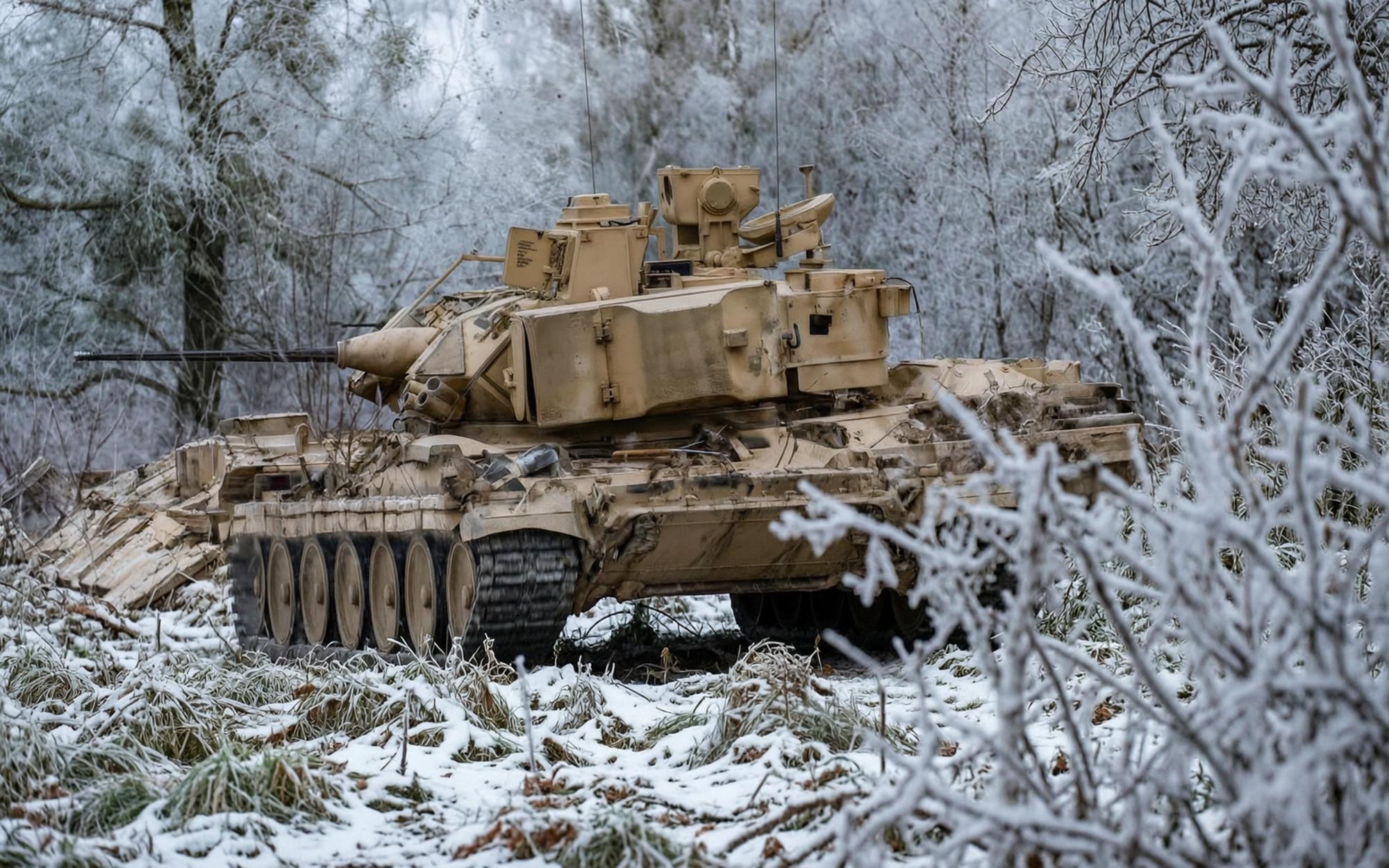
If anything, it shows the War Department is no longer operating on autopilot to satisfy global bureaucrats. It’s about accountability and priorities.
European Command declined comment, and the War Department’s acting press secretary maintained that the decision was coordinated and thought-out, despite congressional frustration.
But one thing is clear: the era of reflexive European rotations without cost-sharing or strategic rationale is over.
While the optics may frustrate some on Capitol Hill, many within the ranks see a bigger message—America’s war machinery is being run with purpose again. Under leaders like Secretary of War Hegseth, every deployment will have a justified mission and measurable value to U.S. interests.
That shift, uncomfortable though it may be to NATO insiders, aligns squarely with President Trump’s vision of an America that leads by strength, not by default.
Join the Discussion
COMMENTS POLICY: We have no tolerance for messages of violence, racism, vulgarity, obscenity or other such discourteous behavior. Thank you for contributing to a respectful and useful online dialogue.
Boo Hoo!