The Marine Corps is charging north into America’s final frontier, announcing a new permanent rotational force in Alaska that signals a bold step toward Arctic dominance.
The move is part of “Campaign – Alaska,” a major initiative to harden U.S. readiness in one of the most strategically vital, resource-rich regions left on the planet.
Marine Rotational Force – Alaska will serve as the spearhead of that plan, giving Marines a year-round presence designed to operate, train, and fight in extreme cold-weather conditions.
It’s a clear signal: the United States isn’t ceding the Arctic to Russia or China.
MORE NEWS: Pentagon Confirms First Military Execution in Over 60 Years Will Be Publicly Livestreamed
Commandant of the Marine Corps Gen. Eric Smith declared that the Corps must be ready to win in the most brutal environments, saying, “MRF, Alaska and SALT, Alaska are critical to ensuring our Marines are forward postured, trained and equipped to project power globally.”
That’s old-school Marine grit with a modern edge, tailored for the geopolitical chessboard of the 21st century.
The force will rotate in and out depending on seasonal conditions, a move that keeps the Marines flexible and sharp.
Although details on unit composition and basing are still under wraps, Alaska’s vast expanse offers endless options for cold-weather training and live-fire range operations.
It’s the perfect testing ground for the next generation of American warfighters.
According to Alaska’s proud son, Sen. Dan Sullivan, the new task force will be built to thrive in “extreme cold weather, austere terrain, and limited-infrastructure conditions.”
Translation: it’s tailor-made for places where lesser troops freeze, but Marines fight on.
The move falls under the oversight of Lt. Gen. Bobbi Shea and Marine Forces Northern Command. Shea didn’t mince words when she said Alaska “will only grow in strategic importance” and that this new posture aligns with the goals of the 2026 National Defense Strategy.
Any realist can see why, the Arctic is emerging as the next major theater of military and economic competition.
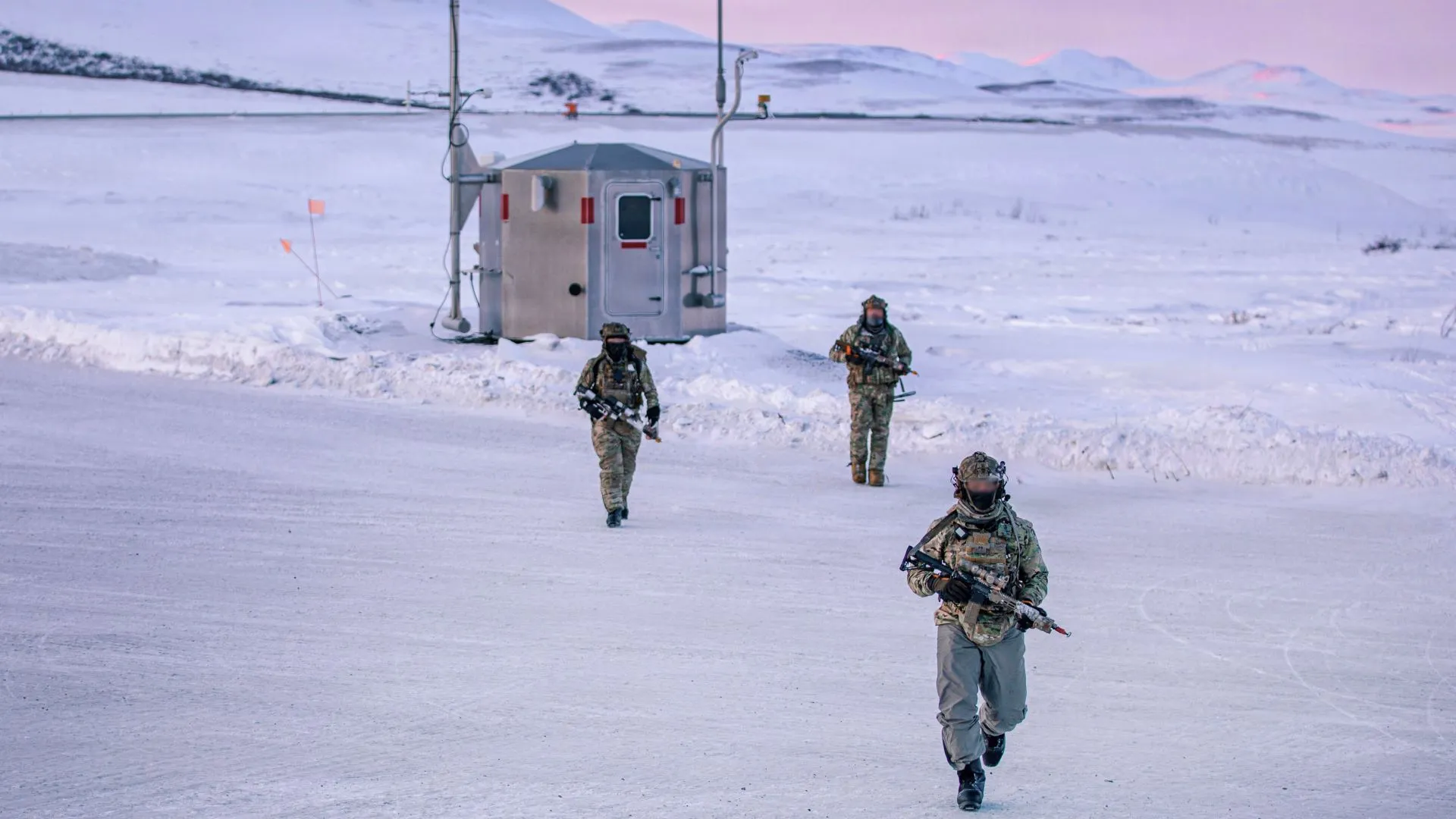
For years now, U.S. Marines have participated in Arctic warfare drills, from the Red Flag exercises in Alaska to NATO’s Cold Response series in Scandinavia.
Earlier this year, 3,000 Marines trained alongside allies across Norway and Finland, sharpening joint operations combat tactics in subzero conditions.
For the elite Marine Raiders, the Arctic Edge exercise in Alaska proved that America’s special operators remain the top-tier force capable of thriving in environments where others falter.
Alaska already plays a crucial role in national defense. It is home to key missile defense installations, airbases monitoring Russian incursions, and the 11th Airborne Division, the Army’s cold-weather strike masters.
The new Marine presence adds steel to that shield, ensuring the U.S. holds the upper hand in the region’s growing security and economic stakes.
From intercepting hostile aircraft over the Alaska Air Defense Identification Zone to maintaining launch-ready assets across the north, U.S. forces in Alaska already act as America’s Arctic gatekeepers.
The addition of a permanent Marine component gives that mission real muscle, blending cold-weather toughness with expeditionary skill unmatched anywhere in the world.
Adding to Marines’ presence will be the new Supporting Arms Liaison Team, Alaska.
Made up of the 6th Air Naval Gunfire Liaison Company based at Joint Base Elmendorf-Richardson, this permanent detachment will sync with the other services across Alaska, coordinating joint firepower and expanding advanced warfighting integration.
The Arctic buildup isn’t just symbolic, it’s strategic. With Russia militarizing its northern coastlines and China pushing its so-called “Polar Silk Road,” America can’t afford to sit back.
Secretary of War Pete Hegseth’s “peace through strength” philosophy echoes perfectly here: maintain uncontested dominance, and the adversary thinks twice.
This expansion reflects decades of Marine philosophy — stay light, stay lethal, and stay everywhere America’s enemies might think we won’t.
The Marines who train and fight under Alaska’s freezing skies embody that tradition.
While Washington bureaucrats debate climate theories, the Corps is out there confronting reality, the world is becoming a harsher, more contested battlefield, and only the toughest will thrive.
The Arctic is no longer an afterthought on the map. It’s a front line of the future, and the Marines are planting the American flag there first.
Join the Discussion
COMMENTS POLICY: We have no tolerance for messages of violence, racism, vulgarity, obscenity or other such discourteous behavior. Thank you for contributing to a respectful and useful online dialogue.