President Donald Trump isn’t hiding where he stands on Iran, and his patience is nearly gone. As the regime in Tehran drags its feet on negotiations, the administration is openly weighing fresh military action to break the gridlock.
Despite having officially notified Congress that Operation Epic Fury has concluded, senior military leaders say America remains ready to move at a moment’s notice if the word comes down from the White House.
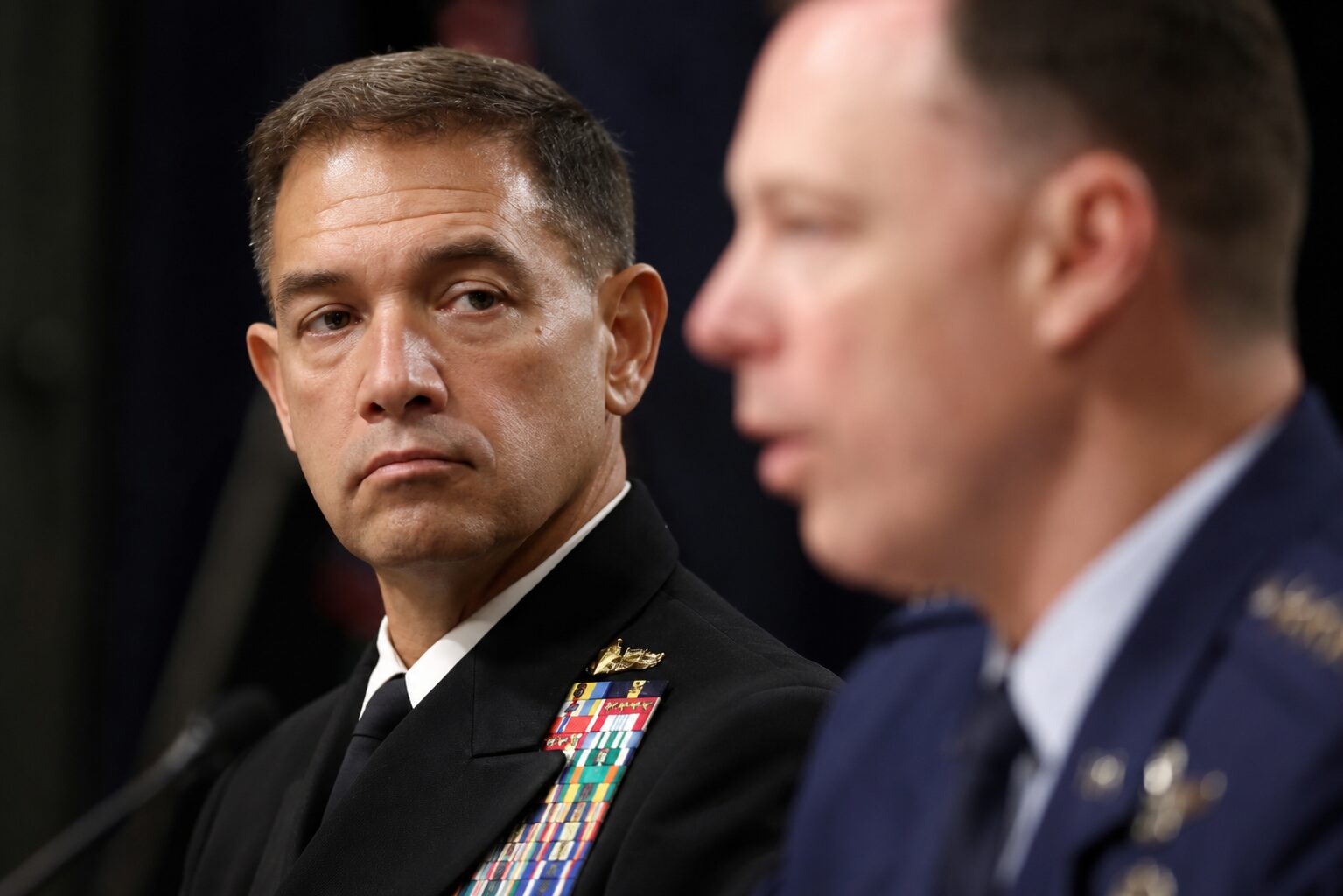
Adm. Brad Cooper, head of U.S. Central Command, confirmed that American forces remain on full alert across the region.
“I am prepared to execute a broad range of contingencies,” Cooper told the House Armed Services Committee this week.
MORE NEWS: Pentagon Confirms First Military Execution in Over 60 Years Will Be Publicly Livestreamed
“We’re prepared for further direction depending on how negotiations go.” That’s military-speak for: if Iran keeps playing games, they’ll meet steel.
CENTCOM’s current strategy includes keeping a chokehold on Iran’s ports.
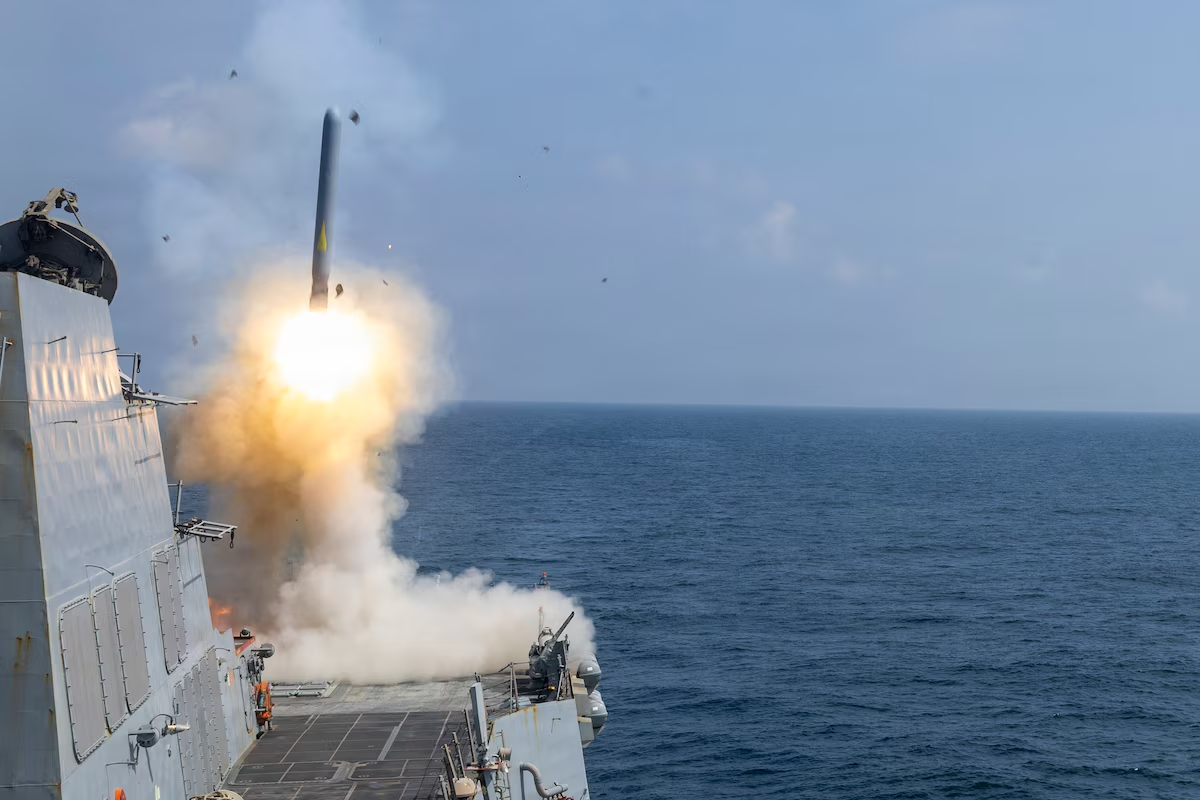
American ships have enforced a blockade that has already intercepted or redirected 88 commercial vessels since mid-April. The message is clear, no cheating, no smuggling, and no shortcuts. Four Iranian boats have reportedly been disabled after ignoring U.S. directives, proving that Washington’s warnings are more than talk.
Diplomatic progress remains frozen while both sides dig in.
The standoff centers on Iran’s nuclear ambitions and control over the Strait of Hormuz, the narrow but vital artery that moves roughly one-fifth of the world’s oil. For three months, the strait has been effectively shut down, sending global markets scrambling and testing the patience of energy partners abroad.
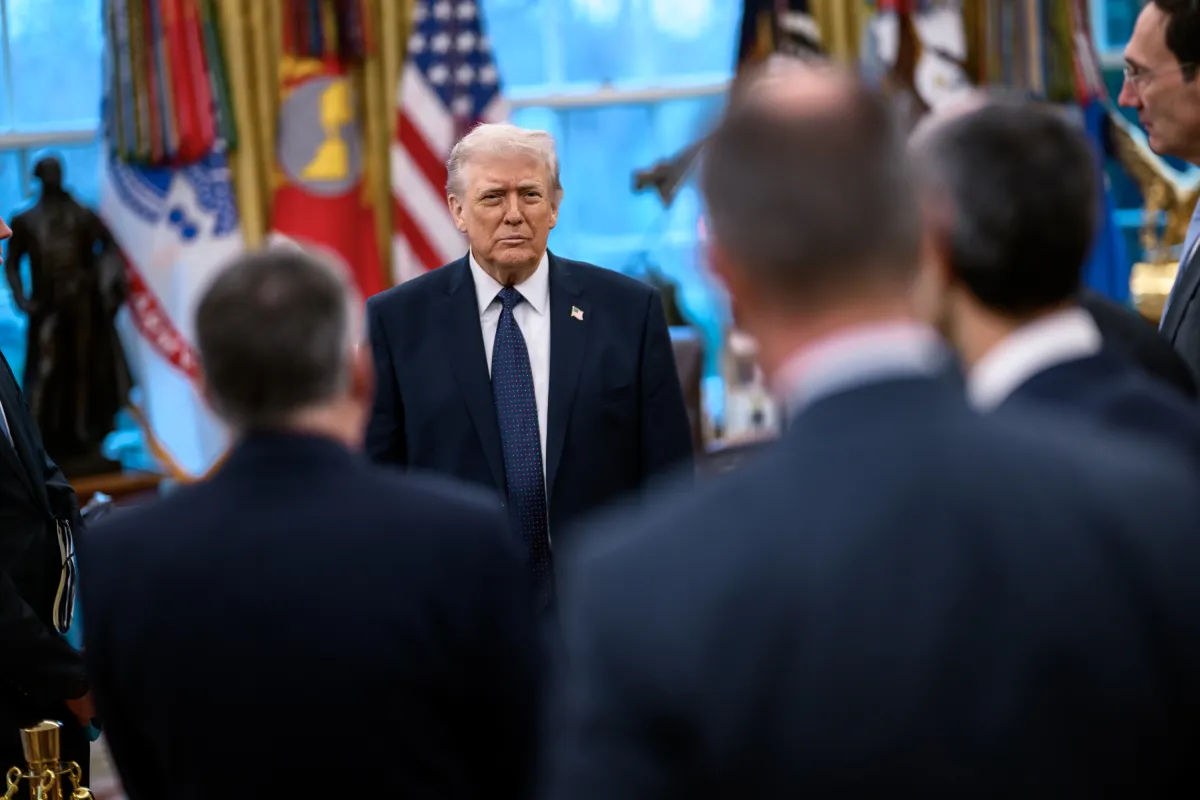
From the White House, President Trump said he came within “an hour” of unleashing a major strike on Iranian targets but pulled back after close allies in Qatar, the UAE, and Saudi Arabia urged one last attempt at diplomacy.
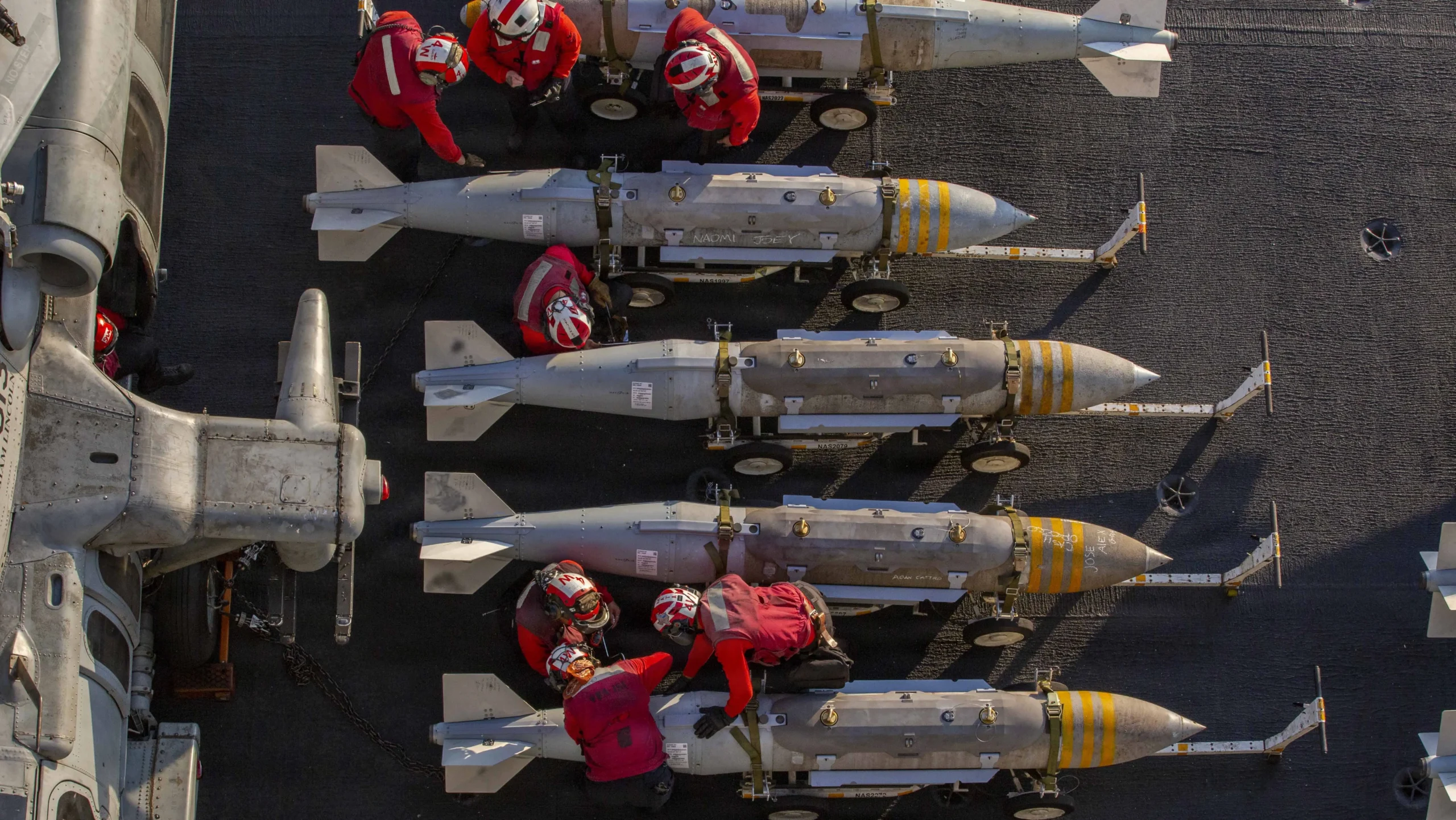
“The ships were all loaded — loaded to the brim — and we were all set to start,” he told reporters. That kind of readiness speaks volumes about the president’s willingness to act if pushed.
“I hope we don’t have to do the war, but we may have to give them another big hit,” Trump added.
His tone was direct — no political babble, no Pentagon hedging, just a clear message to the Iranian regime: come to the table or face the consequences.
Iran, predictably, responded with its usual defiance. The Islamic Republic’s deputy foreign minister, Kazem Gharibabadi, boasted online that Iran was “prepared to confront any military aggression,” framing potential American strikes as an opportunity for martyrdom.
It was the typical bluster from Tehran that has followed every threat since 1979 — loud on social media, shaky in reality.
Vice President JD Vance, standing shoulder-to-shoulder with the president, reinforced the administration’s stance.
“This is not a forever war,” he told reporters during a White House briefing. “We’re going to take care of business and come home.” In other words, the Trump-Vance team isn’t about nation-building; it’s about protecting American interests and finishing the job decisively.
Vance had personally traveled to Pakistan last month to meet face-to-face with Iranian representatives. The marathon 21-hour session ended without a breakthrough. According to Vance, there’s still “an opportunity to reset the relationship” — but only if Tehran understands that it’s dealing with a president who doesn’t bluff.
“We’re locked and loaded,” Vance said. “We don’t want to go down that pathway, but the president is willing and able to go down that pathway if we have to.”

Meanwhile, the U.S. naval presence remains dominant throughout the Persian Gulf. American warships, aircraft, and surveillance assets continue to monitor every movement near Hormuz, ensuring that Iranian attempts to outmaneuver the blockade fail.
As Cooper told the committee, every unit is on high alert, ready to protect allied vessels and neutralize threats within minutes.
For Trump, this posture of strength is not just military — it’s strategic leverage. By maintaining maximum pressure, he forces Iran to understand that the clock is ticking. The president publicly gave Tehran “two or three days, maybe Friday, Saturday, Sunday, maybe early next week” to reengage.
It’s a move right out of the art of the deal: give your opponent a tight deadline, apply force, and make them sweat.
Inside Washington, this approach stands in sharp contrast to the hesitation of the years prior.
The Trump administration has no appetite for endless negotiations that lead nowhere.
Instead, the White House and War Department have presented a unified front — one that combines readiness with resolve. The American people are tired of weakness abroad, and this president clearly intends to restore credibility where it has been squandered for decades.
If Iran keeps its defiance, Trump’s next step could very well make history.
And unlike the meandering, bureaucratic calculus of the past, this commander-in-chief is not likely to blink. Strength, not surrender, is now the operative word in U.S. strategy — and the ayatollahs would be wise to take that seriously.
Join the Discussion
COMMENTS POLICY: We have no tolerance for messages of violence, racism, vulgarity, obscenity or other such discourteous behavior. Thank you for contributing to a respectful and useful online dialogue.