The U.S. Air Force’s T-38 Talon trainers are back in the air after a brief grounding, wrapping up just over a week of operational pause following a training accident that sent one of the jets down in rural Alabama.
The return to flight marks a fast turnaround by the service as investigators continue to sift through the cause of the mishap.
The incident took place on May 12 when a T-38 Talon II from Columbus Air Force Base in Mississippi went down in Lamar County, Alabama.
The crash prompted a May 19 decision to temporarily halt all T-38 flying operations across the force until safety teams could complete a thorough inspection.
MORE NEWS: Pentagon Confirms First Military Execution in Over 60 Years Will Be Publicly Livestreamed
The fleetwide pause was a standard safety measure but also a reminder of how high the Air Force’s bar for flight safety remains. By last Friday, the service announced that the halt had been lifted and that planes would return to duty in the days ahead.
Air Education and Training Command, Air Combat Command, Air Force Materiel Command, and Air Force Global Strike Command were all affected by the pause.
According to the Air Force’s statement, engineers and maintenance specialists have developed and validated a detailed inspection process for every aircraft before it returns to flight.
That extra scrutiny, the service said, ensures “a safe and thorough return to flight” while the ongoing investigation continues to determine the root cause of the crash.
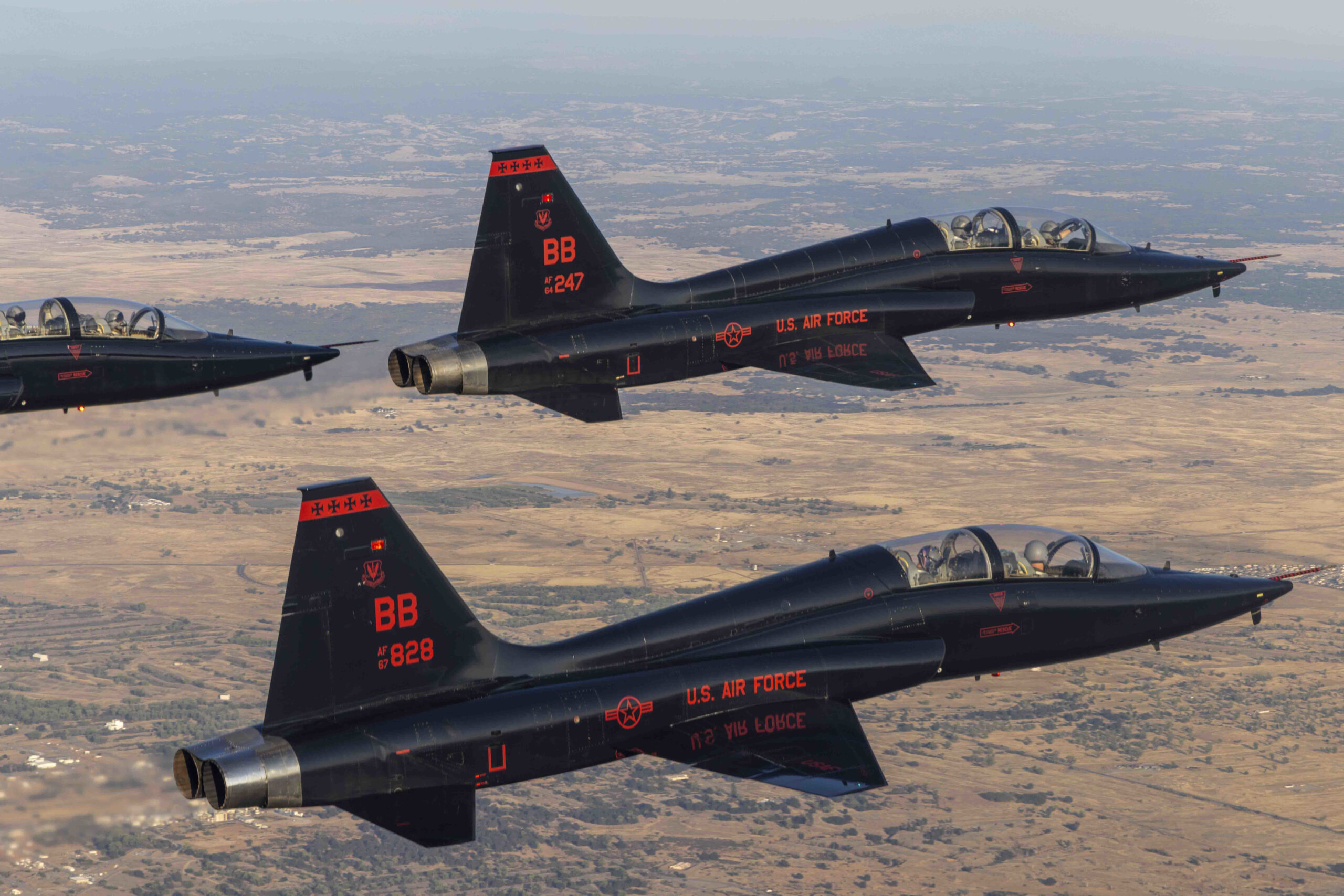
The Safety Investigation Board remains at work, examining flight data, maintenance records, and component performance.
Though officials haven’t disclosed technical details, they insist that every T-38 that takes off again has passed multiple layers of scrutiny from engineering, maintenance, and operational safety experts.
While a pause in training operations could normally slow down pilot production, the Air Force avoided major setbacks by ramping up simulator time. The affected aircrews turned to simulators to sharpen skills, meet proficiency standards, and maintain familiarity with flight procedures.
According to the Air Force, those additional simulator sessions have helped “mitigate impacts to operations, training, and readiness.”
A spokesperson for Air Education and Training Command confirmed that while the cause of the crash remains unknown, critical investigative and analytical steps have been taken.
“The operational pause allowed time for continued investigation, engineering assessment, and coordination with safety, maintenance, and program office experts,” the spokesperson told Military Times.
It’s worth noting that the T-38, though a workhorse of America’s training fleet since the early 1960s, is now an older platform approaching its seventh decade of service. Still, it continues to play a central role in producing the next generation of fighter and bomber pilots.
The fleet’s age only reinforces the importance of meticulous inspections and a robust maintenance culture—something the Air Force has doubled down on.
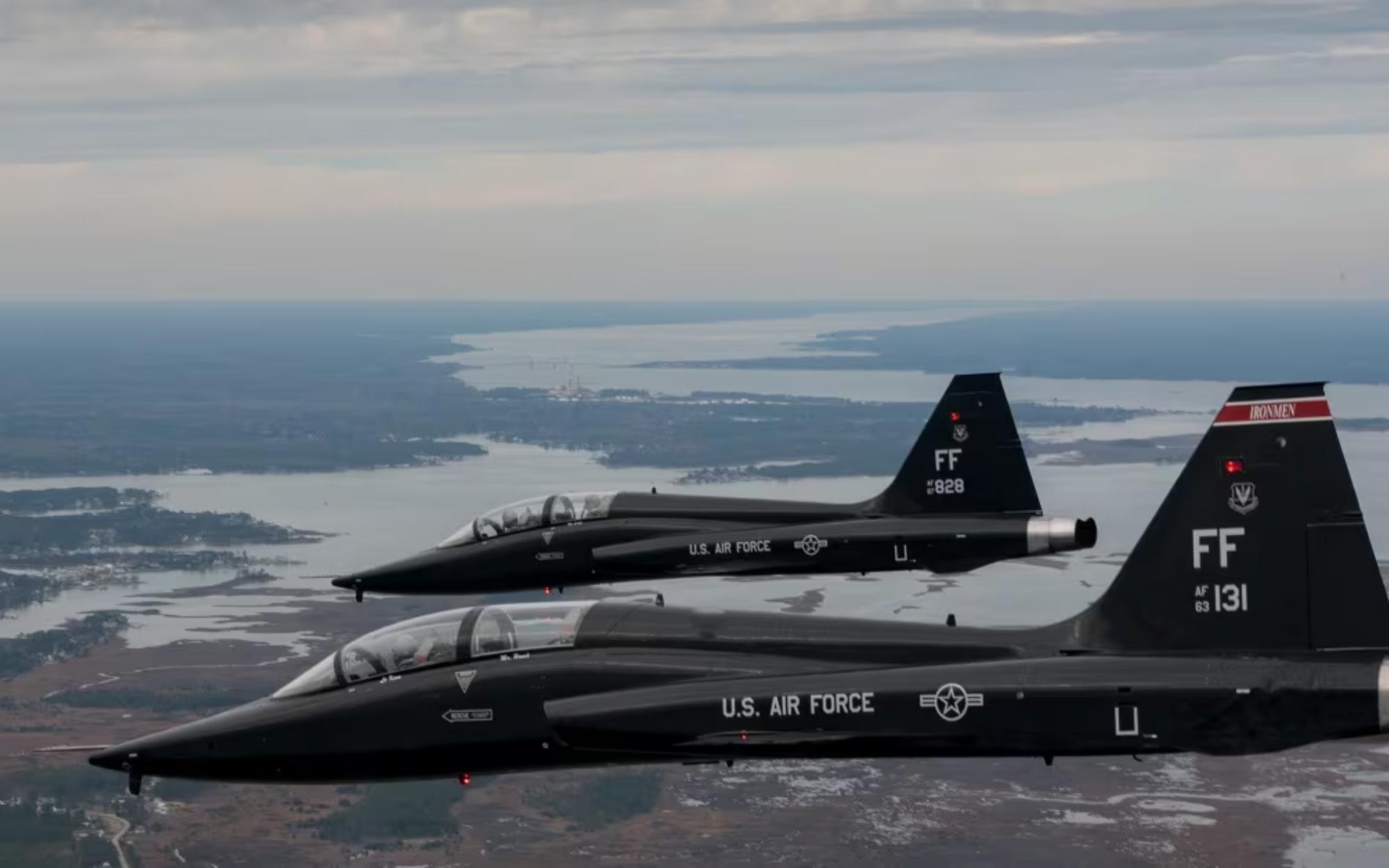
The Talon’s history is a proud one. Generations of Air Force aviators have earned their wings in its cockpit, and even as the branch prepares to transition to the next-generation T-7A Red Hawk, the T-38 remains crucial.
Many in the Air Force see its longevity as a testament to good maintenance practices and disciplined flight safety—hallmarks of U.S. air superiority.
The Air Force’s calm, methodical approach to restoring operations stands in contrast to how Washington bureaucracies often respond to crisis—showing exactly what real leadership looks like in uniform. Rather than panic or foot-drag, the service acted swiftly, investigated thoroughly, and resumed mission-critical training with confidence.
That’s the kind of readiness and efficiency Secretary of War Pete Hegseth continues to champion across the War Department: bold accountability matched with action.
For an Air Force now operating in an increasingly contested world environment, the ability to return assets to service quickly and safely is not a luxury—it’s a matter of national strength.
Operational pauses like this one remind America’s adversaries that safety doesn’t mean softness; it means precision, discipline, and unwavering commitment to readiness.
The ongoing investigation will eventually determine what caused the Alabama crash, but the Air Force’s response already underscores a clear message: America’s air power keeps flying, no matter the challenge.
The Talon is back, the training pipeline is humming, and the mission continues.
Are you feeling overwhelmed or hopeless right now? Have you been withdrawing from people or activities you usually enjoy? Are you having thoughts about hurting yourself, or feeling like things will never improve?
You do not have to handle those feelings alone. Support is available, and talking to someone can make a difference. You can reach out to the 988 Suicide & Crisis Lifeline by calling or texting 988, or by chatting online at 988lifeline.org. Trained counselors are available 24 hours a day to listen and help.
If you believe someone is in immediate danger, call emergency services right away. Even a small step, like reaching out to a trusted friend, family member, or professional, can help create a path forward.
Join the Discussion
COMMENTS POLICY: We have no tolerance for messages of violence, racism, vulgarity, obscenity or other such discourteous behavior. Thank you for contributing to a respectful and useful online dialogue.