A new Government Accountability Office audit is raising serious questions about the U.S. Air Force’s tanker fleet — and whether brass are sugarcoating the numbers for Washington’s benefit.
According to the report, the service’s official “mission-capable” rates might look good on paper, but the definition of that phrase is doing a lot of heavy lifting.
The GAO found that the Air Force counts tankers as “mission-capable” even when they can’t actually perform their primary mission of, you guessed it, refueling aircraft.
A plane qualified only for hauling cargo or performing medical evacuations still makes the cut, padding the stats for an Air Force already struggling to keep its aerial gas stations in the air.
What really matters, though, is how many tankers are “fully mission capable” — the ones that can actually refuel fighters and bombers in midair.
And that number, according to the watchdog, is dramatically lower and has stayed below internal Air Force benchmarks for years.
The report, which analyzed data from 2019 through 2025, paints a concerning picture.
The public version released this month omits the exact figures because those details were deemed “Controlled Unclassified Information.” Translation: too embarrassing to share with taxpayers footing the bill.
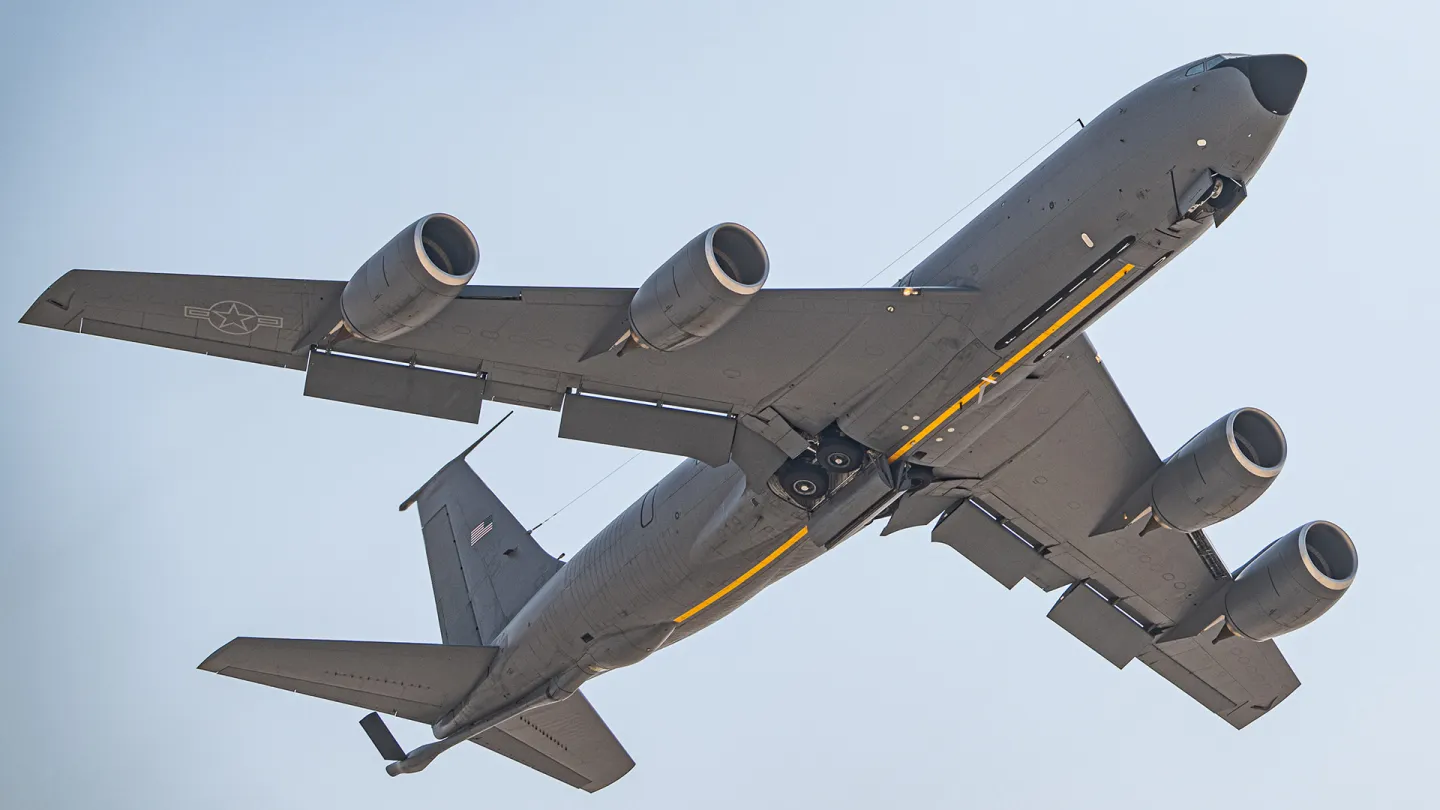
As of earlier this year, the Air Force claimed a fleet of 373 aging KC-135s and 103 KC-46A Pegasus tankers.
Both platforms are essential for maintaining global reach and rapid response capabilities. Without them, American power projection sputters to a halt — literally.
The GAO warns that old airframes, chronic parts shortages, and manpower shortfalls have left the service relying on workarounds and wishful thinking.

One telling example came from maintainers at Tinker Air Force Base who said certain tankers have sat parked for months awaiting obsolete or unavailable parts.
The venerable KC-135, introduced during the Eisenhower era, remains the backbone of the fleet — but its maintenance demands are brutal. Even simple replacement parts can take months to source.
The newer KC-46A, meanwhile, is still plagued with design and software issues, particularly its troublesome refueling boom. Instead of replacing the old tankers, the Pegasus has become an additional burden.
“Maintainers from multiple units told us they considered parts shortages to be the key contributing factor to low availability and capability rates,” said the GAO.
The auditors noted the situation has forced Air Force leaders to juggle schedules and raid one base’s stock to keep others flying.
Those “creative solutions” include a strategy called “regionalization,” where bases borrow aircraft from one another to meet mission needs.
While it might sound efficient, in practice it’s a game of bureaucratic musical chairs, distracting from the underlying issue — the Air Force’s inability to fix its long-term sustainment problems.
To buy time and artificially boost readiness figures, Air Mobility Command is reportedly considering stretching the interval between scheduled depot maintenance from five to six years.
Officials claim that would raise availability by about six percent. Skeptics worry it merely postpones the inevitable — more breakdowns later.
This crisis isn’t new. An earlier GAO assessment flagged similar issues, accusing the service of underestimating repair delays and bottlenecking the depot system. The new findings confirm the Air Force still hasn’t addressed its foundational weaknesses in logistics, manpower, and modernization.
Meanwhile, China and Russia are watching — both heavily investing in long-range strike and refueling capabilities while America’s Air Force fights with spreadsheets and spare parts. The fallout isn’t theoretical.
Every time a tanker is grounded, our global ops tempo slows down, and that means slower responses to threats — from the South China Sea to the Persian Gulf.
To militaries that depend on their refueling fleet, this is more than just paper-pushing. Tankers are the lifeblood of American air dominance. Without them, our bombers, fighters, and cargo aircraft cannot execute extended-range operations.
The GAO’s warning should light a fire under Pentagon leadership to prioritize fixes rather than hide behind definitions.
A readiness report that paints a rosier picture than reality isn’t just misleading — it borders on negligence. Transparency, accountability, and a brutally honest look at the Air Force’s aging fleet are long overdue.
Under the leadership of President Trump and War Secretary Pete Hegseth, taxpayers and warfighters alike expect a military that’s battle-ready, not bureaucratically “compliant.”
Until the Air Force stops playing semantic games and delivers true full-mission capability across its tanker fleet, American airpower will remain limited by its own broken logistics chain.
For the sake of national strength and deterrence, the time for excuses is over. The numbers now need to match reality.
Join the Discussion
COMMENTS POLICY: We have no tolerance for messages of violence, racism, vulgarity, obscenity or other such discourteous behavior. Thank you for contributing to a respectful and useful online dialogue.