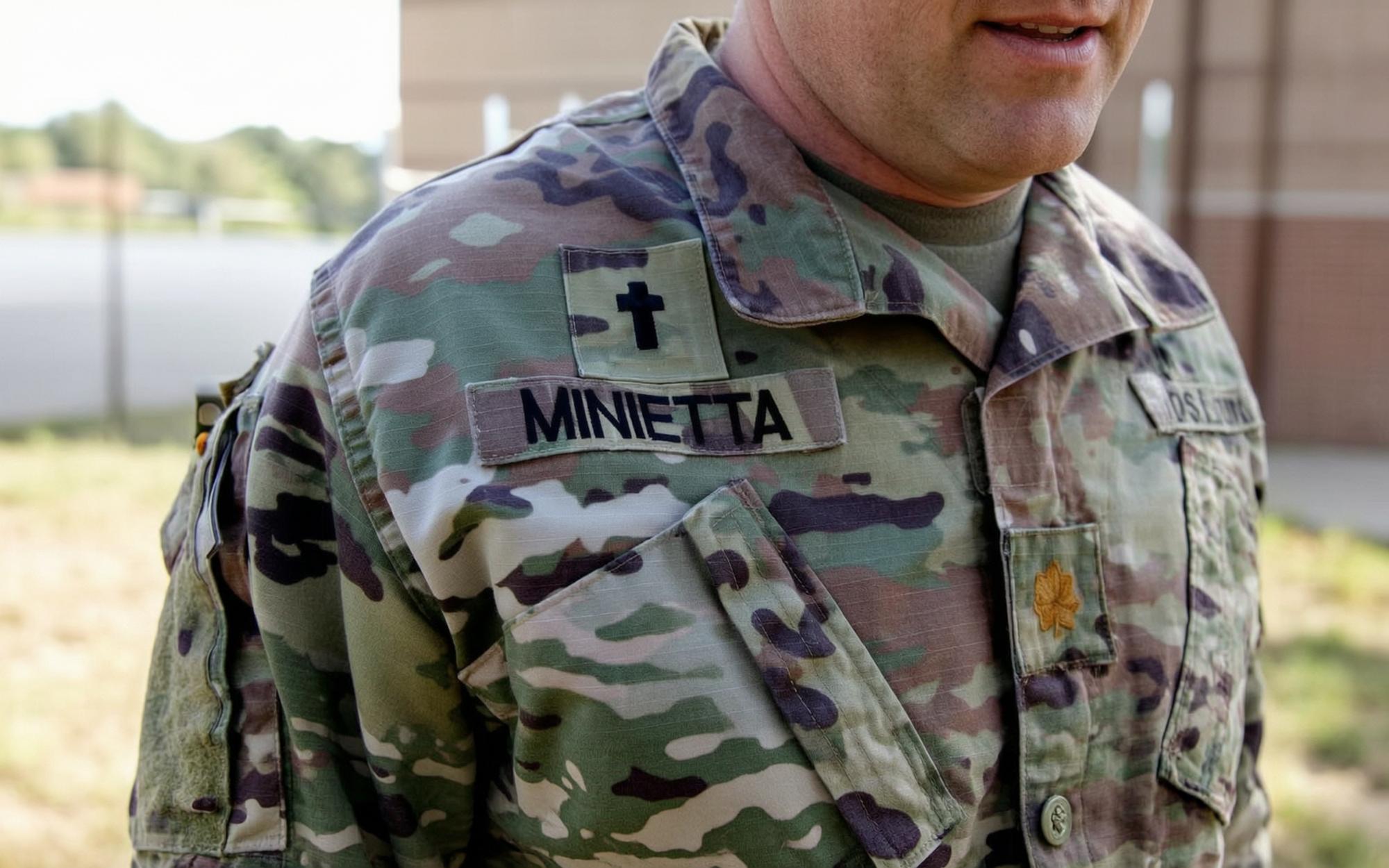
The U.S. Army is giving its chaplains 90 days to remove rank insignia from their uniforms, marking a major milestone in Secretary of War Pete Hegseth’s push to restore the spiritual mission of military chaplains.
The directive reinforces Hegseth’s long-held belief that chaplains serve God first and the chain of command second.
Issued under the signature of Secretary of the Army Dan Driscoll, the order requires chaplains to remove rank from their Army Combat Uniforms within 90 days and from cold-weather gear within 180 days.
The initiative draws a firm line under Hegseth’s March directive stating, “A military chaplain is first and foremost a chaplain, and an officer second.”
The change may sound cosmetic to the uninitiated, but it’s far more than that. It redefines the public face of military chaplains. Hegseth’s goal is clear—recenter faith within the military’s moral core after decades of secular bureaucrats trying to water it down.
For too long, the Pentagon’s religious services have been bogged down by political correctness and half-hearted “spiritual wellness” programs that avoided real faith.
In a video released earlier this year, Hegseth explained that the removal of rank insignia is meant to make every chaplain’s calling visible and unmistakable.
“This change is a visual representation of that fact,” he said. The message? A chaplain isn’t a mere middle manager in uniform; he’s a spiritual guide standing above the chain of rank when it comes to faith and moral guidance.
The Army directive also lays out clear guidance on how to display faith insignia on combat uniforms and headgear.
The approved insignia include the Latin cross, Jewish tablets with the Star of David, Muslim crescent moon, Buddhist wheel of righteousness, and Hindu Om. This limited list standardizes the symbols while steering away from the absurd proliferation of over 200 “faith codes” that had sprouted like bureaucratic weeds over the past several decades.
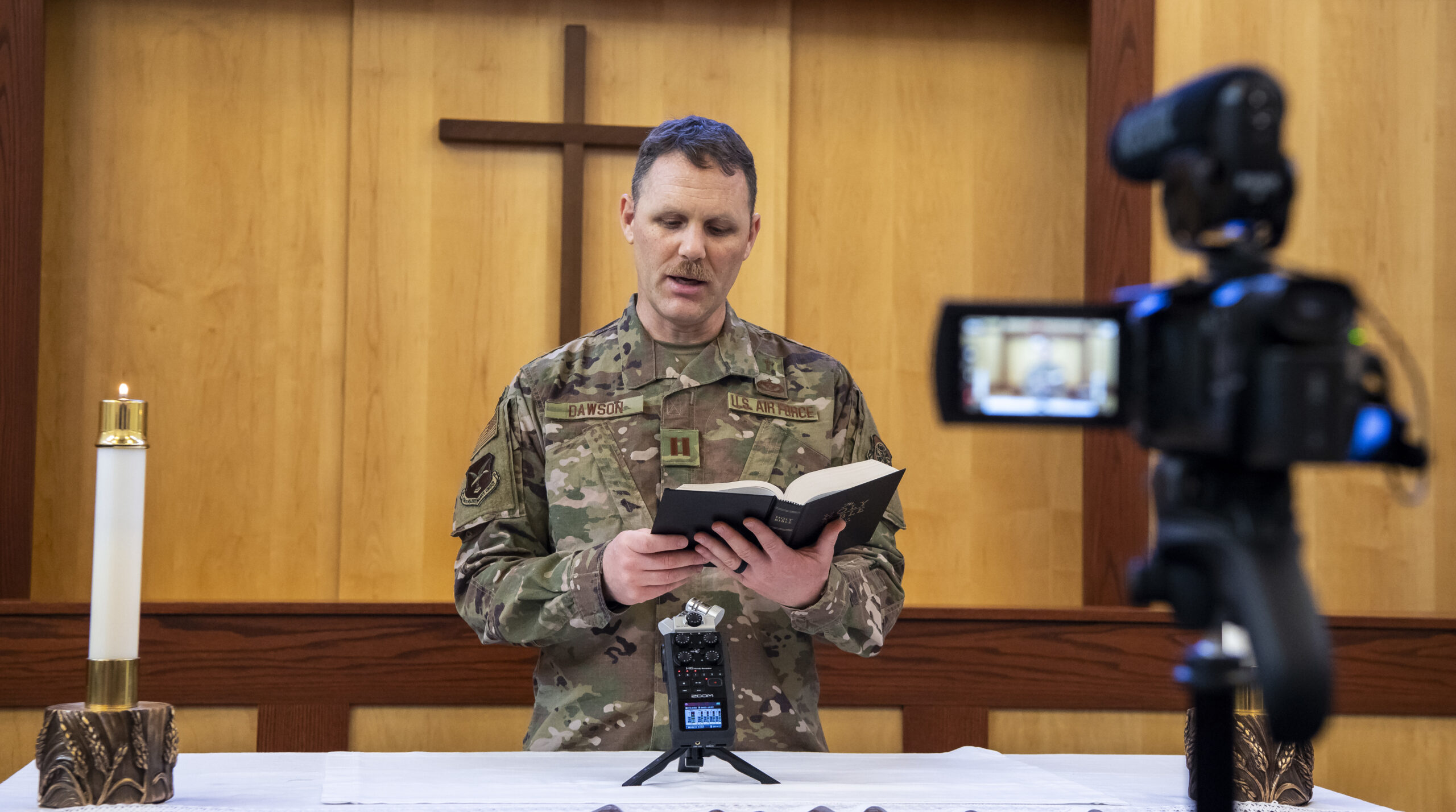
Hegseth’s overhaul doesn’t stop there. He also greenlit a full reorganization of the Chaplain Corps and the elimination of the “spiritual fitness guide,” a legacy project of the previous administration’s diversity bureaucracy that treated faith like a mental health exercise.
The War Department has now consolidated more than 200 obscure religious affiliation identifiers down to 31—an overdue clearing of the clutter.
Critics within the old military establishment are already voicing predictable objections, claiming that reducing rank visibility could “confuse” troops or “undermine command structures.”
But for anyone who has served, the meaning of a chaplain’s presence in the field is unmistakable—he or she is there for every soldier, regardless of rank, creed, or circumstance. Stripping the visible rank doesn’t create confusion; it clarifies purpose.
The move also underlines a broader cultural shift under Hegseth and President Trump’s leadership—away from the Pentagon’s bureaucratic self-image and back toward mission, discipline, and faith.
Morale has suffered in recent years not from too much religion but from too little conviction. Making chaplains more visible as spiritual leaders, rather than officers, sends a strong message that faith once again has a rightful place inside the ranks.
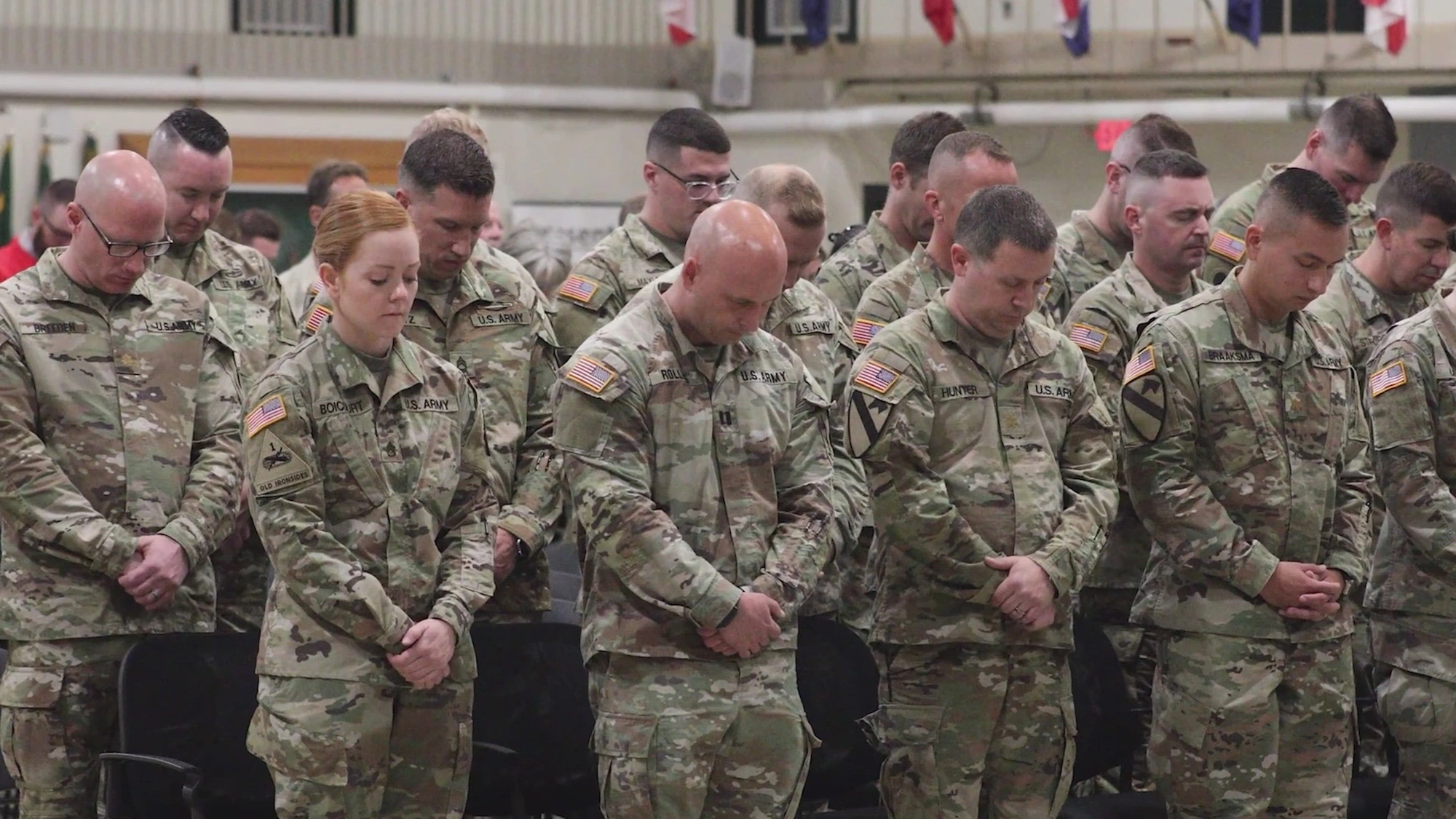
For many chaplains, the change is welcomed. Many have long felt tension between their pastoral mission and their military status.
One Army chaplain told reporters privately, “When soldiers come to me, I want them to see a symbol of faith, not another officer they have to salute.” Under this new policy, that mission becomes visible again—literally and symbolically.
The visual symbolism matters. Soldiers at the front lines don’t turn to a chaplain because of their rank.
They turn to them because chaplains speak to something deeper than command hierarchy—morality, sacrifice, courage, forgiveness, and the long tradition of faith that guided American warriors from Valley Forge to Fallujah.
It’s not a coincidence that this policy comes under a War Secretary who actually served and understands the terrain. Hegseth, a combat veteran, has emphasized over and over that America’s military cannot maintain readiness if it cuts itself off from its spiritual foundations.
His vision stands in stark contrast to the soulless management style of the past two decades, when chaplains were treated more like HR consultants than spiritual anchors.
By prioritizing faith above rank, the Army is doing something rare in modern government—it’s acknowledging that spiritual leadership is not subordinate to bureaucratic hierarchy.
Soldiers will still recognize chaplains as officers; the paperwork isn’t changing. But the uniform will now reflect something beyond the chain of command: a moral authority grounded in belief and service to something larger than self.
For a military struggling with recruitment, suicides, and declining morale, the answer isn’t another “resiliency” task force. It’s faith. And with Secretary Hegseth and President Trump putting that back at the core of the mission, the U.S. Army just took one visible, unmistakable step toward remembering what makes it—and America—great.
Join the Discussion
COMMENTS POLICY: We have no tolerance for messages of violence, racism, vulgarity, obscenity or other such discourteous behavior. Thank you for contributing to a respectful and useful online dialogue.
Under that moronic imbecile O’Biden’s, our military became a circus of political correctness, wokeness, and gay everything. Thank God we now have a military that can be respected again!