A new report out of Washington’s think tank circuit is reigniting the debate over America’s cyber war footing, arguing that the U.S. is overdue for a standalone Cyber Force staffed entirely by officers and warrant officers—no enlisted ranks included.
The idea is simple: as digital warfare becomes the next battleground, the nation needs a fully professional, deeply technical corps of cyber warriors to meet the threat head-on.
Published jointly by the Center for Strategic and International Studies and the Foundation for Defense of Democracies, the proposal sketches out what a future Cyber Force could look like if Congress finally decides to give the green light.
The authors frame the new blueprint as a way to avoid the missteps of the Space Force rollout, when bureaucrats rushed construction before the blueprints were finished.
MORE NEWS: Pentagon Confirms First Military Execution in Over 60 Years Will Be Publicly Livestreamed
“They were told to break ground on construction without having hired an architect or sketched a blueprint,” said report co-lead Joshua Stiefel, a former House Armed Services Committee staffer. The report’s message is blunt: get it right before you launch it.
The think tanks estimate that standing up the new service could cost between $10 and $11 billion, though much of that funding already exists within current war budgets.
The Pentagon’s fiscal year 2027 budget already sets aside roughly $7.7 billion for cyber operations and another $2.8 billion in personnel costs across the services. The report argues that consolidating those fragmented funds under one roof would create greater efficiency and readiness.
“This isn’t new money,” Stiefel explained. “It’s money buried in four different budget silos. Unifying it means a better return for taxpayers and a stronger cyber front line.”
It’s a pitch for fiscal sanity and military efficiency that conservative defense hawks have long demanded from the Washington bureaucracy.
Under this proposal, the new Cyber Force would not absorb every existing cyber operator from across the services. Each branch would remain in charge of its own networks and data infrastructure.
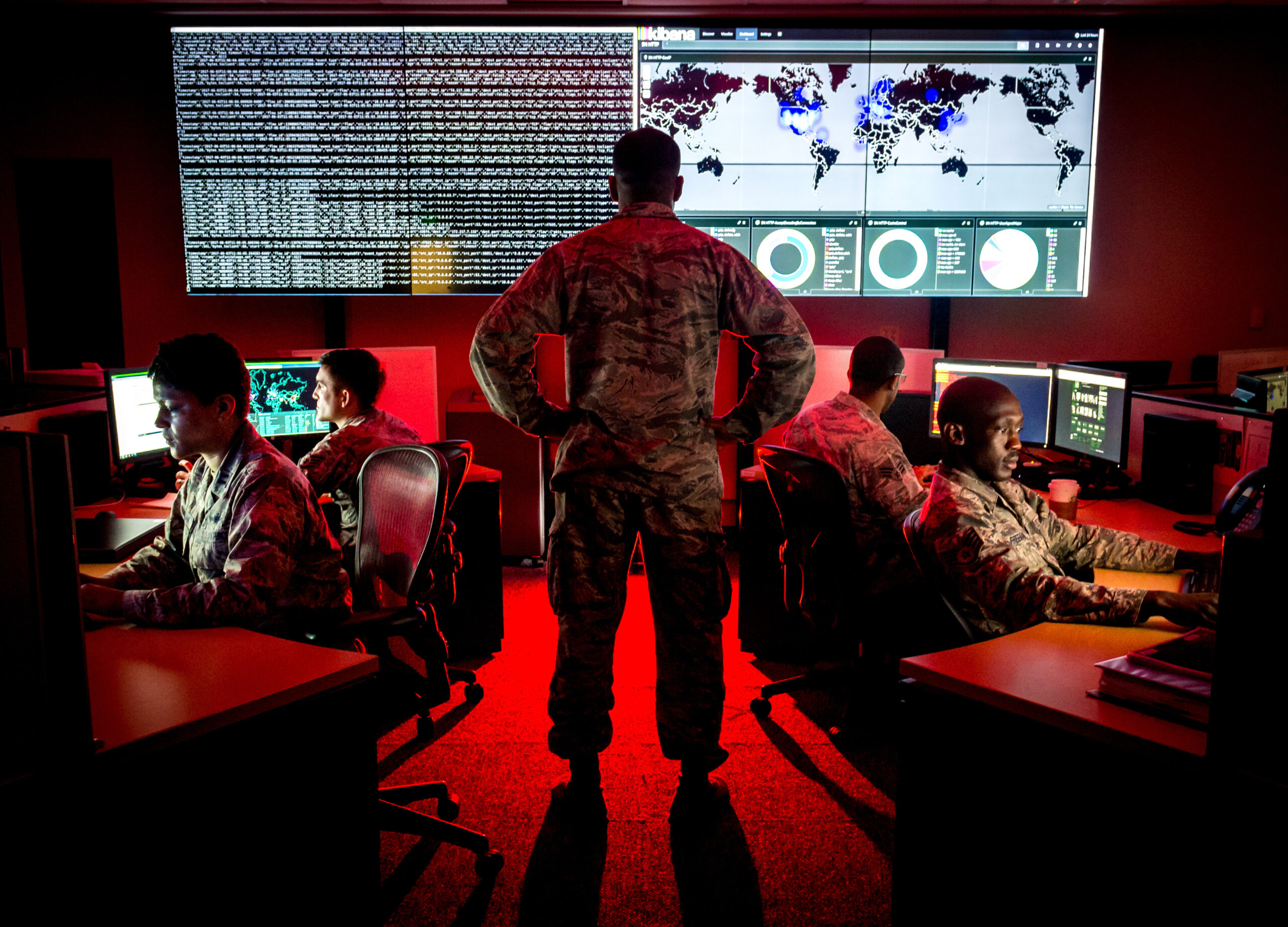
The Cyber Force would instead focus on offensive and defensive missions—taking the fight deep into enemy systems, disabling their weapons, and conducting forward hunts inside allied networks to root out adversaries before they strike.
The report suggests that cyber warfare is now the moral equivalent of airpower. Every branch flies planes, but only the Air Force carries the authority and skill for global strike operations.
The same logic, the authors argue, should drive the creation of a professional, dedicated Cyber Force—one with the precision, expertise, and unified command authority that modern war demands.

And in a provocative recommendation, the report proposes staffing this new service entirely with commissioned and warrant officers.
The authors claim that cyber operators already function as technical leaders, experts, and innovators—roles more aligned with officer-level responsibilities than traditional enlisted ones.
They even hint that existing enlisted cyber specialists could transfer in, receiving warrant officer or commissioned status based on merit and expertise.
“It’s not that we don’t value the enlisted cadre,” Stiefel clarified during a media call.
“We value them so much that we believe if they can make it through the cyber pipeline, they have more than earned the credibility, the merit, to wear a warrant officer’s collar device.”
That’s a refreshing break from bureaucratic rank rigidness—a recognition that skill and results matter more than paperwork and tenure.
The proposed Cyber Force would number about 30,000 personnel, including active-duty members, National Guardsmen, and civilians.
ts structure would feature hybrid “cyber combined arms” units blending software developers and combat operators to close the gap between innovation and execution.
Promotion systems would reward technical contribution and mission outcomes over administrative performance—a serious cultural shift from how the armed services usually promote talent.
Importantly, the structure includes no traditional reserve component.
Instead, the National Guard would serve both state and federal missions, giving governors and the War Department flexibility to respond to crises quickly.
The plan also calls for dedicated intelligence and legal teams to operate in cyberspace’s gray zones, where conflict often sits just short of open war.
For policymakers in Washington, this conversation isn’t new, but it’s heating up. Bipartisan lawmakers on Capitol Hill, including Senator Kirsten Gillibrand of New York, have floated amendments to create a Cyber Force under the 2027 war funding legislation.
Whether it passes remains uncertain, but interest is clearly growing. “It feels like a conversation where the volume continues to rise,” Stiefel noted.
Building the force under the Department of the Army—similar to how the Space Force operates under the Department of the Air Force—would be faster and cheaper than forming a completely new military department.
That’s a pragmatic approach that fits the conservative insistence on leaner government and decisive capability.
The stakes are obvious. America’s enemies, from China’s shadow hackers to Russia’s military cyber units, are striking at infrastructure, command systems, and even civilian networks with increasing boldness.
The U.S. can’t afford to meet those threats with fragmented bureaucracies or redundant structures scattered across the services. The idea behind the Cyber Force is to concentrate capability, streamline command, and bring a warfighter mentality to the digital front.
Whether Congress acts or not, this report puts Washington on notice: the next front line won’t be drawn in sand or sea lanes—it’s being coded in real time, keystroke by keystroke.
And only a focused, unified force will be ready to fight and win that war.
Join the Discussion
COMMENTS POLICY: We have no tolerance for messages of violence, racism, vulgarity, obscenity or other such discourteous behavior. Thank you for contributing to a respectful and useful online dialogue.