The U.S. Navy is moving into uncharted waters this summer, taking a hard look at whether America’s most powerful warships can also power the homeland.
Acting War Secretary Hung Cao announced during a May 14 House Armed Services Committee hearing that the Navy will attempt to run an entire shore installation using the nuclear power of a Ford-class aircraft carrier.
Cao revealed that Naval Station Norfolk in Virginia will serve as the testing ground for this unprecedented concept.
“We’re going to export the energy from the aircraft carrier to the base,” Cao testified, outlining a vision that blurs the line between sea and land-based military energy.
MORE NEWS: Pentagon Confirms First Military Execution in Over 60 Years Will Be Publicly Livestreamed
The American Nuclear Society first broke the story, and the Navy quickly confirmed the details to reporters. A War Department spokesperson described the initiative as part of a broader nuclear energy resilience strategy designed to ensure America’s military infrastructure remains operational even under the most demanding conditions.
“The Navy is executing a multi-pronged strategy to ensure the delivery of firm, baseload power to our installations for energy resilience and mission assurance,” the spokesperson stated.
“One line of effort in the strategy is to deliver power from a Ford-class nuclear-powered aircraft carrier to a compatible shore installation, to demonstrate the capability to meet emergent, mission critical needs.”
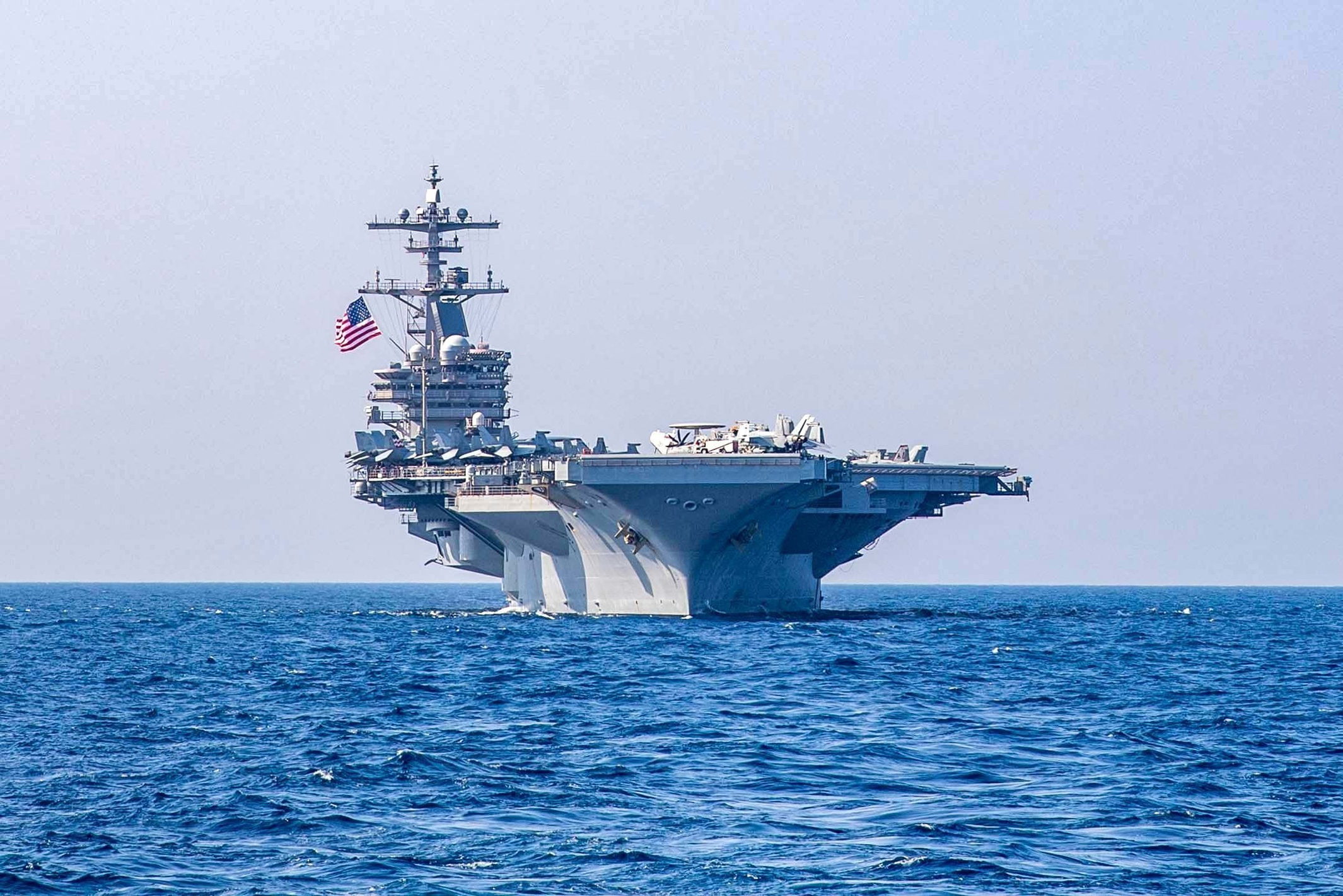
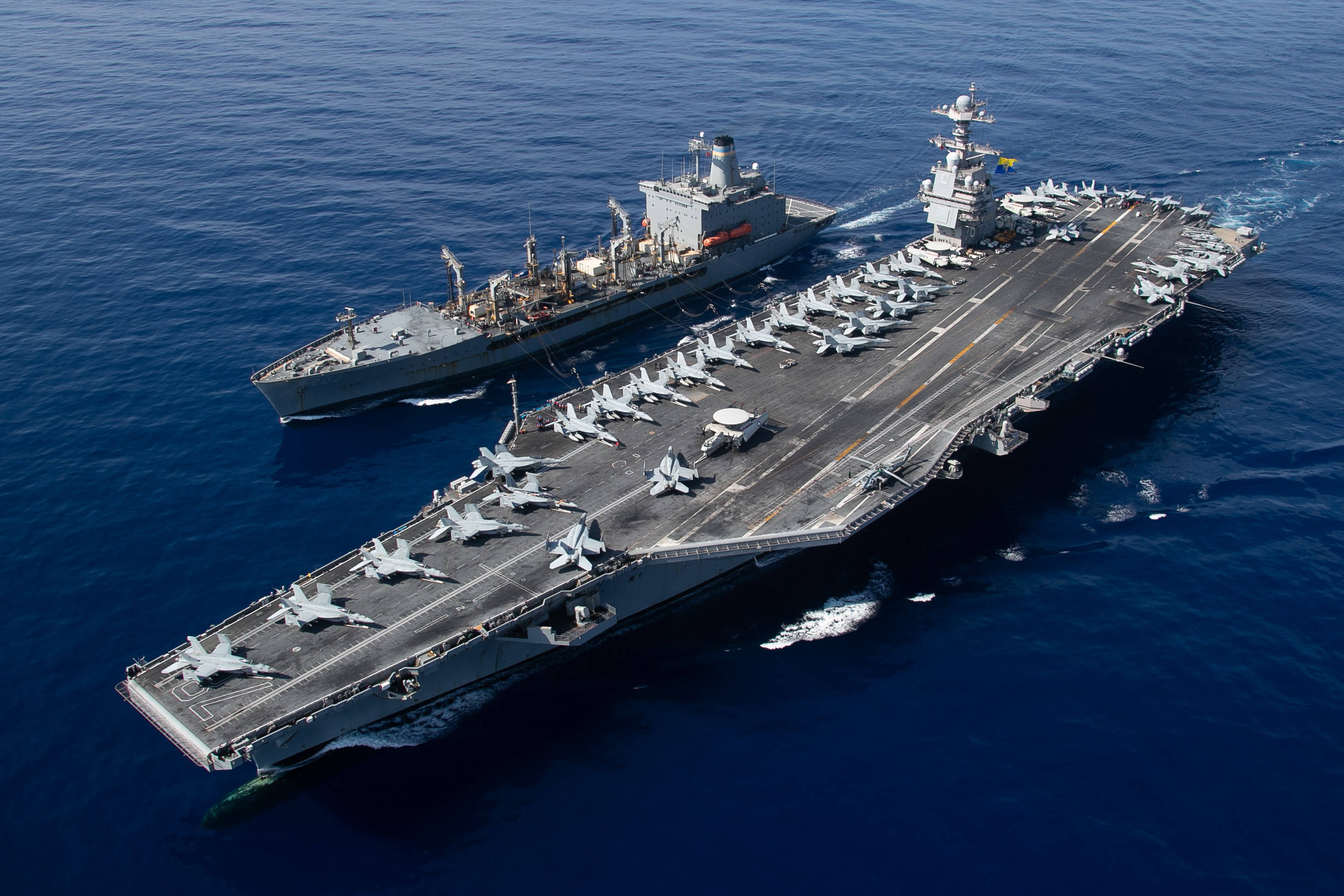
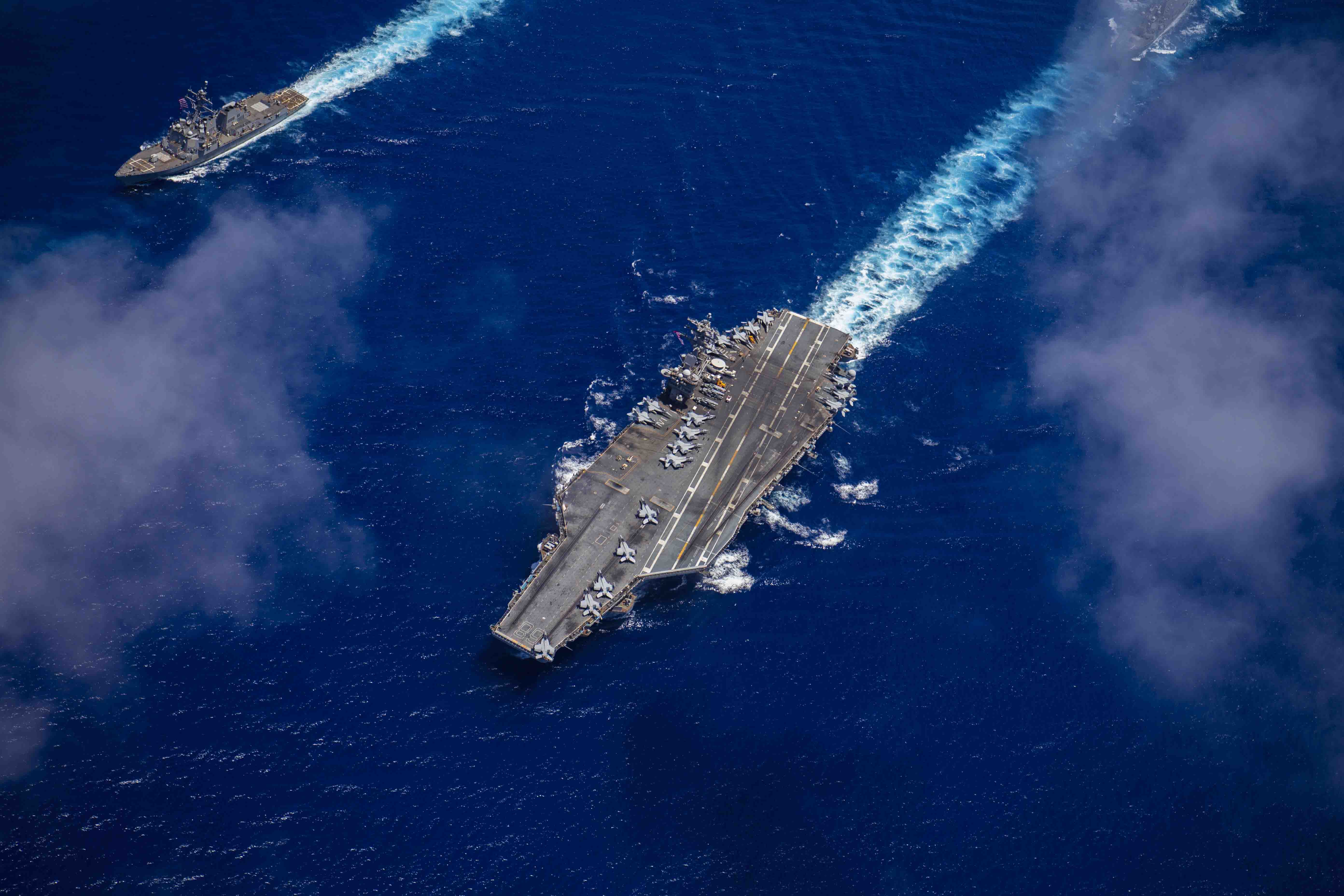
Although Navy leaders stopped short of naming the precise vessel for the first trial, all eyes are on the USS Gerald R. Ford. As the only active Ford-class carrier currently deployed, it is the prime candidate for this nuclear energy test.
The carrier recently wrapped up an impressive 322-day deployment that saw its strike group involved in Operation Epic Fury in the Middle East and multiple missions across Southern Command waters.
If successful, this project will mark a major milestone — proving that the raw nuclear output of a carrier can not only defend a nation but keep it running during a crisis.
It’s the kind of bold thinking and forward-leaning operational might that Secretary Pete Hegseth and the War Department have been calling for as America reclaims its military edge under President Trump’s renewed focus on readiness and capability.
During the same hearing, Cao emphasized that this innovation is more than a technical exercise — it’s a strategic game-changer.
“The possibilities generated by a nuclear-powered aircraft carrier could be used to fix military bases or supply fresh, potable water to drought-stricken places like California,” he said. That kind of flexibility not only boosts mission assurance but also cements American energy independence in times of crisis.
Chief of Naval Operations Admiral Daryl Caudle added that this effort aligns with the Navy’s long-term ambitions to establish a stronger role in the federal government’s small modular reactor (SMR) race. He was blunt in his testimony: “We need an overall programmatic champion for the SMR program.”
Caudle acknowledged that while the Army may oversee leadership for now, the Navy’s unrivaled expertise in reactor technology can’t be left out. “I see no world in which the Navy is not going to be part of that discussion,” he said.
The admiral pointed to the Navy’s decades of experience operating nuclear reactors safely and effectively as proof the sea service is up to the task.
“This isn’t the time for dithering,” Caudle warned, urging more urgency in establishing a pilot program with concrete timelines. For a fleet that has been running nuclear carriers for nearly 70 years without incident, the Navy’s credibility in this field is unquestionable.
The implications reach far beyond one Virginia base. If the Navy can demonstrate that mobile nuclear power can be deployed on demand anywhere U.S. forces operate, the result would be a major leap in national resilience.
In the future, aircraft carriers could deliver grid-level power to American territories, islands, or allied nations struck by disaster or cyberattack — ensuring the lights stay on when everything else fails.
This initiative also highlights a return to serious defense priorities after years of bureaucratic drift. With Trump rebuilding America’s strength and Hegseth steering the War Department toward operational dominance, the Navy’s nuclear program is once again being treated as what it truly is: a strategic weapon and a technological marvel.
By summer’s end, the eyes of the Pentagon and energy sector alike will be on Norfolk.
If the USS Gerald R. Ford successfully lights up an installation from the pier, it won’t just mark a scientific feat — it will signal a new chapter in U.S. military capability and energy independence that only a confident, Trump-era War Department would dare to attempt.
Join the Discussion
COMMENTS POLICY: We have no tolerance for messages of violence, racism, vulgarity, obscenity or other such discourteous behavior. Thank you for contributing to a respectful and useful online dialogue.