A fresh budget battle is brewing in Washington, and one senator is sounding the alarm loud enough for everyone on Capitol Hill to hear.
Sen. John Kennedy, R‑La., is warning that Democrats are steering the country toward yet another government shutdown as they dig in against President Donald Trump’s proposed surge in military funding for fiscal 2027.
The dispute centers on the National Defense Authorization Act, the annual legislation that sets policy and funding levels for America’s armed forces.
As the Senate Armed Services Committee grinds through its version of the bill, Kennedy made his view plain: the United States has a defense crisis, but Democrats would rather pour taxpayer cash into welfare programs than national security.
During a hearing before the Senate Appropriations Committee, Kennedy put the numbers on the table. President Trump’s proposal calls for a 42 percent increase in the Department of War’s budget.
Republicans are discussing a range between 20 and 27 percent, still a major boost—but Democrats, Kennedy said, are balking entirely.
Kennedy accused left‑leaning senators of privately plotting to shift Pentagon dollars into domestic entitlement programs. “They know that we can’t do that, and we’re not going to do that,” Kennedy declared.
“If nothing else, it would explode the deficit, and besides that, as they know, we don’t have a crisis in welfare like we have a crisis in defense.”

While emphasizing that he supports helping struggling Americans, Kennedy drove home the larger point—America faces serious, growing threats from China, North Korea, and Russia, and it’s reckless to shortchange the war budget in the name of political posturing.
In Kennedy’s view, the Democrat refusal to back Trump’s defense plan isn’t just ideological—it’s strategic. “That tells me that the Democrats have no intention of helping us pass a budget,” he warned.
“I also predict, if I’m wrong, I will apologize, that my friend Senator Schumer is going to shut down government tight as Dick’s hatband first chance he gets before the midterms.”
Kennedy, never short on vivid language, said his Democratic “friends” are playing politics at the expense of military readiness and the men and women who serve.
According to him, a shutdown is practically inevitable—it’s a game plan straight from the Schumer playbook, prioritizing election optics over national defense.

The potential consequences aren’t theoretical. Air Force Secretary Troy Meink testified that a shutdown without a continuing resolution would hit military readiness hard.
“A lot of the investments we’ve just been talking about to meet the threats, from unmanned vehicles as well as the increased readiness for weapon systems, as well as ammunition procurement—all that is substantially impacted if we stayed at $890 billion without a reconciliation or other mechanism,” Meink said.
That $890 billion figure reflects the fiscal 2026 authorization level for the Department of War, the National Nuclear Security Agency, and related agencies.
Running on those leftover allocations, Meink warned, would stall every effort to modernize weapon systems and keep fighter jets like the F‑35 combat‑ready.
Kennedy wasn’t moved by bureaucratic hedging; he flatly told Meink to prepare for a shutdown and brace for the political fallout.
“You’re going to hear a lot of happy talk from senators about how we need to spend more money on defense,” Kennedy said, “but I think a lot of my colleagues have no intention of voting for a budget under any circumstances.”
He then doubled down, accusing Senate leadership of scheming for chaos. “They want the government to be shut down, and I think Senator Schumer is going to accommodate them,” he added.
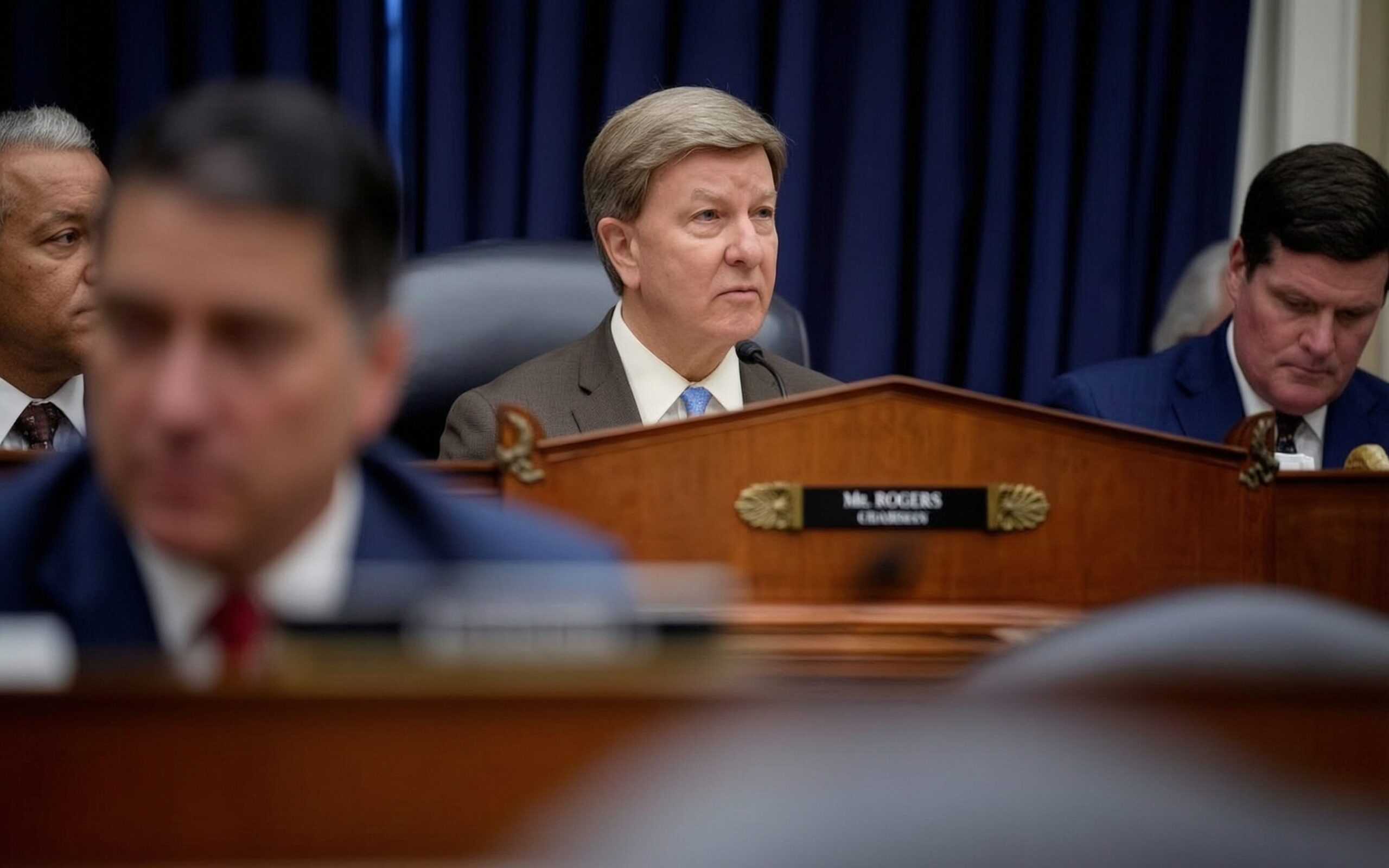
His prediction carries some weight—during Trump’s second administration, there have already been two shutdowns, one lasting a record 43 days in 2025 and another partial shutdown stretching 76 days in 2026.
Meanwhile, the House Armed Services Committee has already passed its version of the defense bill, setting an ambitious $1.15 trillion for the Department of War after Democrats failed in their bid to slice $150 billion.
The full House is expected to vote on it in July. The Senate’s version, however, remains behind closed doors—another sign that the chamber’s Democratic leadership may be maneuvering for delay.
This year’s fight is more than just a numbers game. It’s a standoff between those who believe in peace through strength and those who think peace can be bought with more social programs.
Kennedy’s warning rings clear: without a hard line in the budget room, America’s deterrent power erodes while adversaries like Beijing and Pyongyang cheer.
As the debate drags on, the men and women in uniform—who don’t get to stall readiness while Washington postures—are the ones staring down the cost of political theater.
Kennedy’s message to the swamp was simple and unmistakable: fund the military, protect the nation, and stop gambling with America’s security for midterm sound bites.
Are you feeling overwhelmed or hopeless right now? Have you been withdrawing from people or activities you usually enjoy? Are you having thoughts about hurting yourself, or feeling like things will never improve?
You do not have to handle those feelings alone. Support is available, and talking to someone can make a difference. You can reach out to the 988 Suicide & Crisis Lifeline by calling or texting 988, or by chatting online at 988lifeline.org. Trained counselors are available 24 hours a day to listen and help.
If you believe someone is in immediate danger, call emergency services right away. Even a small step, like reaching out to a trusted friend, family member, or professional, can help create a path forward.
Join the Discussion
COMMENTS POLICY: We have no tolerance for messages of violence, racism, vulgarity, obscenity or other such discourteous behavior. Thank you for contributing to a respectful and useful online dialogue.