In a move reshaping the Middle East chessboard, President Donald Trump has signed a 14-point memorandum of understanding with Iran establishing a 60-day ceasefire, reopening the Strait of Hormuz, and outlining up to $300 billion in potential reconstruction incentives for the Islamic Republic.
The accord, inked electronically by President Trump and Vice President JD Vance, marks the most daring high-stakes diplomatic engagement between Washington and Tehran in decades.
The signing, conducted ahead of a formal ceremony expected in Switzerland, also reflects the new administration’s willingness to negotiate from a position of strength while keeping the threat of overwhelming military response on the table.
“If they don’t behave, we’ll go right back to dropping bombs right smack in the middle of their head,” President Trump told reporters at the Group of Seven summit in France, a clear warning to Tehran that peace comes only with good behavior.
MORE NEWS: Pentagon Confirms First Military Execution in Over 60 Years Will Be Publicly Livestreamed
The agreement—referred to as the “Islamabad Memorandum of Understanding”—commits both nations to immediately halt military operations and hold to strict non-aggression terms.
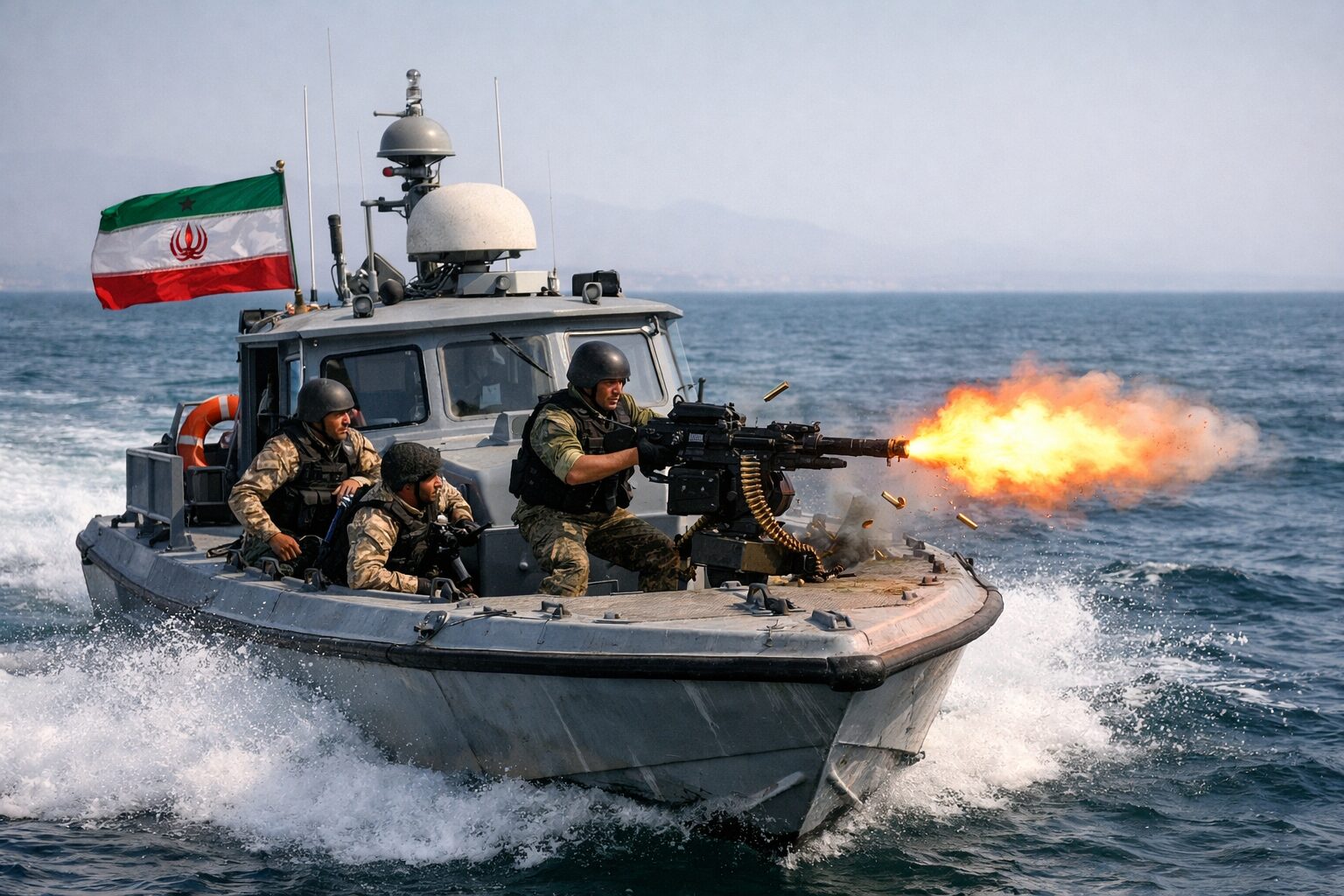
It also calls for a full reopening of maritime traffic through the Strait of Hormuz, the critical global oil chokepoint that Iran has periodically threatened to close.
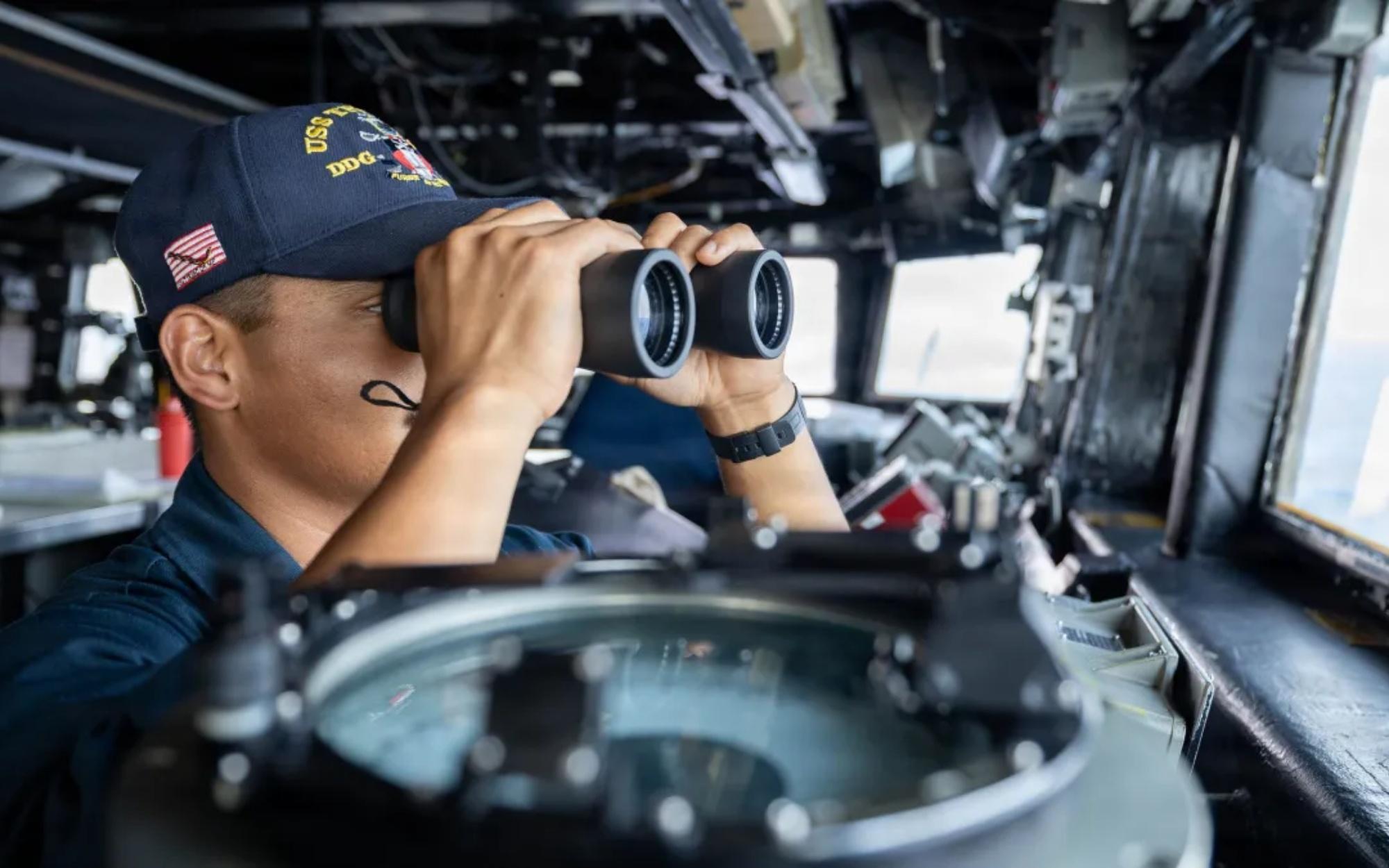
Under the terms of the document, the U.S. will begin removing its naval blockade and other “impediments” against Iran within 30 days.

In return, Iran will ensure safe passage for commercial vessels, promising 60 days of toll-free maritime traffic while working with Oman and other Gulf states to establish a longer-term governance framework for the strait.
The MOU also lays the groundwork for a massive economic reconstruction initiative funded by $300 billion in combined regional and international investment.
The proposal is clearly designed to incentivize Tehran to comply with negotiations, rebuild its shattered economy, and reduce its reliance on hostile state sponsorship and terror financing networks.
As part of the agreement, the U.S. has committed to lifting all sanctions—both unilateral and multilateral—if a final deal is reached within 60 days.
The memorandum also specifies that all frozen or restricted Iranian funds and assets will be released for use by Tehran, pending oversight procedures established during negotiations.
Iran, for its part, reaffirmed that it “shall not procure or develop nuclear weapons” and agreed to work with international inspectors on neutralizing its enriched uranium stockpiles through supervised down-blending on Iranian soil.
The two nations also agreed to immediately begin discussions on peaceful nuclear energy needs within an established oversight mechanism.
Still, the most difficult issues remain unresolved. The question of Iran’s ballistic missile program, its regional proxy militias, and the long-term verification of its nuclear activities will be tabled for the final round of talks.
Those talks are to conclude within the 60-day window—though extensions are possible if both sides agree.
American officials close to the discussions told reporters that Vice President JD Vance, a strong advocate of peace through strength, will lead the American delegation in the coming negotiations.
He will be joined by special envoy Steve Witkoff and Jared Kushner, bringing a balance of diplomatic, business, and political expertise to the table.
The accord also contains a strict compliance enforcement framework. Both nations agreed to establish a joint "executive mechanism" responsible for verifying the implementation of the deal and ensuring adherence to every major provision.
The United Nations Security Council will ultimately endorse the final agreement through a binding resolution.
Behind the scenes, Pentagon insiders view the MOU as part of a broader strategic maneuver.
With the Taliban eliminated, the Houthis neutralized, and Israel stabilizing northern fronts, the administration is seeking to lock in a sustainable peace, freeze Iranian escalation, restore Gulf navigation, and leverage economic incentives to drain Iran’s rogue funding networks.
Critics on the left immediately accused President Trump of “appeasing Tehran,” but the hard language built into the MOU tells a different story.
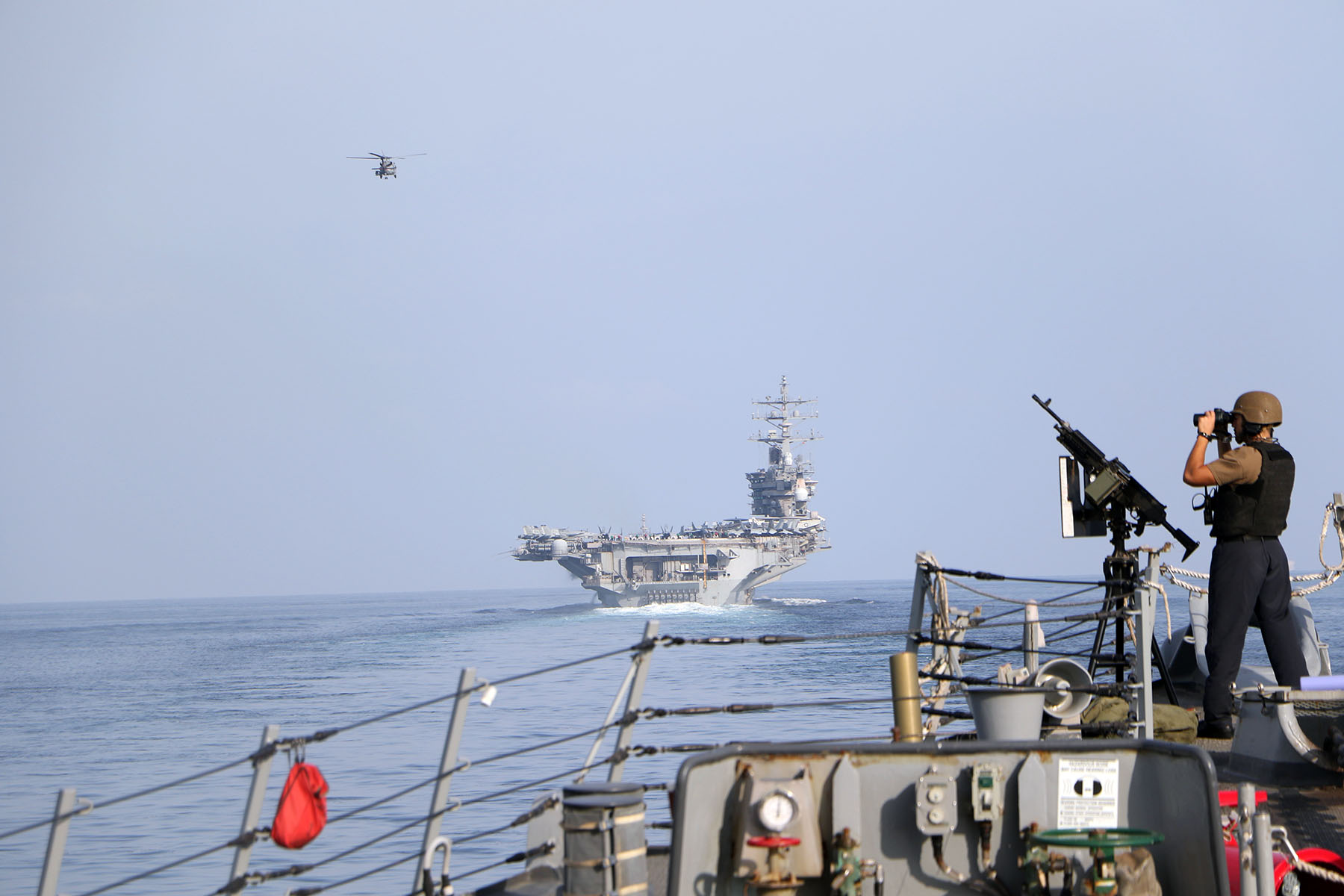
The deal gives Washington total leverage—should Iran violate its commitments, American forces will be fully authorized to resume military operations without delay.
Supporters argue that this exact blend of reward and deterrence typifies Trump’s foreign policy. Similar to his approach with North Korea, the message is clear: engage if you behave, face destruction if you cheat.
For decades, U.S. leaders have offered Iran concessions for nothing in return; this time, Trump has bet that a combination of pressure and opportunity will force change from within.
War Secretary Pete Hegseth has praised the accord’s balance of power and restraint, telling reporters, “Peace is good—but peace only lasts when it’s enforced by overwhelming strength. This memorandum sets that standard.”
For Iran, the opening is both an opportunity and a test. For the United States, it’s a strategic challenge to consolidate victory after years of regional conflict.
Either way, American warfighters and taxpayers can expect a future where stability is enforced not by weakness, but by an unflinching readiness to act.
If Tehran honors its word, the Middle East could see its first genuine ceasefire in decades.
If it doesn’t, President Trump has already made clear where America stands—ready, armed, and unwilling to be played twice.
Join the Discussion
COMMENTS POLICY: We have no tolerance for messages of violence, racism, vulgarity, obscenity or other such discourteous behavior. Thank you for contributing to a respectful and useful online dialogue.