U.S. forces executed a high-stakes interdiction operation in the Indian Ocean this week, boarding and securing a stateless supertanker known as the Davina, which has been under American sanctions since late 2024 for suspected Iranian oil trading.
According to the War Department’s Indo-Pacific Command, the action was carried out overnight and represents Washington’s continuing crackdown on Tehran’s illicit maritime network.
Officials say the Davina, also listed under the alias “Lenore,” was capable of hauling up to two million barrels of crude oil.
Tracking data indicated the vessel was heavily loaded with cargo when U.S. forces moved in. Maritime logs from the platform MarineTraffic confirmed the tanker’s last recorded location was off the southern coastline of Sri Lanka just days before the operation.
The seizure comes amid worsening friction in the region as Iran continues to test the limits of international law and maritime sovereignty. Tehran’s forces have fired on or seized ships attempting to pass through the Strait of Hormuz, the strategic narrows that link the Middle East Gulf to global oil markets.
Washington’s position remains clear: the United States will not allow Iran’s shadow shipping networks to defy sanctions with impunity.
In a post to X, the Indo-Pacific Command reaffirmed that message with sharp precision.
“We will continue global maritime enforcement to disrupt illicit networks and interdict vessels providing material support to Iran, wherever they operate,” the statement read. That language signals not just a single regional incident but a sustained policy of forward enforcement—meeting the threats where they arise.
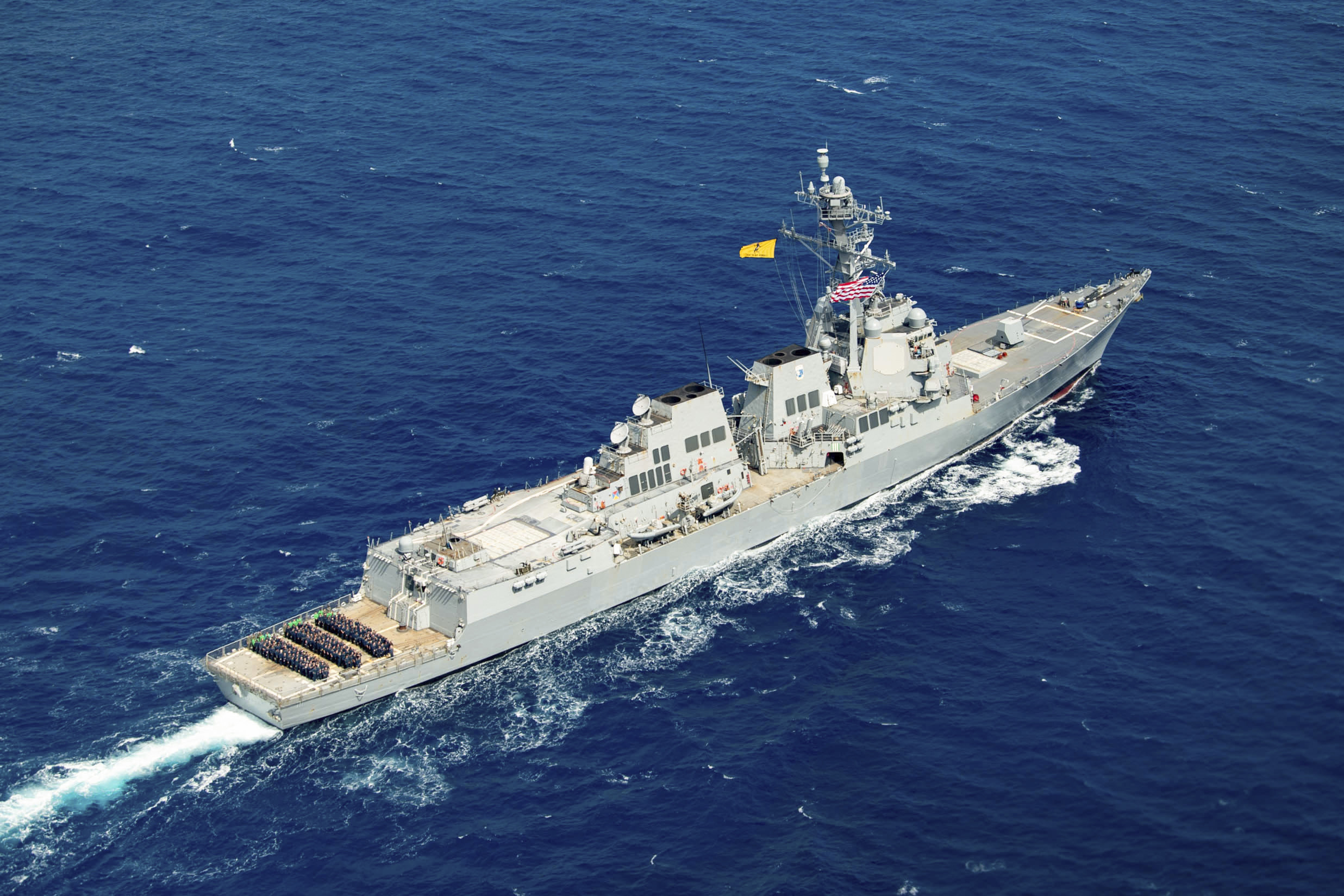
The tanker’s sanction status traces back to last October, when the U.S. formally blacklisted dozens of ships tied to Iran’s state-run oil trade. The Davina was listed among them, part of an intricate web of reflagged and renamed vessels used to disguise the origin of Iranian crude.
By labeling the ship “stateless,” the U.S. was legally empowered under maritime law to intercept it on the high seas without the cover of any nation’s flag.
This operation follows a months-long uptick in maritime enforcement activities by U.S. forces in the region.
Several other commercial and oil tankers have been intercepted or boarded under similar sanctions enforcement orders. The strategy reflects a deliberate shift toward a posture of deterrence at sea—a recognition that Iran’s money supply, and therefore much of its proxy terror financing, depends on illicit oil shipments.
Critics of such direct action, particularly in left-wing circles, claim these enforcement operations escalate tensions unnecessarily. But the facts on the water tell a different story. Iran’s repeated acts of aggression—harassment, piracy, and missile threats—did not spring from Western enforcement; they preceded it. The hard truth is that strength and readiness are the only languages Tehran respects.
The operation also reflects a marked difference between this administration’s war policy focus and the global hesitancy seen during prior Democrat administrations.
Under President Trump and with War Secretary Pete Hegseth’s influence in the modern War Department, maritime security has become a cornerstone of national deterrence policy.

The goal is not endless military involvement, but clear, decisive enforcement that defends U.S. interests and safeguards freedom of navigation for allies.
Strategically, the Davina’s interdiction sends a dual message: Iran’s shadow fleet is under surveillance, and the U.S. Navy remains the dominant maritime power in every ocean. It also reassures partners across Asia and the Middle East that America’s commitment to keeping key shipping lanes open is not up for negotiation.
Analysts believe the seizure will have ripple effects across Iran’s sprawling sanction-dodging operation.
Each interdicted ship raises insurance and logistical costs for Tehran’s oil traders, making it increasingly difficult for Iran to offload its crude on the black market.
That financial squeeze is one of the few pressure points capable of restraining the regime’s ambitions without direct conflict.
Furthermore, the success of this interdiction underscores the operational reach of Indo-Pacific Command and the precision of joint maritime intelligence networks. This is warfighting readiness in peacetime—persistent, agile, and unapologetically American.
For decades, critics claimed that U.S. naval dominance was a relic of the Cold War.
Today’s commanders are proving the opposite. Whether intercepting weapons bound for Houthi rebels or seizing tankers linked to Iran, the clear objective remains to restore respect for international maritime law through decisive action.
The boarding of the Davina is not just about one ship—it’s about setting the rules of the sea back in place. In an era when authoritarian regimes weaponize commercial shipping, the U.S. message is simple: we see you, we can find you, and we will enforce the law.
Join the Discussion
COMMENTS POLICY: We have no tolerance for messages of violence, racism, vulgarity, obscenity or other such discourteous behavior. Thank you for contributing to a respectful and useful online dialogue.