The U.S. military is seeking cultural and political advisors to bolster operations in Somalia, a clear signal that Washington is trying to re-anchor its presence in a region increasingly defined by instability, extremism, and dwindling intelligence visibility.
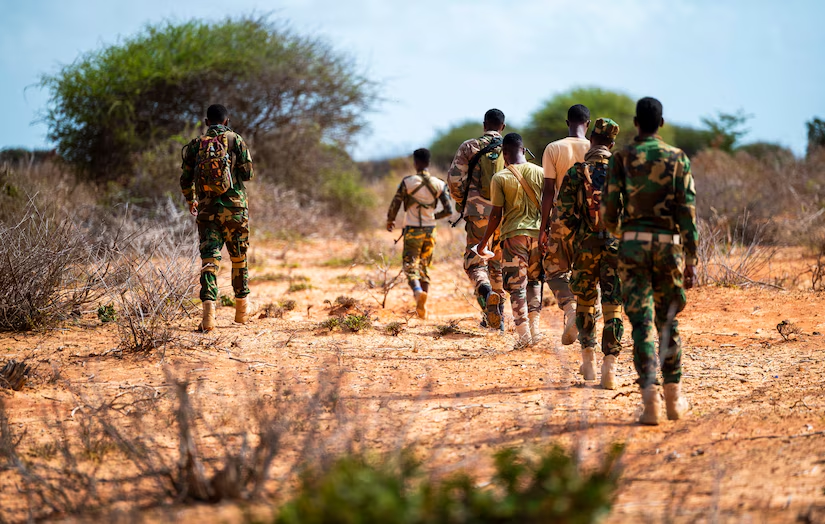
According to a federal notice posted in late May, the Joint Special Operations Task Force-Somalia (JSOTF-SOM) is hiring three contractors who will advise troops on Somali politics, tribal dynamics, and cultural customs.
It’s a targeted effort to bridge the growing intelligence and cultural gap that has widened during years of U.S. drawdowns across Africa.
The advisors will not be ordinary contractors. They’ll need Top Secret clearances, and their mission will stretch beyond Mogadishu’s fortified compound into austere environments across Somalia, Djibouti, and Kenya.
Here's What They're Not Telling You About Your Retirement
Those posting for the job are warned of personal risk, yet the implication is obvious—America is plugging serious intelligence holes that emerged after a decade of strategic neglect.
The move comes as the War Department continues to recalibrate its approach to African operations following years of troop reductions. U.S. Africa Command (AFRICOM) has seen its footprint slashed by nearly 75% over the past decade.
Gen. Dagvin Anderson, who commands the effort, bluntly described the result before Congress as “an intelligence black hole.”
That’s not hyperbole. Fewer boots on the ground combined with reduced local coordination have created blind spots across the continent.
This Could Be the Most Important Video Gun Owners Watch All Year
Anderson’s testimony warned that terrorist groups like ISIS and al Shabab still possess both intent and capability to target American interests abroad—and potentially at home.
President Donald Trump, not one to play defense when it comes to national security, recently confirmed ordering the strike that killed Abu-Bilal al-Minuki, ISIS’s second-in-command, in the Lake Chad Basin earlier this year.
The operation reinforced Trump’s no-nonsense approach to counterterrorism—seek, strike, and eliminate threats wherever they hide.
MORE NEWS: U.S. Forces Blast Defiant Cargo Ship with Hellfire Missile After Ignoring Blockade Orders
While the Lake Chad operation occurred far from Somalia’s limits, the mission highlighted a broader truth: Africa remains a live front in the global war on terror.
Somalia, in particular, continues to serve as a breeding ground for extremism with both ISIS and the al-Qaeda-linked al Shabab group vying for control.
The Africa Center for Strategic Studies has repeatedly flagged the region as one of the world’s most dangerous for insurgent activity.
In 2025 alone, U.S. forces carried out 124 strikes inside Somalia targeting militants, a staggering jump from just 10 the previous year. Even with fewer troops in the field, Washington’s airpower has surged, signaling that the U.S. is far from retreating.
If anything, this combination of kinetic force and cultural intelligence gathering suggests a more surgical, data-driven strategy emerging under a refocus on combat effectiveness.
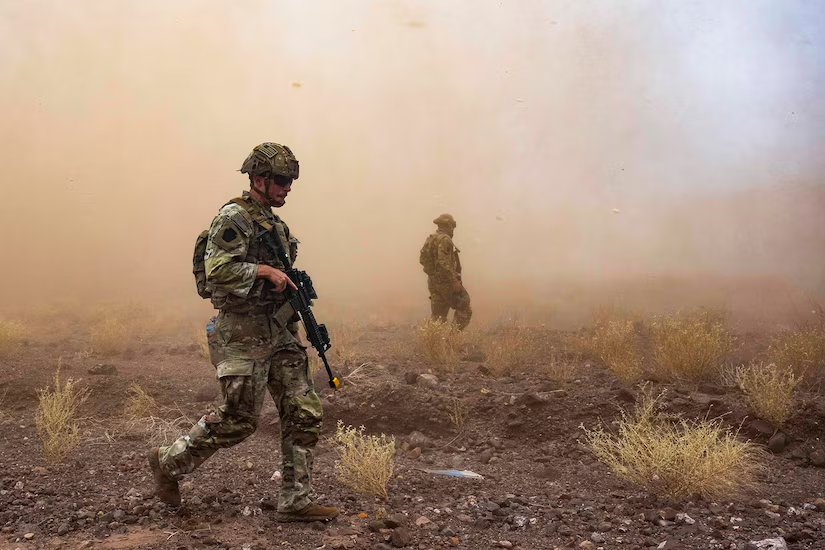
These newly sought-after advisors aren’t meant to teach American soldiers about Somali folklore. Their real purpose is far more tactical—decode the alliances, tribal rivalries, and political undercurrents that extremists exploit to hide and recruit. Every successful special operations campaign depends not just on ordinance, but on understanding.
Knowing which tribes support who, which local governments command legitimacy, and which cultural lines can be crossed—or must never be—can mean the difference between operational success and disaster.
As U.S. forces adapt to leaner conditions in Africa, the importance of these advisors cannot be overstated. With intelligence shortfalls threatening to blind frontline operators, the Pentagon’s decision to re-engage locally, however modestly, could reenergize coordination with African partners and deter renewed terrorist momentum.
Critics may argue that American involvement in Somalia hasn’t yielded much in two decades.
That misses the point. Counterterrorism is not a one-and-done affair; it’s a sustained act of vigilance. The alternative—abandoning key ground to al Shabab and ISIS—isn’t containment, it’s surrender.
Secretary of War Pete Hegseth has long warned that disengagement from hot zones like the Horn of Africa only emboldens America’s enemies and undermines hard-won security gains.
Contractors heading into this mission have a tough job ahead. They’ll be called upon to navigate complex cultural landscapes for operators conducting precision raids, intelligence gathering, and local outreach.
Their work will underpin future operations in East Africa and could determine how effectively U.S. command reestablishes situational awareness on the continent.
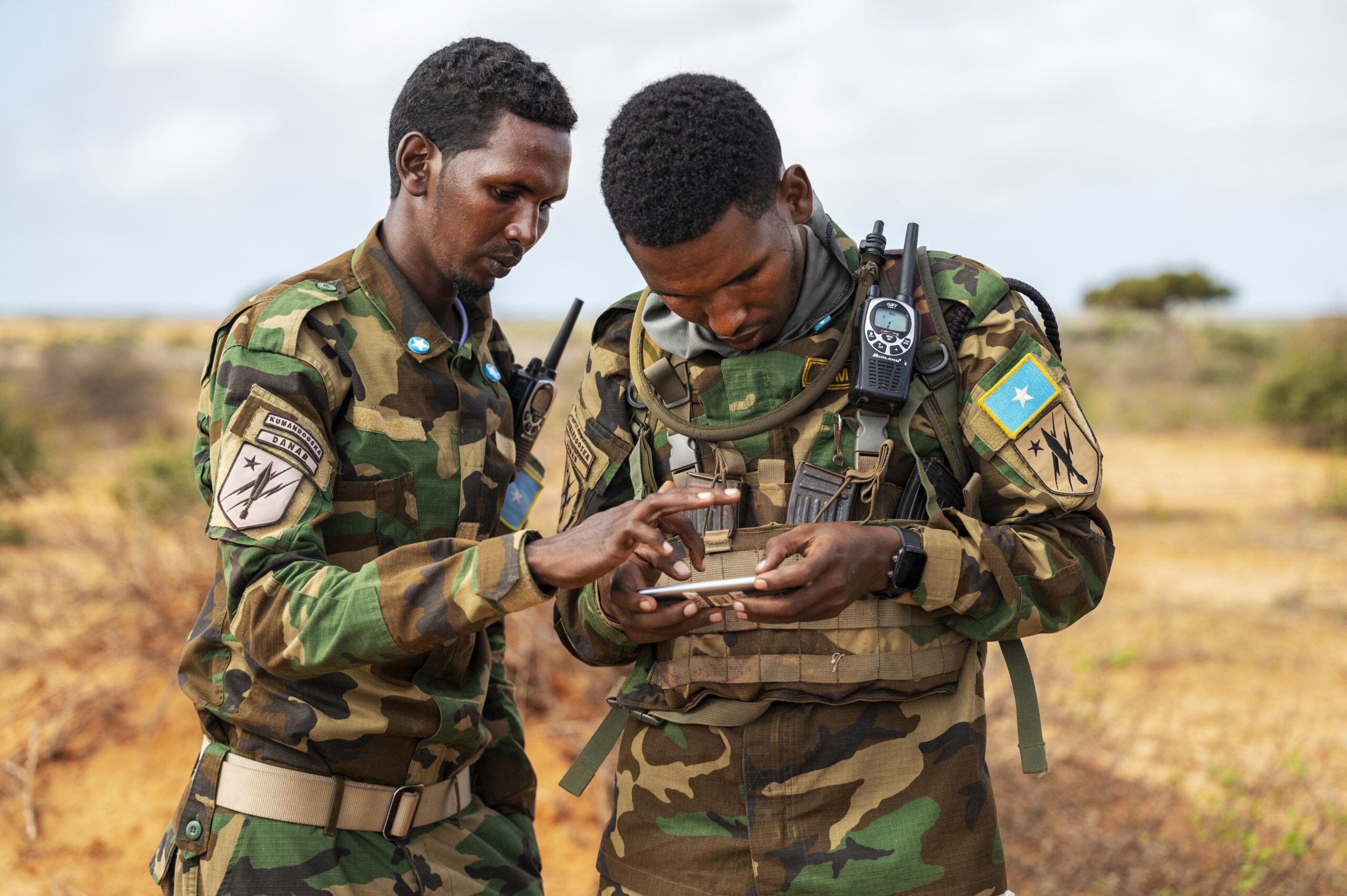
The new advisory program begins this September, symbolizing more than a hiring effort. It’s a strategic correction—a recognition that America must not only strike hard but also understand deeply. In a world of asymmetric threats, both guns and brains are needed to win.
For now, Somalia remains both a proving ground and a warning. The U.S. military’s hunt for cultural advisors is not just about diplomacy—it’s about survival in one of the world’s most volatile regions.
Join the Discussion
COMMENTS POLICY: We have no tolerance for messages of violence, racism, vulgarity, obscenity or other such discourteous behavior. Thank you for contributing to a respectful and useful online dialogue.