Average annual disability compensation paid by the Department of Veterans Affairs has climbed sharply since 2010, even as the overall number of living American veterans has fallen, according to a new study that puts hard numbers behind a major shift in federal veterans benefits.
The analysis found that average yearly VA disability payments rose nearly 40% over 14 years, increasing from $17,286 in 2010 to $24,057 in 2024.
Researchers at the VA Palo Alto Health Care System and Stanford University School of Medicine reviewed VA disability compensation and Social Security Disability Insurance payments to veterans across that period.
They also found that the share of U.S. veterans receiving VA disability compensation more than doubled, rising from 9% in 2010 to 22% in 2024.
That is a major change in the veterans benefits landscape, especially at a time when Washington loves to pretend money moves by magic until taxpayers ask for receipts.
The study points to several likely reasons for the increase, including the heavy deployment tempo faced by post 9/11 veterans and the higher chance of serious service connected illnesses and injuries tied to those wars.
Researchers also noted that improved battlefield medicine and trauma care helped more troops survive severe combat wounds in Iraq and Afghanistan.
At the same time, VA policy changes expanded eligibility and made it easier for more veterans to receive benefits, a reality that has reshaped the system in both cost and reach.
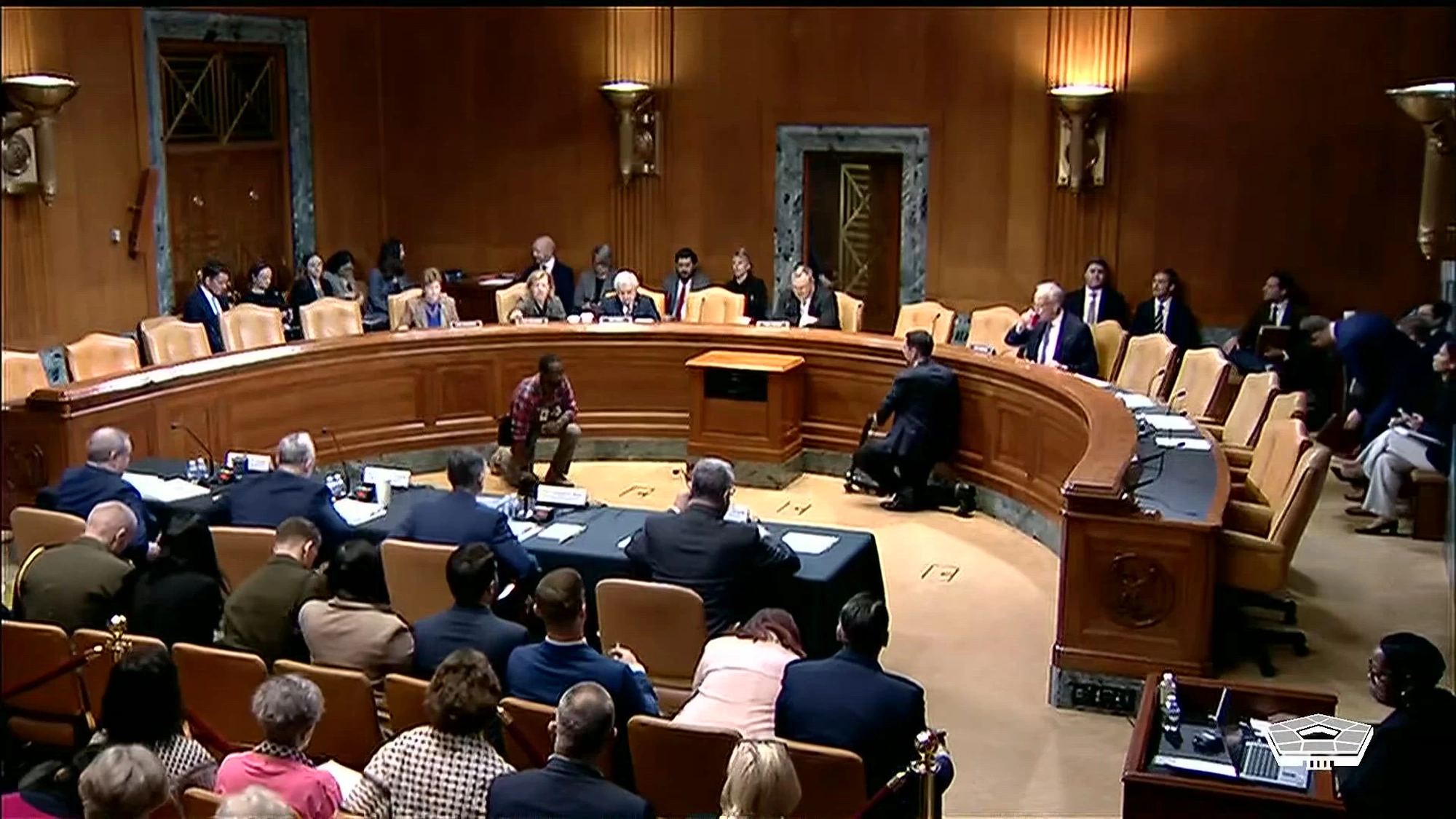
While VA disability payments moved upward, Social Security Disability Insurance payments to veterans remained comparatively steady over the same span.
The study found that annual SSDI payments averaged around $19,550, and veterans can qualify for those payments when a medical condition limits their ability to work.
The findings were published Thursday in JAMA Network Open and also highlighted differences in which veterans were more likely to receive each type of disability support.
College educated, married, and younger veterans were more likely to receive VA compensation, while older veterans with disabilities not tied to military service were more likely to receive SSDI.
The authors suggested that the VA claims process itself may influence who gets benefits and who does not.
They described the process as involving “administrative hurdles,” and said those challenges, combined with the pull of VA education benefits, may favor veterans who are better equipped to navigate the bureaucracy.
That is not exactly a shock to anyone who has ever dealt with federal paperwork, where patience, persistence, and a tolerance for alphabet soup can matter almost as much as the underlying claim.
Still, the numbers raise important questions for policymakers, veterans advocates, and officials responsible for keeping the system both fair and sustainable.
The growth in VA disability payments comes as the total U.S. veteran population has dropped substantially.
In 2010, the United States had about 22 million veterans, but by 2024 that figure had fallen to 15.8 million.
So the country has fewer veterans overall, but a much larger share of them are receiving VA disability compensation, and the average payment has increased significantly.
That combination is certain to fuel future debates over program structure, eligibility, claims processing, and the long term cost of caring for men and women who served.
The researchers described their work as “descriptive” and stopped short of drawing sweeping conclusions.
“These findings can inform policy discussions about optimal fiscal payments and program structures needed to achieve and streamline federal programmatic goals, while underscoring the need to reduce growing disability burden among veterans and to ensure ease of benefits navigation,” they wrote.
The authors did not respond to a request for an interview before publication, according to the report.
Their silence leaves the data to speak for itself, and the data shows a benefits system that has grown more expensive, more widely used, and more central to the lives of American veterans.
For a nation that sent troops into two long wars after 9/11, the rising disability burden is not some abstract budget line.
It is part of the bill that comes due after years of combat deployments, traumatic injuries, toxic exposures, and a federal system that often manages to be both essential and maddening at the same time.
MORE NEWS: U.S. Keeps Close Watch on Chinese Marine Presence off Alaska, Arctic Coast Guard Chief Says
The policy challenge now is straightforward, even if Washington will no doubt find a way to make it complicated.
Veterans with legitimate service connected conditions should get the support they earned, while the system must be simple enough to navigate and disciplined enough to protect public trust.
Are you feeling overwhelmed or hopeless right now? Have you been withdrawing from people or activities you usually enjoy? Are you having thoughts about hurting yourself, or feeling like things will never improve?
You do not have to handle those feelings alone. Support is available, and talking to someone can make a difference. You can reach out to the 988 Suicide & Crisis Lifeline by calling or texting 988, or by chatting online at 988lifeline.org. Trained counselors are available 24 hours a day to listen and help.
If you believe someone is in immediate danger, call emergency services right away. Even a small step, like reaching out to a trusted friend, family member, or professional, can help create a path forward.
Join the Discussion
COMMENTS POLICY: We have no tolerance for messages of violence, racism, vulgarity, obscenity or other such discourteous behavior. Thank you for contributing to a respectful and useful online dialogue.