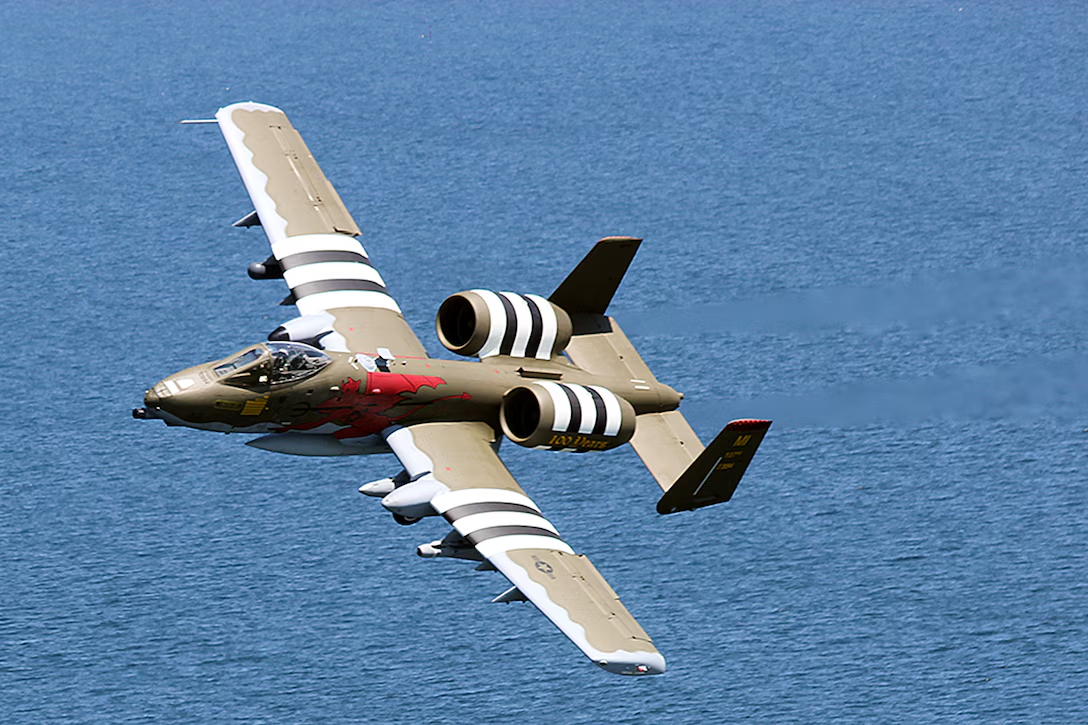
Congress isn’t finished fighting for the A-10 Thunderbolt II — the iconic Warthog — and this time, lawmakers are blowing the whistle on the Air Force’s long-running plan to scrap a plane that’s saved more American troops than bureaucrats in the Pentagon have likely ever flown with.
This week, Rep. Abe Hamadeh of Arizona introduced the BRRRRT Act, a bill aimed squarely at halting the Air Force’s big-budget push to retire its A-10 fleet.
The legislation, officially titled the Bolstering Recognition, Resurgence, Retention, and Remembrance of the Thunderbolt Act, demands that the Air Force keep at least 126 fully operational Warthogs ready for battle — a major jump from the 103-plane floor currently mandated by Congress.
The name “BRRRRT” pays homage to the thunderous growl of the A-10’s 30mm GAU‑8 cannon, a sound that has become music to friendly troops on the ground and a nightmare for America’s enemies.
The bill’s message is simple: stop killing off a proven warfighter before a legitimate replacement exists.
“This plane has repeatedly proven itself on the battlefield, saving American lives and delivering unmatched close air support when our troops need it most,” Hamadeh said after filing the bill.
“The BRRRRT Act ensures we do not retire a proven weapons system before a certified replacement exists.”
Hamadeh’s effort is bipartisan — a rare thing in Washington these days. Joining him is Rep. Don Davis of North Carolina, a Democrat who happens to share Hamadeh’s views on the Air Force’s aggressive attempts to push the Warthog into early retirement.
Both lawmakers sit on the Armed Services subcommittee that shapes America’s fighter force structure.
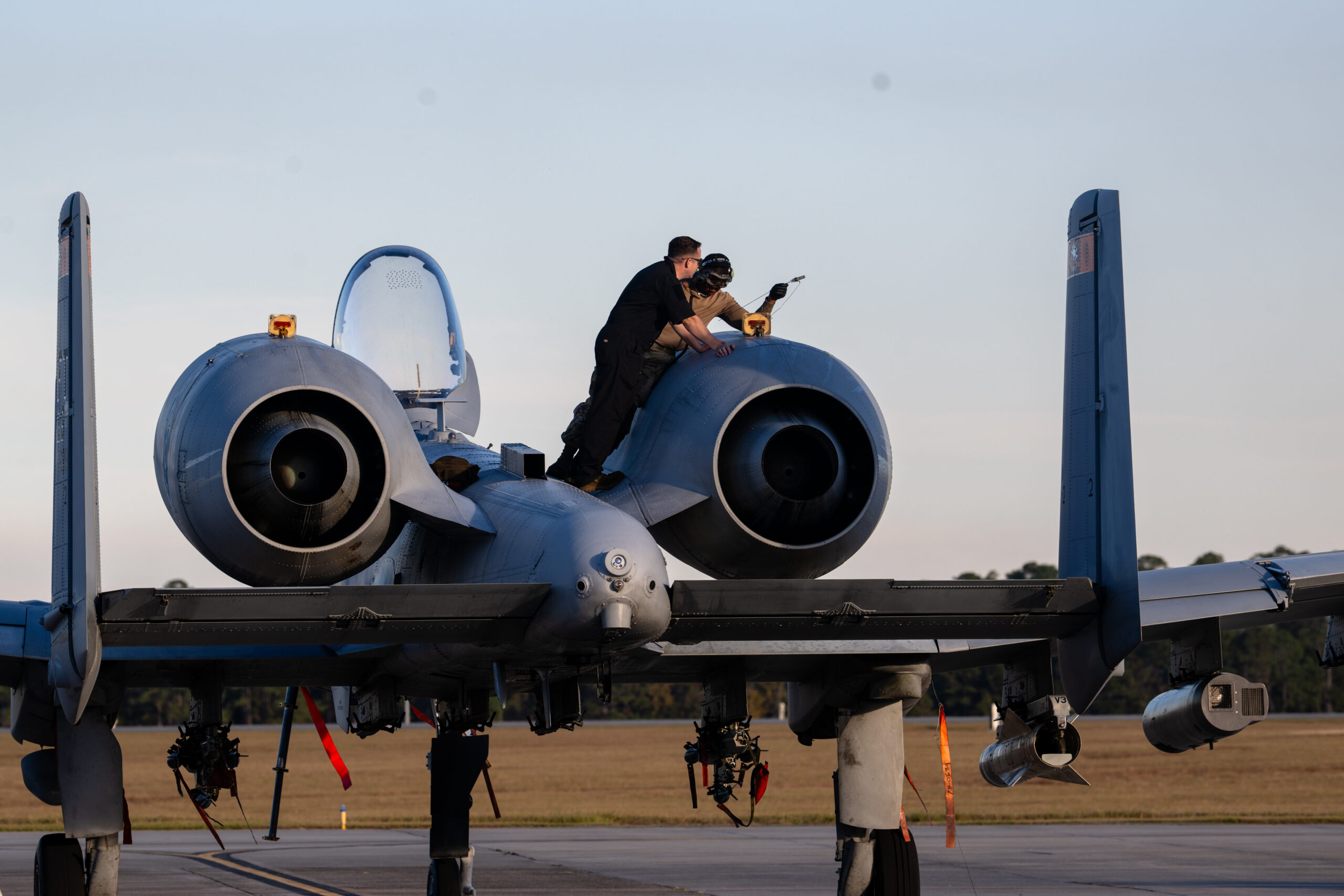
The new bill doesn’t just tell the Air Force to keep the A-10s flying; it orders the service to reverse the hollowing out of the Warthog’s critical ecosystem. That includes reactivating maintenance depots, restoring pilot training pipelines, and keeping the weapons school active.
Years of bureaucratic “planning for divestment” have already shuttered the depot line at Hill Air Force Base in Utah. The final class of new A-10 pilots graduated this spring, and the elite Weapons School course at Nellis Air Force Base is now winding down.
All of that would have to be restarted under the BRRRRT Act. The Air Force would have just 90 days after the bill’s passage to lay out exactly how it intends to bring the Warthog’s training, sustainment, depot maintenance, and test operations back online.
That means reopening facilities, hiring back mechanics and instructors, and pulling aircraft back from the boneyard at Davis‑Monthan Air Force Base in Arizona.
For years, the Air Force has justified phasing out the A-10 by claiming that newer aircraft like the F‑35, F‑15E, or even the F‑16 can perform its close air support and rescue roles.
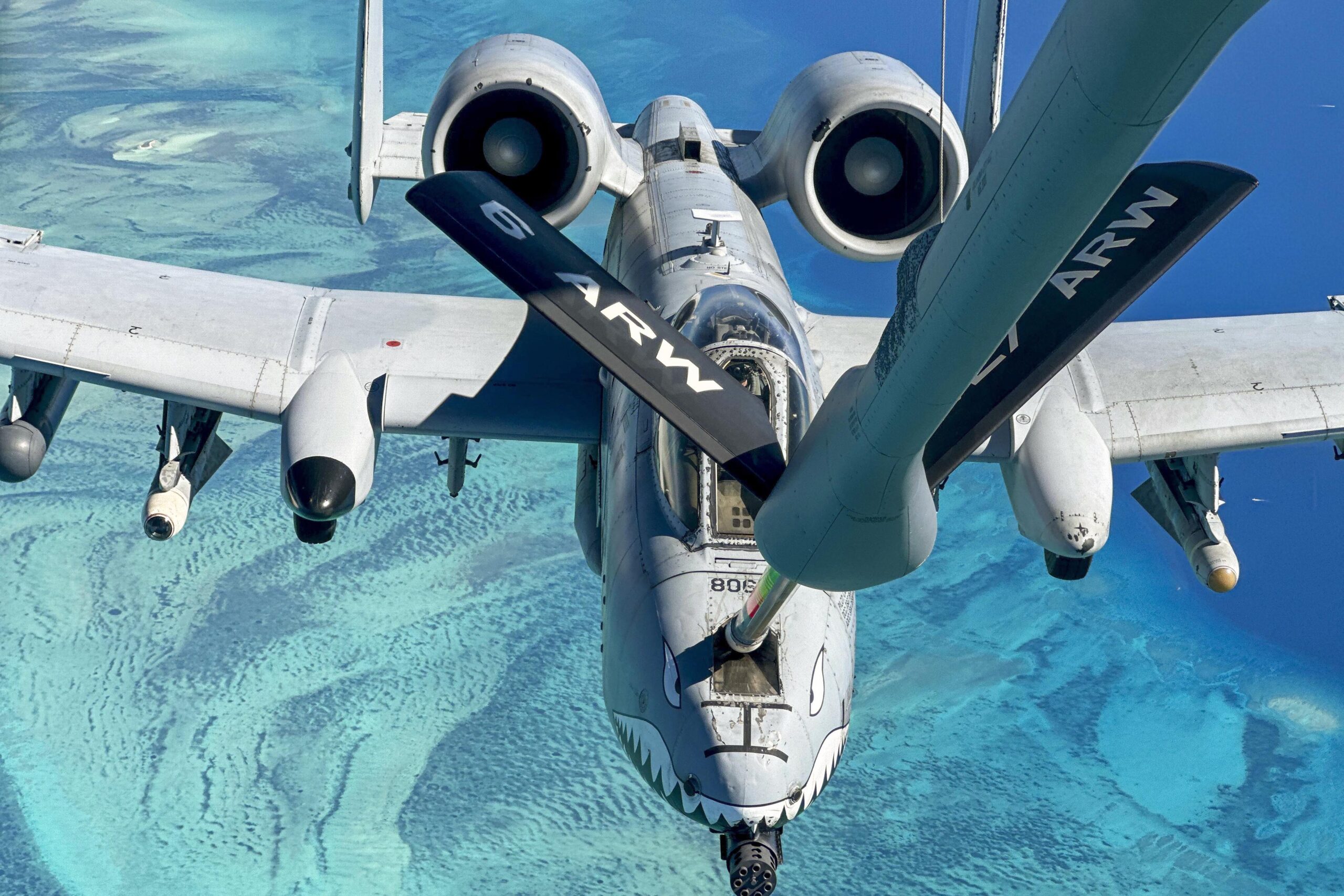
But the people actually doing the fighting — the troops who depend on the Warthog’s precision firepower — know better. None of those replacements can loiter over the battlefield, soak up damage, and deliver devastating low-level fire like the A‑10.
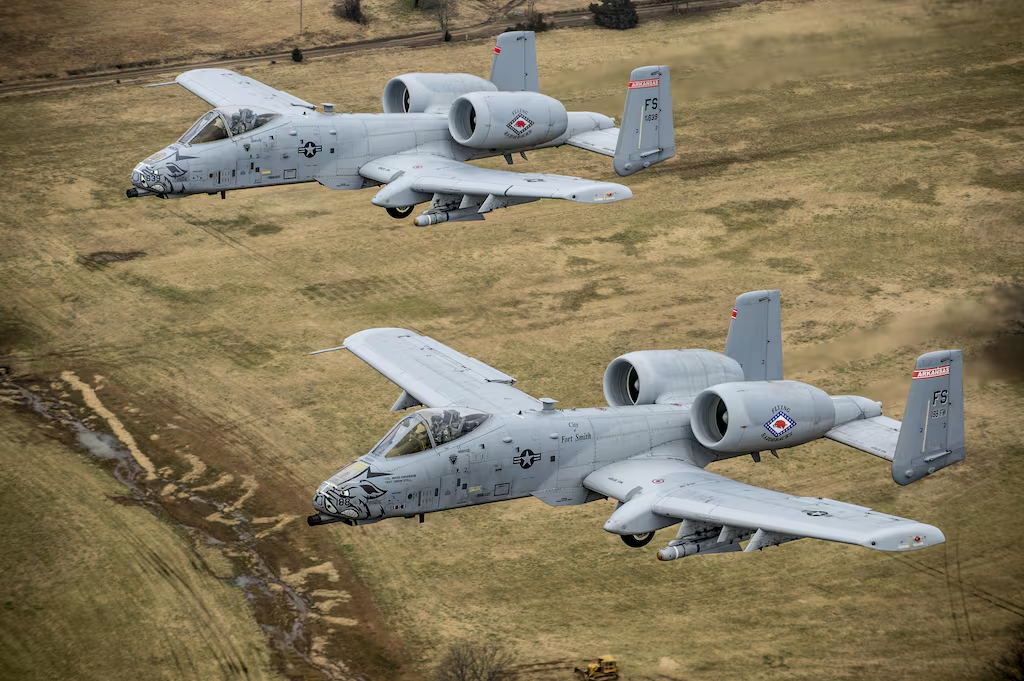
The service currently has 162 A‑10s, and it’s been working toward full retirement. Congress has repeatedly said no, setting a bare‑minimum floor for keeping the fleet airborne.
But the Air Force has refused to take the hint, continuing to dismantle its A‑10 infrastructure piece by piece, hoping to make the program unsustainable.
Now, Hamadeh’s bill adds some steel to the spine of oversight. It would make it much harder for the Air Force to retire even a single Warthog without ironclad certification from multiple military leaders.
Before any more jets could be taken offline, the War Secretary would have to certify — in writing — that a fielded, fully operational replacement platform is already in service. That certification must also be endorsed by the Army Secretary, the Marine Corps Commandant, and the head of U.S. Special Operations Command.
The bill even specifies that a mission cannot be considered "replaced" if another aircraft only picks it up as a secondary task.
The unresolved question remains: if not the A‑10, what will ensure American troops have air cover when they’re deep in the fight? The Air Force has yet to give a clear answer.
It’s worth noting that support for the A‑10 remains strong in states like Georgia and Missouri, where bases at Moody and Whiteman keep several squadrons flying.
Those installations recently saw their missions extended through 2029 and 2030, partly in recognition of the aircraft’s proven role during operations in the Middle East and Iran, including the recovery of downed F‑15E aircrew.
If passed, the BRRRRT Act would all but guarantee the Warthog’s battlefield legacy continues for the next generation of airmen — at least until the military can produce something equally deadly, durable, and loyal to the ground troops it protects.
If the standalone bill doesn’t advance, lawmakers could still embed its provisions into the annual war authorization package, the same legislative path that previously set the 103-plane minimum.
Hamadeh has already placed two A‑10-related provisions into the House’s authorization draft that mirror the BRRRRT Act’s intent.
The fight to save the A‑10 has always been a fight between those who understand what works in combat and those who fixate on futuristic PowerPoint slides.
The BRRRRT Act might just be the loud wake‑up call the Air Force needs — and maybe the only thing standing between the troops on the ground and an empty sky.
Join the Discussion
COMMENTS POLICY: We have no tolerance for messages of violence, racism, vulgarity, obscenity or other such discourteous behavior. Thank you for contributing to a respectful and useful online dialogue.