The U.S. Army has officially set up a three way industrial showdown for its next Infantry Squad Vehicle, putting Ford, GM Defense and BC Customs in direct competition to build prototype versions of the future platform.
The service confirmed Tuesday that on June 30 it awarded firm fixed price Other Transaction Agreements to all three manufacturers.
Each company is expected to deliver three Infantry Squad Vehicle Heavy models, known as ISV H, with the first prototypes due by March 30, 2027.
Those six seat vehicles will then head into testing with Army Test and Evaluation Command, where the Army will see which company can actually deliver a tough, mobile, power producing battlefield workhorse instead of another glossy briefing slide.
The Wall Street Journal first reported the awards Monday.
Military Times asked the Army for the dollar amounts attached to the agreements, but the service did not provide the costs. That part, as usual in Pentagon land, remains tucked away from the taxpayers who are footing the bill.
The Army laid out what it wants in an April Commercial Solutions Opening, and the requirements are not modest.
The service is looking for a vehicle that can carry a 4,000 pound payload, tow a 6,500 pound trailer and handle large power demands in the field.
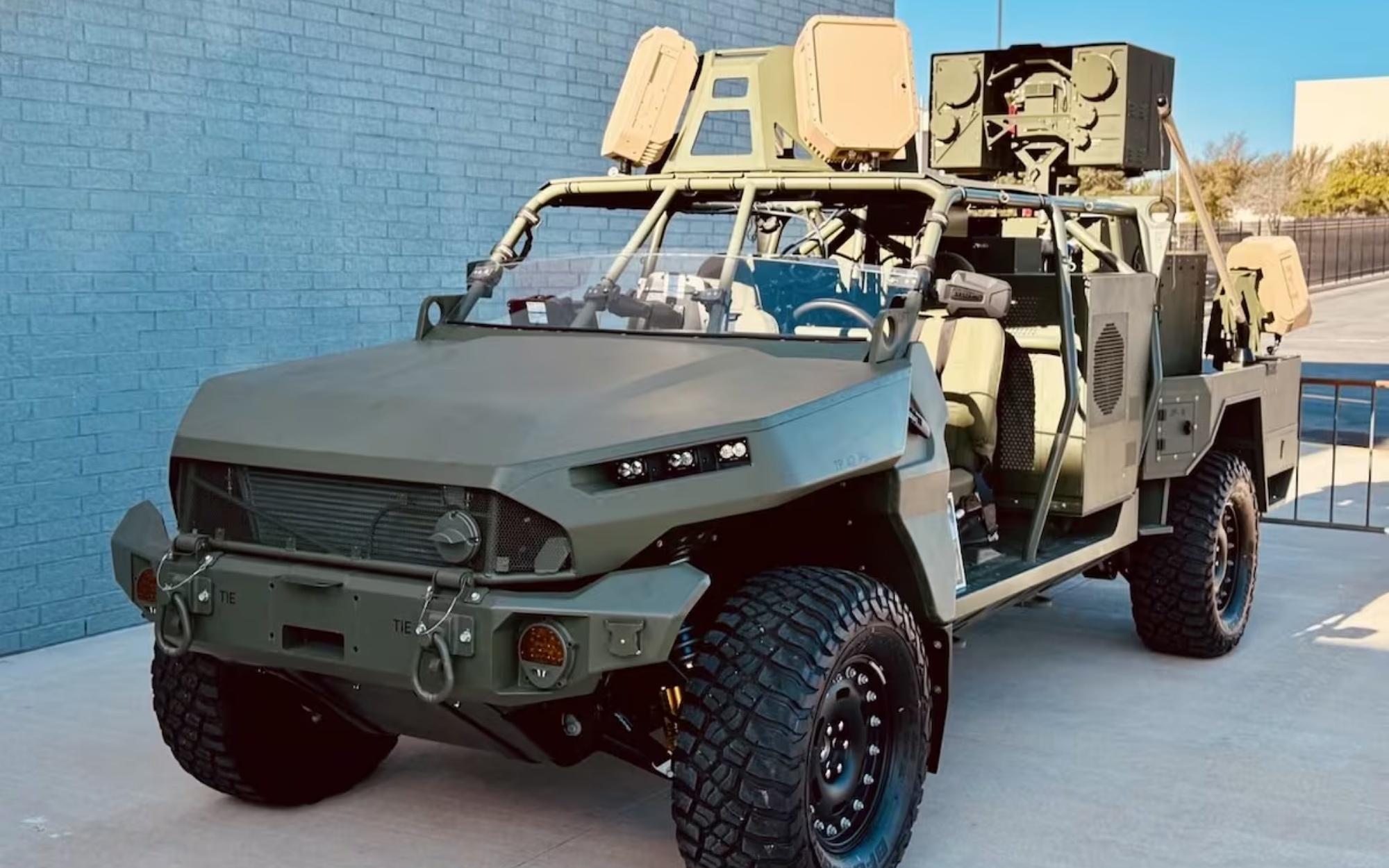
The most striking requirement is electrical power. The Army wants the new ISV H to export 60 kW of continuous high voltage DC power, enough to support counter drone systems, electronic warfare tools, directed energy weapons and other modern battlefield equipment.
That kind of power demand says plenty about where ground combat is heading. Infantry units are no longer just asking for transport, because drones, jammers, sensors and lasers are becoming just as central to survival as armor and ammunition.
The Army also wants the vehicle to recharge to 90 percent within six hours. It must do that in miserable operating conditions ranging from 25 degrees below zero to brutal heat reaching 130 degrees, because America’s soldiers do not get to pick comfortable terrain.
The service is also preparing for more autonomous operations. Desired features include architecture already in place for “drive-by-wire,” along with rotating rear seats and “ergonomic mobile workstations,” which is Army speak for troops needing to work, fight and communicate while moving.
The Army also wants rear seating that can be quickly reconfigured without tools to carry a litter for evacuations. That matters, because a vehicle that can move a squad but cannot adapt when troops are wounded is not much help when the shooting starts.
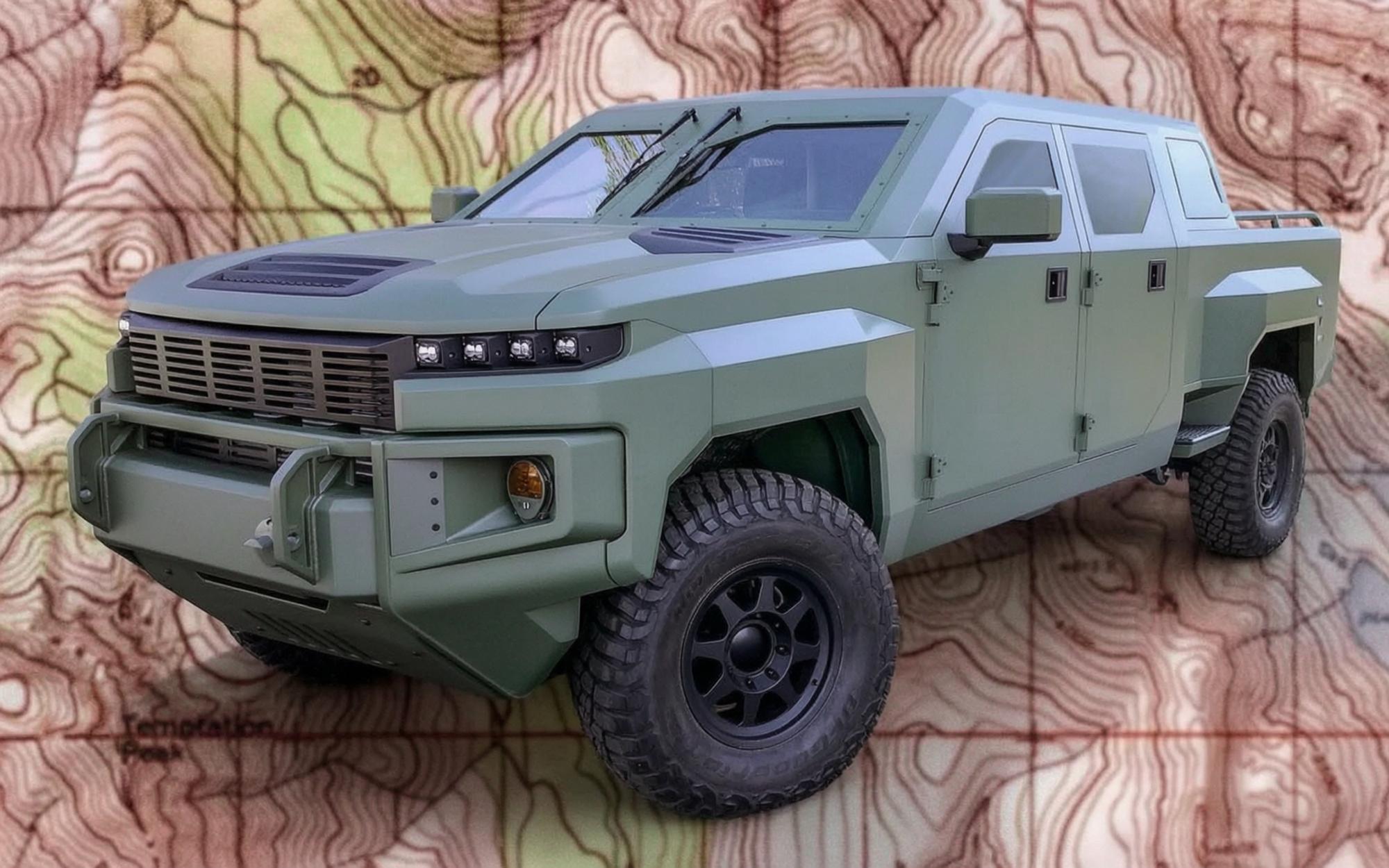
The current Infantry Squad Vehicle is built by GM Defense and was designed to rapidly move nine soldiers through terrain where larger military vehicles are risky, slow or simply impractical.
The new heavy version appears aimed at adding more battlefield utility, more power and more flexibility to that basic mobility concept.
The Army’s fiscal 2027 budget request, released in April, calls for buying an initial 34 ISV H vehicles at an estimated cost of $463,000 per truck. The long range goal is to purchase 606 vehicles, which would make this competition a major prize for whichever manufacturer proves it can meet the Army’s requirements.
During a June Senate Armed Services Committee hearing, Jess Tolleson, principal deputy assistant secretary of the Army for Acquisition, Logistics, and Technology, pointed directly to the power problem the Army is trying to solve.
“One of the things that we do have a critical capability gap on right now is power generation at that mobile brigade combat team level,” he said.
GM Defense had not responded to a Military Times inquiry at the time of publication. The company previously said on social media that it was optimizing a Chevrolet Silverado 3500HD truck for the effort.
Ford said Tuesday that its Super Duty trucks are well suited for military applications, though the company did not provide much detail on its proposed specifications. Breaking Defense reported Monday that Ford would be using its F Series pickup truck.
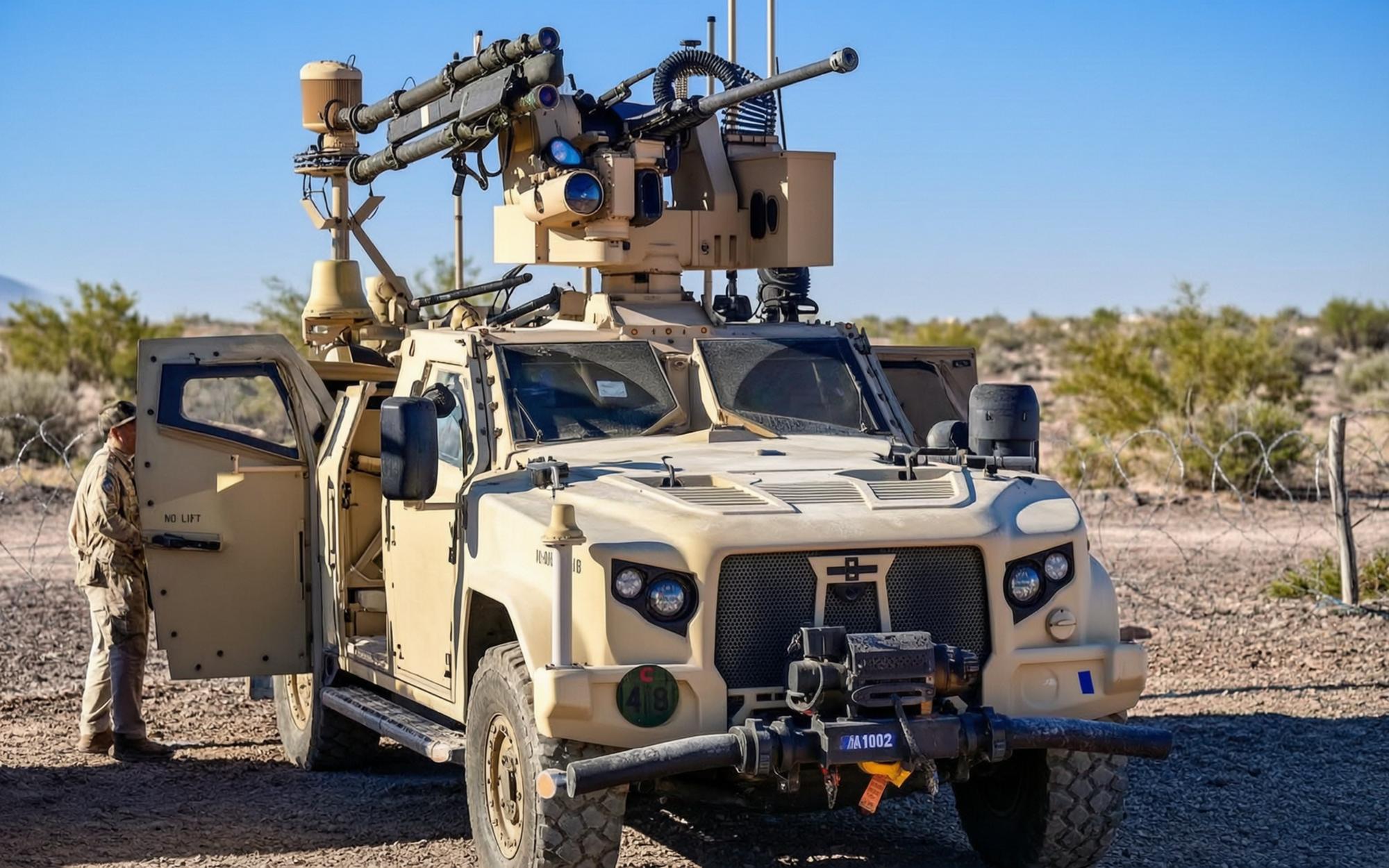
BC Customs is pitching itself as the more specialized builder in the contest. In a Tuesday call, chief operating officer Dave Baringer said the company was uniquely positioned to create an endlessly modify able, “purpose-driven, ground-up vehicle.”
Baringer also said BC Customs is working with Raglan, which will handle the electronic infrastructure for the prototypes. He declined to discuss the contract timeline or dollar value.
The Army’s demand for a truck that can generate serious power comes as the service pushes to place more directed energy weapons on lighter tactical vehicles. That is not science fiction anymore, no matter how much the usual bureaucracy might try to bury progress under paperwork.
The service has already operationally tested AeroVironment’s 20 kilowatt LOCUST laser on both the Infantry Squad Vehicle and the Joint Light Tactical Vehicle through its Multi Purpose High Energy Laser effort.
Under President Trump and War Secretary Pete Hegseth, the pressure will be on to make sure these programs produce real combat capability, not just expensive prototypes parked for photo opportunities.
For soldiers at the brigade level, the ISV H competition is about more than a new truck. It is about whether the Army can move fast enough to match the drone saturated, power hungry, electronically contested battlefield that America’s enemies are already studying closely.
Join the Discussion
COMMENTS POLICY: We have no tolerance for messages of violence, racism, vulgarity, obscenity or other such discourteous behavior. Thank you for contributing to a respectful and useful online dialogue.