The United States military is no longer talking theory when it comes to laser warfare.
The nation’s warfighters are closing in on fielding real, deployable energy weapons to fry drones out of the sky without wasting a single bullet.
The next phase of this revolution? Finding the rugged, mobile platforms that can carry the necessary hardware, power, and punch.
With the Army’s Stryker-based laser defense system now shelved, the focus has shifted to agile light tactical vehicles as the new home for battlefield lasers.
Programs like AeroVironment’s 20-kilowatt LOCUST system have already proven that modern tactical trucks—the Joint Light Tactical Vehicle (JLTV) and the Infantry Squad Vehicle (ISV)—are capable of handling directed energy weapons in combat conditions.
These smaller, faster platforms are central to America’s new battlefield doctrine of flexibility, speed, and distributed firepower.
The Army’s Enduring High Energy Laser effort targets these exact vehicles, aiming to give U.S. soldiers a laser weapon they can roll straight into the fight.
The Marines too are looking toward similar platforms, building the backbone of their air defense units around JLTVs equipped with both kinetic and potential energy-based weapons.
But before energy weapons can scorch the skies, there’s a core challenge: power. Modern battlefields require immense and consistent energy output to keep every drone, radar, command post, and laser running.
Even in conventional operations, soldiers already carry staggering loads of batteries to sustain operations, and vehicle-based power remains severely limited.
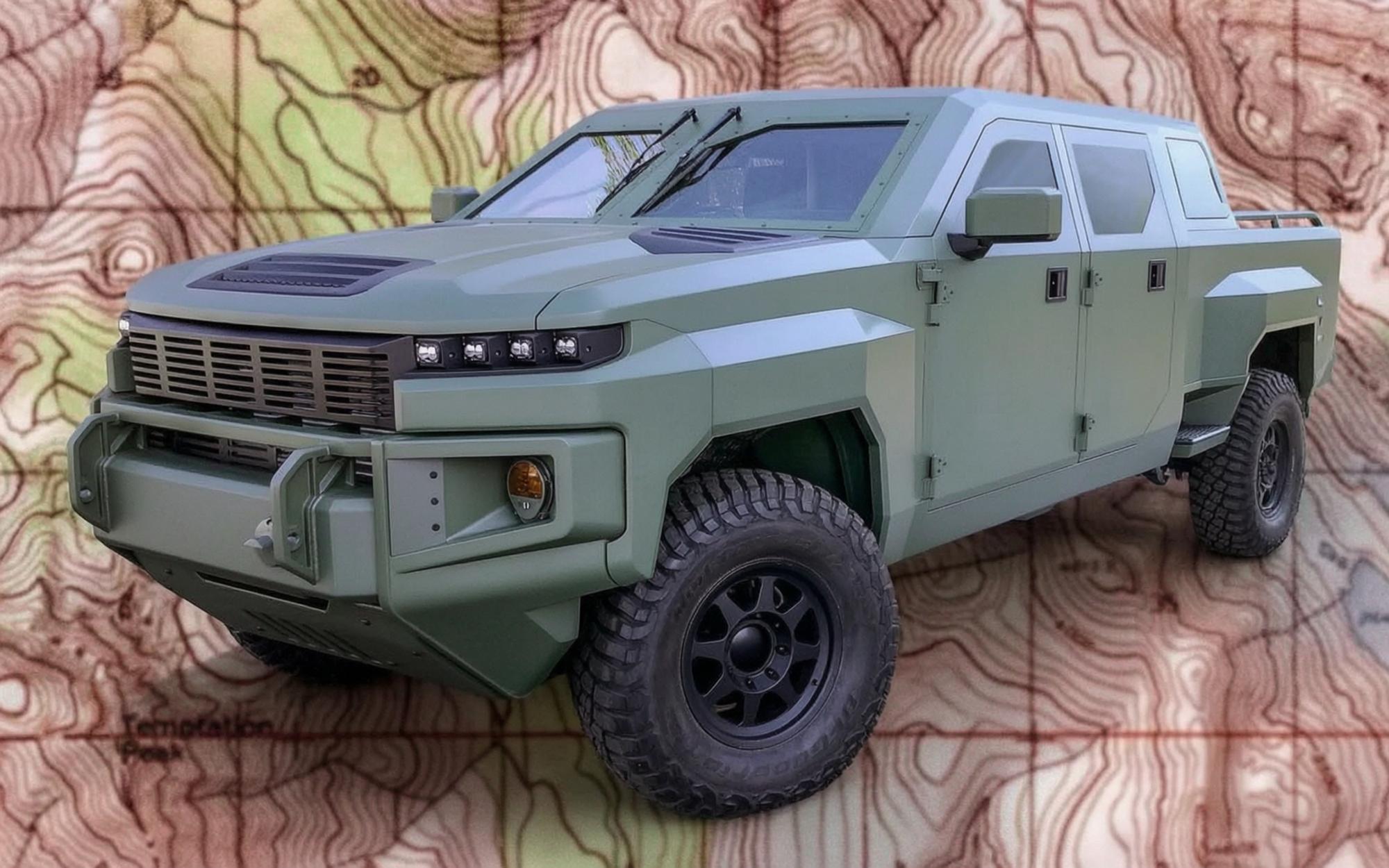
A JLTV can generate about 15 kilowatts of exportable power—not nearly enough for sustained laser firing. ISVs are even more limited, with power output so minimal it’s practically a black box secret. Overcoming this shortage requires new engineering.
Defense firms and Army scientists are now crafting hybrid systems that combine the constant generation capabilities of conventional engines with the peak output and stealth of advanced batteries.
This so-called “hybrid architecture” is key to solving the battlefield energy puzzle. A generator is paired with high-voltage batteries that can instantly supply massive bursts of power when the laser fires while recharging in quieter moments.
The result is a truck that can provide sustained silent energy without giving away its position with noise, heat, or exhaust—critical advantages when every sensor and drone above is watching.
Chariot Defense CEO Adam Warmoth hit the nail on the head when he said that constant power production on a battlefield makes units sitting targets. Silent, battery-supported power not only boosts efficiency but also dramatically improves survivability. It keeps soldiers off the enemy’s radar—literally.

The Army and Marine Corps have seen the writing on the wall: hybrid and electric battlefield vehicles aren’t a green-energy gimmick—they’re operational game changers.
In Germany, GM Defense has already showcased next-generation hybrid prototypes capable of delivering enormous power while remaining silent and mobile. The Army’s hybrid Humvee prototype has also demonstrated strong advantages in silent mobility and increased exportable energy.
The Army’s leading solution to the power conundrum is the ISV-Heavy—a heavier, stronger-chassis variant capable of pumping out 60 kilowatts of continuous DC power for lasers, communications gear, or electronic warfare.
Designed to act as both troop carrier and portable power station, it effectively transforms a squad vehicle into a moving combat hub.
According to the Army’s own budget documents, 34 ISV-H vehicles will be purchased in the first batch, leading toward a fleet of over 600 units.
At roughly $463,000 a piece, the price reflects the addition of potent onboard energy generation, silent function modes, and modular architecture meant to accept directed energy weapons from the jump.
The Marines, meanwhile, are in a power crunch of their own. Tied to the JLTV for their expeditionary units and coastal operations, they face delays, production cuts, and costs rising due to the Army’s pullback from the program.
With AM General’s JLTV A2 lagging behind, the service has started seeking alternatives that can deliver power and performance now—not in another decade.
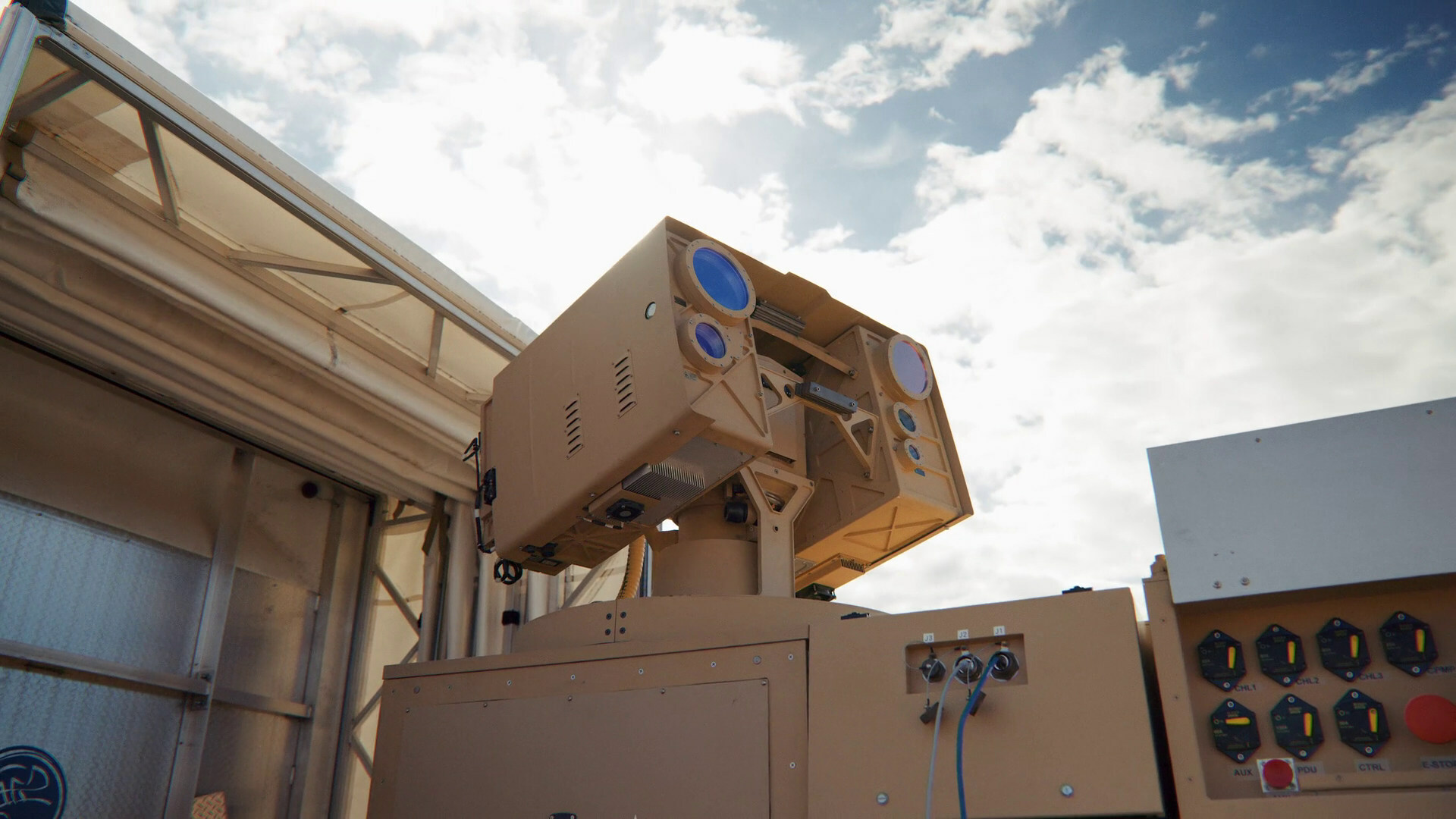
Oshkosh Defense, the original JLTV manufacturer, is stepping up to fill that void. Their latest eJLTV hybrid demonstrator can output 115 kilowatts of power with silent drive features perfect for counter-drone and directed energy missions.
Even more impressive, it can surge to 250 kilowatts of exportable power—enough to make laser weapon integration a practical near-term possibility.
Together, the Army’s ISV-H and Oshkosh’s eJLTV form the two-pronged future of U.S. ground-based directed energy warfare. One purpose-built from the frame up, the other an upgrade of proven platforms already in Marine hands.
Building both gives America the flexibility to deploy scalable laser firepower across multiple theaters, from Europe to the Pacific.
The stakes are high. Generating the right kind of battlefield power will determine whether lasers remain novelty tech or become the silent, instant, precision weapons that redefine ground warfare. Under a Trump administration and strong leadership from War Secretary Pete Hegseth, the White House and Pentagon alike appear keen on turning concepts into combat reality—not just parade-ground promises.
The message is clear: the U.S. isn’t just keeping pace with future warfare—it’s preparing to dominate it.
Once these laser trucks hit the field, America’s adversaries will learn the hard way that the battlefield belongs to those who can bring both speed and energy to the fight.
Join the Discussion
COMMENTS POLICY: We have no tolerance for messages of violence, racism, vulgarity, obscenity or other such discourteous behavior. Thank you for contributing to a respectful and useful online dialogue.