The commander of United States Central Command visited the aircraft carrier USS Abraham Lincoln on Saturday as troubling reports raised questions about sailor mental health and morale during the ship’s lengthy deployment.
Admiral Brad Cooper met directly with sailors and Marines aboard the Nimitz class carrier.
The visit followed reporting that two service members attempted to jump overboard during a deployment that has stretched beyond 260 days.
The incidents intensified scrutiny of conditions aboard the Lincoln and the strain placed on its crew.
Cooper sought to provide perspective on the situation while acknowledging the undeniable difficulty of prolonged service at sea.
“Of the U.S. Navy’s 11 active aircraft carriers, the Lincoln currently has among the lowest number of cases related to mental health,” Cooper said in a social media statement.
Still, the CENTCOM commander did not suggest that everything aboard the carrier was running perfectly.
He acknowledged that life at sea is challenging and that the pressures of an extended deployment can affect every sailor differently.
Cooper’s stop aboard the Lincoln was part of a 10 day trip through the Middle East.

During the trip, he met with civilian and military leaders from six countries, including Israel and Iraq, as American forces remained active across a volatile region.
The admiral had previously visited the Lincoln in February near the beginning of Operation Epic Fury.
His latest appearance came as accounts from military families and media organizations placed fresh attention on the carrier’s deployment schedule.
Family members publicly raised their concerns during an Aug. 6 town hall meeting with Acting Navy Secretary Hung Cao and other senior military officials. Roughly 200 people attended the meeting in person, according to the report.
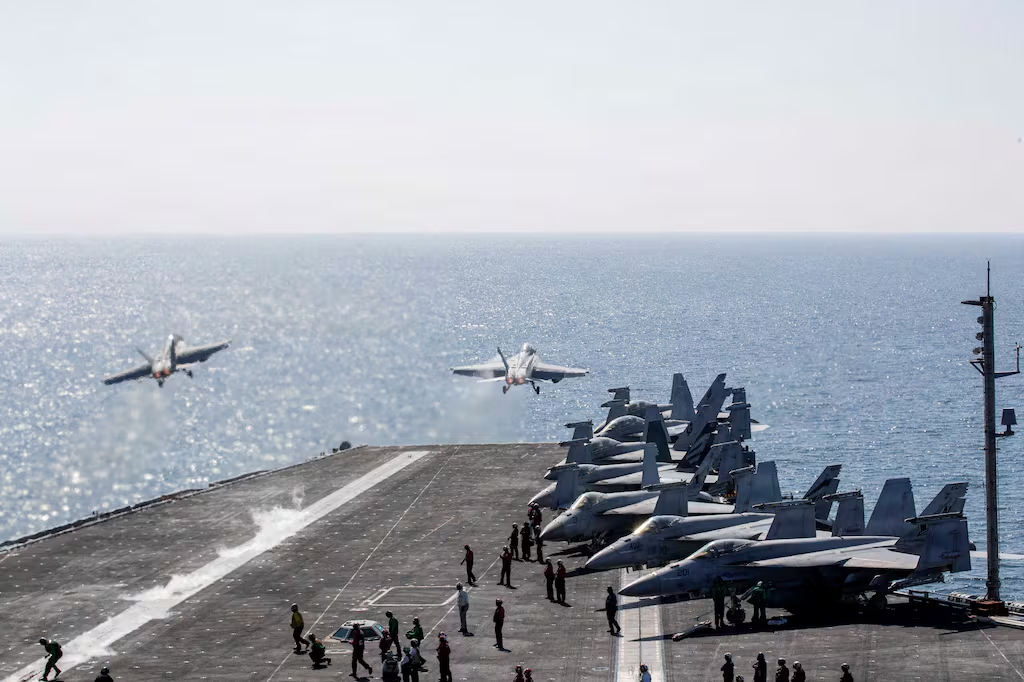
Those attendees described fears that loved ones aboard the Lincoln were experiencing thoughts of self harm.
They also pointed to the extraordinary amount of time the crew had spent at sea without the relief of a regular port visit.
The Lincoln had reportedly gone more than 240 days without a port call during the extended deployment. The carrier stopped in Guam in December 2025 and later made another port visit in Oman during July.
Senator Richard Blumenthal raised the issue in a letter to Secretary of War Pete Hegseth.
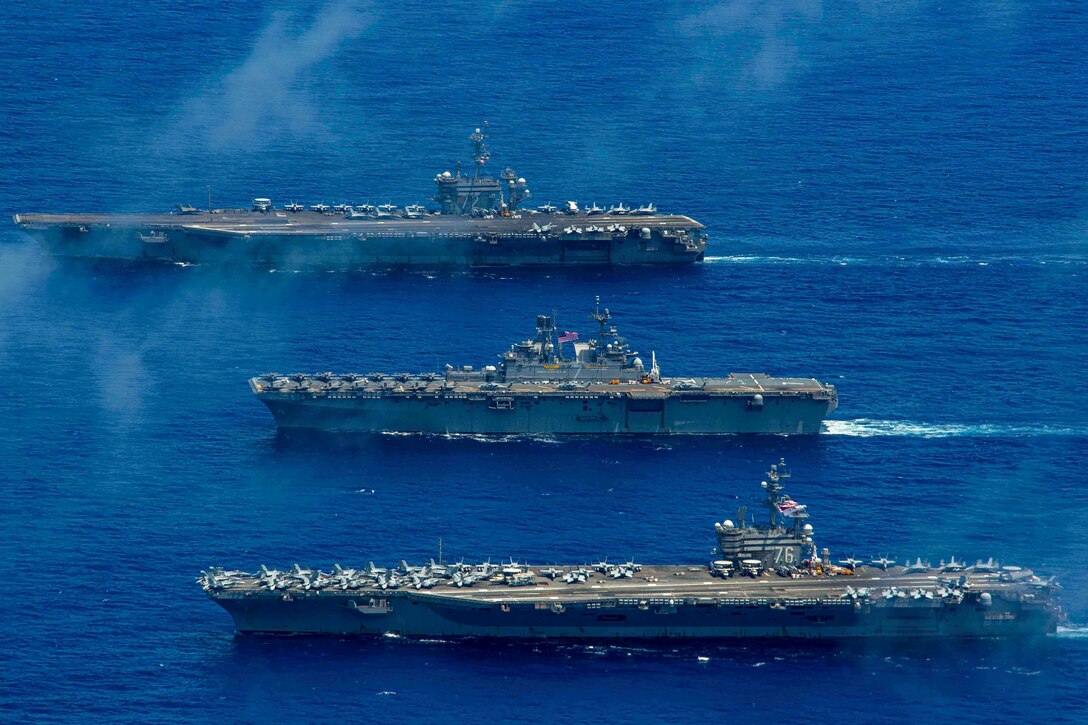
Blumenthal claimed the stretch represented the longest continuous period at sea between port calls in Navy history, adding political pressure to an already serious command matter.
Several media organizations also published accounts of sailors allegedly trying to leave the ship by going overboard.
It was not immediately clear whether every report described a separate incident or whether some outlets were reporting different details about the same events.
United States officials allegedly told CNN that one sailor went overboard from the Lincoln and was rescued within an hour.
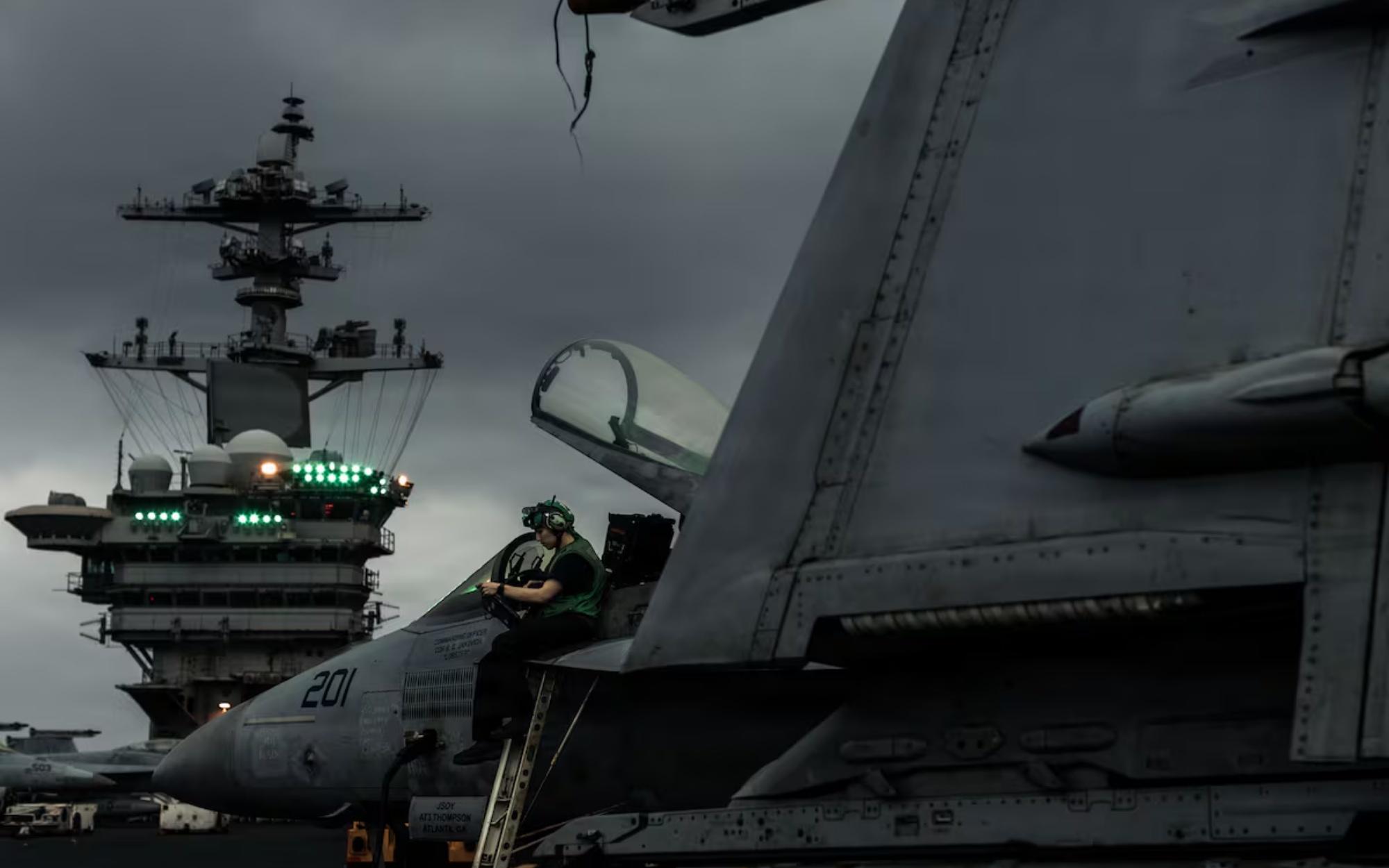
Stars and Stripes separately reported that fellow service members intercepted a crew member before that individual could jump overboard.
MS NOW reported another account in which a sailor entered the water and remained there for almost an hour before being rescued.
A family member described that episode as a suicide attempt and alleged that her husband’s mental health concerns had been brushed aside by both the chain of command and the ship’s medical team.
Hegseth pushed back strongly after the reports began circulating, telling reporters that the situation had been “completely misrepresented.”
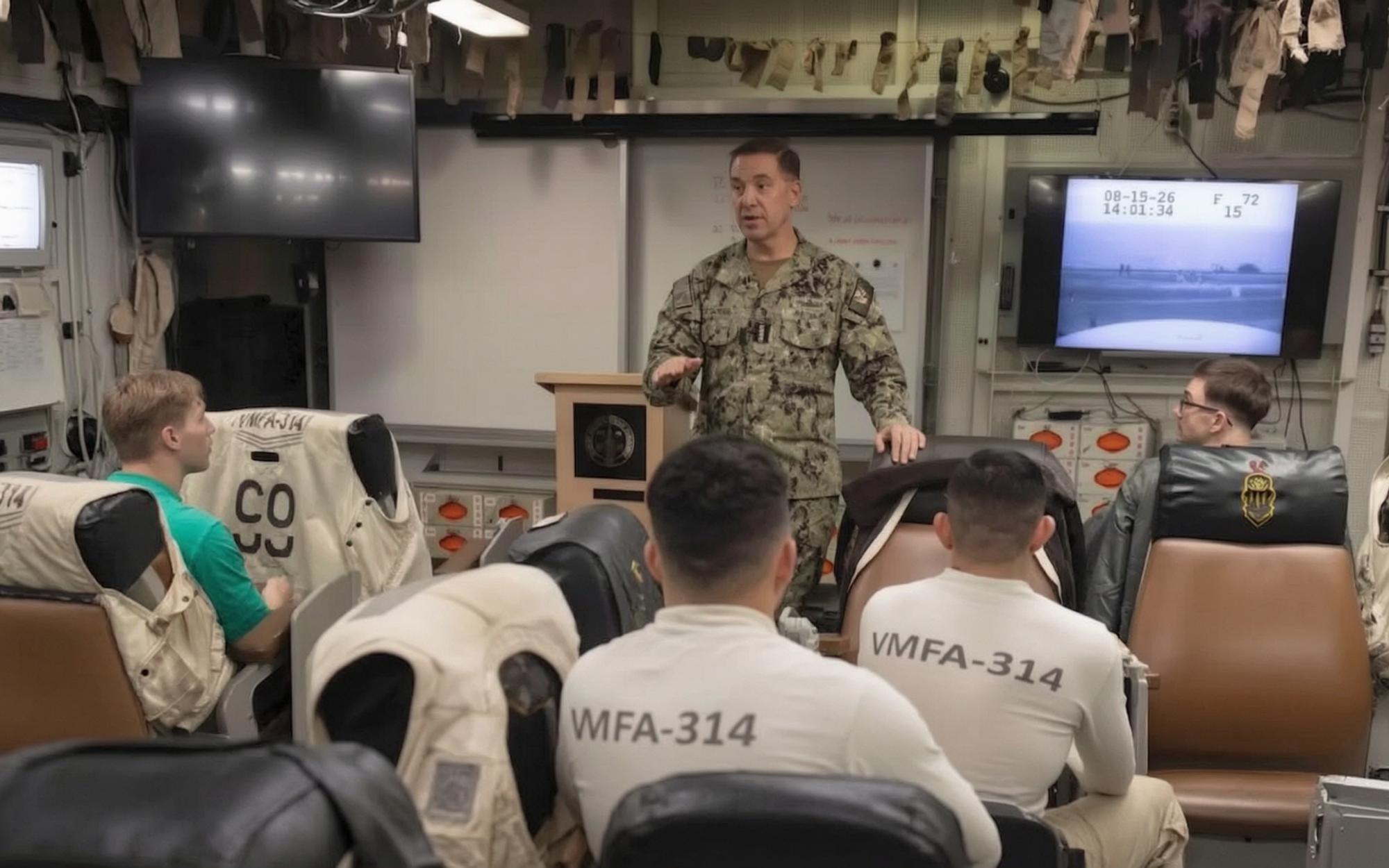
His response suggested that the public narrative surrounding the Lincoln did not fully match the information available to senior War Department officials.
President Donald Trump was also asked about complaints from military families regarding the carrier’s deployment length.
Trump dismissed the suggestion that the deployment had continued too long, saying it was “not nearly long enough.”
The Lincoln and its air wing remain critical instruments of American power in a dangerous theater, and demanding deployments are part of carrier operations.
At the same time, commanders must ensure sailors and Marines receive serious support while separating verified facts from breathless media narratives and political opportunism.
Join the Discussion
COMMENTS POLICY: We have no tolerance for messages of violence, racism, vulgarity, obscenity or other such discourteous behavior. Thank you for contributing to a respectful and useful online dialogue.
The Demoncrats said “What can we do to embarrass Trump?” let’s create a problem with the Navy. Sounds like hypocrisy from the Left, maybe Extreme TDS. I did 3 WestPacs and 2 Med Cruises on Carriers, 10-11 months deployments were not uncommon. Do I feel sorry for them? Not in the slightest. I believe they need the riot act read to them by the Admiral and then psych evals placed on all of them.