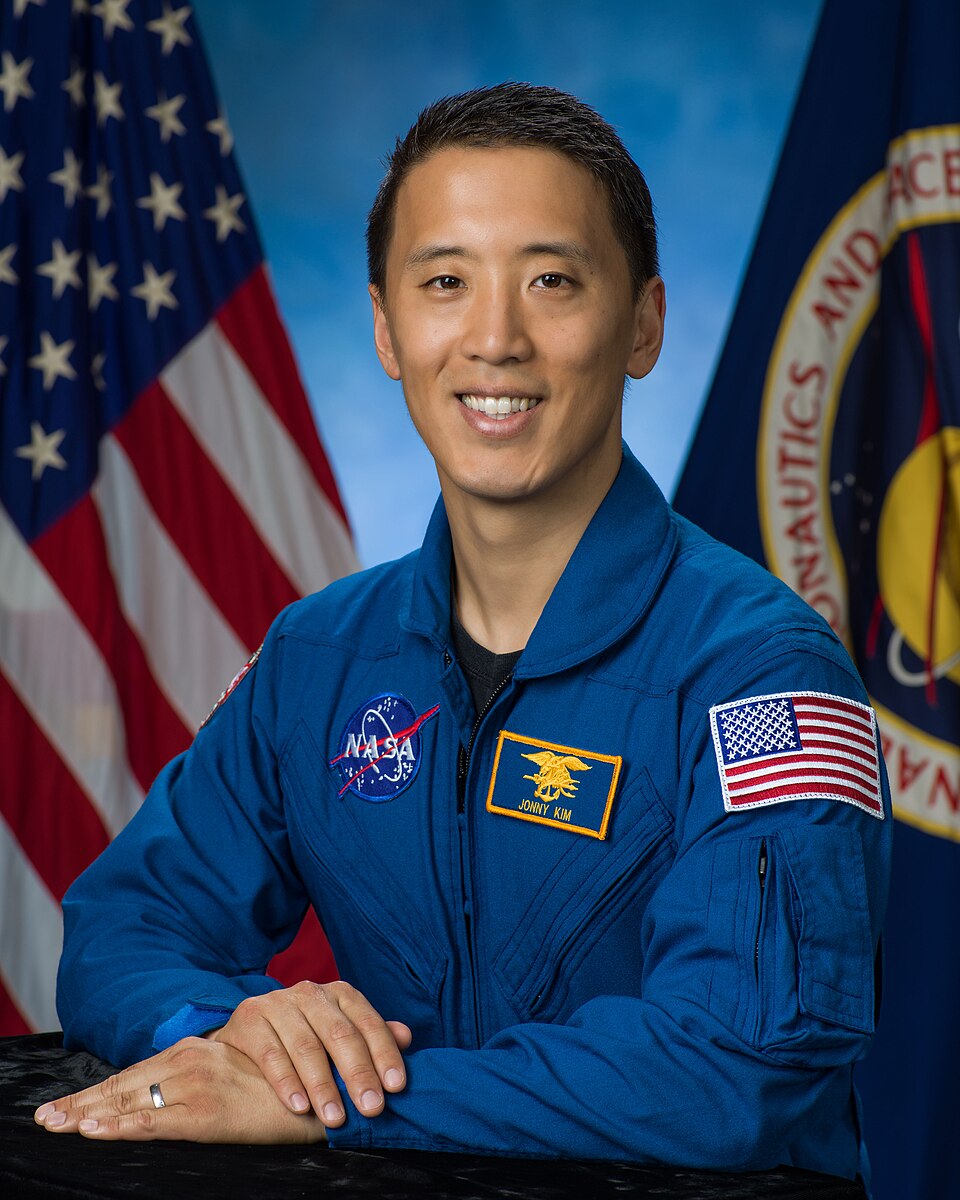
Navy Lt. Cmdr. Jonny Kim, a physician, decorated former Navy SEAL, astronaut, and naval aviator, is leaving NASA after nearly a decade of extraordinary service.
If a spacecraft ever needed a door gunner and emergency surgeon, Kim was clearly the man for the job.
Thursday marked Kim’s final day with NASA before his return to active Navy duty and naval aviation training.
His departure closes one remarkable chapter while opening another in a career already packed with combat, medicine, flight, and space exploration.
Here's What They're Not Telling You About Your Retirement
“Contributing to space exploration and serving NASA has been the honor of a lifetime,” Kim said in a statement.
“Throughout my career, I’ve learned that beyond the missions, the training, and the hardware, success always comes down to the people.”
Kim added, “They are our greatest asset, and leading with love and empathy is how we achieve the impossible.”
That perspective was forged not in a comfortable office, but across battlefields, hospitals, cockpits, training grounds, and the unforgiving environment of space.
This Could Be the Most Important Video Gun Owners Watch All Year
NASA selected Kim as an astronaut in 2017. Last year, he completed an eight month assignment aboard the International Space Station alongside Roscosmos cosmonauts Sergey Ryzhikov and Alexey Zubritsky.
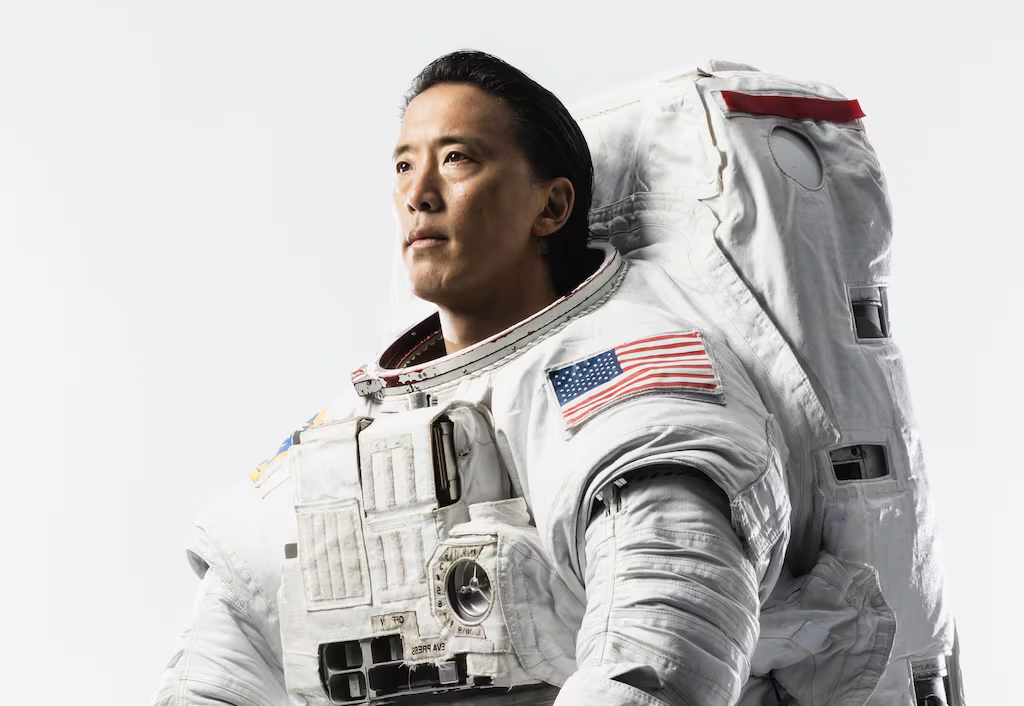
By the time Kim returned to Earth in December, he had orbited the planet 3,920 times and traveled nearly 104 million miles.
Those numbers would make for an impressive career by themselves, yet for Kim they represent only one part of an unusually broad record of national service.
NASA Administrator Jared Isaacman said Kim’s work aboard the International Space Station will influence future missions “for decades to come.”
His experience and performance added to the operational knowledge needed as the United States pushes toward more ambitious missions.
“Jonny Kim represents the very best of NASA, a person who continually pushed the boundaries of exploration while inspiring countless others,” Isaacman said in a statement.
“We are grateful for his dedication to our nation and to the pursuit of knowledge, and we wish him success as he continues his service in the U.S. Navy.”
Kim enlisted in the Navy in 2002 and earned his place in the SEAL teams before receiving his commission as an officer in 2012. According to his official NASA biography, he completed more than 100 combat missions as a special operator.
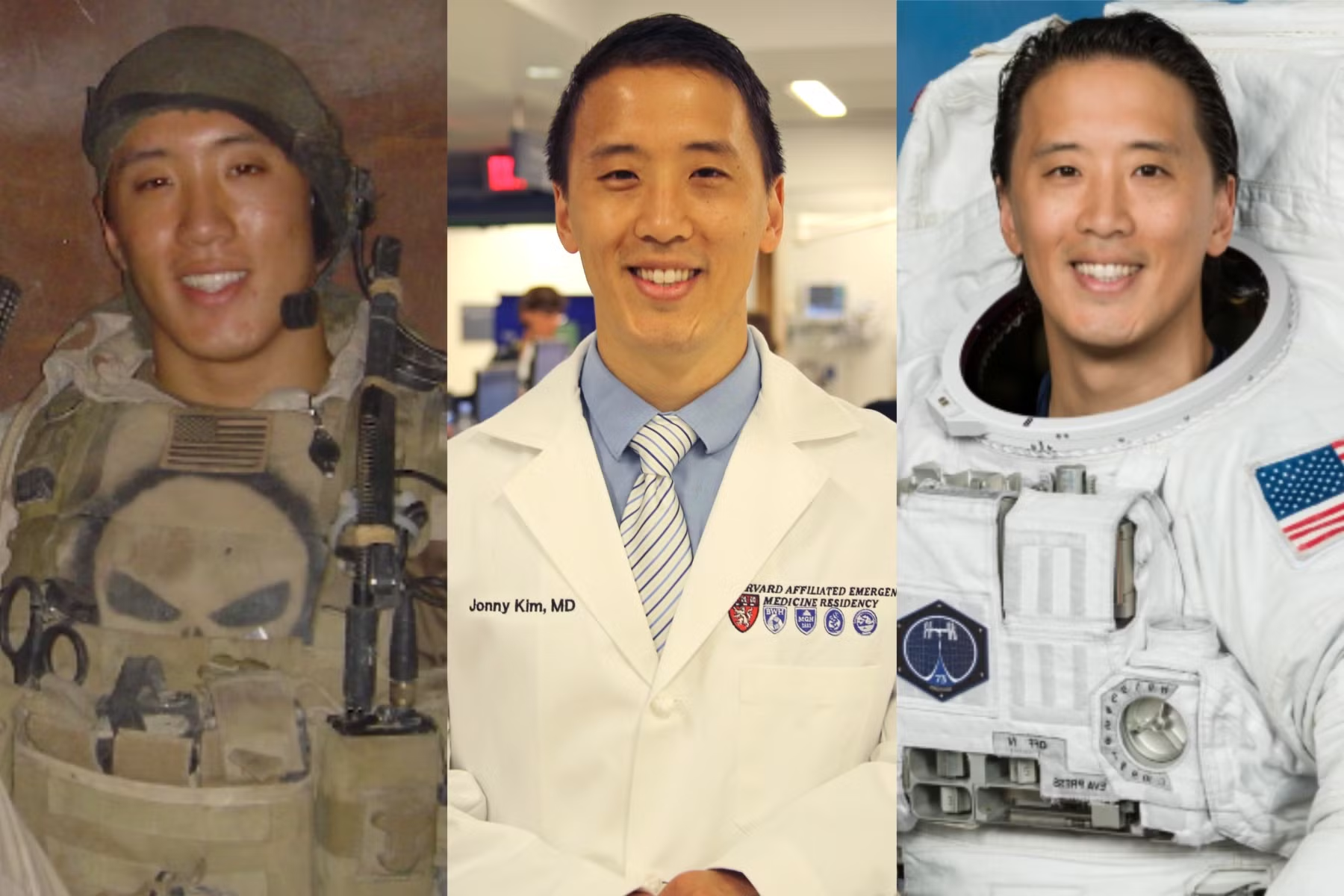
His military decorations include the Silver Star, Bronze Star Medal with “V” device for valor, Navy and Marine Corps Commendation Medal with Combat “V,” and Combat Action Ribbon.
That is not exactly the résumé of a man accustomed to taking the easy route.
During deployments to Iraq, Kim served in Ramadi and Sadr City, where his experiences with military physicians inspired him to pursue medicine.
He later attended Harvard Medical School and became a doctor and Navy flight surgeon.
“I made promises to a lot of the people that I lost, that I would spend the rest of my life doing something good, something positive for the world, because they left a void when they died, and I know that they would have been successful, making the world a better place had they lived,” Kim said.
Even while serving as an astronaut, Kim continued building his naval aviation credentials. In 2023, he became a Navy aviator after completing advanced helicopter training, adding yet another demanding qualification to a career overflowing with them.
Kim said his previous experience using night vision goggles as a SEAL did not make cockpit operations simple. The aviation environment demanded a different scan, different judgment, and an entirely new level of coordination.
“I didn’t have the experience of integrating a cockpit-[night vision goggle] scan with degraded visual environments,” Kim said in a 2023 news release.
“That was really challenging and formative in my growth as an aviator.”
Kim will now bring lessons from special operations, combat medicine, human spaceflight, and helicopter aviation back to the Navy.
Few officers return to active aviation training with eight months in orbit and more than 100 combat missions already in the logbook.
“I look forward to carrying my commitment to service, my enduring love for space and technology, and the hard-earned lessons of this past decade into my next chapter to make a meaningful impact on humanity’s future,” Kim said in his statement.
NASA is losing one of its most accomplished astronauts, but the Navy is regaining an officer whose career reflects relentless preparation and service.
Kim’s next destination may be closer to Earth, though nobody should assume his ambitions will be any smaller.
Join the Discussion
COMMENTS POLICY: We have no tolerance for messages of violence, racism, vulgarity, obscenity or other such discourteous behavior. Thank you for contributing to a respectful and useful online dialogue.