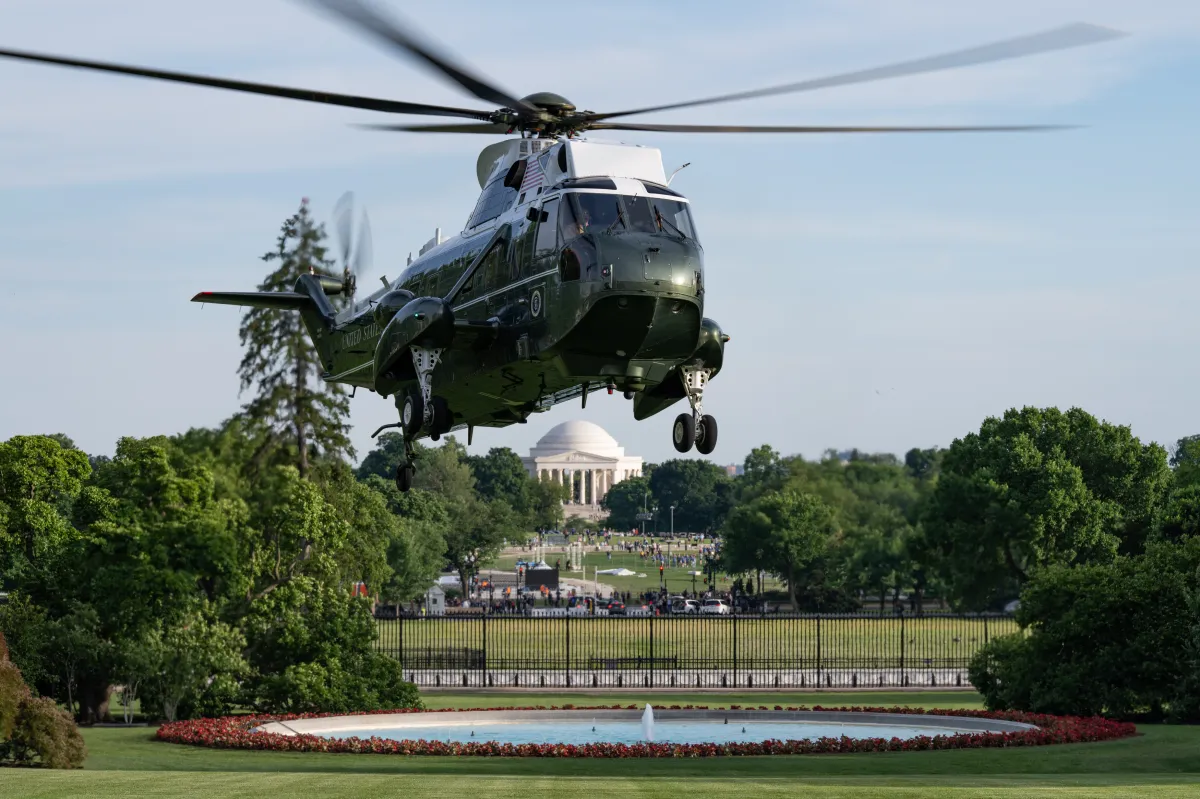
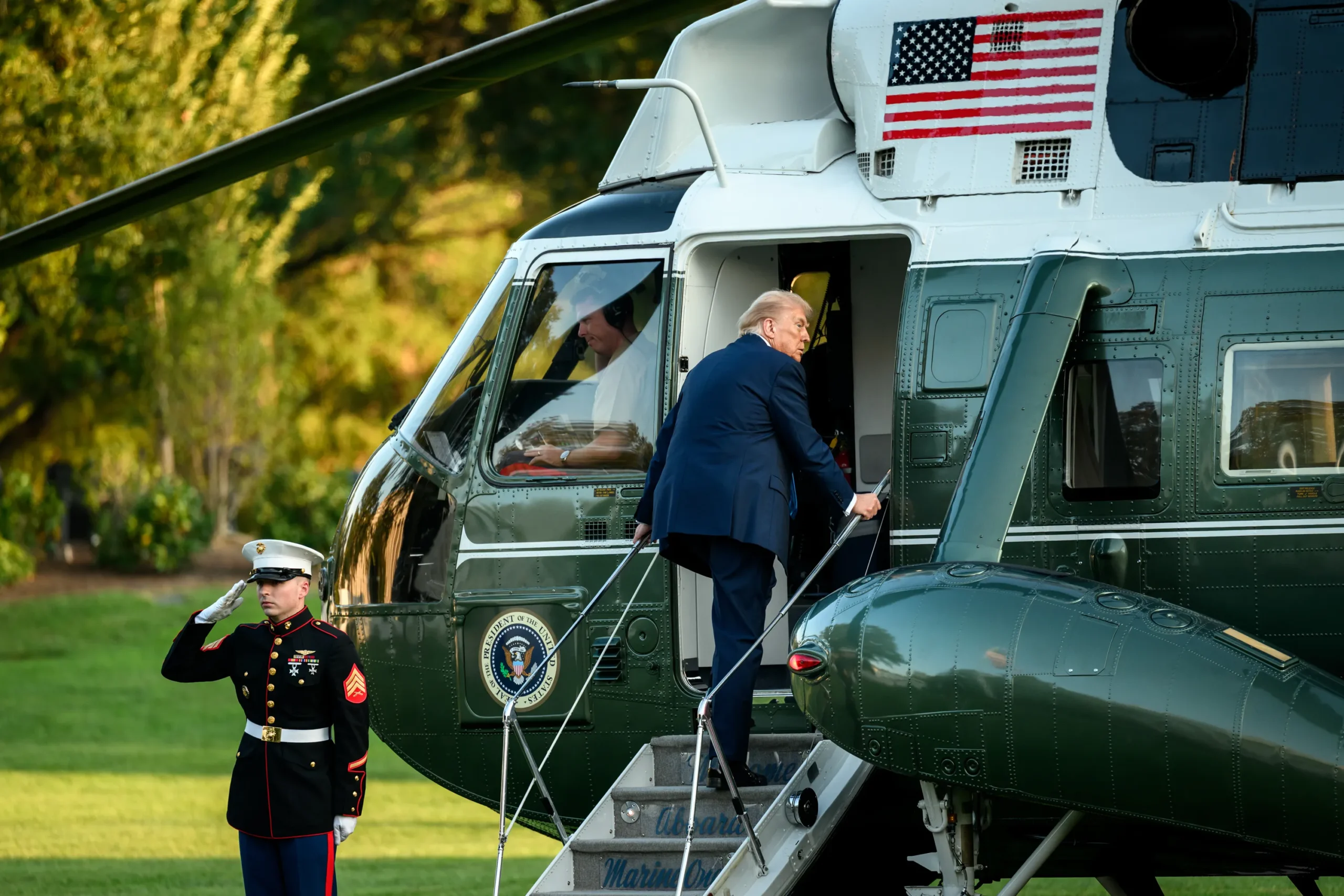
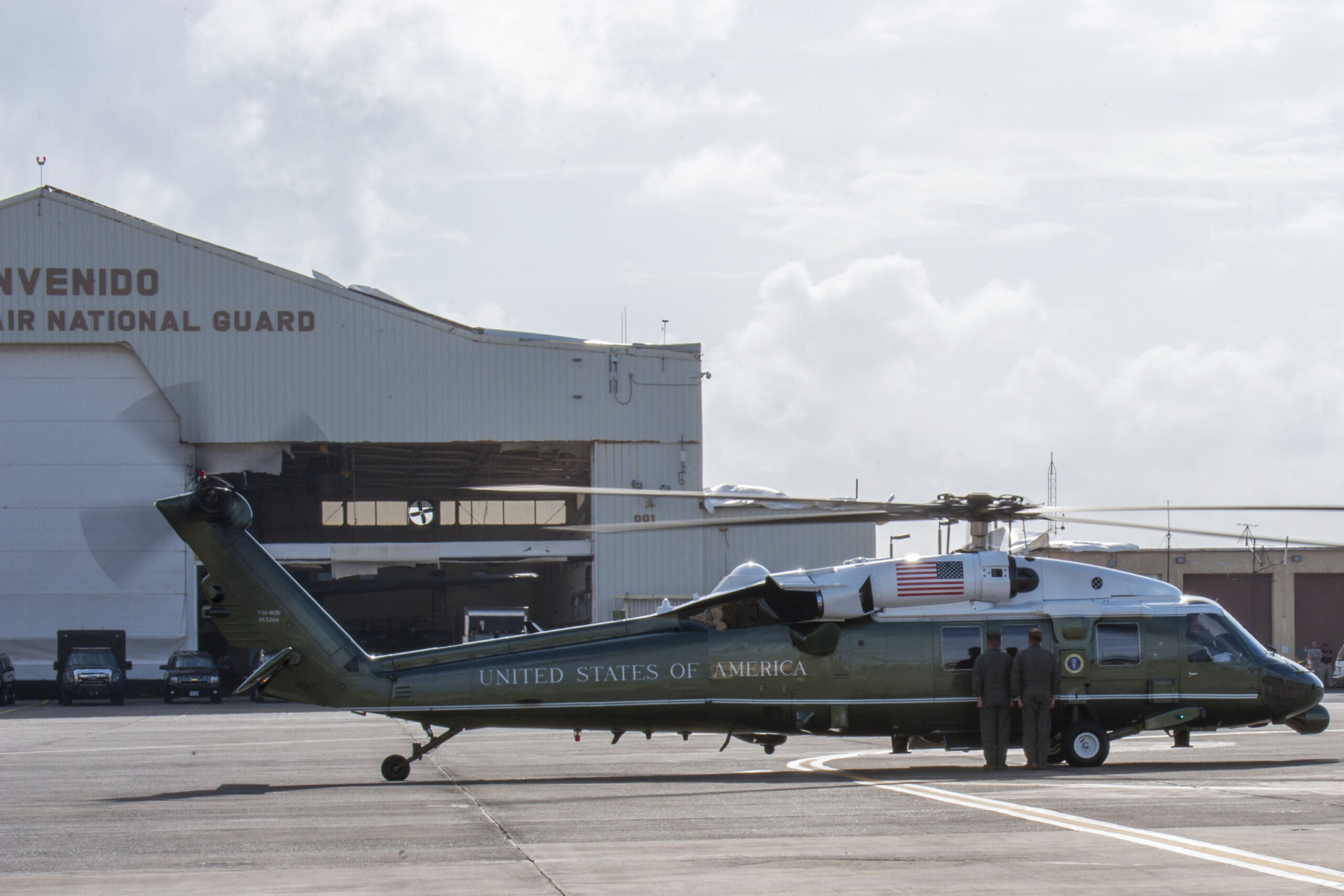
The crew of a military helicopter carrying President Donald Trump failed to establish contact with air traffic controllers before departing on Aug. 4, according to the National Transportation Safety Board.
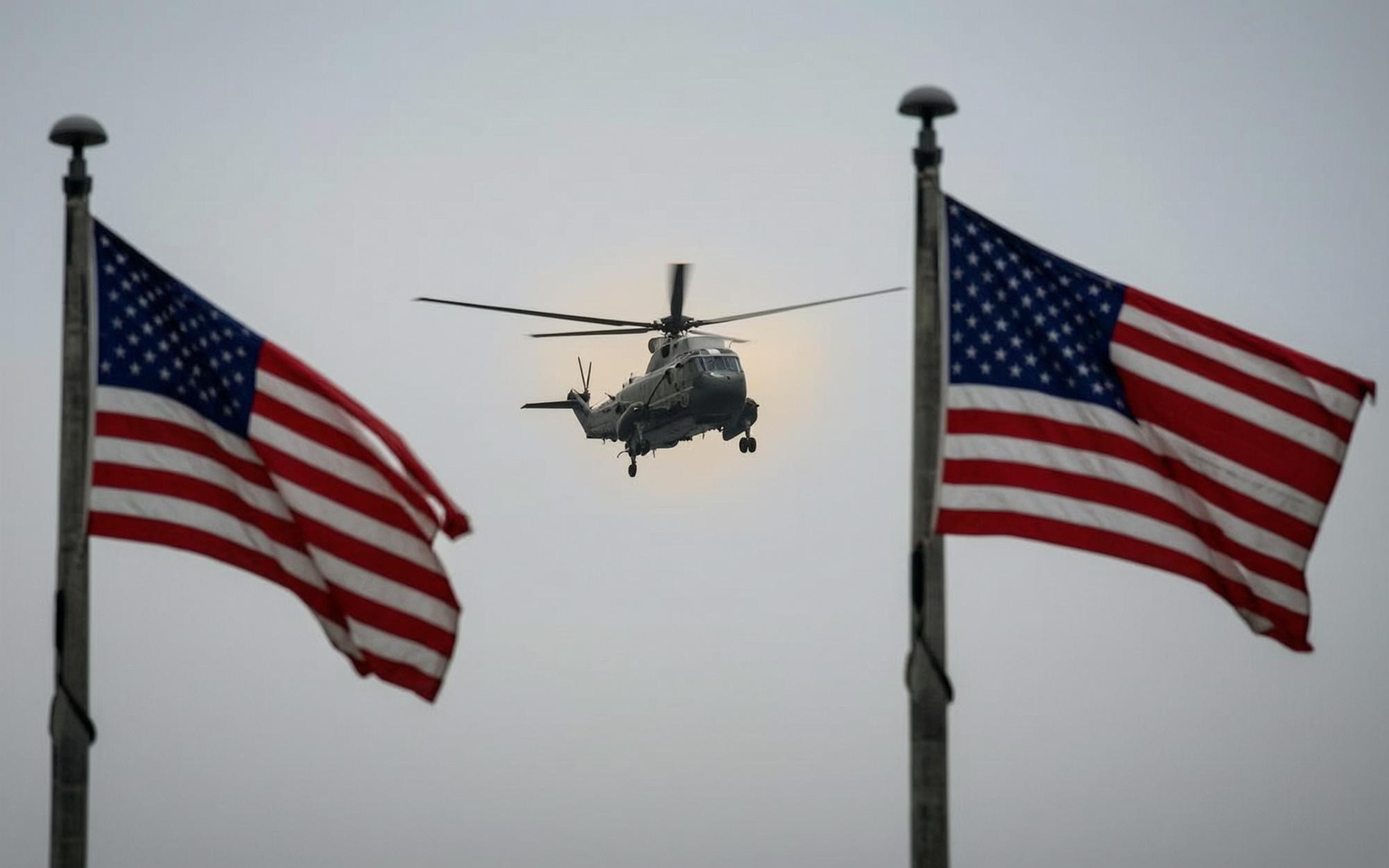
The communications breakdown preceded a troubling encounter involving Marine One and a passenger jet near Reagan Washington National Airport.
The NTSB disclosed the finding Thursday while examining how the presidential helicopter and a departing commercial aircraft came too close for comfort.
Any incident involving Marine One demands immediate scrutiny, especially inside some of the most controlled airspace in the United States.
Here's What They're Not Telling You About Your Retirement
The episode raised an obvious question: Why was a passenger aircraft cleared to depart while Marine One was operating nearby?
Commercial traffic is typically halted during presidential helicopter movements, creating separation and reducing the possibility of exactly this kind of safety concern.
According to the NTSB, the Marine One crew attempted at least twice to provide controllers with the required three minute notice before departure.
Those efforts did not successfully reach the controllers because the crew was hampered by communications problems.
This Could Be the Most Important Video Gun Owners Watch All Year
That detail matters because the crew was apparently not ignoring the notification requirement.
Still, an attempted warning that never reaches the tower cannot help controllers manage aircraft, protect passengers, or maintain safe separation around a presidential movement.
The failed communications left controllers without information they were supposed to receive before Marine One took off.
Meanwhile, a passenger jet was permitted to depart Reagan National, placing two aircraft in closer proximity than safety protocols are intended to allow.
The NTSB account points to a breakdown somewhere in the communications chain, although the information released Thursday does not establish the precise technical or procedural cause.
Determining whether equipment, frequency selection, radio coverage, or another factor played a role will be central to understanding what went wrong.
Reagan National already presents demanding conditions for pilots and controllers because of its location, heavy traffic, and proximity to restricted airspace.
Adding a presidential helicopter movement requires disciplined coordination, clear communication, and immediate awareness across every position involved.
When Marine One is nearby, there is little room for bureaucratic confusion or radio uncertainty.
The system is supposed to create a protected operating window, not leave controllers piecing together an incomplete picture while commercial aircraft continue moving.
The safety issue extends beyond the president and the military crew aboard the helicopter.
A passenger jet carries civilians who reasonably expect aviation authorities to keep presidential movements separated from routine departures without last second surprises.
The incident also highlights the difference between following a procedure and successfully completing it.
The crew made at least two attempts to give notice, but the required information apparently did not arrive where it needed to go.
That distinction will likely shape the examination of responsibility. Investigators must determine not only who transmitted and who listened, but whether the communications system provided a reliable way to confirm that a critical departure notice had actually been received.
The NTSB statement also renews scrutiny of the decision to allow the commercial aircraft to depart.
If controllers did not know Marine One was leaving, investigators must establish why the presidential movement was not otherwise visible or communicated through redundant channels.
If controllers did know or had partial information, the decision making surrounding the passenger jet will require even sharper review.
Presidential transport procedures exist because improvisation around busy civilian airspace is a poor substitute for confirmed coordination.
There is no indication in the provided account that the incident resulted in a collision or physical harm.
Even so, close proximity between a presidential helicopter and a passenger aircraft is not something aviation officials can dismiss with a shrug and a stack of paperwork.
The NTSB findings provide an early picture of repeated attempts, failed contact, and a commercial departure that occurred while Marine One was nearby.
The next priority is identifying the exact failure and ensuring controllers and presidential flight crews have dependable confirmation before another movement begins.
Join the Discussion
COMMENTS POLICY: We have no tolerance for messages of violence, racism, vulgarity, obscenity or other such discourteous behavior. Thank you for contributing to a respectful and useful online dialogue.