The United States Navy has cleared Iranian sea mines from the main transit routes through the Strait of Hormuz, restoring critical lanes in one of the world’s most strategically important waterways.
Adm. Brad Cooper, commander of United States Central Command, announced Friday that American forces completed the dangerous mission after months of deliberate operations.
Navy divers and SEALs led the effort to remove or disable mines planted by Iran’s Islamic Revolutionary Guard Corps during the spring.
They operated under hazardous conditions in confined waters where a single mistake could have cost American lives or damaged vital military and commercial vessels.
Here's What They're Not Telling You About Your Retirement
“The circumstances were challenging and dangerous, to say the least, but we got the job done,” Cooper said.
His statement offered a straightforward reminder that American forces can still deliver results without turning every operational detail into a public relations circus.
The Strait of Hormuz is a narrow maritime corridor used by ships carrying oil, chemicals, and other essential cargo.
Under normal conditions, commercial traffic moves through the waterway every day, making security there a major concern for the United States, its allies, and global energy markets.
This Could Be the Most Important Video Gun Owners Watch All Year
Iran restricted some movement through the strait after the Iran war began, prompting Washington to establish its own blockade against Iranian ports.
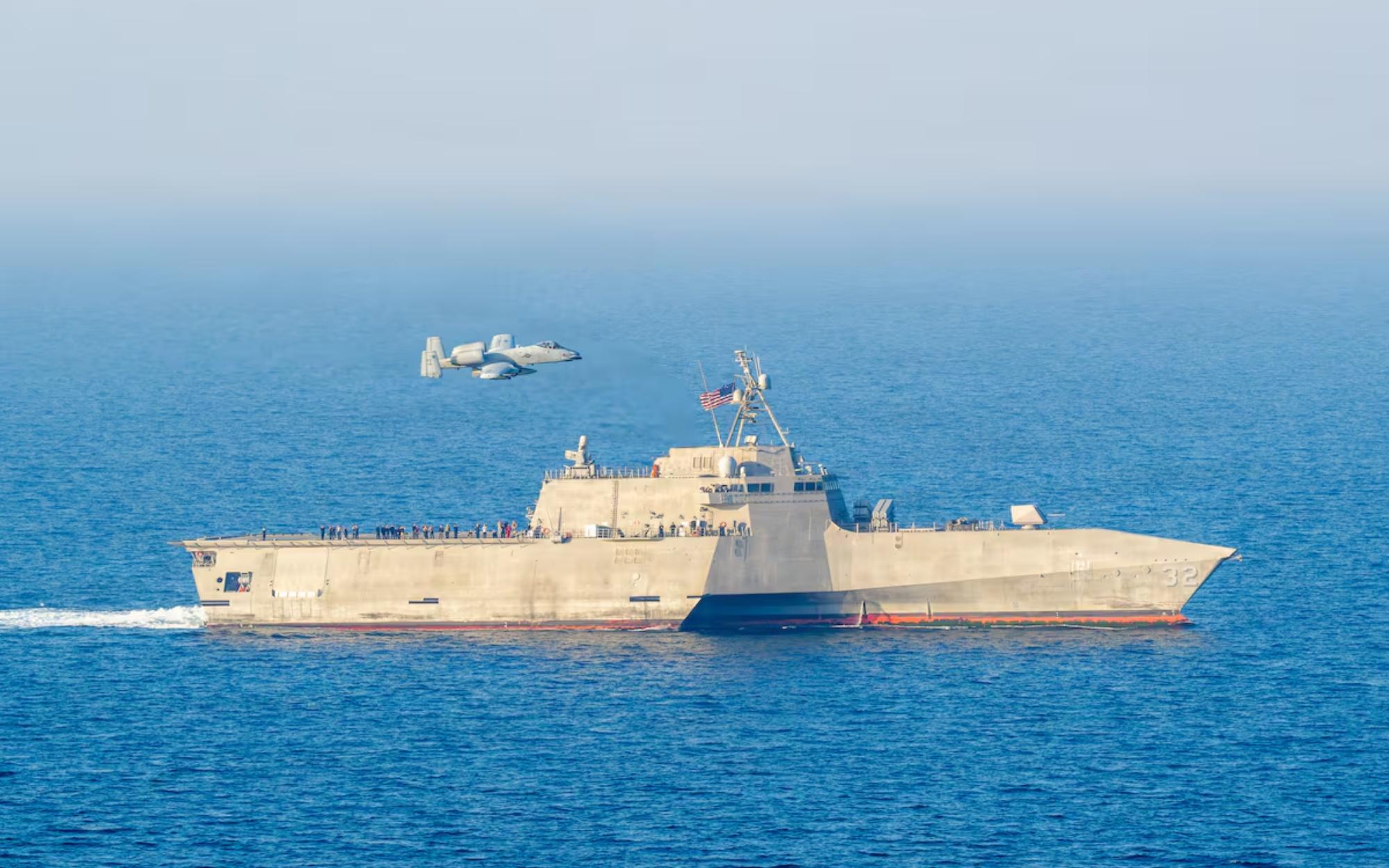
Tehran escalated the situation in early April by placing sea mines along major routes regularly used by commercial vessels.
Iran issued a mine warning on April 9 and advised ships to use an alternate route.
Two days later, the United States announced that the destroyers USS Michael Murphy and USS Frank E. Petersen were transiting the strait to begin mine clearance operations.
CENTCOM later confirmed that additional American assets, including underwater drones, would participate in the mission, although commanders did not provide a public timetable.
The limited flow of updates apparently reflected operational discipline rather than inactivity, something Tehran may have learned the hard way.
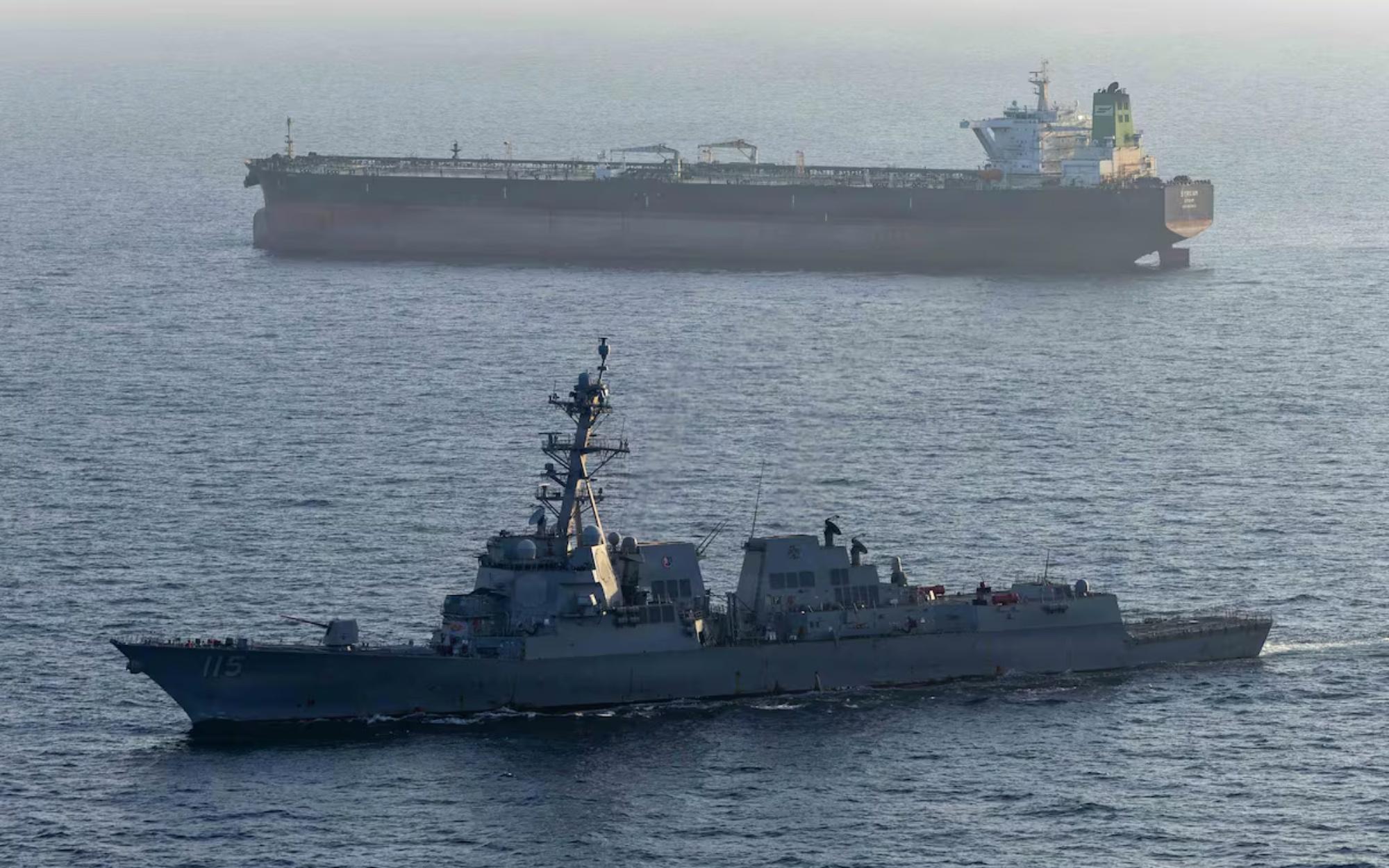
Cooper said American personnel “meticulously and quietly” cleared Iranian mines from the transit routes.
The combined mission brought together Navy divers, Navy SEALs, and aircraft from the Army, Navy, Air Force, and Marine Corps.
CENTCOM has not disclosed how many mines were removed or disabled from the two primary routes.
Cooper also did not clarify whether Iranian mines remain elsewhere in the strait, leaving some uncertainty about waters outside the lanes addressed by American forces.
President Donald Trump said earlier this week that all mines had been removed or detonated from international waters in the strait.
Iran’s deputy foreign minister, Kazem Gharibabadi, dismissed that claim before Cooper’s announcement and insisted that “no one except Iran knows the locations of these mines.”
Cooper’s confirmation delivered an inconvenient reality check for Tehran, even though CENTCOM stopped short of releasing a complete mine count.
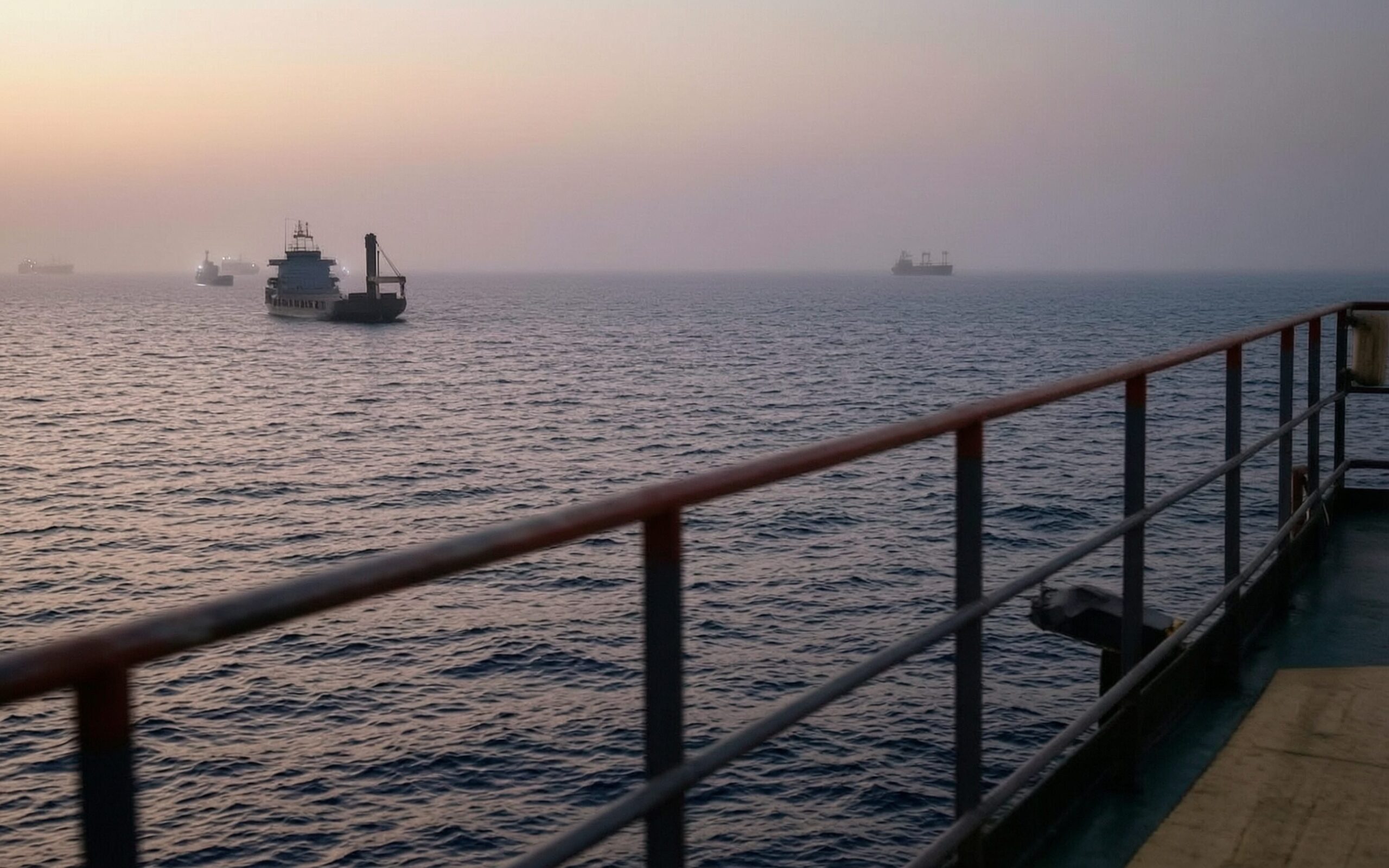
Whatever Iranian officials claimed to know exclusively, American sailors and special operators clearly knew enough to reopen the principal transit routes.
The United Kingdom Maritime Trade Operations center released a new regional traffic report Friday that included a map of the strait and the area known to contain Iranian mines.
That area generally matched locations where commercial vessels had recently reported dangerous incidents.
According to the British monitoring center, the most recent incident occurred on Aug. 26, when an “unknown projectile” struck an oil tanker.
No injuries were reported, but the attack demonstrated why mine clearance and continued naval enforcement remain necessary.
Despite the successful operation, Cooper said the United States blockade of the Strait of Hormuz remains active.
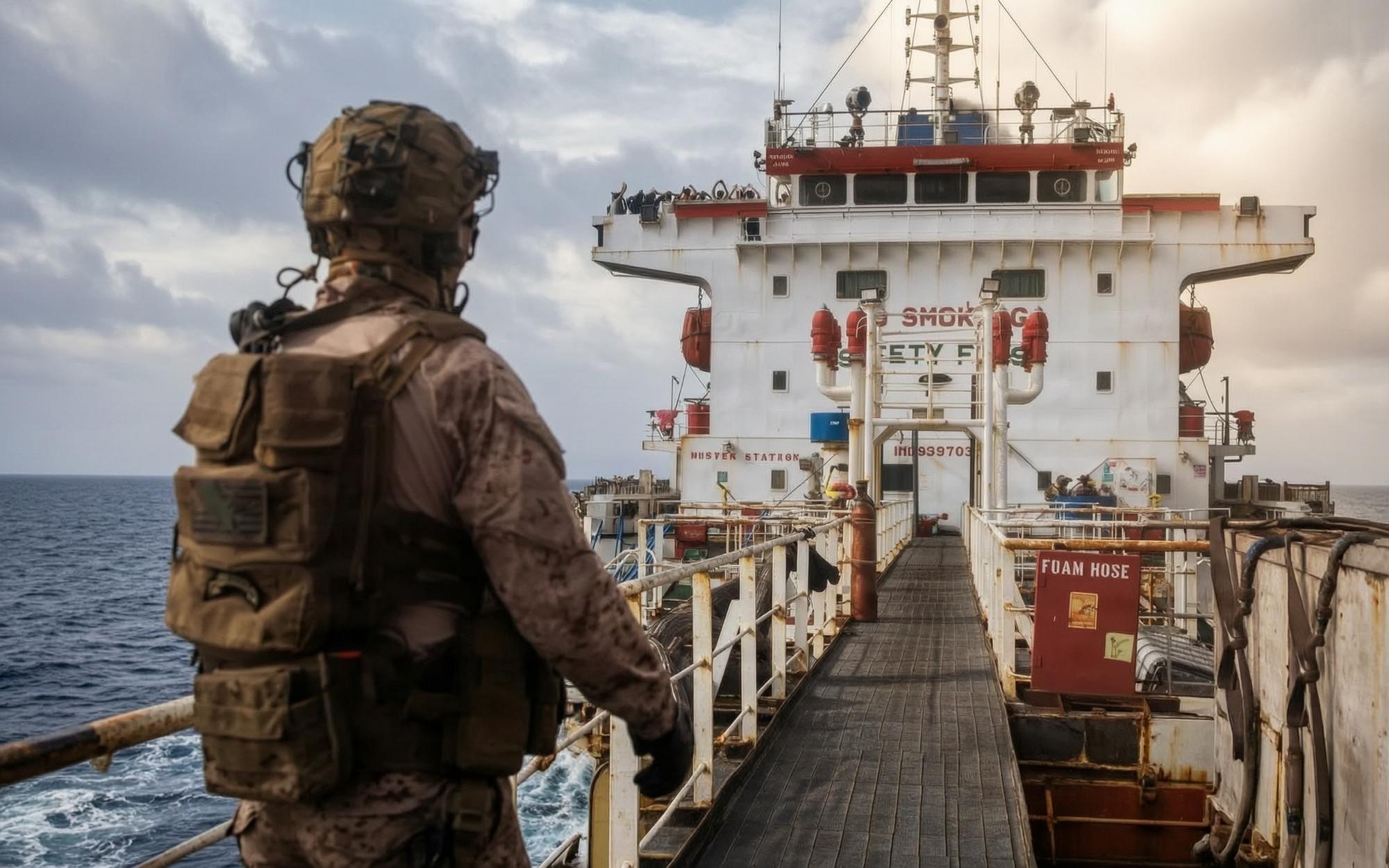
More than 20 warships are participating, and American forces have turned around 75 ships and disabled three vessels since the blockade resumed in July.
The announcement arrived at the six month mark of the Iran war. A memorandum of understanding that established a 60 day pause in fighting for permanent peace negotiations expired this month without producing a lasting settlement.
Major combat operations had already resumed in July despite that agreement, with the United States striking Iranian sites over several days.
The most recently reported American strike occurred on July 30, showing that Washington remains prepared to use force when diplomacy collapses.
Clearing the transit lanes represents a substantial operational success, but the continuing blockade makes clear that the broader confrontation is not over.
For now, Iran’s mines have been swept from the routes that matter most, and the United States Navy remains on station to ensure Tehran does not confuse restraint with weakness.
Join the Discussion
COMMENTS POLICY: We have no tolerance for messages of violence, racism, vulgarity, obscenity or other such discourteous behavior. Thank you for contributing to a respectful and useful online dialogue.