The Navy is reworking how it stocks ships, delivers supplies and schedules port calls after the USS Abraham Lincoln endured a punishing 270 day deployment that exposed serious logistical and quality of life problems at sea.
Chief of Naval Operations Adm. Daryl Caudle told reporters Wednesday in Norfolk, Virginia, that the carrier spent roughly 250 days without a port visit.
During that marathon stretch, sailors reported empty food trays, dwindling hygiene supplies and mounting mental strain.
Caudle acknowledged shortcomings in resupply operations, although he stopped short of confirming every photograph and individual account from the ship.
Here's What They're Not Telling You About Your Retirement
He said the fundamental nutritional requirements were generally being delivered.
“This is typically not about whether or not there’s protein and whether or not there’s the right amount of starches, the right amount of green vegetables, that are coming,” Caudle said.
“This is really about the things that sailors expect that are above and beyond that.”
“These are, you know, the kind of ship store items that we do to try to make this right.”
This Could Be the Most Important Video Gun Owners Watch All Year
“These are, you know, Monster drinks and hygiene products and Starbucks coffee.”
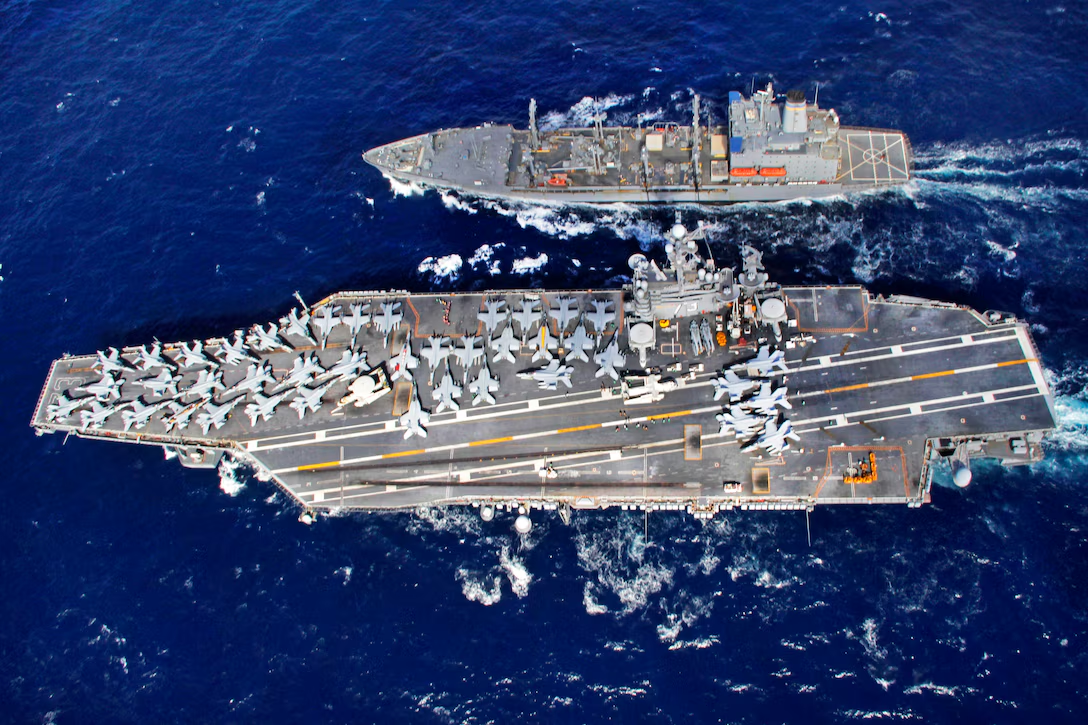
Those extras may sound minor to civilians safely planted on dry land, but they matter considerably during months of combat operations without liberty ashore.
Sailors and family members reported severe shortages of soap and toothpaste, while Navy officials said limited resupply capacity forced hygiene products behind food in the priority line.
The deployment also produced troubling reports about deteriorating mental health aboard the Lincoln, including at least two reported suicide attempts.
The combination of combat demands, uncertainty and no visible endpoint placed intense pressure on sailors and their families.
“It’s a fair critique that there were some puts and takes at the beginning of Epic Fury until we got [resupply] dialed in,” Caudle said, referring to the name the War Department assigned to the Iran conflict. “I think we’re in a good place with that now.”
The Navy still faces major structural obstacles, especially after Naval Support Activity Bahrain was destroyed at the beginning of the conflict.
The installation had served as a primary American supply hub in the Middle East, and replacing that capability is no small logistical chore.
Caudle did not reveal specific details about how the service is rebuilding its supply network.
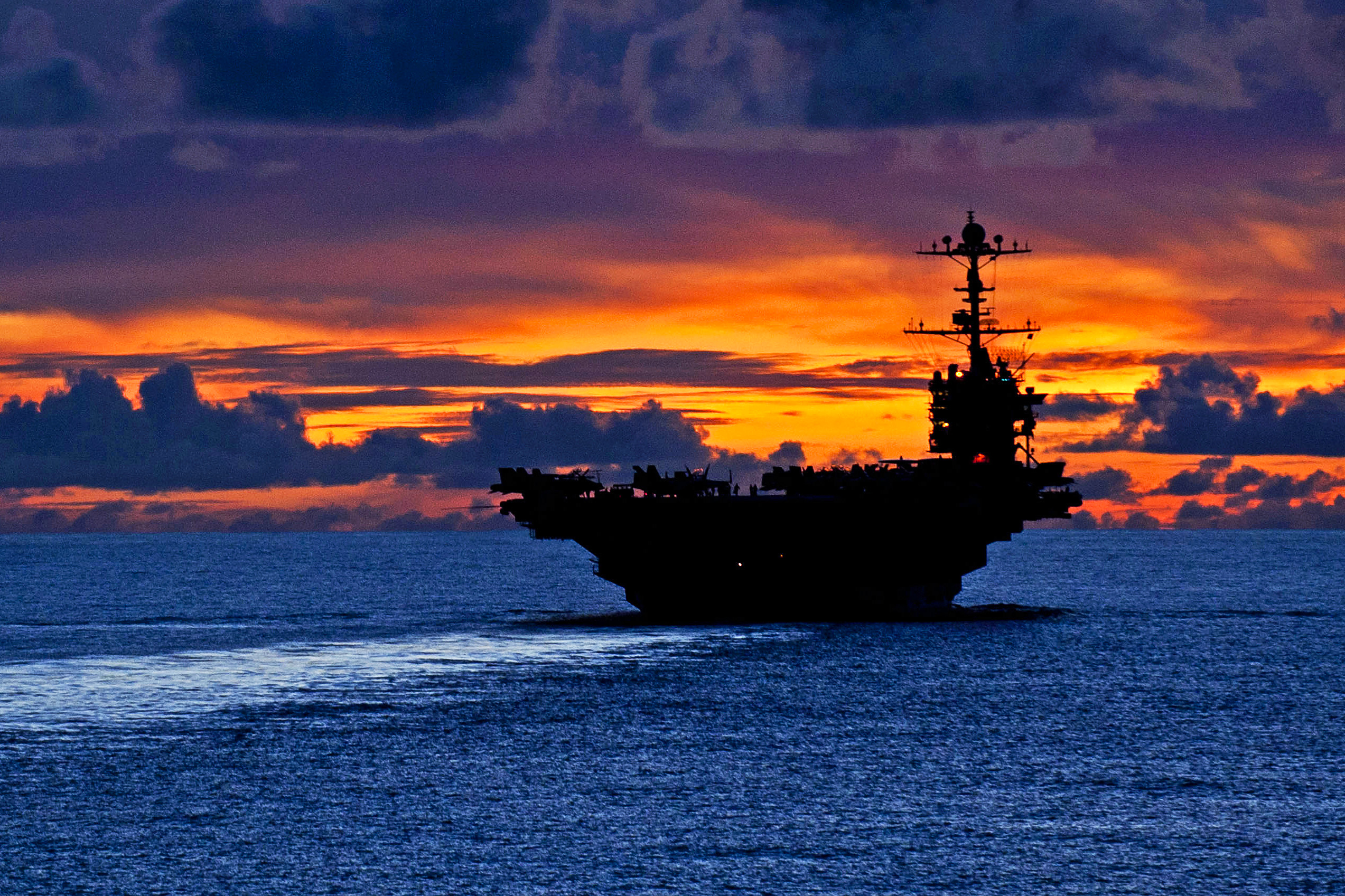
However, preparations are already underway for the USS Theodore Roosevelt and its strike group, which are expected to deploy later this fall and could be sent into the same region.
“We are working to get into that strike group’s pre-deployment, from briefs to stockpiling things that are part of the ship store to making sure parts support is at its highest for the air wing as well as ship’s force equipment,” Caudle said, adding that families are receiving advance briefings about likely conditions.
The Navy is also examining safer port options beyond the immediate reach of Iran. Caudle said he is working with Vice Adm. Curt Renshaw, commander of the Fifth Fleet, to consider Kenya, Diego Garcia and India as potential locations.
Those destinations offer distance from Iranian attack capabilities, but distance carries a price.
Caudle called it a “transit tax” involving additional time off station, fuel consumption and other resources needed to move a carrier strike group there and back.
“I’ve got to work very carefully with the Fifth Fleet commander to go do that and make sure that there’s an understanding of the forecast and combat operations to allow something like that to be done,” he said.
“[U.S. Central Command Commander] Adm. [Brad] Cooper wants to work with me on this.”
“He understands what we’re asking of our Navy …”
“I’m confident that what we’ve learned from Abe, that I can apply, to do that more effectively as other carrier strike groups move into the theater.”
Caudle also wants greater “risk-sharing” between the Navy and Central Command when deployments must be extended.
Clearer decisions from commanders could give sailors and families firm expectations instead of leaving them trapped in an open ended waiting game.
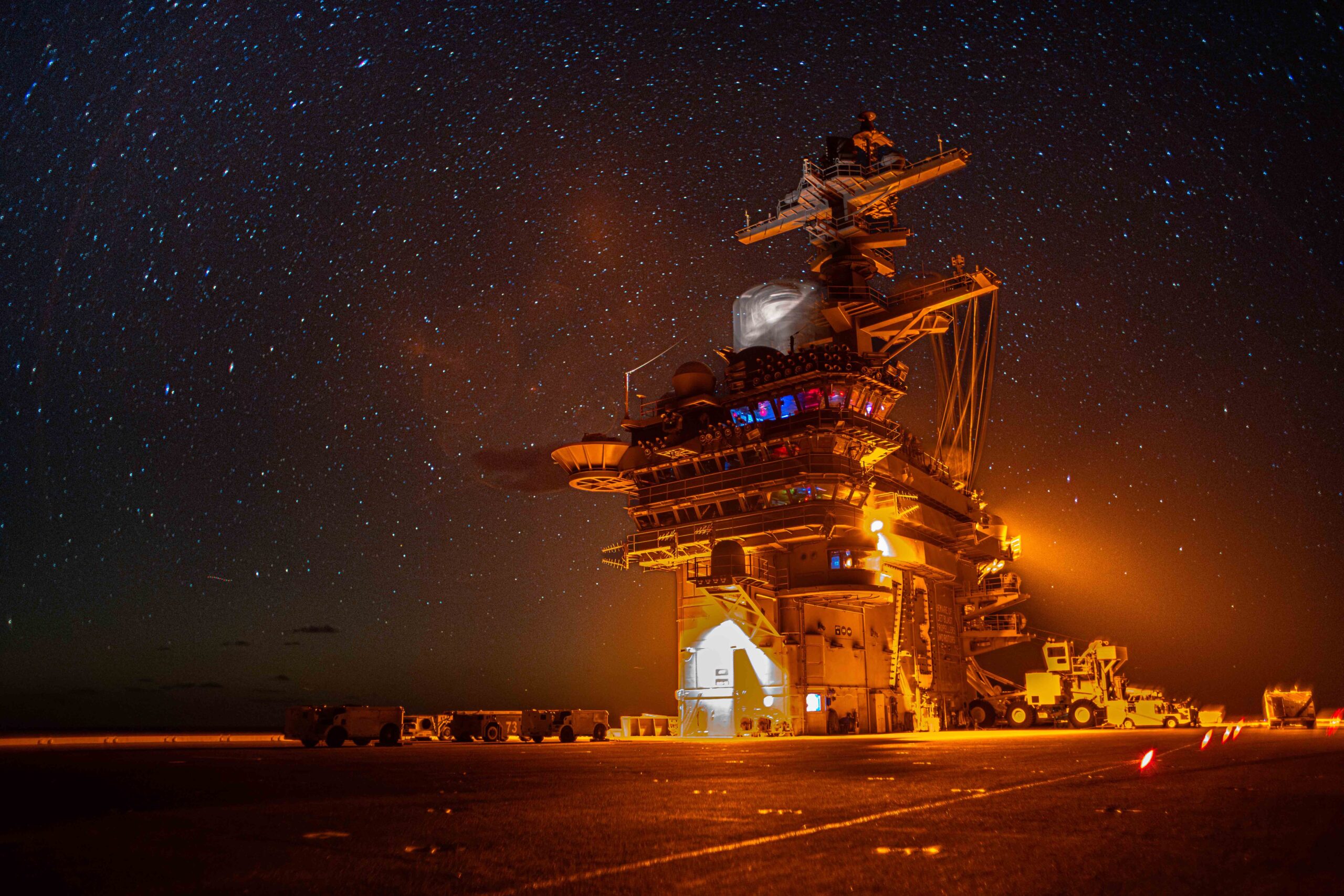
“The families, [when] they don’t see any endpoint in mind, so they can plan their own lives, I think that creates a lot of stress for sailors,” he said.
“If I can get the actual extension and when we’re coming home a little bit more defined, I think that relieves a lot of tension that I think that sailors experience.”
The Lincoln’s deployment delivered a blunt lesson: combat power depends on more than aircraft, missiles and impressive press releases.
It also depends on getting sailors food, soap, replacement parts and honest information before strain turns into a crisis.
Are you feeling overwhelmed or hopeless right now? Have you been withdrawing from people or activities you usually enjoy? Are you having thoughts about hurting yourself, or feeling like things will never improve?
You do not have to handle those feelings alone. Support is available, and talking to someone can make a difference. You can reach out to the 988 Suicide & Crisis Lifeline by calling or texting 988, or by chatting online at 988lifeline.org. Trained counselors are available 24 hours a day to listen and help.
If you believe someone is in immediate danger, call emergency services right away. Even a small step, like reaching out to a trusted friend, family member, or professional, can help create a path forward.
Join the Discussion
COMMENTS POLICY: We have no tolerance for messages of violence, racism, vulgarity, obscenity or other such discourteous behavior. Thank you for contributing to a respectful and useful online dialogue.