A sailor aboard the USS Abraham Lincoln expected to reenlist before the aircraft carrier began its current deployment.
After more than nine months of relentless operations, training, and drills, that once straightforward career plan is now in serious doubt.
“I planned to reenlist before this deployment, but now I’m reconsidering,” the sailor told Military Times anonymously because of concerns about reprisal.
The Lincoln deployment was extended to support operations in the Middle East, adding more uncertainty to an already punishing schedule.
Here's What They're Not Telling You About Your Retirement
“Not knowing what’s happening wears me down,” the sailor said. “If we’re not in active operations, we’re training and running drills.
It is non stop round the clock, and it has been for months.”
The pressure is also damaging relationships aboard the ship, creating short tempers, arguments, and “bad feelings” among sailors who previously got along.
“We just need some relief,” the sailor added. “It’s not sunshine and rainbows out here.”
This Could Be the Most Important Video Gun Owners Watch All Year
That account highlights a difficult Navy personnel question: How long can the service maintain relentless operational demands before experienced sailors decide the career is no longer worth the personal cost?
Current retention remains above Navy goals, but strong overall numbers do not erase the warning signs appearing on individual ships.
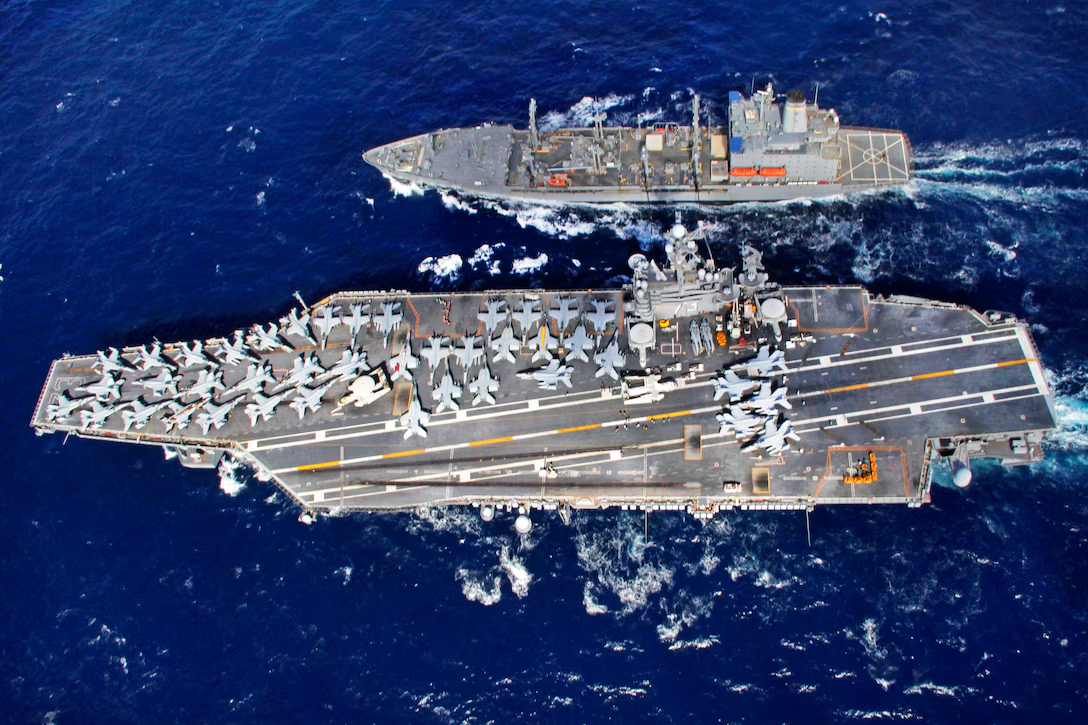
Andrea Goldstein, a former force resiliency director for the Department of the Navy, said the service was “burning sailors out unnecessarily.”
She described a familiar military problem with a blunt assessment: “You’re consistently being asked to do more with less.”
Manning directly affects watch schedules, sleep, maintenance work, and the amount of time sailors have to complete routine duties.
“Your sleep impacts your mental health, [just like] whether or not you get good food,” Goldstein said.
Goldstein, a Navy reservist who spent seven years on active duty, said numerous experiences influenced her decision to leave active service.
“The uncertainty and loss of control is certainly a big one,” she said.
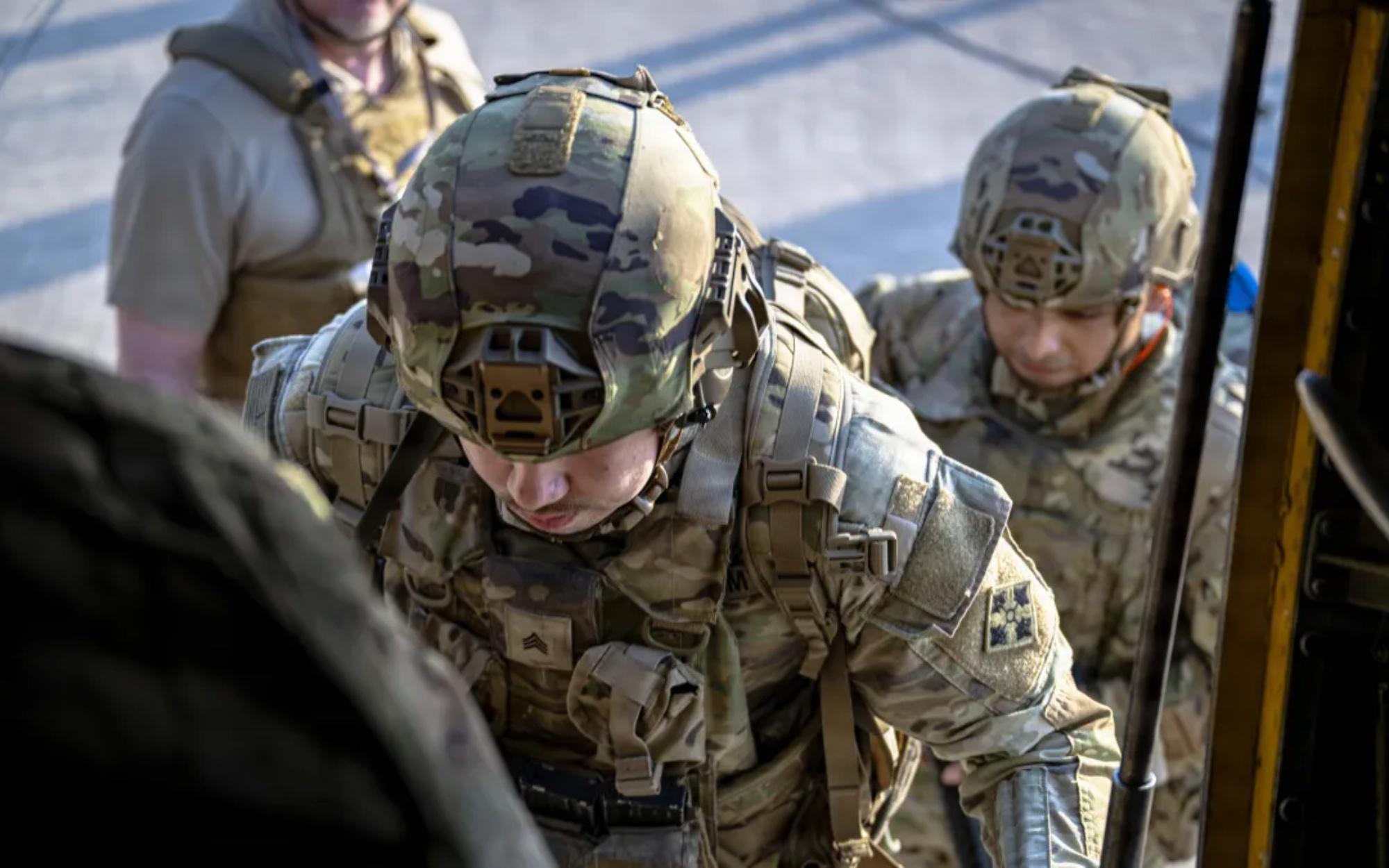
The Navy says its Personnel Tempo system records how many days individual sailors spend away from homeport, and officials want to use that information for assignments and quality of service improvements.
However, the broader fleet does not have a publicly defined “red line” identifying when cumulative demands have become excessive.
Virginia Burger, a Marine Corps veteran and analyst with the Project on Government Oversight, said difficult deployments become more damaging when troops lack a clear mission or endpoint.
“You have to give them a cause, something that they can use as motivation,” she said.
The burden also reaches families who must continue living while sailors remain at sea for months beyond original expectations. “Life goes on, kids keep growing,” Burger said.
“You can only put so much on hold.”
When experienced sailors leave, the consequences can spread throughout a command because fewer qualified people remain to handle specialized work.
“If that becomes even more of an issue with people just not reenlisting, people retiring early, getting out sooner; that will leave units gapped in critical capabilities,” Burger said. “It will 100% cause a readiness issue.”
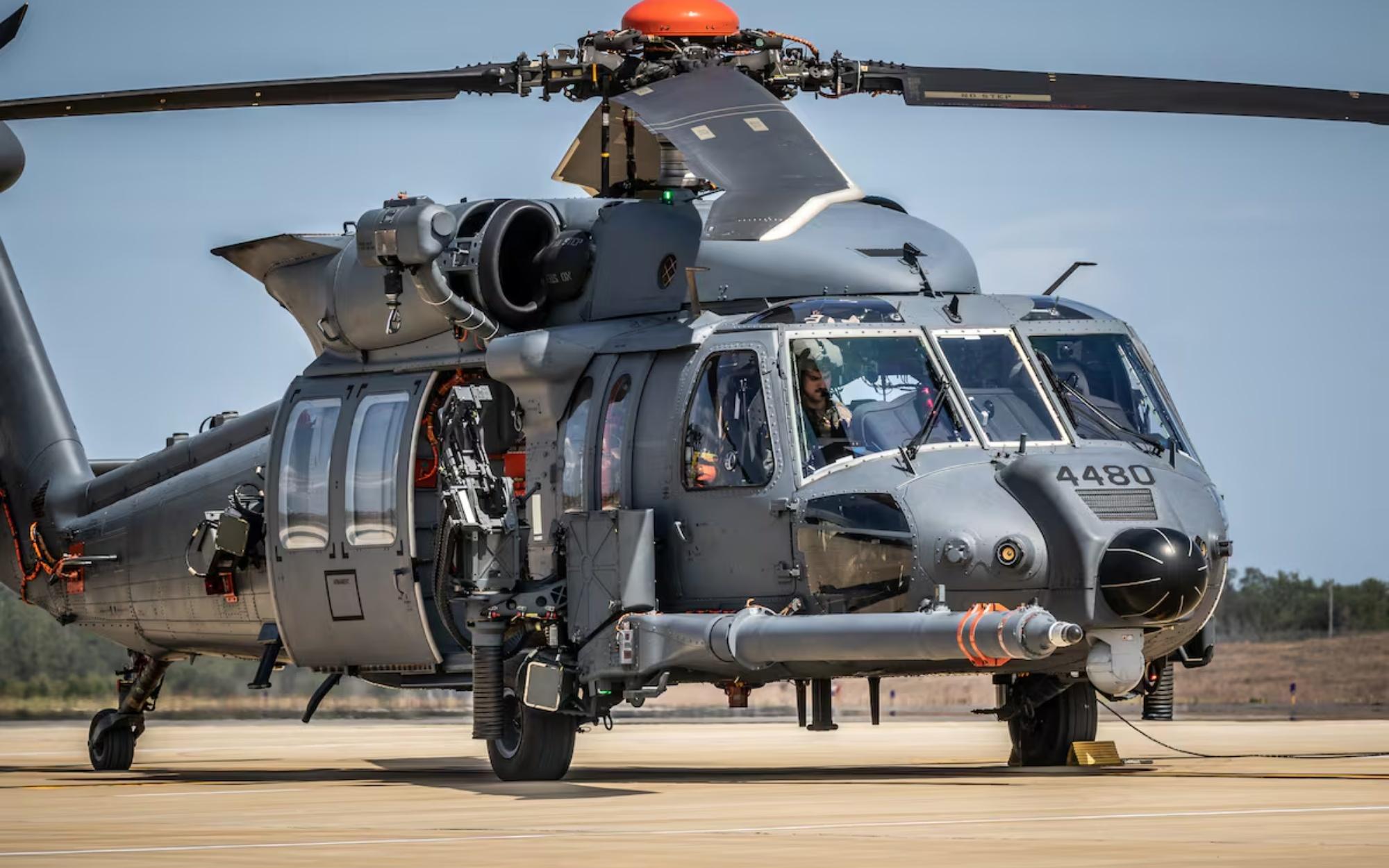
Historical research presents a complicated picture rather than a simple connection between long deployments and separation.
A 2004 Center for Naval Analyses study found deployments longer than eight months did not produce lower first term reenlistment than typical six month deployments, but quick turnarounds and additional underway time between deployments did hurt retention.
A separate 2006 study found reenlistment declined as the number of deployment periods increased after the September 11 attacks.
RAND research also found that uncertainty about departure dates, return dates, and mission expectations contributed to stress, while consistently working beyond a normal duty day increased personal and professional strain.
The Navy has responded with retention programs, surveys, mentoring, and direct outreach to sailors considering separation.
Full Power Navy engagement data showed 35 percent reenlisted, 24 percent separated, 4 percent were pending separation, and 37 percent remained undecided among the sailors contacted.
The finalized 2025 Health of the Force survey found 63 percent of participants planned to remain until retirement, while 14 percent planned to leave at their next opportunity.
Job satisfaction rose from 52 percent in 2024 to 56 percent in 2025, although 40 percent of respondents still said their workload was too heavy.
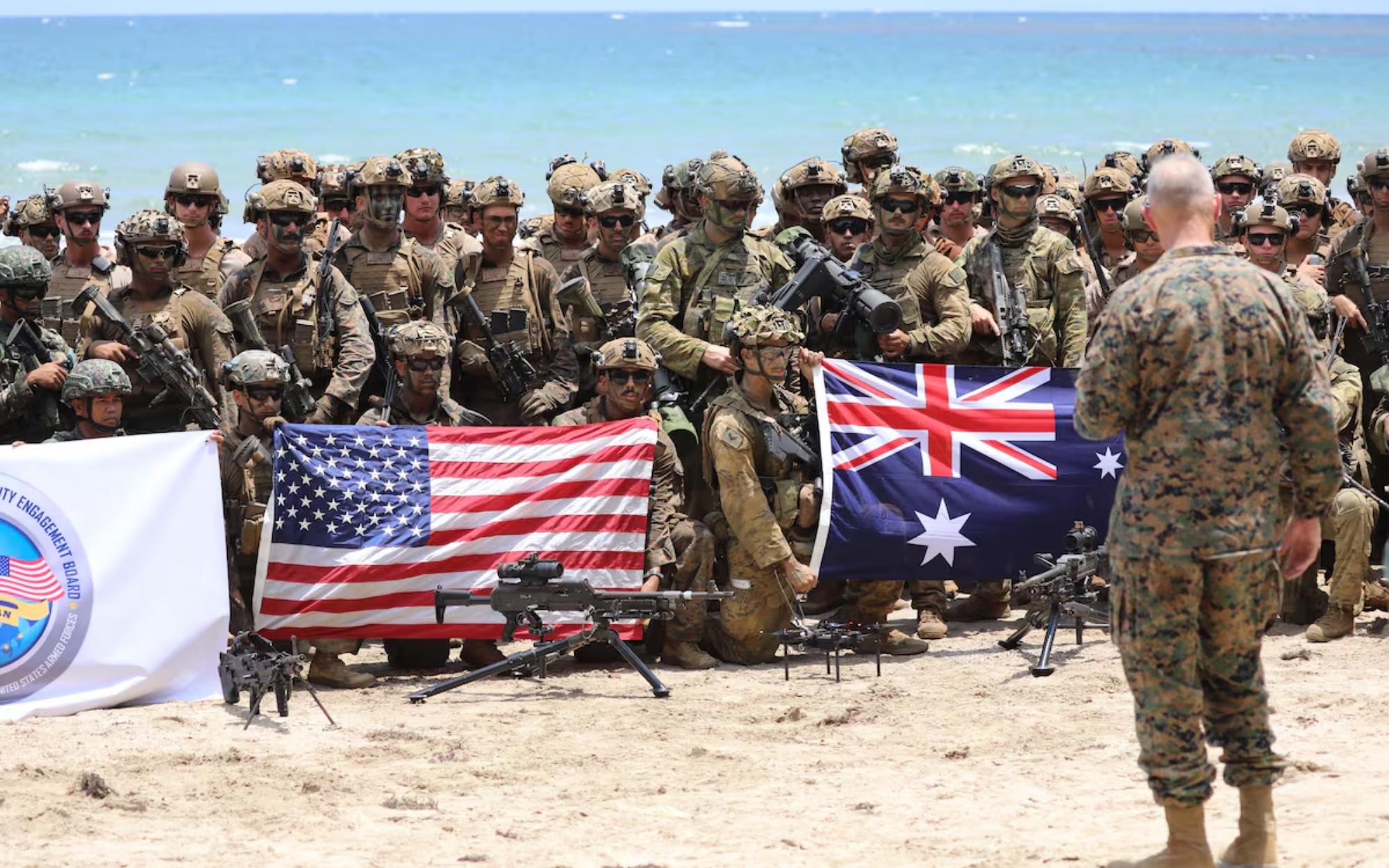
Family impact and work life balance remain major reasons sailors consider leaving, even as enlisted retention exceeds goals across all three career zones.
The Navy is introducing sleep science, nutrition, fatigue management, wellness programs, and embedded resiliency personnel, but no framework can manufacture more hours in the day or replace months lost with family.
For the Lincoln sailor, poor sleep beneath the flight deck and unreliable wireless access have added to the accumulated frustration.
“This deployment may be the breaking point, but it’s not the only reason,” the sailor said. “I have been questioning if this is the career trajectory I want to continue on because I think I can probably be a lot happier doing something else.”
The sailor still values the mission and the service, making the decision even more painful. “I love the Navy, I love my job. I just don’t know if I can do this again.”
Join the Discussion
COMMENTS POLICY: We have no tolerance for messages of violence, racism, vulgarity, obscenity or other such discourteous behavior. Thank you for contributing to a respectful and useful online dialogue.