The 15th deployment of U.S. Marines to Australia is proving that a temporary base does not mean a limited mission.
This year’s Marine Rotation Force Darwin became the first rotation certified as a Special Purpose Marine Air Ground Task Force, giving commanders a flexible and credible combat formation in the Pacific.
“This is the first rotation in the 15 year history of the program to be certified as a MAGTF, and that’s a big deal,” said Col. George Flynn, commanding officer of MRF D 2026.
The certification confirms that the force can execute assigned missions across a sprawling and increasingly contested theater.
Flynn said a commander “knows the force is going to be able to accomplish all those tasks it’s assigned as part of its task order to facilitate operations in the theater.”
In plain English, these Marines are not in Australia for sightseeing and ceremonial handshakes.
“What makes it special purpose is just the uniqueness of how it’s placed here in Darwin in support of the Pacific theater,” Flynn said.
“We’re responsible for being ready for the full spectrum of operations from full scale combat to humanitarian assistance and disaster relief.”
The certification was completed during an exercise in the Philippines in early May, making what Flynn called “an incredible statement” about the unit’s ability to answer a crisis.
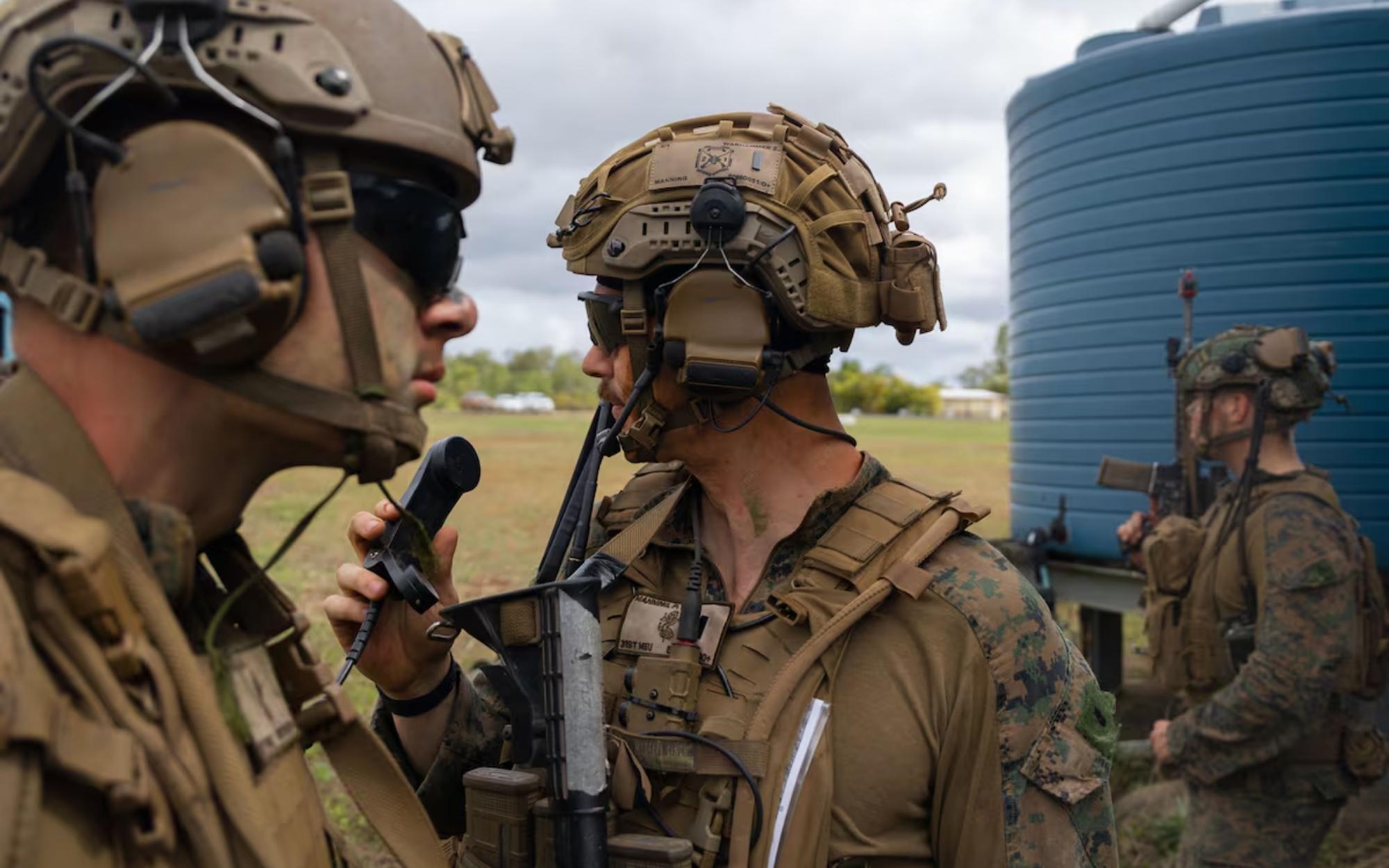
That readiness matters as China expands its military presence and regional nations look for dependable American leadership.
MRF D is authorized to include 2,500 personnel, although Flynn typically commands about 2,000 Marines and sailors in the task force.
The force arrived in Darwin in March and includes California based 1st Battalion, 5th Marines, along with MV 22B Ospreys from Hawaii based Marine Medium Tiltrotor Squadron 268.
Flynn observed that “the Marine Corps, we always seek to deploy,” and this rotation has lived up to that reputation.
Personnel have already traveled to six or seven countries while handling 13 planned operations, activities, investments or exercises.
“We’re busy, but Marines are having a great time,” Flynn said.
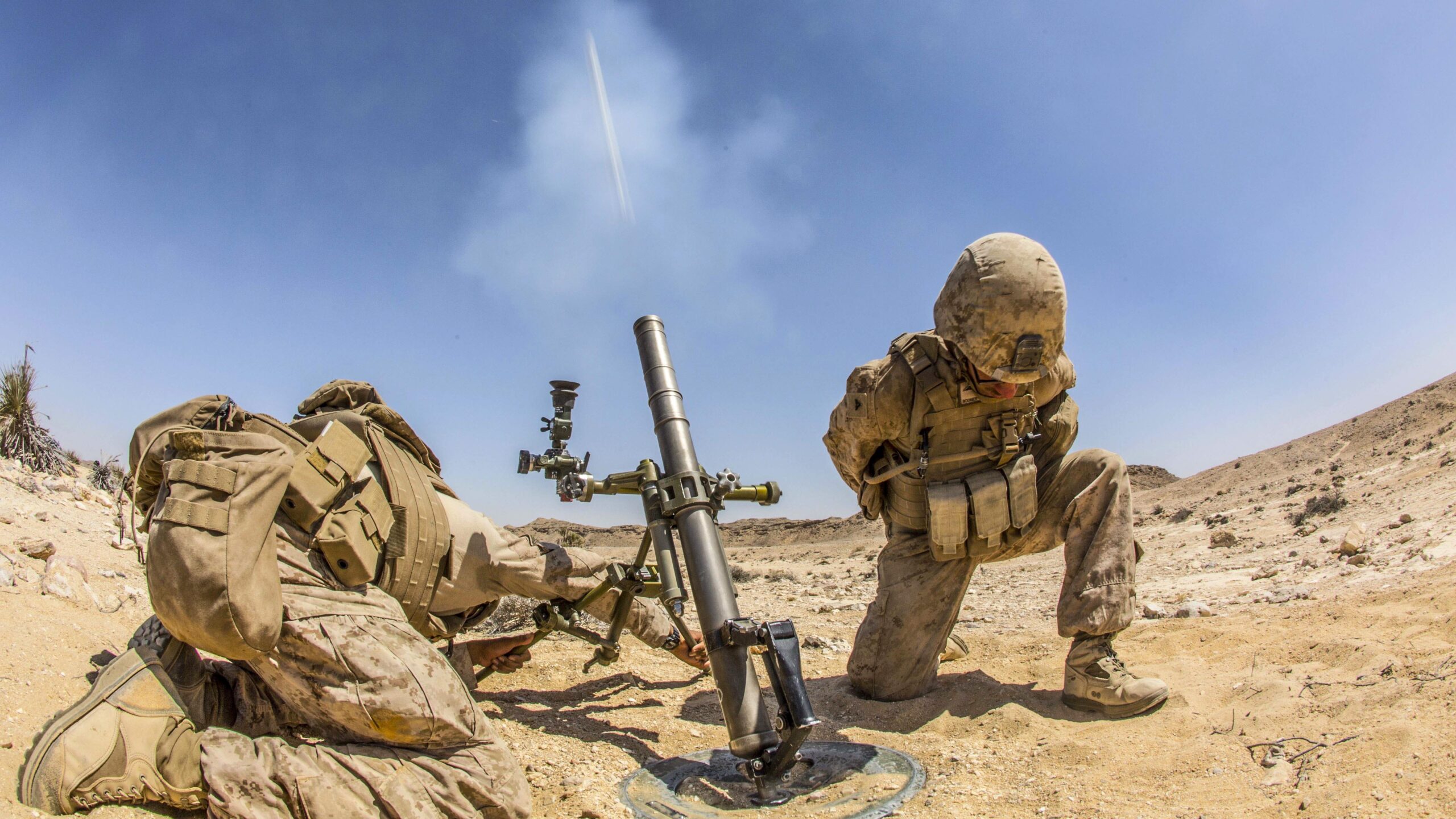
“We’ve been in the Philippines, we have forces in Indonesia right now, and we have forces that are getting ready to go to Tahiti to do training with the French. And we’ve certainly been all over the Australian continent.”
In Australia, the Marines have trained with the Army’s Darwin based 1st Brigade and Townsville based 3rd Brigade.
The partnership with the 1st Brigade is especially valuable because the Australian formation now specializes in littoral warfare, an increasingly important mission across the island chains of the Indo Pacific.
“We get to share good practices,” Flynn said.
“We have a great relationship with 1st Brigade.” Those relationships create practical battlefield familiarity rather than the empty diplomatic theater beloved by international bureaucrats.
Operating across distant locations at the same time creates logistical and command challenges, but Flynn views the difficulty as an opportunity.
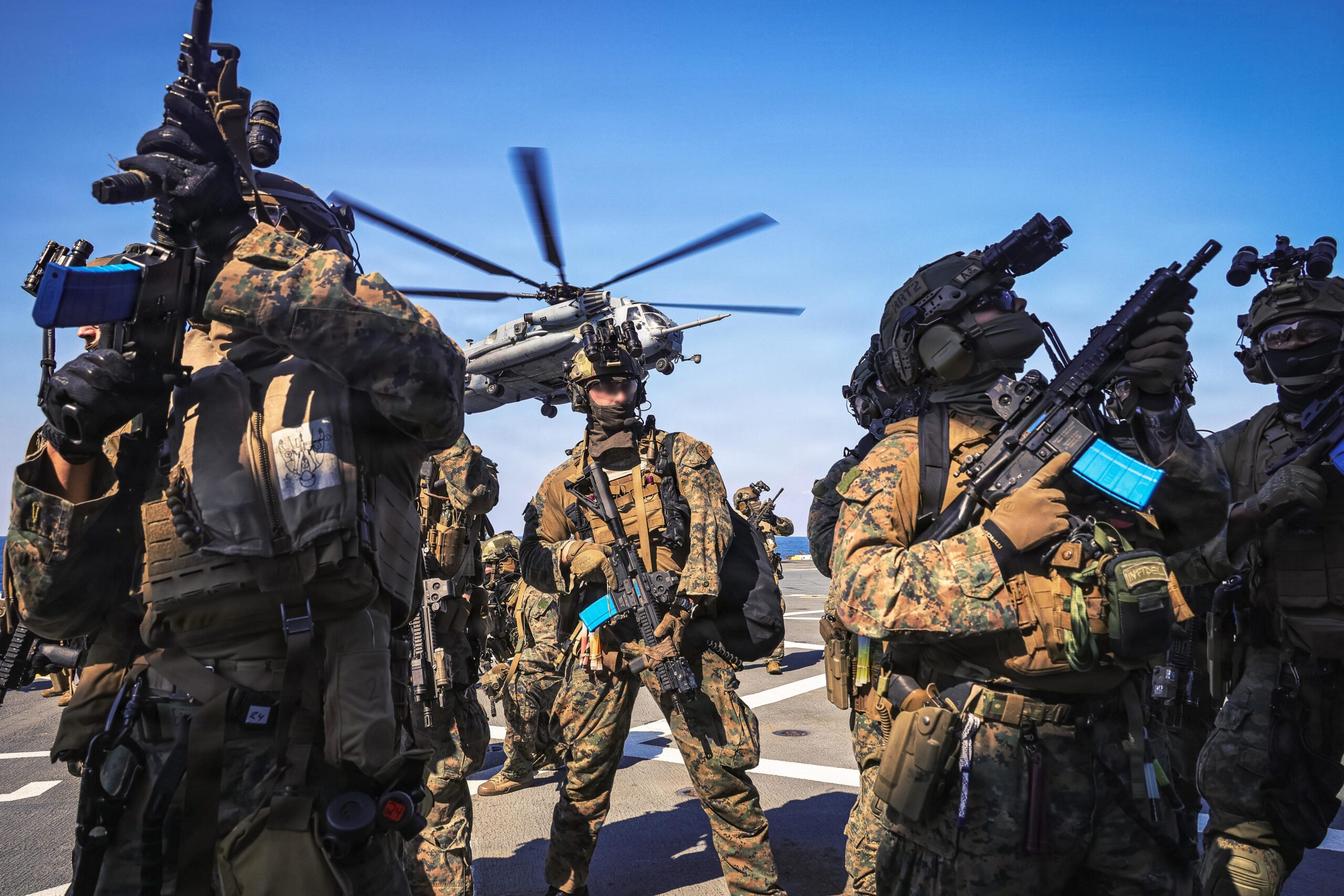
“It’s a good challenge to have. It allows us to demonstrate our ability to be distributed, and how well we can achieve operational reach throughout the region.”
“I think it goes to demonstrate that, where needed, Marines can show up and provide the support that Marines are capable of providing,” Flynn added.
Australia’s vast training areas also allow the force to gain and maintain readiness instead of watching proficiency decline after deployment begins.
The task force has tested satellite and high frequency communications while maintaining command over widely dispersed elements.
“At no point have I ever felt challenged with being able to command and control the force based on the capabilities that we’re working with,” Flynn said.
Modernization is also moving beyond Pentagon briefing slides and into the hands of Marines.
“Our Sec War has been adamant about increasing capabilities of the force with regards to small UAS and first person view, one way attack drones,” Flynn said, noting that those systems were tested during live fire training in the Philippines.
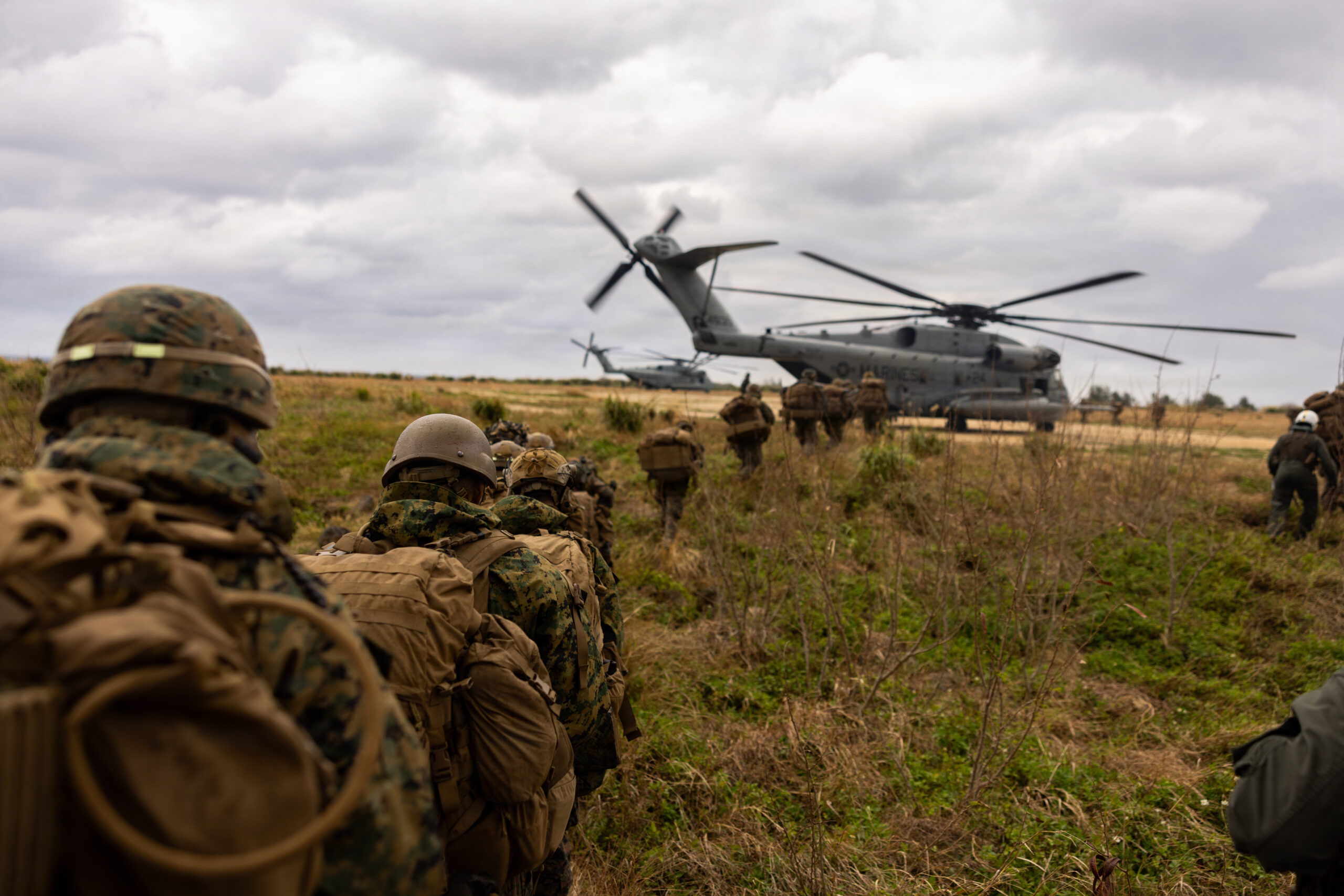
The Marines also used unmanned aircraft to move supplies through Australian training areas, although the service is still increasing its ability to defeat hostile drones.
Flynn said additional airlift would further improve “lift and the ability to move the force around the theater,” a basic requirement when operating across enormous Pacific distances.
“I’m beyond happy with what we’ve been able to demonstrate with our operational reach,” Flynn said.
He added that expanding interoperability with allies and partners while moving forces throughout the theater should remain a priority.
Flynn said the deployment has strengthened relationships with Australia and other regional partners while proving what a MAGTF can accomplish. He credited Marines and sailors who “understand their purpose, and they operate with happy hearts out here.”
“I think our presence, our posture and our ability to demonstrate that we can get into locations and be responsive to countries in need facilitates that free and open Indo Pacific,” Flynn said.
The six month rotation ends in October, shortly before northern Australia’s wet season arrives, but its message of American readiness will linger.
Join the Discussion
COMMENTS POLICY: We have no tolerance for messages of violence, racism, vulgarity, obscenity or other such discourteous behavior. Thank you for contributing to a respectful and useful online dialogue.