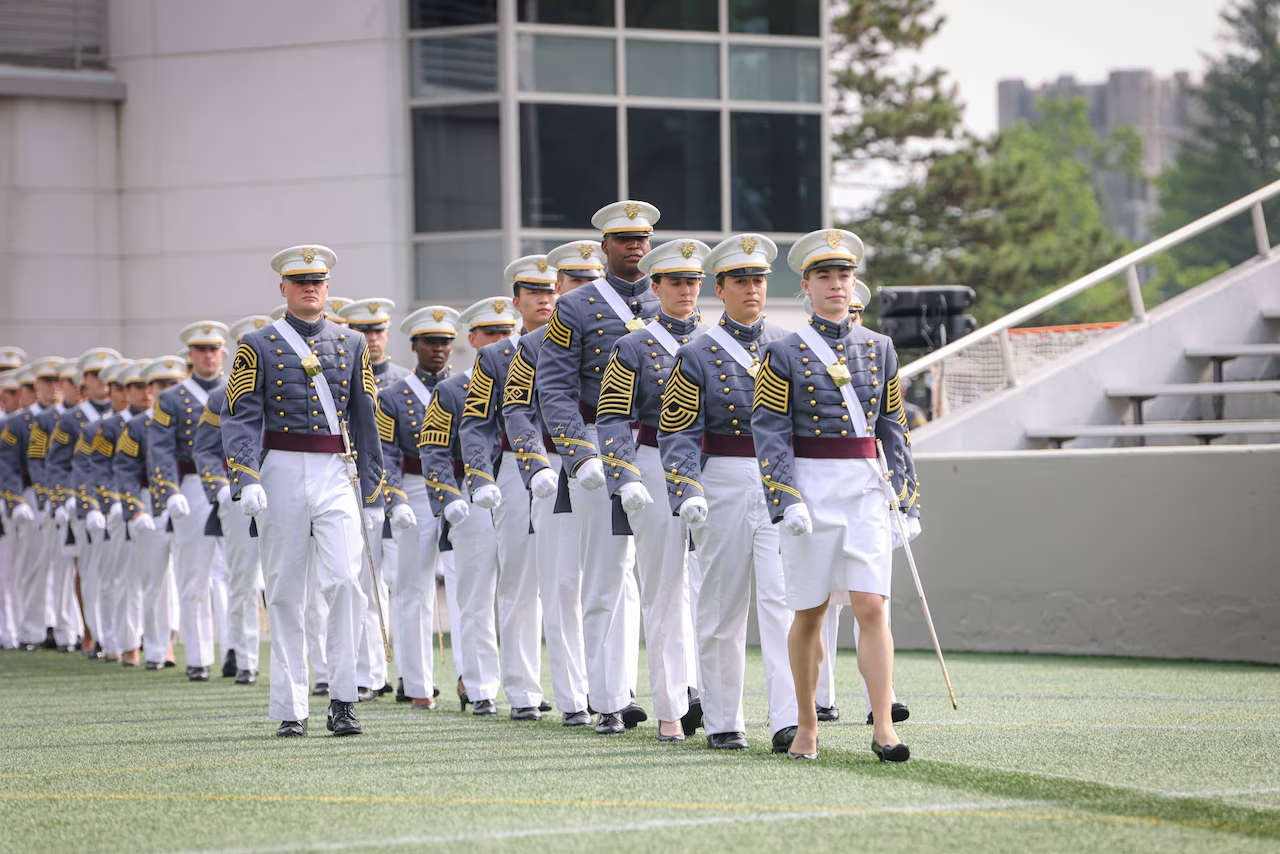
A longtime West Point professor has sued the U.S. Military Academy, alleging officials ended his employment after ordering faculty members not to teach cadets that human activity contributes to climate change.
The complaint raises another serious dispute over academic freedom, military education and how future Army leaders are prepared to assess national security threats.
Adam Kalkstein taught climate science at West Point for more than 17 years before the academy decided not to renew his appointment.
His lawsuit claims officials retaliated against him after he challenged a directive to remove discussion of anthropogenic climate change from classroom instruction.
Here's What They're Not Telling You About Your Retirement
West Point confirmed that it knows about the case but declined to address the specific accusations.
“The U.S. Military Academy is aware of the lawsuit and take all such matters seriously. Because this involves active, pending litigation, we will not comment further on the allegations contained in the public court filings at this time,” the USMA told Military Times in a statement.
According to the lawsuit, Geography and Earth Sciences faculty members were summoned to an emergency meeting in September 2025.
They were allegedly told to stop teaching anthropogenic climate change, remove references from their courses and avoid speaking with journalists or politicians under threat that the department could be dissolved.
This Could Be the Most Important Video Gun Owners Watch All Year
Kalkstein objected because he believed the order required instructors to omit established scientific findings.
Although he ultimately complied, he reportedly took his concerns to department leaders, West Point’s inspector general and the academy’s legal office.
The professor also requested a meeting with West Point’s dean, then Brig. Gen. Shane Reeves.
During that November 2025 discussion, Kalkstein argued that excluding human causes from climate instruction was unethical, inconsistent with Army values and dishonest to cadets.
“We’re only telling cadets part of the story. We’re lying to them, deceiving them. It would be like trying to teach the law without being able to even mention the Constitution,” Kalkstein said during the meeting.
The lawsuit alleges Reeves reacted angrily, yelled at Kalkstein, suggested that he resign and then stormed out.
Those claims have not been tested in court, and West Point is withholding further comment while the litigation remains active.
Kalkstein continued teaching through the fall and into 2026, according to the complaint.
In May, his department head informed him that West Point would not renew his appointment beyond December 2026, despite earlier verbal and written assurances about his continued employment.
The professor also claims he had outside grant funding that could have kept paying his salary.
Nevertheless, academy officials allegedly cited “poor character and temperament,” pointing to his contentious meeting with Reeves despite years of strong performance evaluations.
The lawsuit arrives as the Trump administration continues reshaping military institutions and removing diversity, equity and inclusion programs that distracted from readiness and warfighting.
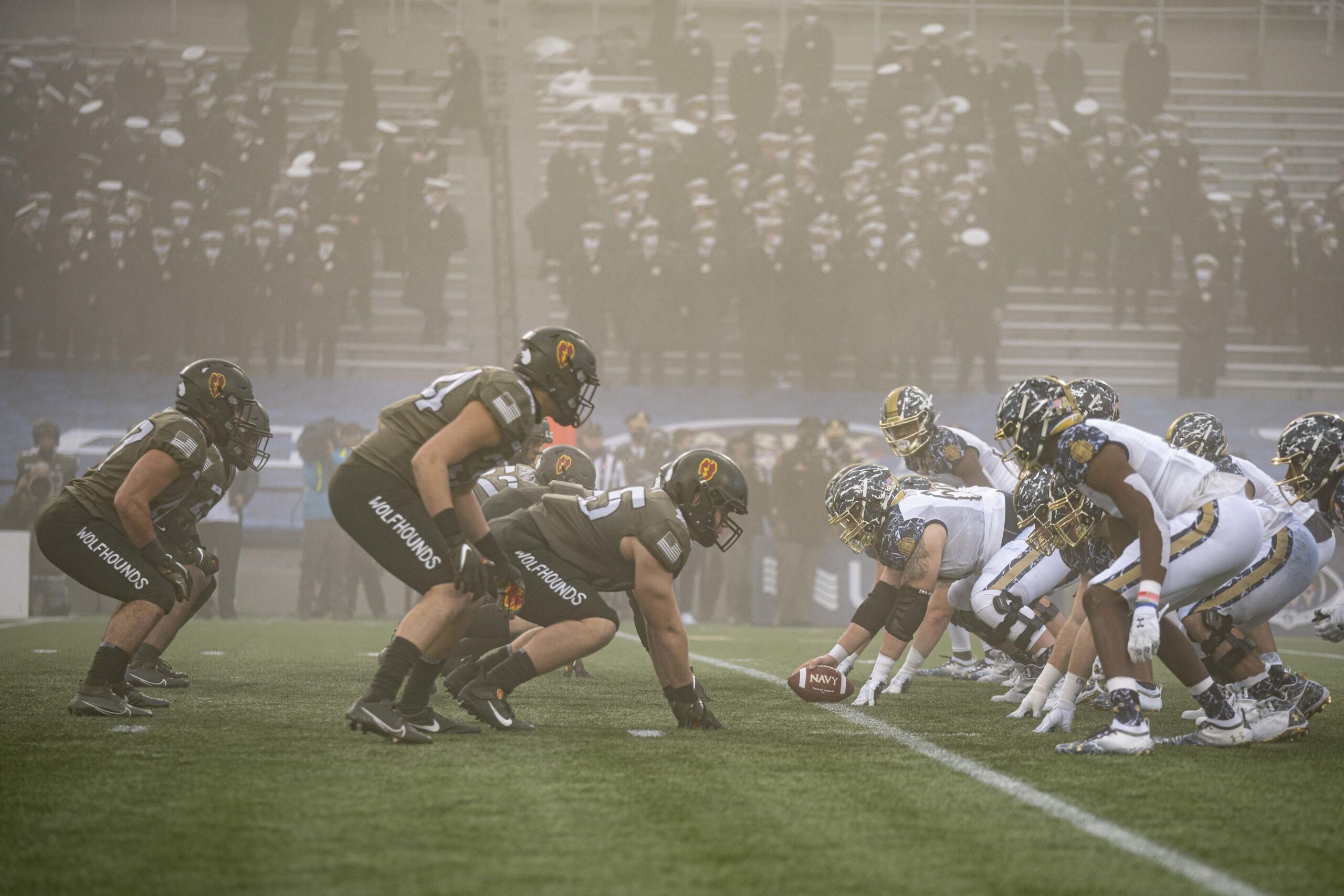
West Point closed about a dozen clubs for women and minority cadets in February, while the Naval Academy removed hundreds of books in April under guidance from War Secretary Pete Hegseth’s office targeting material that promoted DEI ideology.
Kalkstein’s case, however, is presented as a dispute over scientific instruction rather than a defense of the left’s sprawling ideological bureaucracy.
His attorney, Michael H. Sussman, described Kalkstein as a conservative Republican who does not necessarily oppose President Donald Trump or Hegseth on ideological grounds.
Rather, Sussman called his client “someone who believes that cadets should be educated in what’s true.
He’s someone who has a very strong feeling that as a scientist, he has to follow the science.”
Sussman said Kalkstein wrote directly to Hegseth, but the letter never reached the War Secretary because it was blocked by the chain of command.
MORE NEWS: Navy’s Sweeping Billet Based Advancement Shift Leaves Nuclear Sailors on a Separate Track
The professor framed climate education as a national security issue involving Arctic competition, military infrastructure and long range operational planning.
“Without acknowledging human influences on Earth’s climate system, we would be unable to prepare for the future,” Kalkstein wrote.
“For example, how can our country compete with the Russians in the Arctic if we ignore what’s causing the present-day melting? Likewise, how can we prepare our assets along the coast if we don’t know what’s causing the seas to rise?”
The complaint follows a separate ruling involving longtime West Point professor Tim Bakken.
A federal judge blocked academy restrictions on civilian professors’ speech, finding West Point could not broadly prevent instructors from expressing classroom opinions concerning subjects they teach.
Kalkstein is now asking the courts to determine whether West Point crossed that same constitutional line when it allegedly punished him for challenging the climate directive.
The case could force the academy to explain whether the order served a legitimate military purpose or merely replaced one brand of campus orthodoxy with another.
Join the Discussion
COMMENTS POLICY: We have no tolerance for messages of violence, racism, vulgarity, obscenity or other such discourteous behavior. Thank you for contributing to a respectful and useful online dialogue.