WHAT YOU NEED TO KNOW
- The Army awarded a Palantir subsidiary $48.1 million to develop ammunition management software.
- The software will consolidate nine legacy platforms and track munitions throughout their lifecycle.
- Palantir won through a three phase selection process conducted over six weeks.
- Development will take 12 months, followed by five additional years of support.
The U.S. Army has awarded a Palantir Technologies subsidiary a $48.1 million contract to develop software intended to improve how the service tracks and manages ammunition.
The effort targets a sprawling digital process built around nine separate legacy platforms.
According to the Army’s announcement last week, the software will streamline ammunition management by consolidating those platforms.
The service is seeking a more unified system for handling information across the ammunition lifecycle.
“Ultimately, this system is one element to modernize overall ammunition systems, retire legacy systems and improve audit readiness,” the service said.
The contract places Palantir at the center of that modernization push.
The planned software will use “commercial low-code, no-code technology,” according to the Army.
Soldiers are expected to use the system to track munitions from the beginning of the management process through their final disposition.
That broad lifecycle includes “planning, production, and procurement, to storage, surveillance, distribution, expenditure, and final disposition,” the service said.
The platform is therefore intended to cover numerous stages that currently depend on separate systems.
The contract arrives as the Army works to address longstanding problems within its ammunition management processes.
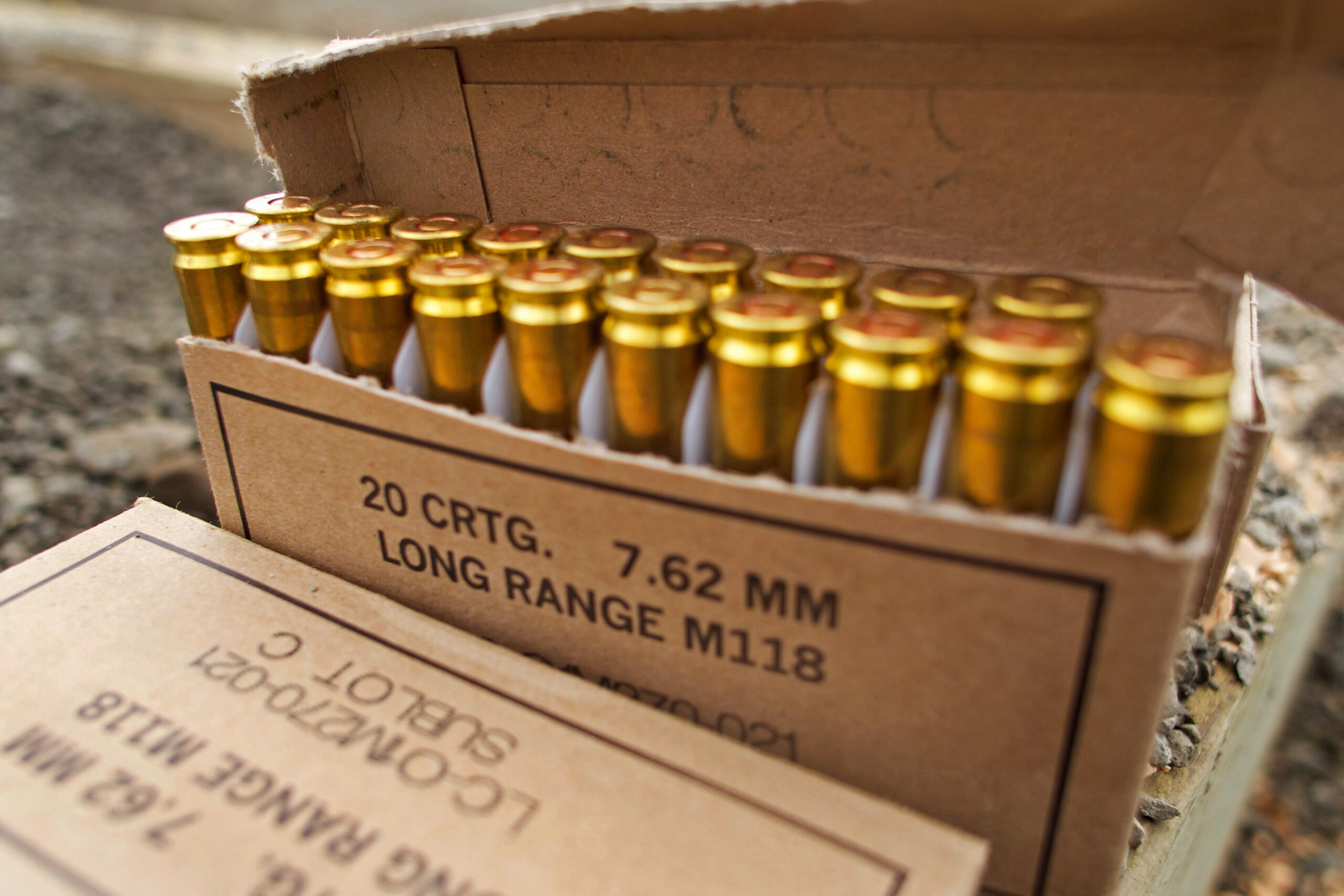
Those problems were described in March in an article published by the Army’s Line of Departure journal.
The article identified inaccurate forecasting and disconnected digital systems among the shortcomings affecting the Army’s existing processes.
At lower levels, ammunition forecasts often rely on assumptions and historical trends instead of actual demand connected to training cycles.
That forecasting approach can leave the service without a direct digital link between training needs and ammunition planning.
The Army’s legacy systems also operate independently from one another.
Because those platforms are disconnected, changes to training schedules may not be reflected across the ammunition management process in real time.
The journal article offered a blunt assessment of what that means for the service.

“The result is an accountability model failing to meet the operational tempo or digital expectations of the modern force,” the article says.
The new software is designed to replace that divided structure with a consolidated approach.
Palantir has led or contributed to several military programs integrating artificial intelligence into workflows and decision making over the past few years.
Those programs include Army Vantage, Next Generation Command and Control, and the Tactical Intelligence Targeting Access Node.
The company might be best known for the Maven Smart System, also called MSS. The artificial intelligence enabled system is used by all branches of service and is designed to present intelligence data that can improve operational decisions, including targeting options.
For the ammunition management contract, the Army said Palantir defeated competing vendors through a three phase selection process conducted over six weeks.
The review focused on whether vendors could connect fragmented systems while supporting planning and forecasting requirements.
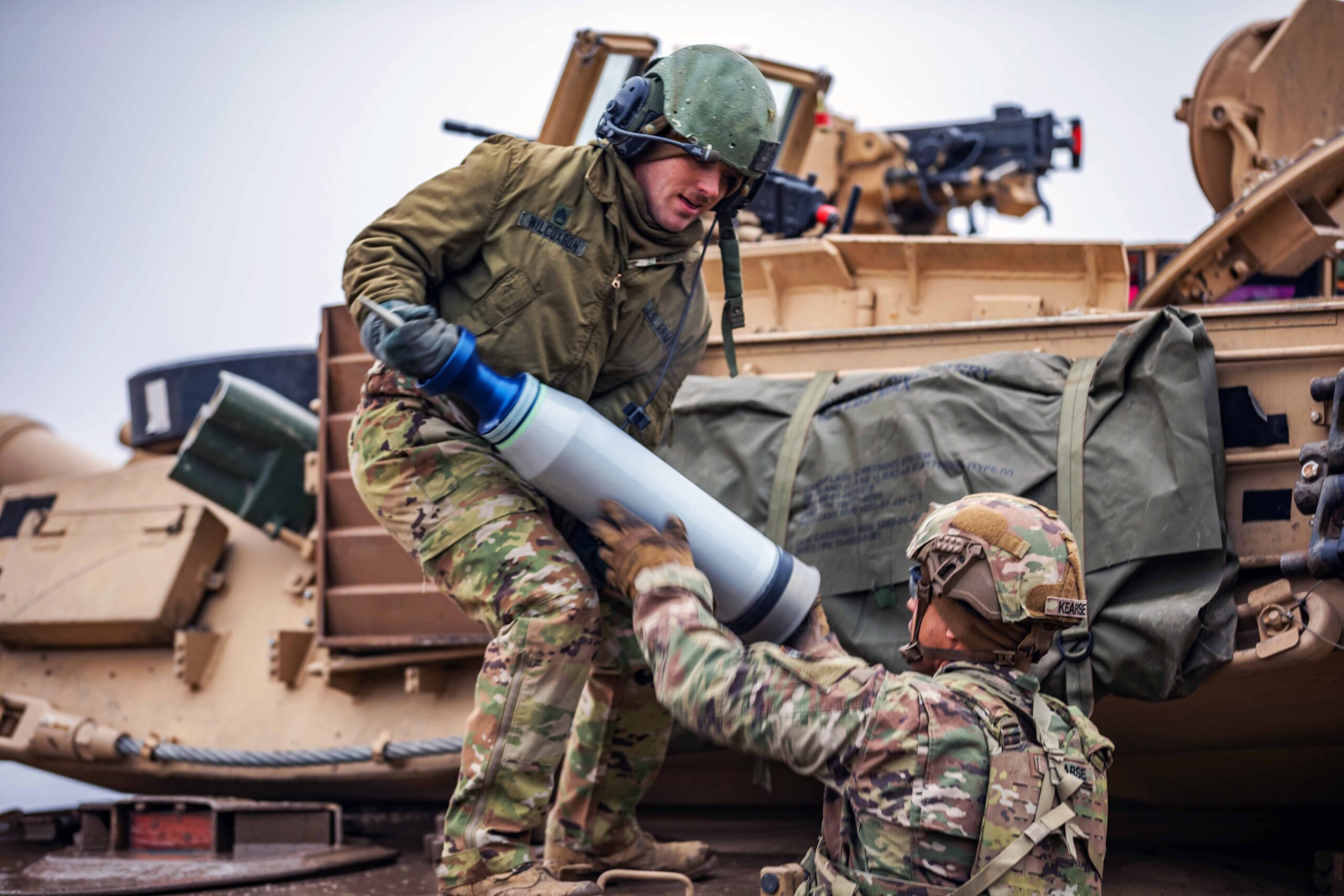
“Vendors were evaluated on key capabilities including integrating data from disparate legacy systems, the ability to provide robust planning and forecast models, and support tactical users in disconnected or low-bandwidth environments,” the Army said. Those requirements put both data integration and field accessibility at the center of the competition.
Under the agreement, Palantir will spend the next 12 months developing the new ammunition management software.
The company will then provide support for an additional five years, extending its role well beyond the initial development period.
The contract gives the Army a defined schedule for replacing a collection of disconnected platforms with one software system.
If completed as described, the project will cover ammunition planning, procurement, storage, distribution, expenditure, surveillance, and final disposition while helping the service retire legacy systems and improve audit readiness.
Join the Discussion
COMMENTS POLICY: We have no tolerance for messages of violence, racism, vulgarity, obscenity or other such discourteous behavior. Thank you for contributing to a respectful and useful online dialogue.