WHAT YOU NEED TO KNOW
- Disconnected property systems and fragmented management are steadily reducing the Army’s visibility of its own equipment.
- Found on Installation equipment can remain useful while disappearing from maintenance, redistribution, forecasting, and operational planning systems.
- The Army lacks a dedicated company level leader responsible for synchronizing assets across the entire sustainment enterprise.
- A permanent Asset Management Chief could connect accountability with equipment readiness across company sized formations.
The Army has spent decades refining sustainment doctrine, modernizing combat systems, and investing billions in readiness transformation.
Yet equipment parked behind motor pools, stored inside yards, and buried within disconnected property systems is steadily slipping from the service’s view.
This accountability breakdown is not blamed on enemy action, theft, or inadequate resources. It stems from fragmented asset management, administrative disconnects, and sustainment systems that no longer match the complexity of modern warfare.
Across the force, leaders encounter equipment with no clear ownership, containers holding property that has never been validated, and major end items separated from essential components.
Errors involving line item numbers, national stock numbers, and bill of materials structures inside GCSS‑Army deepen the confusion.
Inventories often uncover administrative discrepancies that have accumulated over time. Excess equipment can remain on property books for years without an operational purpose, while Found on Installation items sit outside the active supply chain without a clear route back into accountability.
The Army has too often treated these failures as routine administrative friction that must simply be managed.
In reality, they represent readiness steadily eroding in plain sight, with potentially serious consequences for future large scale combat operations.
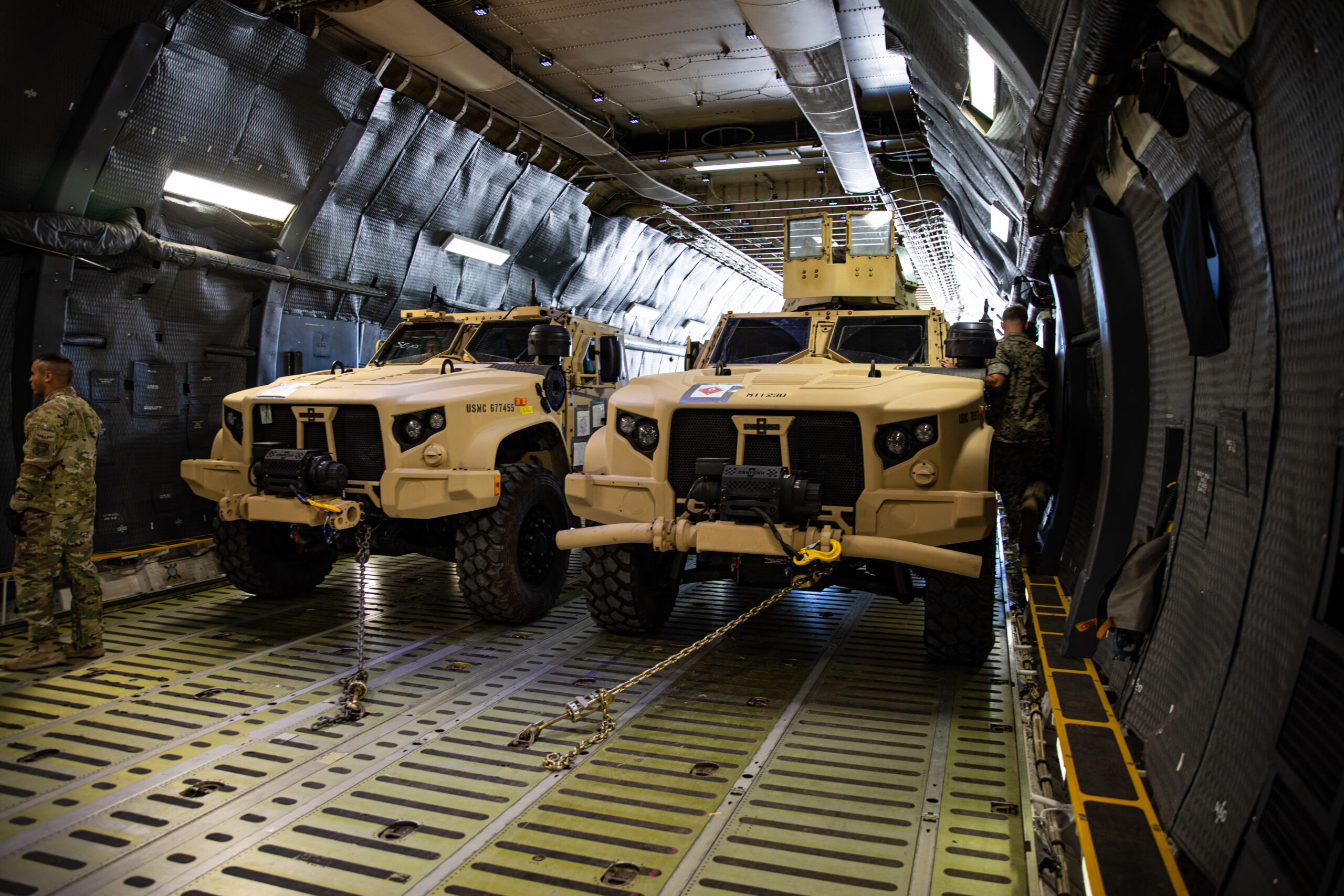
The ability to locate, employ, and sustain equipment will matter alongside ammunition, fuel, and maneuver capability.
Without accurate and integrated accountability, the Army risks entering combat with equipment it cannot find, repair, or employ at the speed modern conflict demands.
The Command Supply Discipline Program remains a foundational Army framework for reinforcing standards, responsibility, and command oversight.
However, the program was built to ensure compliance rather than deliver asset synchronization across the entire enterprise.
Modern units must simultaneously manage rotational deployments, modernization transitions, equipment fielding, divestment, readiness reporting, maintenance, deployment preparation, lateral transfers, excess turn ins, and continuous inventories.
Those duties are spread among commanders, executive officers, supply sergeants, maintenance sections, clerks, and sub hand receipt holders already confronting competing requirements.

Administrative accountability may continue functioning while operational asset visibility deteriorates.
The Army lacks a dedicated company level leader solely responsible for synchronizing assets across sustainment systems from beginning to end.
The rising volume of Found on Installation equipment offers one of the clearest warnings.
This designation covers property physically located on an Army installation but lacking accurate ownership links or proper synchronization within the Army supply chain.
Such equipment can remain serviceable, repairable, operationally relevant, and valuable to readiness.
Administratively, however, it becomes detached from maintenance visibility, redistribution channels, readiness forecasting, and operational planning.
The result is a peculiar but dangerous form of loss. The Army can surrender combat power without physically losing the equipment, allowing hidden readiness damage to spread across the force while modernization, transformation, and fiscal responsibility all suffer.

Small discrepancies then multiply inside the organizational gap.
Equipment visibility fades, bill of materials errors remain unresolved, excess property accumulates, supply chain disconnects emerge, and the accuracy of operational readiness reporting begins to weaken.
The proposed remedy is a dedicated Asset Management Chief in every company sized formation.
The position would be separate from the Property Book Officer and distinct from the traditional supply and maintenance responsibilities already assigned within units.
The Property Book Officer protects record accuracy and regulatory compliance, while the Asset Management Chief would protect equipment readiness.
That chief would act as the technical integrator responsible for keeping equipment tracked, validated, aligned, and visible throughout the sustainment enterprise.
The position would need to be permanent, filled by a trained sustainment expert, and built for that specific purpose rather than treated as another temporary assignment or additional duty.
Consolidating responsibility could restore the visibility and synchronization units need in a rapidly modernizing Army.
Future large scale combat operations against peer or near peer adversaries will push sustainment systems to their limits. Units unable to identify, validate, redistribute, and reintegrate assets quickly could lose operational reach before they lose combat capability.
Capt. Scottie G. J. Huggins is a U.S. Army Quartermaster officer with sustainment experience across Stryker, armored, engineer, field artillery, and maneuver enhancement formations.
His research interests include asset visibility, sustainment integration, readiness generation, procurement, and large scale combat operations.
Are you feeling overwhelmed or hopeless right now? Have you been withdrawing from people or activities you usually enjoy? Are you having thoughts about hurting yourself, or feeling like things will never improve?
You do not have to handle those feelings alone. Support is available, and talking to someone can make a difference. You can reach out to the 988 Suicide & Crisis Lifeline by calling or texting 988, or by chatting online at 988lifeline.org. Trained counselors are available 24 hours a day to listen and help.
If you believe someone is in immediate danger, call emergency services right away. Even a small step, like reaching out to a trusted friend, family member, or professional, can help create a path forward.
Join the Discussion
COMMENTS POLICY: We have no tolerance for messages of violence, racism, vulgarity, obscenity or other such discourteous behavior. Thank you for contributing to a respectful and useful online dialogue.