The number of American troops wounded in the Iran conflict has climbed sharply following renewed fighting across the Middle East.
According to the War Department casualty database, 794 service members had been wounded in action since the war began as of Friday, Sept. 4.
The latest update added dozens of wounded personnel to the official count after Iranian attacks and fresh American strikes ended a relative pause in combat. It also came only two weeks after officials confirmed that the number of wounded troops had surpassed 750.
The 794 wounded represent the full total reported since the United States launched its extended bombing campaign against targets in Iran.
MORE NEWS: Pentagon Confirms First Military Execution in Over 60 Years Will Be Publicly Livestreamed
However, the War Department now separates troops injured since early July from personnel wounded during the opening months of the conflict.
Officials classify casualties from the initial phase under Operation Epic Fury. Personnel injured during the more recent phase are recorded as casualties from “overseas operations.”
That accounting change provides a basic division between phases of the war, but it offers little public detail about the incidents behind the mounting toll.
The database does not identify specific locations, attack dates, military installations, or the circumstances in which individual service members were wounded.
The latest increase followed several Iranian attacks against American bases in the Middle East over the previous five days.
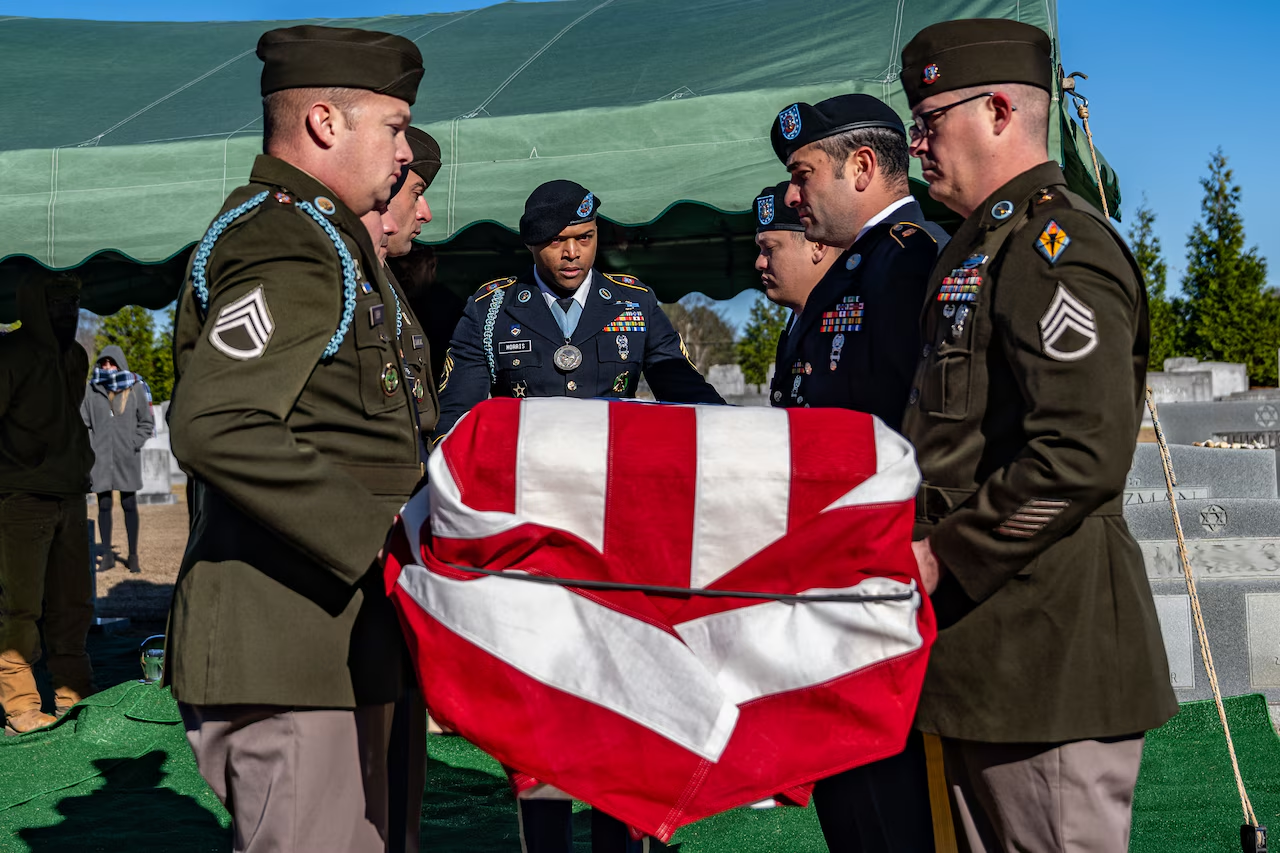
Those attacks reportedly targeted sites in Iraq, Bahrain, and Kuwait as Tehran continued trying to pressure American forces across the region.
Every newly reported casualty in the latest update came from the Army. Of the 377 personnel listed as wounded in action since July 7, 346 are soldiers, while 21 are sailors and 10 are airmen.
The service breakdown makes clear that Army personnel have absorbed the overwhelming majority of wounds during the recent phase of operations.
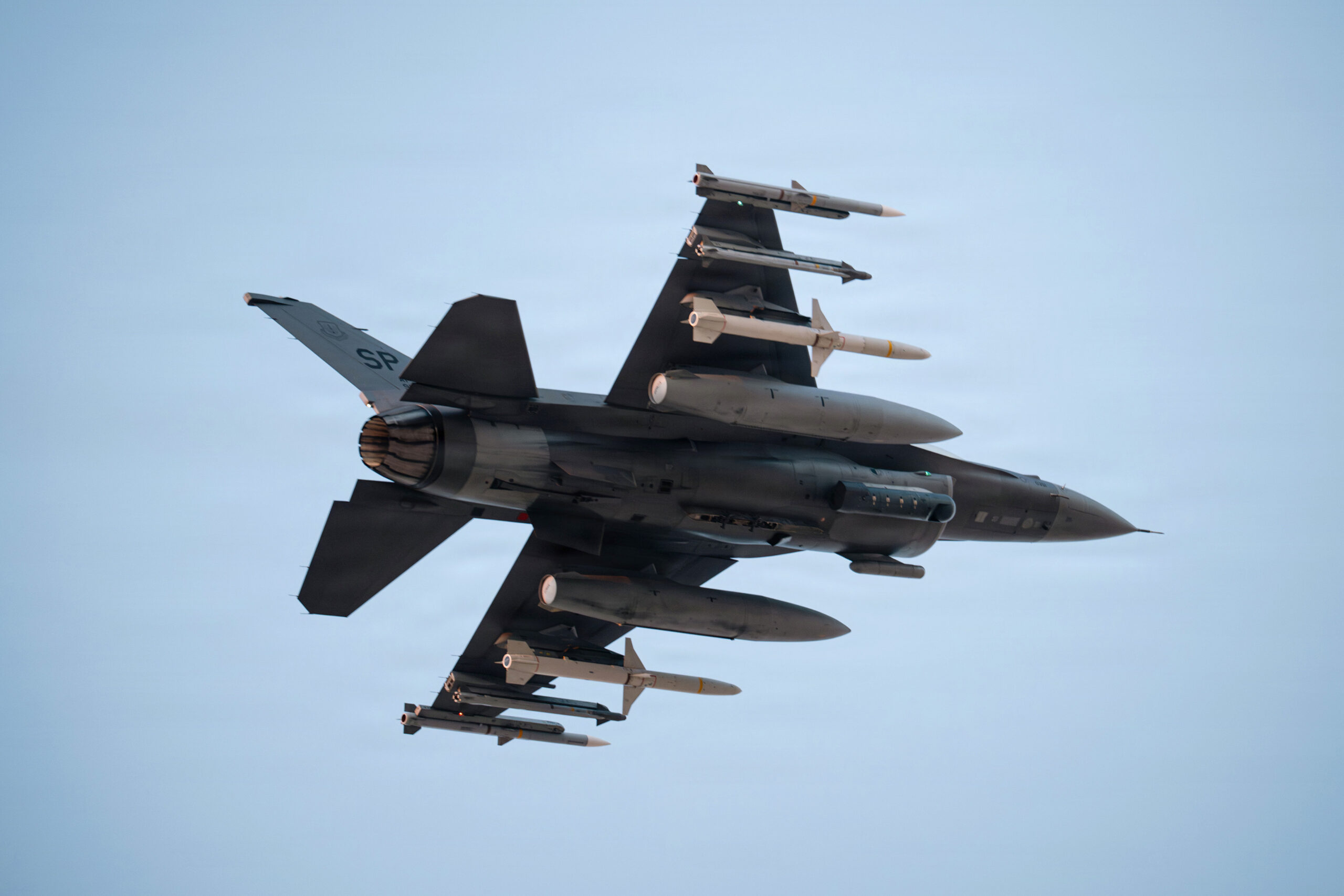
Without incident specific disclosures, however, it remains unclear whether those soldiers were injured in one major attack or across several engagements.
Casualty numbers also commonly lag behind events on the battlefield. Some injuries are not immediately entered into official records because medical examinations, command reporting, and administrative reviews can take days to complete.
Traumatic brain injuries can be especially difficult to identify immediately after a missile, rocket, or drone attack.

Symptoms may emerge days or even weeks after a blast, meaning the official total could continue changing after combat operations have ended.
A complete accounting from a single attack can also take several days to reach War Department casualty logs.
The War Department and U.S. Central Command did not respond to questions about the timing or nature of the newly reported wounds, leaving troops, families, and the public without important details.
The renewed violence followed several days of back and forth attacks in July, including strikes that killed American service members in Jordan.

Fighting then largely paused through August, offering only a temporary break before hostilities erupted again on Aug. 30.
That renewed combat began shortly after U.S. Central Command announced that mines had been cleared from shipping routes through the Strait of Hormuz.
The strategically vital waterway remains a central pressure point because any Iranian mining campaign could threaten military vessels, commercial shipping, and global energy markets.
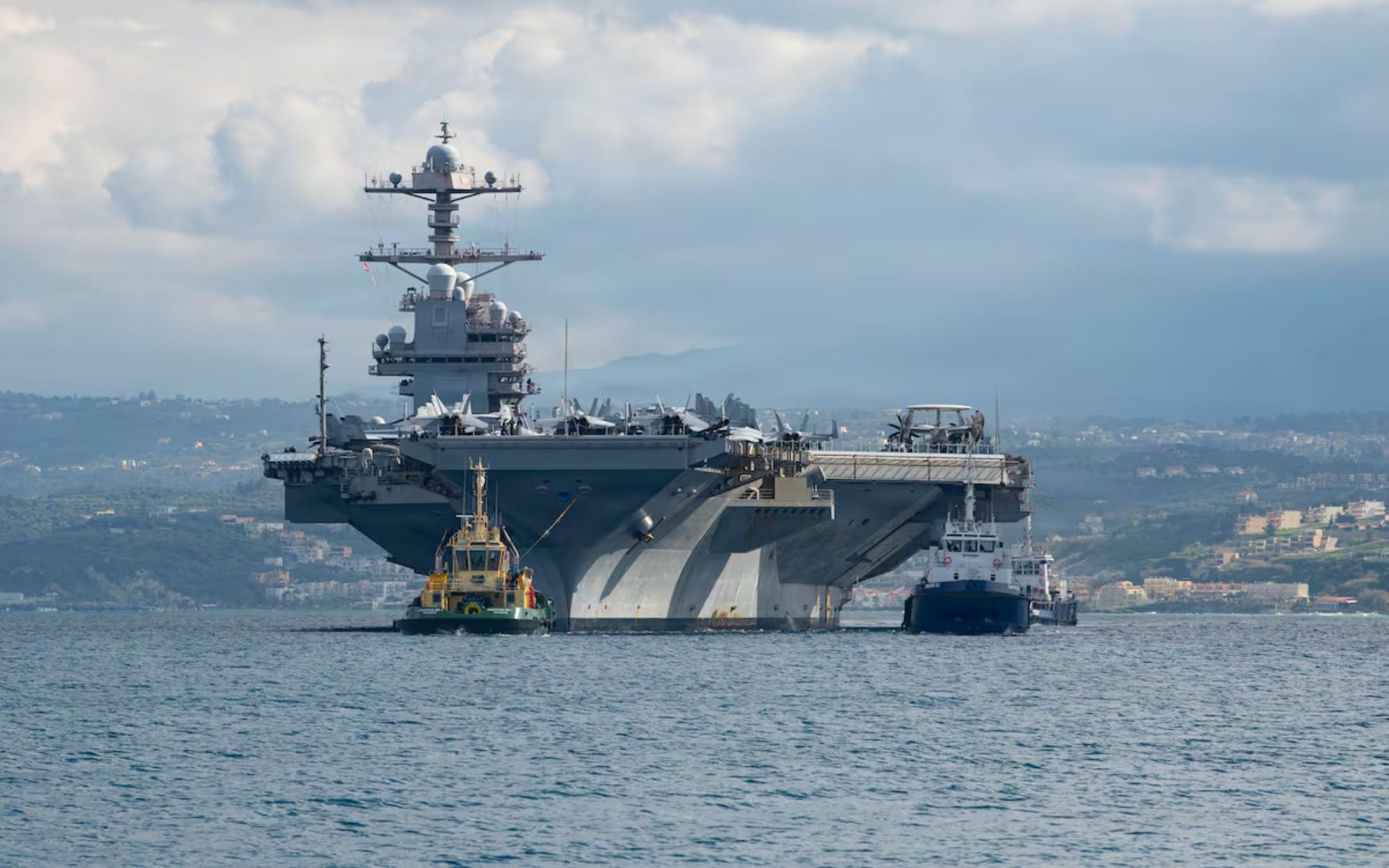
On Sunday, the U.S. military struck Larak Island in the Strait of Hormuz after determining that Iran’s Islamic Revolutionary Guard Corps was preparing to place sea mines in the waterway.
The operation was aimed at stopping another Iranian attempt to menace international shipping and American interests.
Iran responded the following day by launching missiles and drones at American positions in Jordan and the United Arab Emirates.

Tehran claimed the attacks damaged two bases, although the United States and Jordanian army said the missiles were intercepted or landed in remote areas, while the UAE reported intercepting a drone.
The expanding casualty count is a sober reminder that even intercepted attacks can expose American troops to blast effects, debris, and other battlefield hazards. As operations continue, the official wounded tally may rise again as delayed diagnoses and reports move through the military system.
Join the Discussion
COMMENTS POLICY: We have no tolerance for messages of violence, racism, vulgarity, obscenity or other such discourteous behavior. Thank you for contributing to a respectful and useful online dialogue.