WHAT YOU NEED TO KNOW
- EU members approved five joint defense investment projects covering drones, missile defense, maritime security, space, and the eastern flank.
- The projects are eligible for support through the €1.5 billion European Defence Industry Program.
- Ukraine participates in four projects, while an average of 18 EU countries participates in each initiative.
- Projected investments include up to €100 billion for Eastern Flank Watch and €80 billion for EU-FIAMD.
European Union member states have approved five projects for joint defense industrial investment, directing common spending toward drones, counter drone systems, air and missile defense, maritime security, space, and protection of the bloc’s eastern flank.
The projects approved Monday are now eligible for EU funding through the €1.5 billion, or US$1.7 billion, European Defence Industry Program. The Council of the EU, which serves as a co legislator for the 27 nation bloc, announced the decision in a statement.
The European Commission has allocated €325 million for European defense projects of common interest through the program. Known as EDPCIs in EU terminology, the projects are intended to encourage cooperation while reducing costly fragmentation across Europe’s defense industry.
That cooperation has remained difficult because member states have competing industrial interests. The recent collapse of a project involving France and Germany to develop a sixth generation fighter jet illustrated the obstacles confronting major multinational defense initiatives.
European Commissioner for Defence Andrius Kubilius welcomed the decision in a post on the social media network X, formerly Twitter. “These pan-European projects will make a difference for our EU member states’ armed forces, for Ukraine and for our security as a whole,” Kubilius said.
Kubilius described approval of the five projects as a “major breakthrough” for closing critical capability gaps across the EU. He also cited an “envisaged funding ambition” of around €190 billion by 2036.
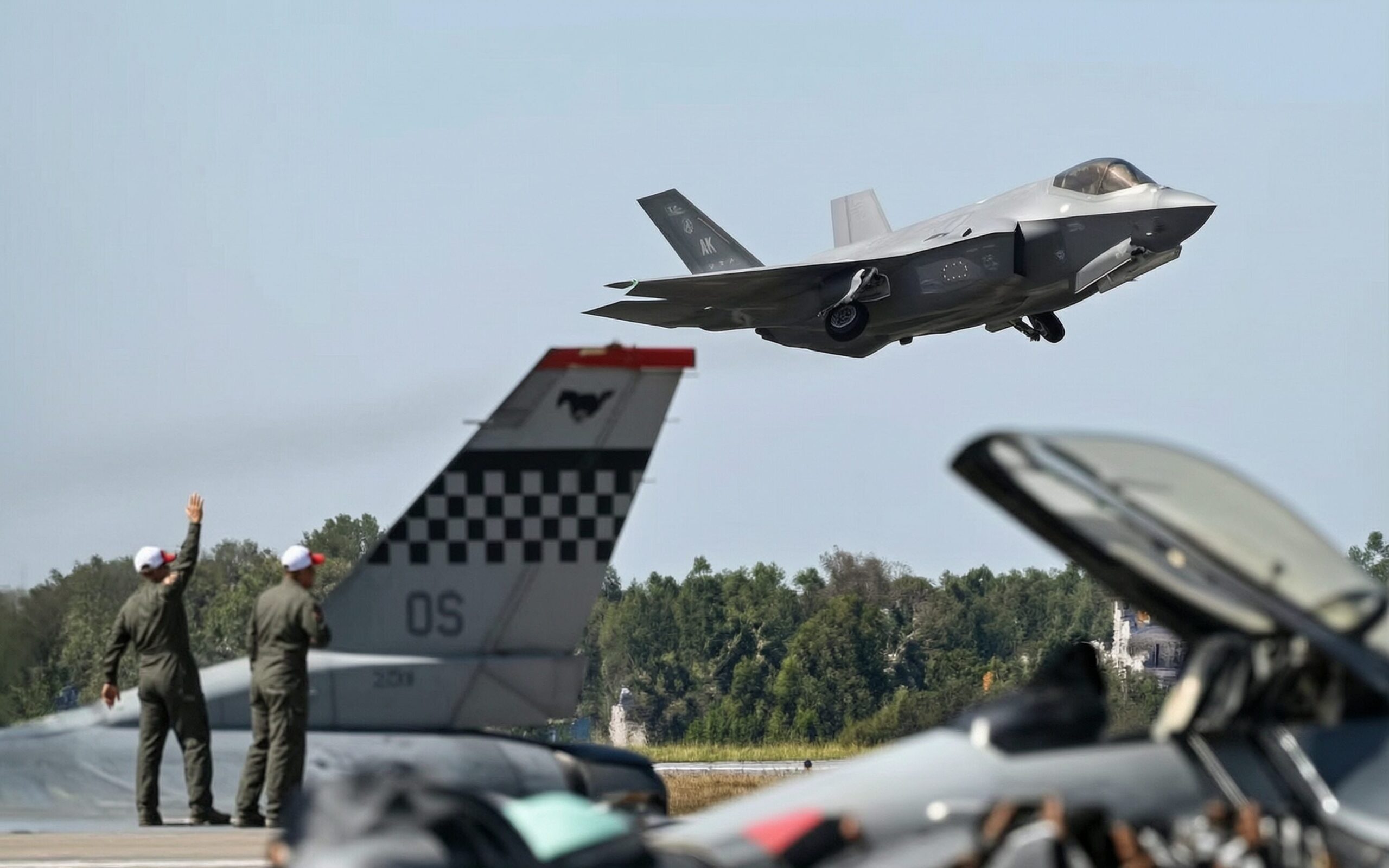
According to the commission, EDPCIs are large projects that provide a framework for member states to cooperate on defense initiatives too large or complex for individual countries to handle alone. The projects are designed to continue beyond the existing European Defence Industry Program funding period, which runs through 2027.
The EU’s executive arm will work with member states to put the projects into operation and monitor their progress. It also expects to provide financial support, according to a separate commission statement released Monday.
Participation is broad, with an average of 18 EU countries involved in each project. Ukraine is participating in four of the five initiatives, adding another partner to several of the bloc’s planned capability investments.
The drone and counter drone project, called Decoder, brings together most EU member states along with Norway and Ukraine. A commission fact sheet places the project’s indicative overall investment between €3.5 billion and €5 billion by 2033.
The integrated maritime and seabed defense project, known as IMSD, carries a much larger indicated investment envelope. Spending for that project is projected to range from €43 billion to €72 billion by 2045.
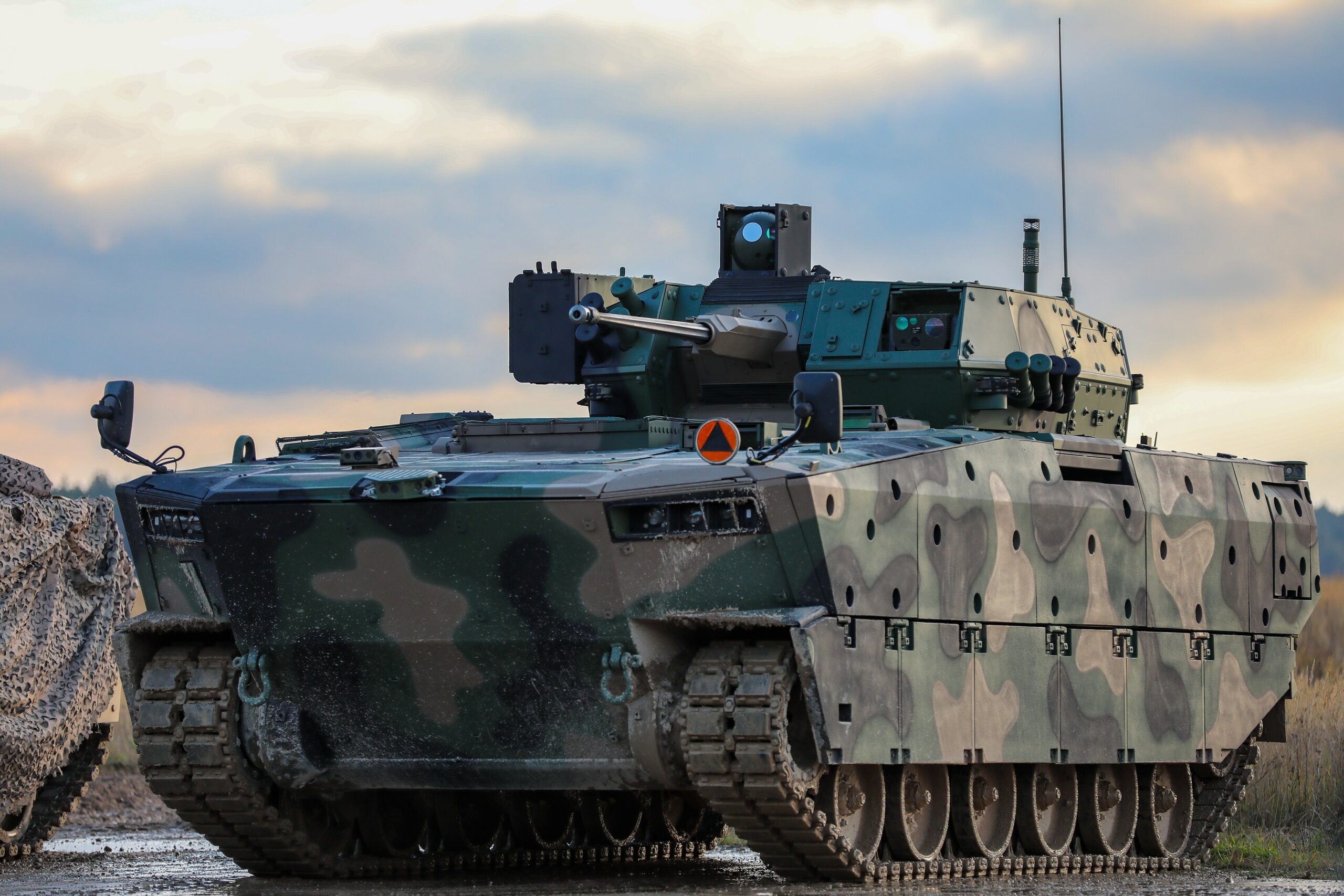
The space project also represents a substantial planned commitment. According to the commission fact sheet, indicative overall spending under consideration for the initiative totals €24 billion by 2034.
Another major effort is the EU Federated Air and Missile Defence project, identified as EU-FIAMD. The project includes an early warning component and could involve investment ranging from €55 billion to €80 billion by 2040.
The Eastern Flank Watch project is intended to strengthen security along the EU’s eastern border through “a comprehensive multi-domain effort,” according to the source description. Twelve EU members are participating alongside Norway and Ukraine.
Investment connected to Eastern Flank Watch is indicated to reach between €60 billion and €100 billion by 2036. Among the five approved priorities, that projected range makes the eastern border initiative one of the bloc’s largest potential spending commitments.
The five projects collectively give EU members a formal path for coordinating major investments across land, sea, air, space, and drone related capabilities. Implementation and monitoring now move to the commission and participating governments as the bloc attempts to turn its shared spending plans into operational programs.
Join the Discussion
COMMENTS POLICY: We have no tolerance for messages of violence, racism, vulgarity, obscenity or other such discourteous behavior. Thank you for contributing to a respectful and useful online dialogue.