WHAT YOU NEED TO KNOW
- The Air Force’s MQ-9 Reaper inventory has fallen by more than half since fiscal year 2022, reaching around 135 aircraft.
- An August Washington Post analysis cited by the report claimed 45 Reapers were lost during operations against Iran.
- The Air Force wants 500 lower cost Massed Modular Aircraft in service by 2032.
- Congress is considering prohibiting further Reaper retirements until a credible replacement achieves operational capability.
The MQ-9A Reaper production line is closed, and General Atomics would need two to three years to restart it, according to a Congressional Research Service report.
That industrial reality is confronting the Air Force as it accelerates planning for a successor while its existing inventory shrinks.
The service’s Reaper inventory has fallen by more than half since fiscal year 2022.
By the middle of May this year, the fleet stood at around 135 aircraft as the United States expanded operations against Iran during Operation Epic Fury.
Congress must now weigh questions involving cost, fleet size and operational capability before approving future budget requests.
Proposed legislation also addresses the aircraft’s future and the requirements for any potential replacement.
As of May, the Air Force maintained 56 combat lines, which provide continuous coverage over geographic areas. A portion of those lines were flown by the Air National Guard, according to the Congressional Research Service report.
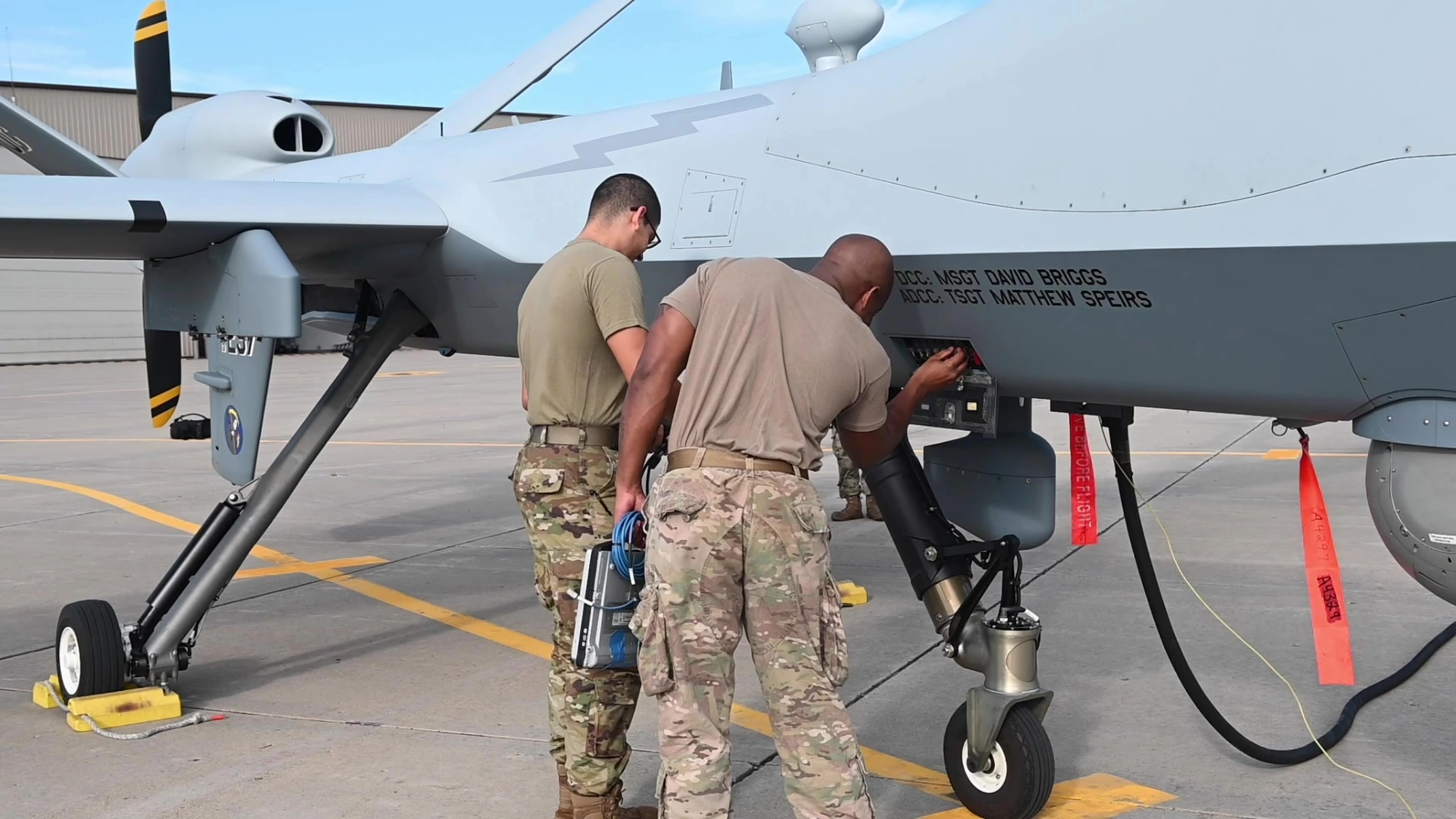
Officials told the Congressional Research Service that 12 Air National Guard units in 11 states still operated the Reaper by the middle of 2026. Most of those units were located in remote areas.
Despite the fleet’s sharp decline, a service official recently told Congress that the Air Force could meet all 56 combat lines around the world with its inventory of 135 aircraft.
That claim arrives as lawmakers examine whether the remaining force can continue meeting operational demands.
The Air Force has used the Reaper extensively during Operation Epic Fury.
Chief of Staff Gen. Kenneth Wilsbach called the aircraft the mission’s “most valuable player.”
The service has not officially disclosed how many Reapers were lost during operations against Iran.
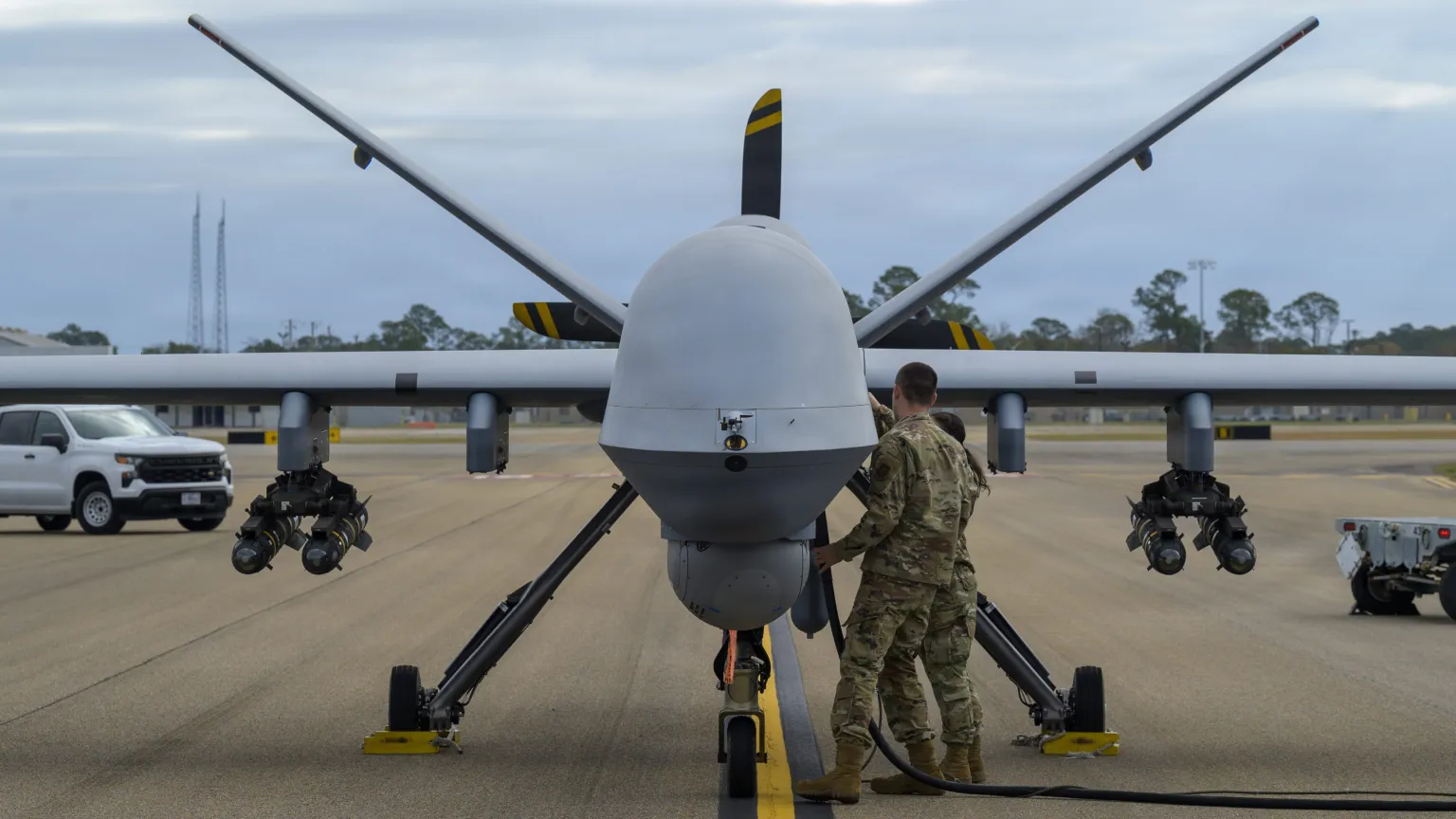
However, the report cited an August Washington Post analysis claiming the Air Force lost 45 aircraft.
The Air Force wants to replace the Reaper through its Massed Modular Aircraft program, known as MMA. The program is seeking drones capable of conducting the same missions as the Reaper at a lower cost.
Individual Reapers cost between $30 million and $50 million, while proposed alternatives could cost an estimated $10 million per aircraft. The service plans to select as many as four companies to develop prototypes for the program.
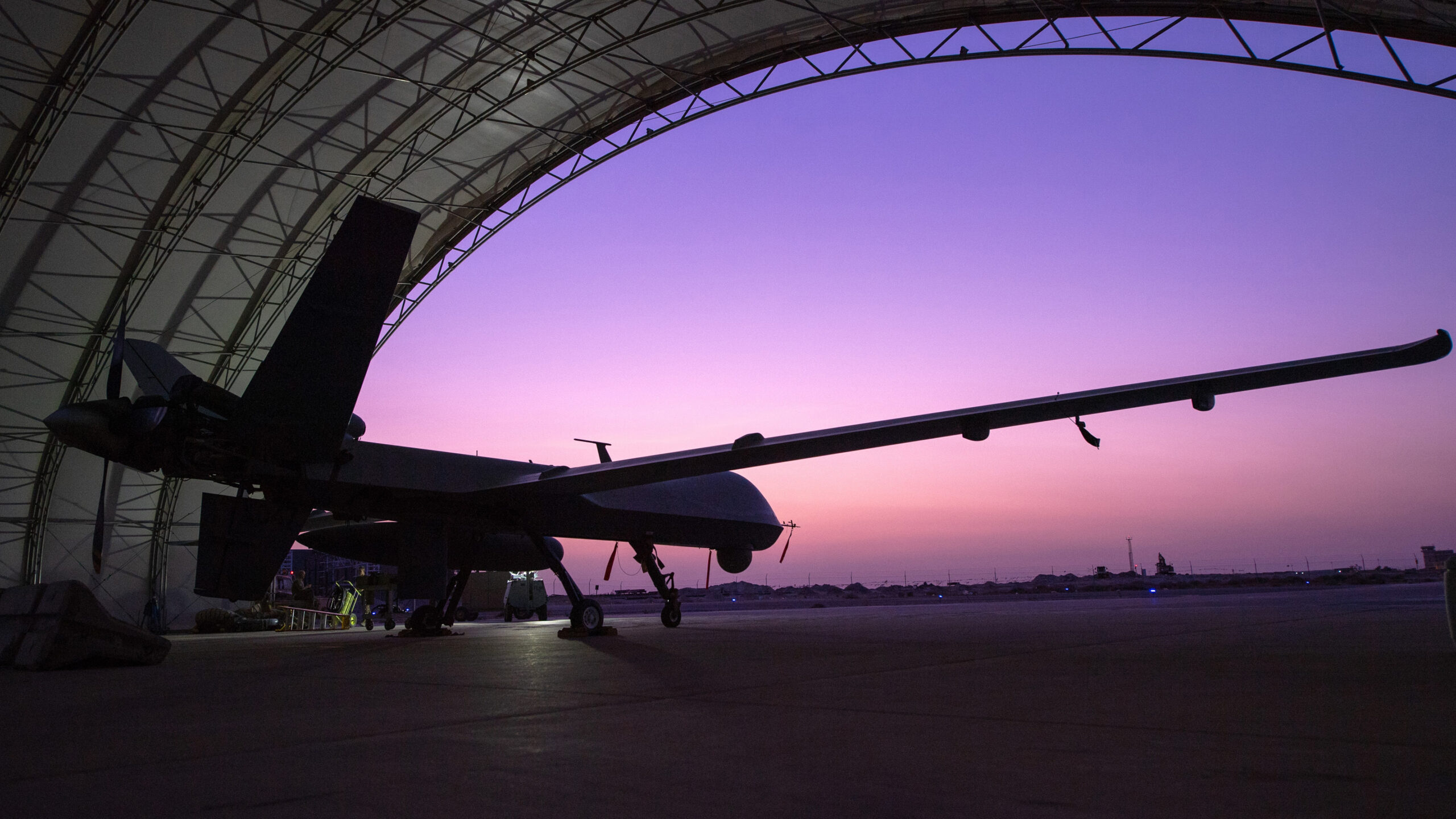
The Air Force expects to request procurement funding in fiscal 2028 and aims to have 500 MMA aircraft in service by 2032.
Congress, however, is considering legislation that would halt further Reaper divestment while the proposed replacement remains under development.
In the Department of War’s fiscal 2027 budget request, $766.2 million was allocated for Reaper procurement, development, testing and evaluation. The Air Force did not request money for new Reaper aircraft or for the MMA program, according to the report.
In the June supplemental funding request, Secretary of War Pete Hegseth indicated that some of the money would be used for MQ-9 platforms.
He did not specify how much funding would go toward those aircraft.
Proposed defense and appropriations legislation would prohibit Reaper retirement until a credible replacement achieves operational capability. Congress has retained the authority to influence Air Force fleet structure and must now evaluate the risks surrounding both the shrinking Reaper force and the planned successor.
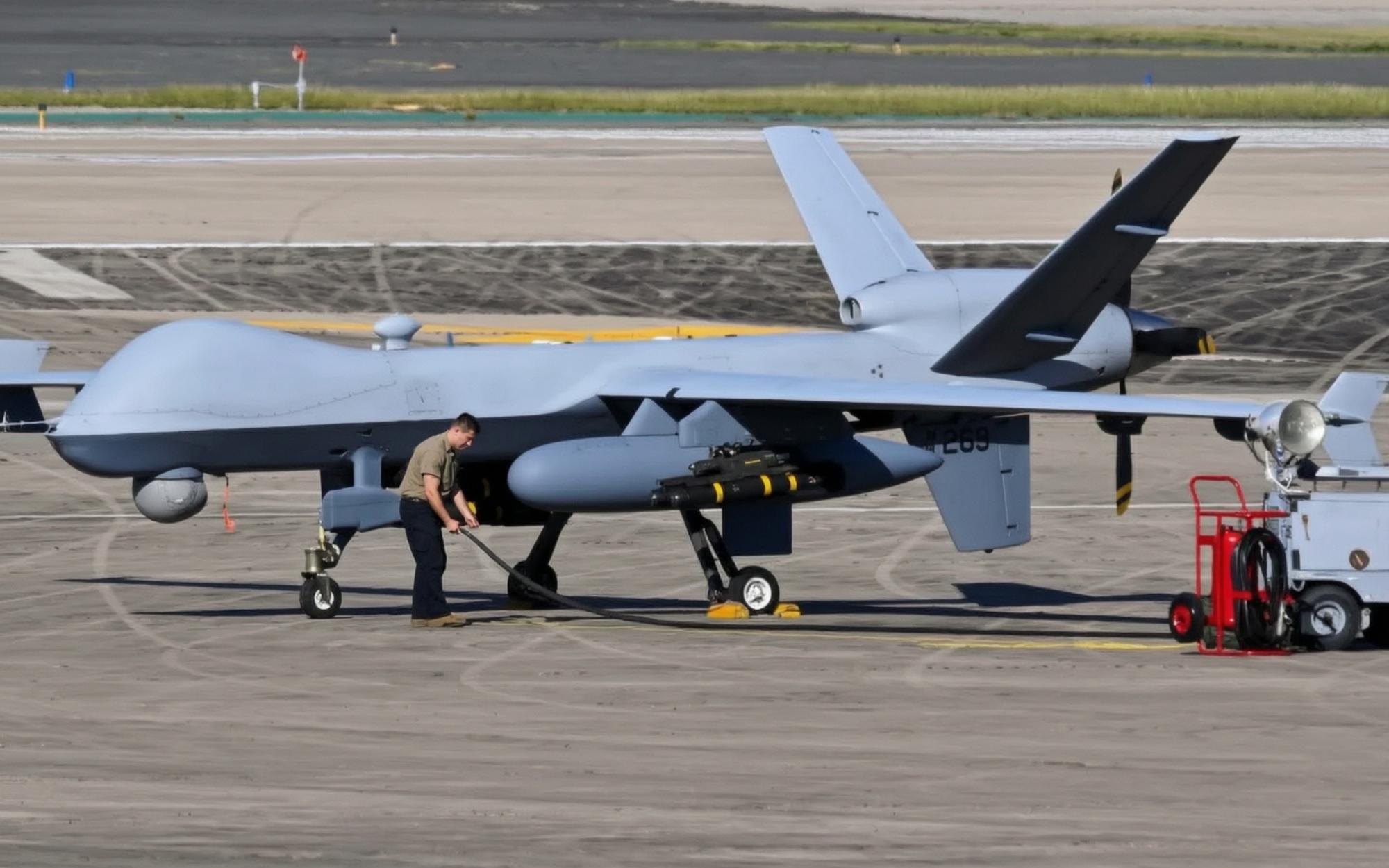
The report says lawmakers can examine what other military assets the Air Force has considered for Reaper missions if the remaining aircraft cannot meet operational requirements. Congress may also review how the fleet reduction has affected training and staffing across Reaper units.
A transition to MMA aircraft could also affect those units, giving lawmakers another issue to consider.
Congress can assess the risks of cost growth, schedule delays and technical challenges, along with whether the industrial base can produce the desired aircraft at the anticipated rate.
The questions are especially pressing because the Reaper production line is no longer active and could not be restarted quickly.
With inventory falling, replacement plans still developing and lawmakers considering restrictions on retirement, the Air Force’s next move will shape the future of its unmanned combat coverage.
Join the Discussion
COMMENTS POLICY: We have no tolerance for messages of violence, racism, vulgarity, obscenity or other such discourteous behavior. Thank you for contributing to a respectful and useful online dialogue.