WHAT YOU NEED TO KNOW
- Poland unveiled a technology demonstrator for a new heavy tracked infantry fighting vehicle during the MSPO show in Kielce.
- PGZ plans to present a prototype next year, with serial production potentially beginning in 2029.
- Military officials expect the Polish Army could procure about 700 heavy infantry fighting vehicles.
- Poland received access to up to €43.7 billion in military acquisition loans under the European Union’s SAFE scheme.
As Poland pushes military spending to record levels, its government wants the country to move beyond its role as a major buyer of foreign equipment and become an increasingly important exporter.
Deputy Prime Minister and National Defence Minister Władysław Kosiniak-Kamysz outlined that ambition at the opening of this year’s MSPO show in Kielce.
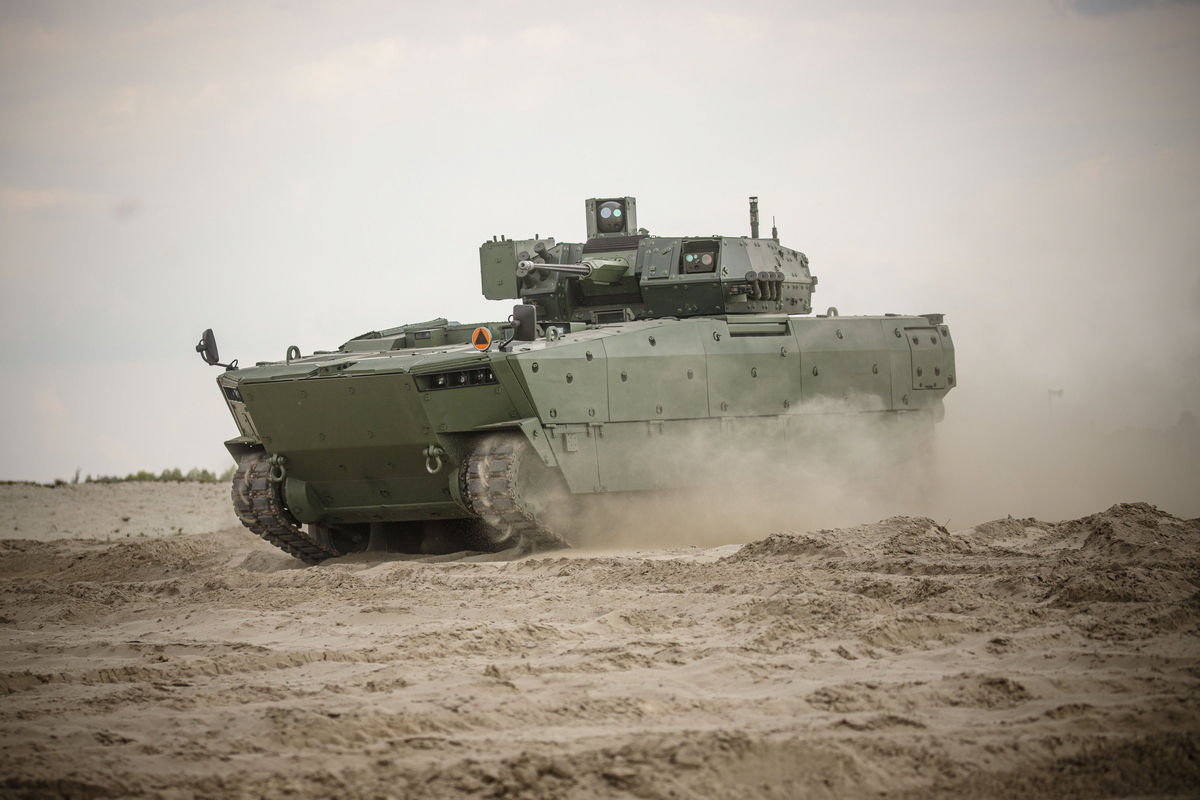
A technology demonstrator for a new heavy tracked infantry fighting vehicle, developed by Polish industry and displayed during the event, reflects that broader industrial push.
The platform is being positioned as a potential flagship export product for the country’s growing military sector.
“Poland is becoming a country that not only buys military gear from the world, but is also its major producer,” Kosiniak-Kamysz said during the show’s opening ceremony on Sept. 8.
The deputy prime minister also pointed to the European Union’s Security Action For Europe scheme, known as SAFE, as an opportunity for Poland’s defense industry. Poland has been allocated up to €43.7 billion, or $50.8 billion, in military acquisition loans with low interest under the instrument.
Kosiniak-Kamysz said Poland has now reached an even division between purchases of domestic military equipment and imports.
He credited the SAFE mechanism with helping make that balance possible.
“We have reached a level of fifty-fifty [between domestic military gear purchases and imports]. This would not happen without the SAFE mechanism,” Kosiniak-Kamysz said.
Poland’s defense sector is dominated by PGZ, a state owned defense group, while also including an emerging collection of private companies.
The government’s export ambitions therefore center heavily on the ability of Polish manufacturers to develop, produce and market new military platforms.
Kosiniak-Kamysz identified PGZ’s new heavy tracked infantry fighting vehicle as one example of the industry’s potential flagship export products. Its technology demonstrator received an official presentation during this year’s MSPO event.
A PGZ representative described the vehicle as a modern platform designed around increased protection for the troops it would carry. The representative said its projected weight would fall between 40 and 43 tons.
“This is a modern platform, with a weight of between 40 and 43 tons, which maximizes troop protection,” the PGZ representative said.
“We plan to present the vehicle’s prototype next year, and it could enter serial production in 2029.”
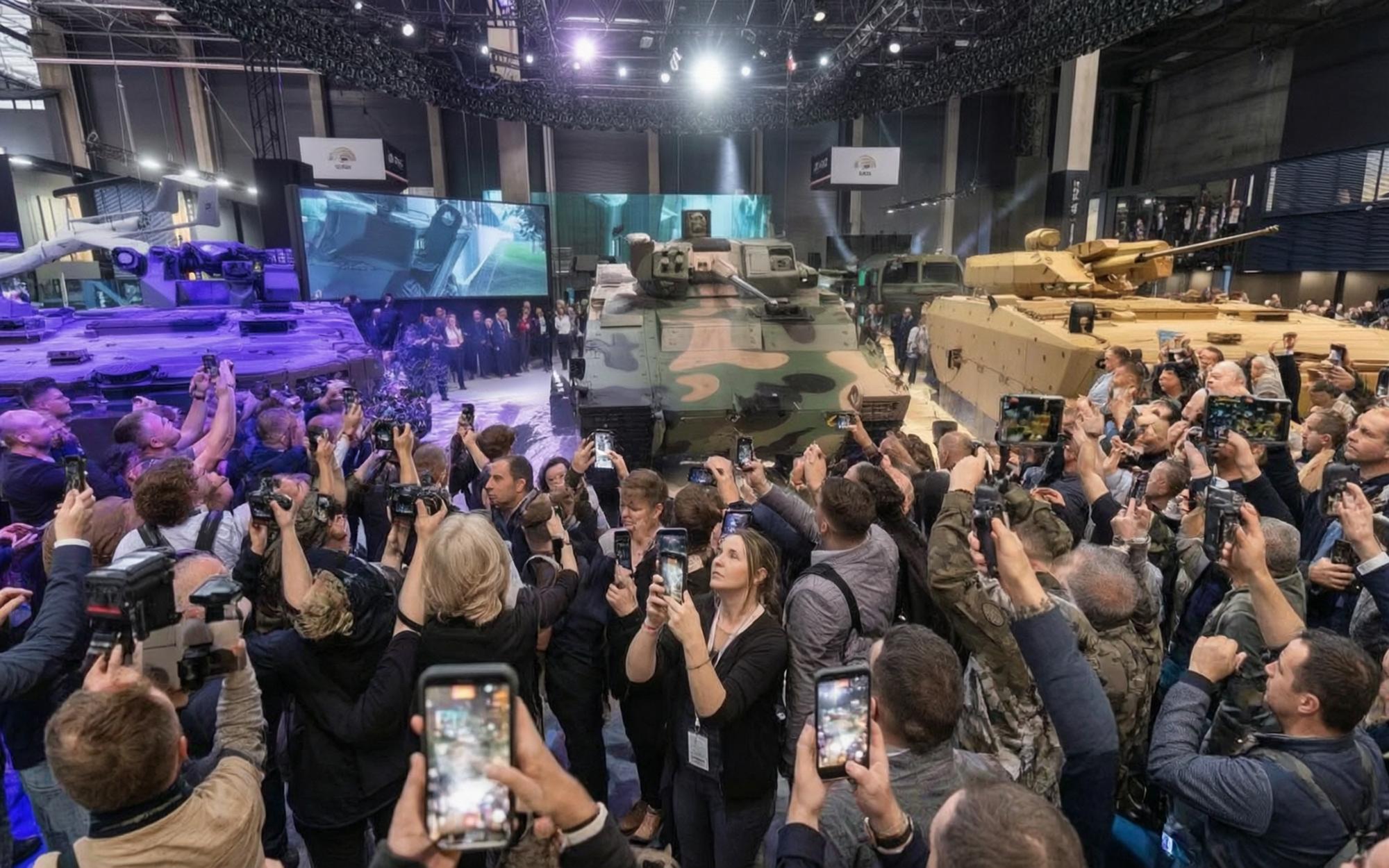
The heavy infantry fighting vehicle would join PGZ’s existing light tracked infantry fighting vehicle, the Borsuk, whose name translates to Badger. Unlike the heavier vehicle, which remains at the technology demonstrator stage, the Borsuk is already in production.
The Polish Ministry of National Defence has ordered 257 Borsuk vehicles from PGZ. A 2023 framework agreement envisions deliveries of as many as 1,400 units of the platform across different variants.
Military officials expect that the Polish Army could procure about 700 of the heavy infantry fighting vehicles. That potential domestic requirement would place the new platform alongside the lighter Borsuk in PGZ’s expanding tracked vehicle portfolio.
Poland’s government, which supports the European Union, is advancing efforts to increase domestic production of weapons, equipment and ammunition.
It is also seeking more cooperation with European partners as the country builds its military industry and pursues a larger export role.
At the same time, Poland remains a major customer for military equipment produced in the United States.
Its campaign to increase domestic output is unfolding alongside continued purchases of significant American weapons and platforms.
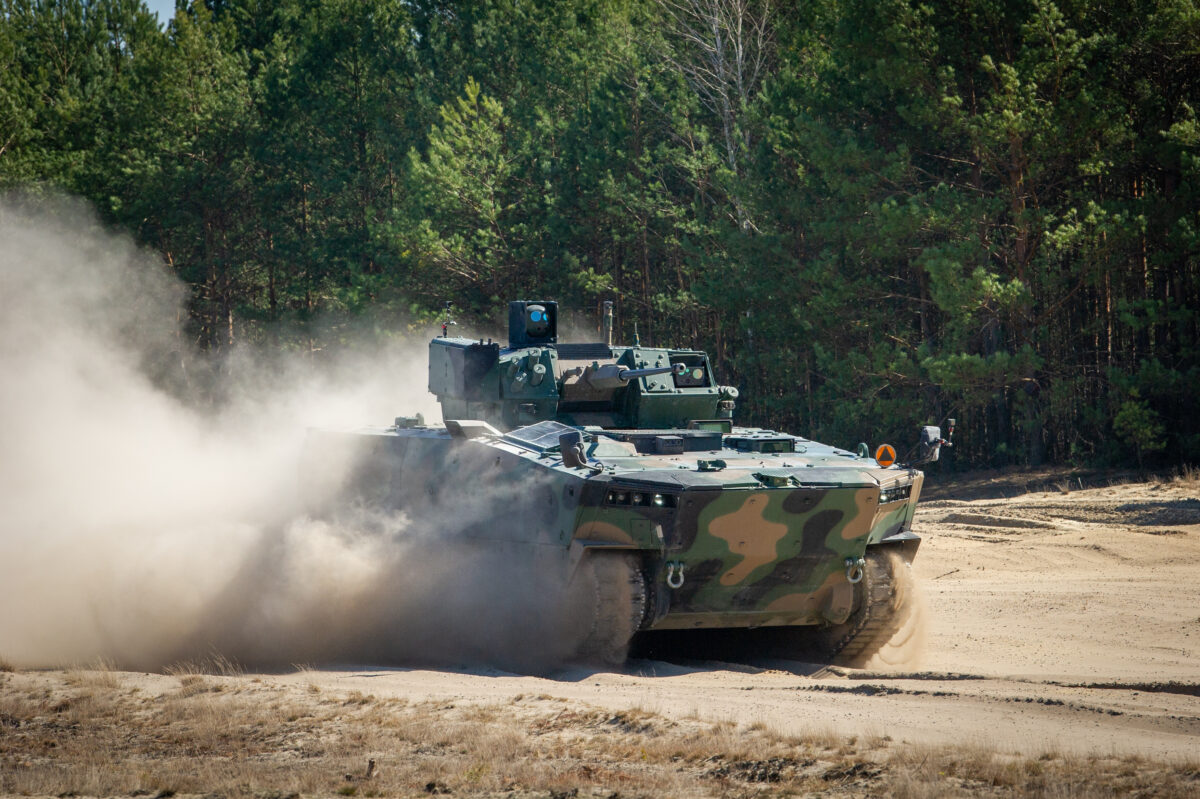
Over recent years, Poland has ordered Abrams tanks, F-35 fighter jets, AH-64E Apache helicopters, Patriot missiles and M142 HIMARS rocket launchers, among other equipment.
Those acquisitions demonstrate the scale of Poland’s continuing reliance on imports even as officials promote a stronger domestic production base.
The heavy infantry fighting vehicle now serves as a visible test of that ambition.
PGZ plans to present a prototype next year, while possible serial production is targeted for 2029, giving Poland a prospective export platform as it works to strengthen its own Army.
Join the Discussion
COMMENTS POLICY: We have no tolerance for messages of violence, racism, vulgarity, obscenity or other such discourteous behavior. Thank you for contributing to a respectful and useful online dialogue.