WHAT YOU NEED TO KNOW
- Defense Priorities says militant groups in Somalia lack the reach and intent required to pose a significant threat to the United States.
- AFRICOM has announced roughly 80 strikes this year after about 125 airstrikes last year.
- Al-Shabab made major territorial gains in 2025, while large areas of central Somalia remain under militant control.
- The report recommends that President Trump phase out the missions over several months and transfer responsibility to regional partners.
The stated justification for the U.S. military’s continuing bombing campaign in Somalia rests on a terrorist threat to America that does not exist, according to a new Defense Priorities report.
The Washington based think tank is calling for an end to the intervention.
Neither al-Shabab nor the Islamic State affiliate in Somalia has shown the reach or intent required to pose a significant danger to the United States, the report issued Tuesday said.
Instead, both organizations remain primarily focused on local conflicts within Somalia.
Years of American airstrikes and military assistance have failed to defeat the groups, according to the report.
That blunt assessment challenges the argument that continuing the mission directly serves American security interests.
“The U.S. has very few interests in Somalia, security or otherwise,” wrote William Walldorf, a senior fellow at Defense Priorities.
The report said al-Shabab, ISIS-Somalia and similar groups “pose no threat to the U.S. homeland and have been arguably strengthened by ongoing U.S. military operations there.”
The call for withdrawal comes as American airstrikes in Somalia are occurring at a record breaking pace.
U.S. Africa Command has announced roughly 80 strikes so far this year, following about 125 airstrikes last year.
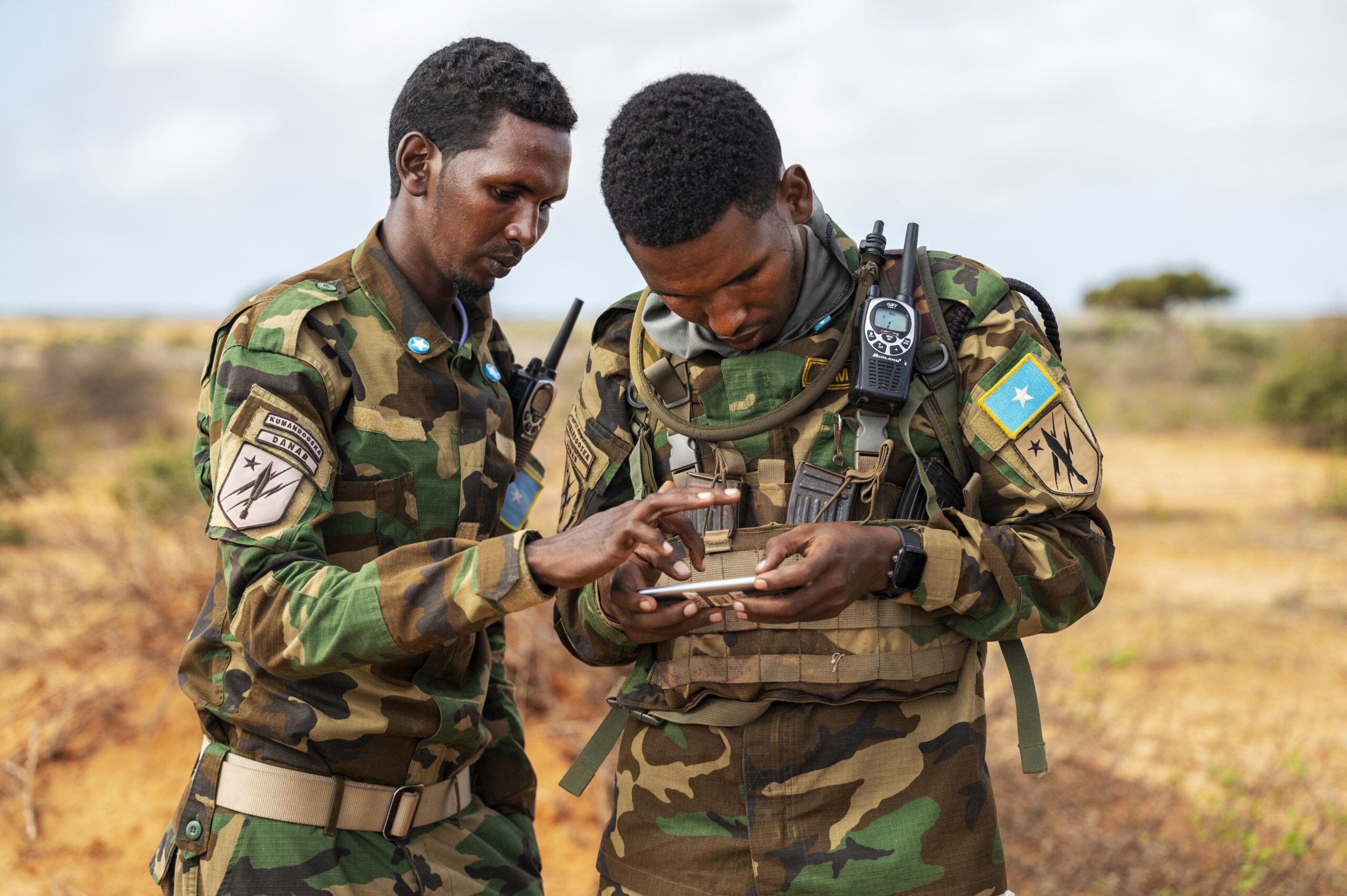
The increase coincides with a directive issued last year by War Secretary Pete Hegseth. That order gave AFRICOM commanders greater decision making authority over when attacks should be launched.
Despite the intensified campaign, the effect of those strikes on al-Shabab remains unclear.
The organization has operated in Somalia for two decades and seeks to overthrow the country’s government.
Al-Shabab made major territorial advances in 2025, wiping away gains the Somali government had achieved two years earlier, according to an International Crisis Group report issued last month. Government forces later regrouped and secured territory around Mogadishu.
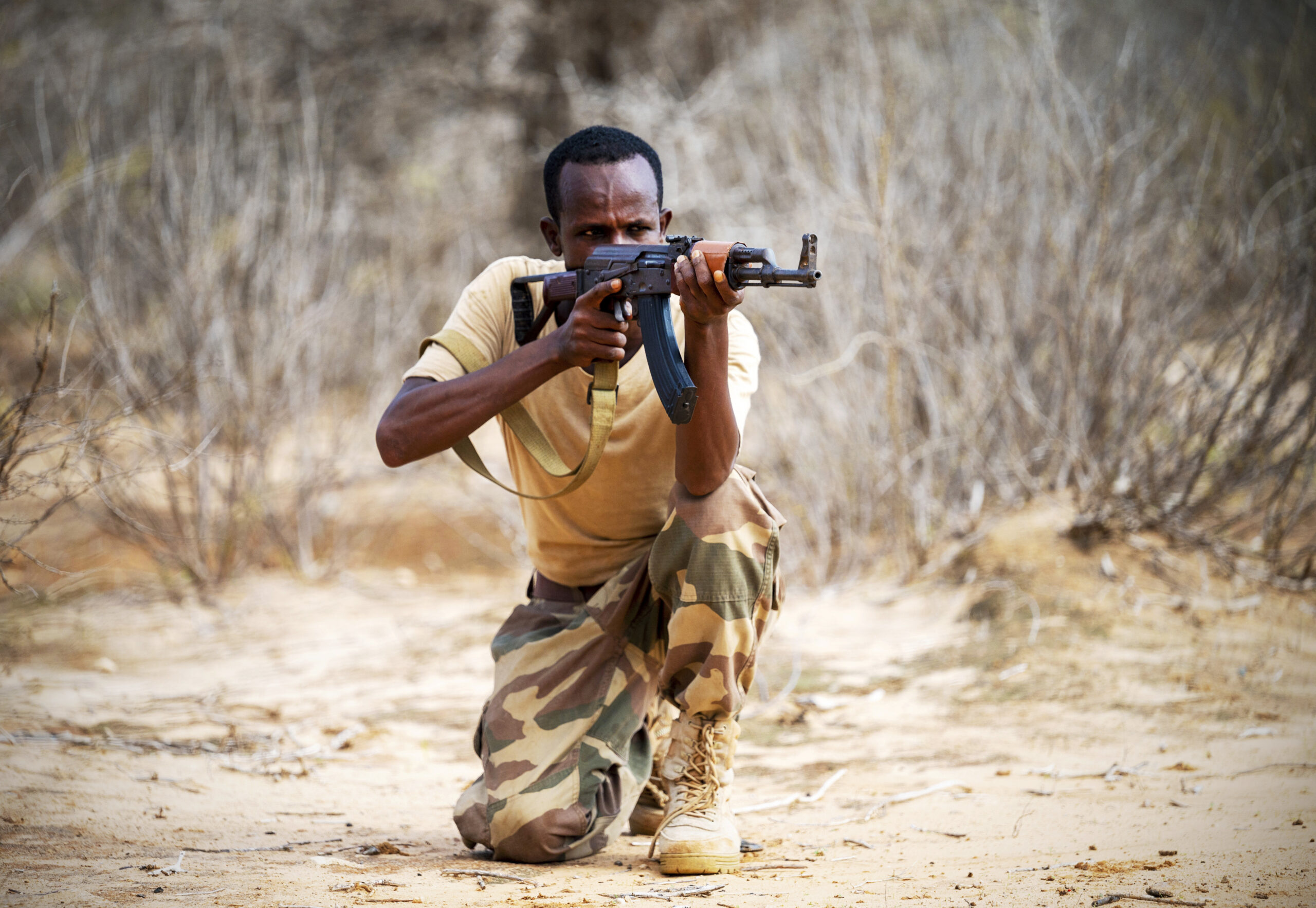
Large sections of central Somalia remain under militant control, however, leaving government forces and al-Shabab locked in a stalemate, the International Crisis Group said. The developments raise further questions about what years of American military support have accomplished.
U.S. military officials have argued over the years that the AFRICOM mission in Somalia is directly connected to American security.
The mission focuses on training and advising government troops while providing air power support.
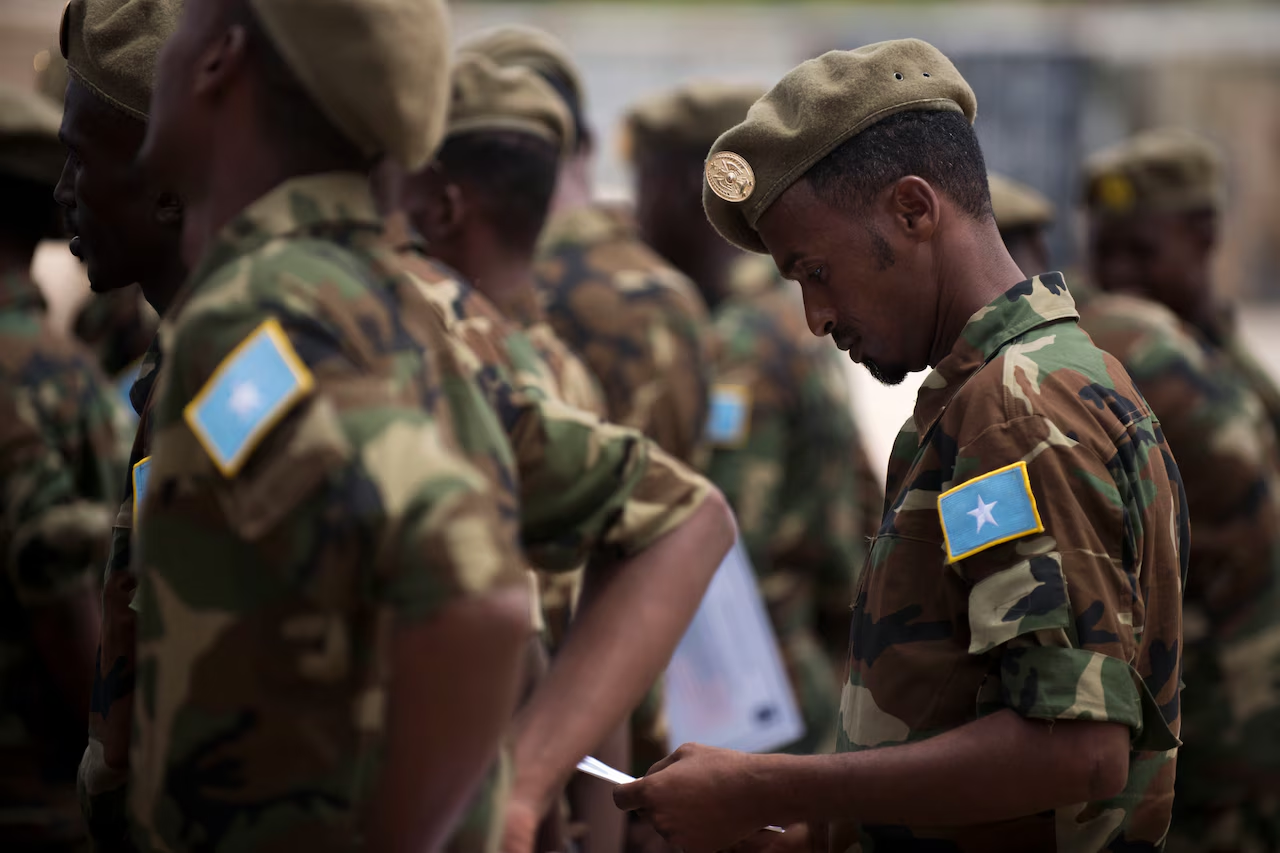
Military commanders have also warned that Islamic militants in Somalia and elsewhere in Africa want to conduct attacks far beyond the continent. AFRICOM commander Gen. Dagvin Anderson told a Senate hearing in May that the “epicenter of global terrorism is in Africa.”
“ISIS leadership is African; al-Qaida’s economic engine is in Africa,” Anderson said. “Both of these groups share the will and intent to strike our homeland.”
The danger these organizations present to the United States remains disputed. Former War Secretary Mark Esper wrote in his 2022 memoir that AFRICOM resisted his attempt to reduce the American mission in Somalia.
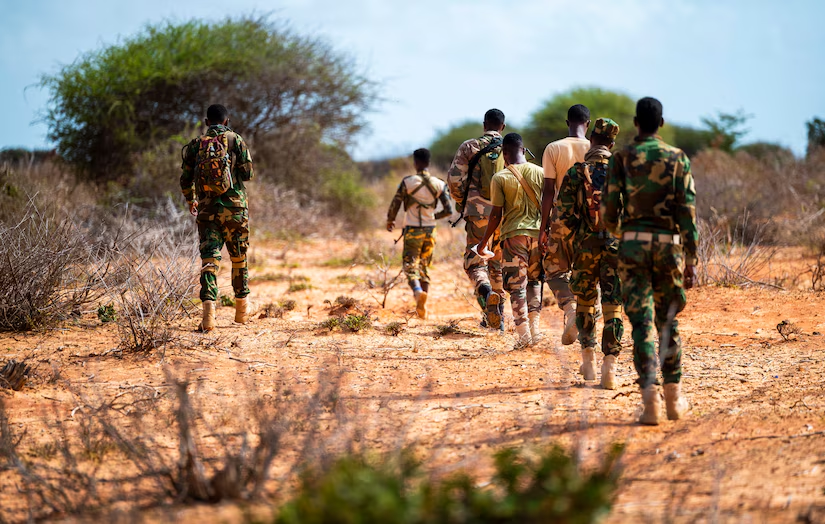
Esper viewed the threat from al-Shabab as limited, while AFRICOM disagreed with his assessment. “Such an assessment would threaten their resources,” Esper wrote.
President Donald Trump withdrew U.S. forces from Somalia at the end of his first term. They returned during the early portion of former President Joe Biden’s tenure and continue operating in the country.
Defense Priorities argued that American resources committed to Somalia should be redirected elsewhere because the “costs of keeping troops in place are not worth it.”
The complete cost of U.S. operations remains unknown because the Pentagon does not publicly release that information.
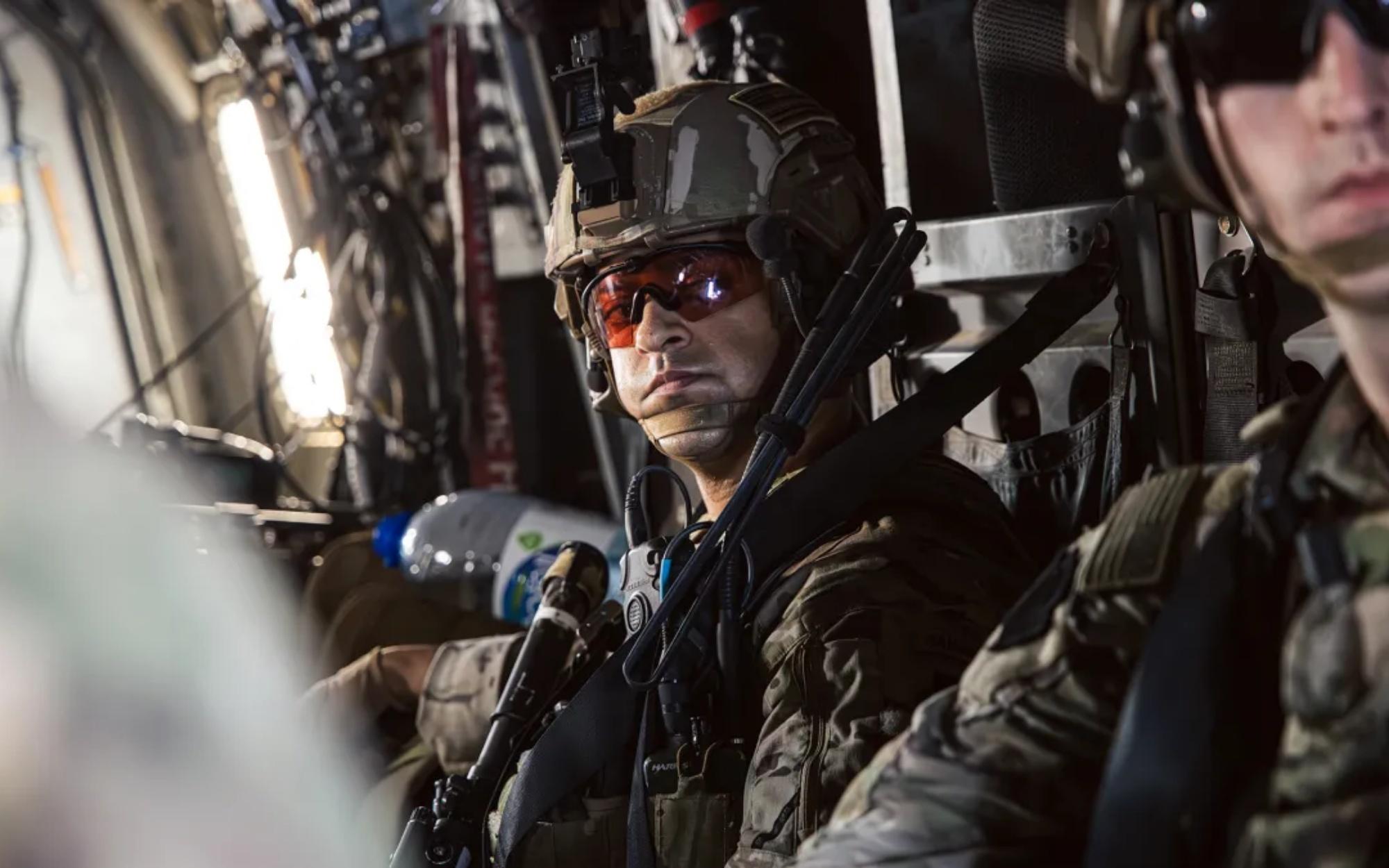
The campaign has probably cost hundreds of millions of dollars, according to the report.
Defense Priorities recommended that Trump phase out the missions over several months while transferring more responsibility to other regional partners.
“In short, there are a lot of countries with far more at stake in Somalia than the United States that can figure out a path forward,” the report concluded.
Its recommendation puts a clear choice before Washington as strikes accelerate without a demonstrated defeat of the militant groups.
Are you feeling overwhelmed or hopeless right now? Have you been withdrawing from people or activities you usually enjoy? Are you having thoughts about hurting yourself, or feeling like things will never improve?
You do not have to handle those feelings alone. Support is available, and talking to someone can make a difference. You can reach out to the 988 Suicide & Crisis Lifeline by calling or texting 988, or by chatting online at 988lifeline.org. Trained counselors are available 24 hours a day to listen and help.
If you believe someone is in immediate danger, call emergency services right away. Even a small step, like reaching out to a trusted friend, family member, or professional, can help create a path forward.
Join the Discussion
COMMENTS POLICY: We have no tolerance for messages of violence, racism, vulgarity, obscenity or other such discourteous behavior. Thank you for contributing to a respectful and useful online dialogue.