WHAT YOU NEED TO KNOW
- Trump said the United States is “hopefully” nearing the end of its nearly seven month war with Iran.
- Houthis backed by Iran are attacking Saudi targets and seeking control of the strategic Bab el-Mandeb Strait.
- Trump plans to meet Gulf leaders in New York next Tuesday to discuss the war and postwar proposals.
- Brent crude fell 1.5% to $104.28, while West Texas Intermediate declined 1.1% to $101.30.
President Donald Trump says the United States is “hopefully” approaching the end of its nearly seven month war with Iran, even as the wider Middle East conflict expands into Yemen and rattles global oil markets.
“Well, hopefully we are toward the end of the war. They want to make a deal, we’ll see how that works out,”
Trump delivered that assessment to reporters in North Carolina on Wednesday evening.
He also said he had spoken with Tehran “directly,” although he did not provide further details about that communication.
Here's What They're Not Telling You About Your Retirement
The sprawling conflict began on Feb. 28 and has since widened into Yemen.
Fighting is now escalating between Saudi Arabia and the Houthis, militants backed by Iran who have stepped up attacks against Saudi targets.
The Houthis have also launched a rapid ground offensive aimed at exercising control over the Bab el-Mandeb Strait.

This Could Be the Most Important Video Gun Owners Watch All Year
The vital oil choke point connects the Red Sea with the Gulf of Aden and provides access to global markets.
Trump plans to meet Gulf leaders on the sidelines of the United Nations General Assembly in New York next Tuesday, Axios reported Thursday. The talks are expected to focus on the next steps in the war with Iran.
Washington’s attempts to restart ceasefire negotiations appear to have stalled as Gulf states absorb escalating attacks from Iran and Houthi militants aligned with Tehran.
The continued combat has added pressure to a region already confronting economic and energy disruptions.
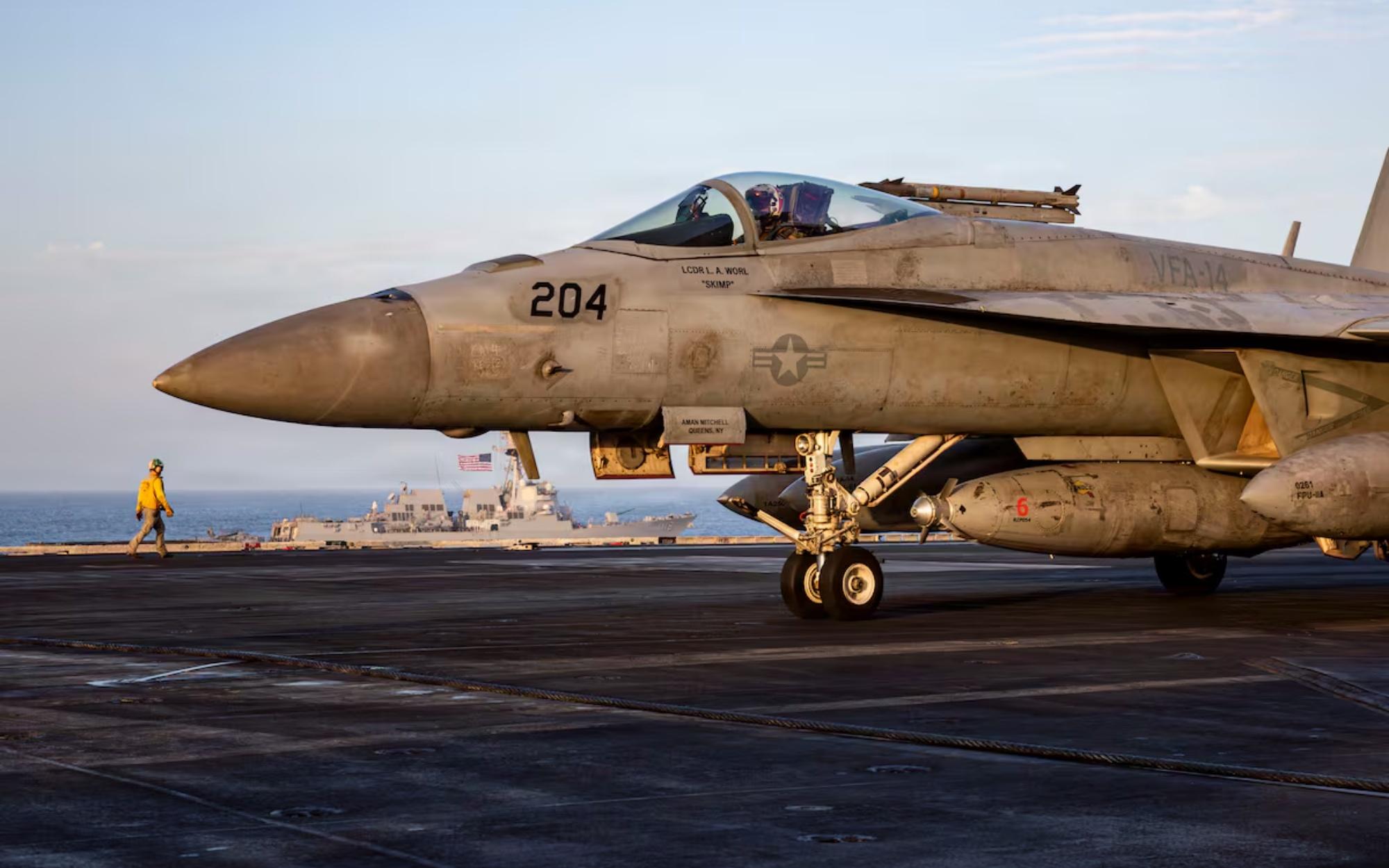
According to Axios, Trump is expected to meet leaders from all six Gulf Cooperation Council states.
Those countries are Saudi Arabia, the United Arab Emirates, Qatar, Bahrain, Kuwait and Oman, while the guest list could expand to include other Arab and Muslim leaders.
The State Department sent initial invitations Wednesday, Axios reported, citing unnamed people familiar with the matter.
The discussions will focus on American proposals for a postwar strategy.
Trump and his senior team are working on a plan for the period after the war, according to the report.
That plan is not expected to be finalized until after the United States midterm elections in November.
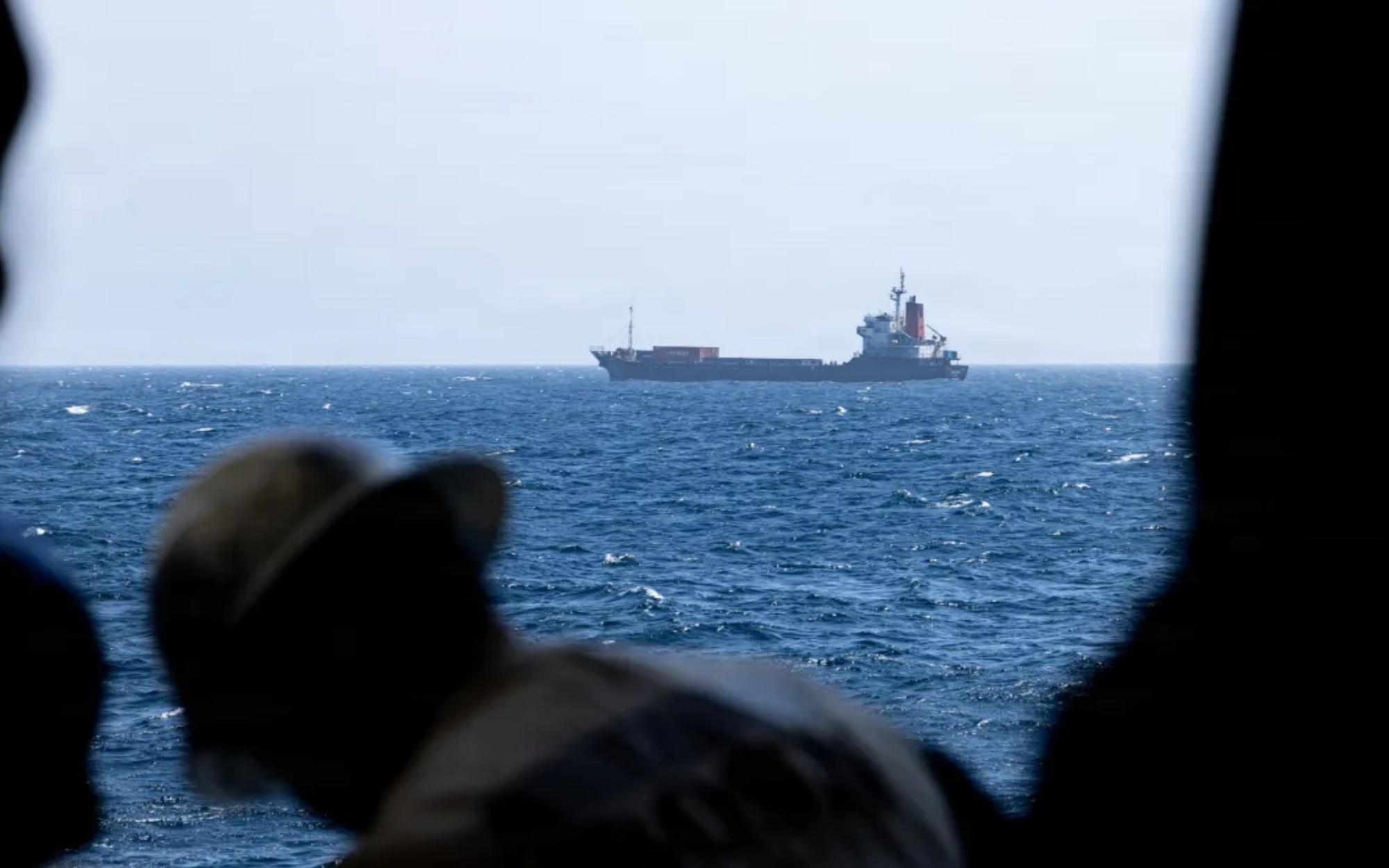
Israeli Prime Minister Benjamin Netanyahu also wants to meet with Trump in New York, Axios reported, citing an Israeli source. No meeting between the two leaders has been scheduled.
The diplomatic effort comes as Gulf states face increasing economic costs from the fighting.
Saudi Arabia closed its East-West Pipeline after damage caused by a drone attack, cutting access to a highly strategic network that moves crude oil from the kingdom’s eastern coast to Yanbu on the Red Sea.
Oil prices moved lower Thursday after Saudi Arabia reportedly arranged additional shipments through Oman’s Sohar port using transfers between ships. Those arrangements eased concerns that the market could face a prolonged gap in supply.
International benchmark Brent crude futures for November delivery fell 1.5% to $104.28 per barrel. U.S. West Texas Intermediate futures for October delivery declined 1.1% to $101.30.

On Wednesday, U.N. Secretary-General António Guterres renewed calls for reduced tensions across the region.
He urged the parties to pursue diplomacy and restore freedom of navigation through the Strait of Hormuz.
It remains unclear what Washington would require from either Gulf states or Iran under any postwar arrangement.
Michael Feller, chief strategist at Geopolitical Strategy, said Iran could be willing to negotiate after the United States midterms, but continued reluctance to engage could extend the war.
“Iran may be willing to do a deal after the midterms. If not, the war may continue until late 2028, if not beyond,”
Feller also identified repairs to the East-West Pipeline as one potential source of relief.
However, he warned that stockpiles at export terminals will run out unless the damaged line is restored within days.
Join the Discussion
COMMENTS POLICY: We have no tolerance for messages of violence, racism, vulgarity, obscenity or other such discourteous behavior. Thank you for contributing to a respectful and useful online dialogue.