WHAT YOU NEED TO KNOW
- The Air Force will extend B-1 and B-2 service while continuing modernization and investment in both bomber fleets.
- The B-21 Raider remains on track for delivery to Ellsworth Air Force Base in 2027.
- Experienced bomber pilots are expected to be among the first B-21 pilots.
- BSTAR uses HondaJet Elite aircraft to help B-1 pilots maintain flight time when bomber readiness issues limit cockpit access.
- The North Star Readiness Campaign targets mission capable B-52 and B-1 numbers through parts, engineering support and depot maintenance.
The U.S. Air Force will extend the service of its B-1 Lancer and B-2 Spirit bombers as it works to preserve fleet readiness and continue development of the B-21 Raider, according to a senior service official.
Gen. Stephen L. Davis, commander of Air Force Global Strike Command, confirmed the plan Wednesday during a panel at the Air & Space Forces Association’s 2026 Air, Space & Cyber Conference. The panel was titled “Flying and Fixing to Fight and Win.”
The extensions come as the Air Force moves forward with accelerated production of the B-21, its next generation stealth bomber.
The service plans for the Raider to replace the aging B-1 and B-2 fleets over the coming decades.
Here's What They're Not Telling You About Your Retirement
Davis did not disclose how long the B-1 and B-2 service lives would be extended.
Both aircraft have been slated for retirement during the next decade, but the Air Force still intends to modernize and invest in them during the coming years.
That approach keeps the existing bomber force in service while the B-21 advances toward delivery and operational use.
The Raiders remain on track for delivery to Ellsworth Air Force Base, South Dakota, in 2027.
This Could Be the Most Important Video Gun Owners Watch All Year
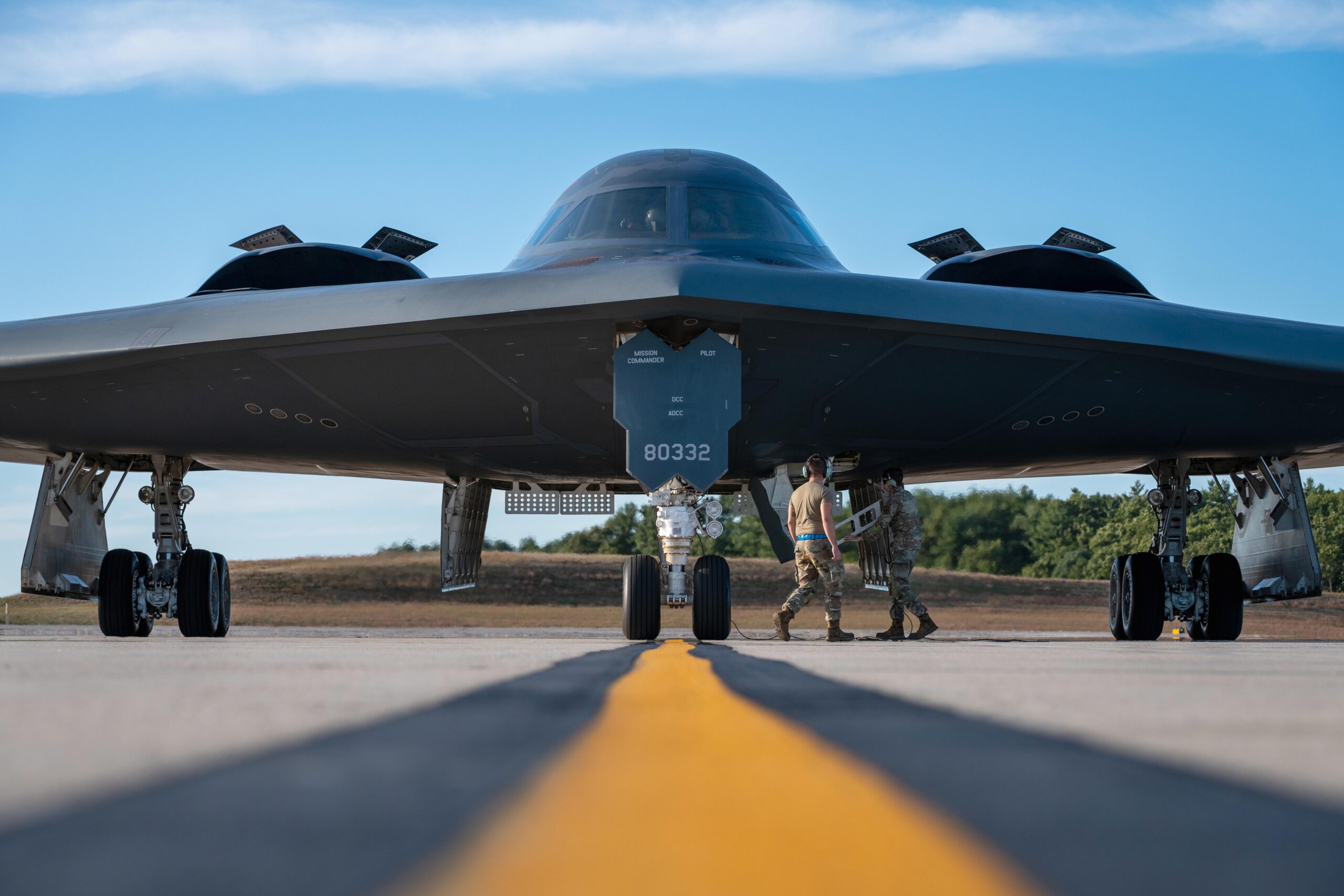
The Air Force intends to acquire at least 100 B-21s as it replaces the older fleets.
Davis also said experienced pilots currently flying the B-1 and B-2 will be among the first pilots assigned to the new Raider.
Maintaining pilot readiness is another major piece of the service’s bomber effort.
Davis highlighted the Bomber Supplemental Trainer for Aircrew Readiness program, known as BSTAR, which is designed to address readiness gaps and flight hour needs for B-1 pilots.
Under BSTAR, XSTAR Aviation provides HondaJet Elite light business jets to the Air Force.
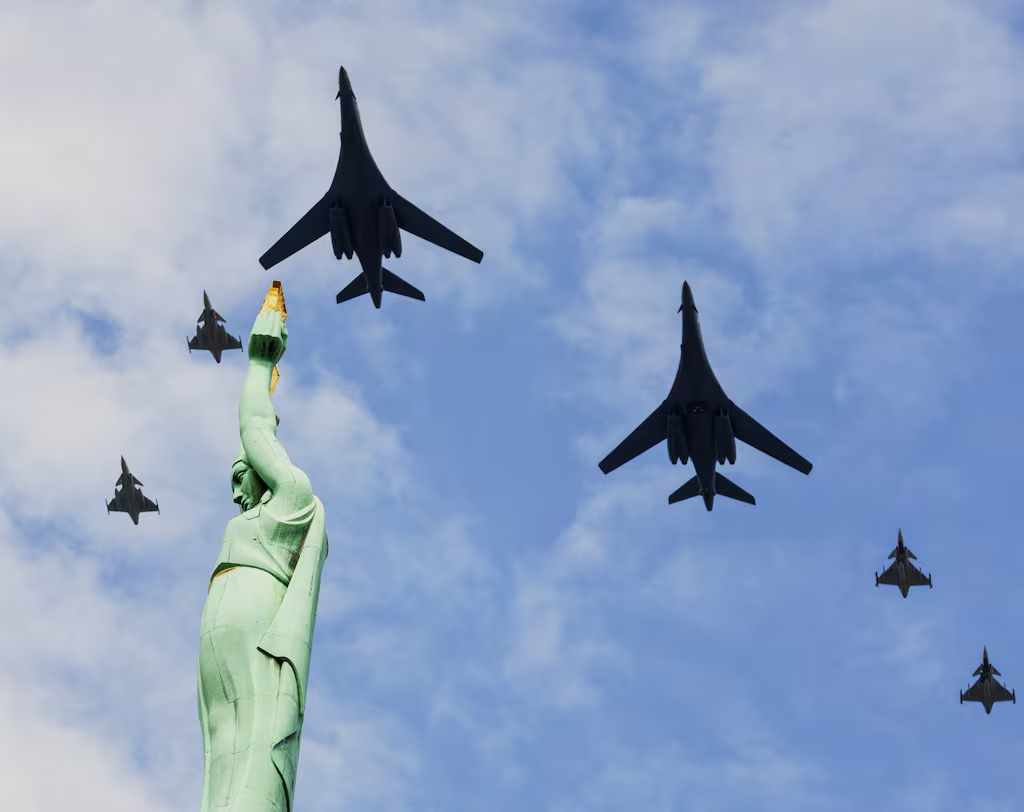
The aircraft give pilots another opportunity to maintain flying experience when readiness problems affect the bombers they would normally operate.
“We’re bringing in a HondaJet to actually help experience some pilots, and also as some of these airframes have issues with readiness, it gives those pilots a chance to fly and get them time in the seat, which we know is very important,” Davis said during the panel.
The trainer program addresses the practical challenge of keeping aircrews flying while some bomber airframes face readiness issues.
It also gives pilots time in the cockpit as the service manages current aircraft and prepares personnel for the B-21’s arrival.
The Air Force recently launched a separate operational readiness initiative called the North Star Readiness Campaign.
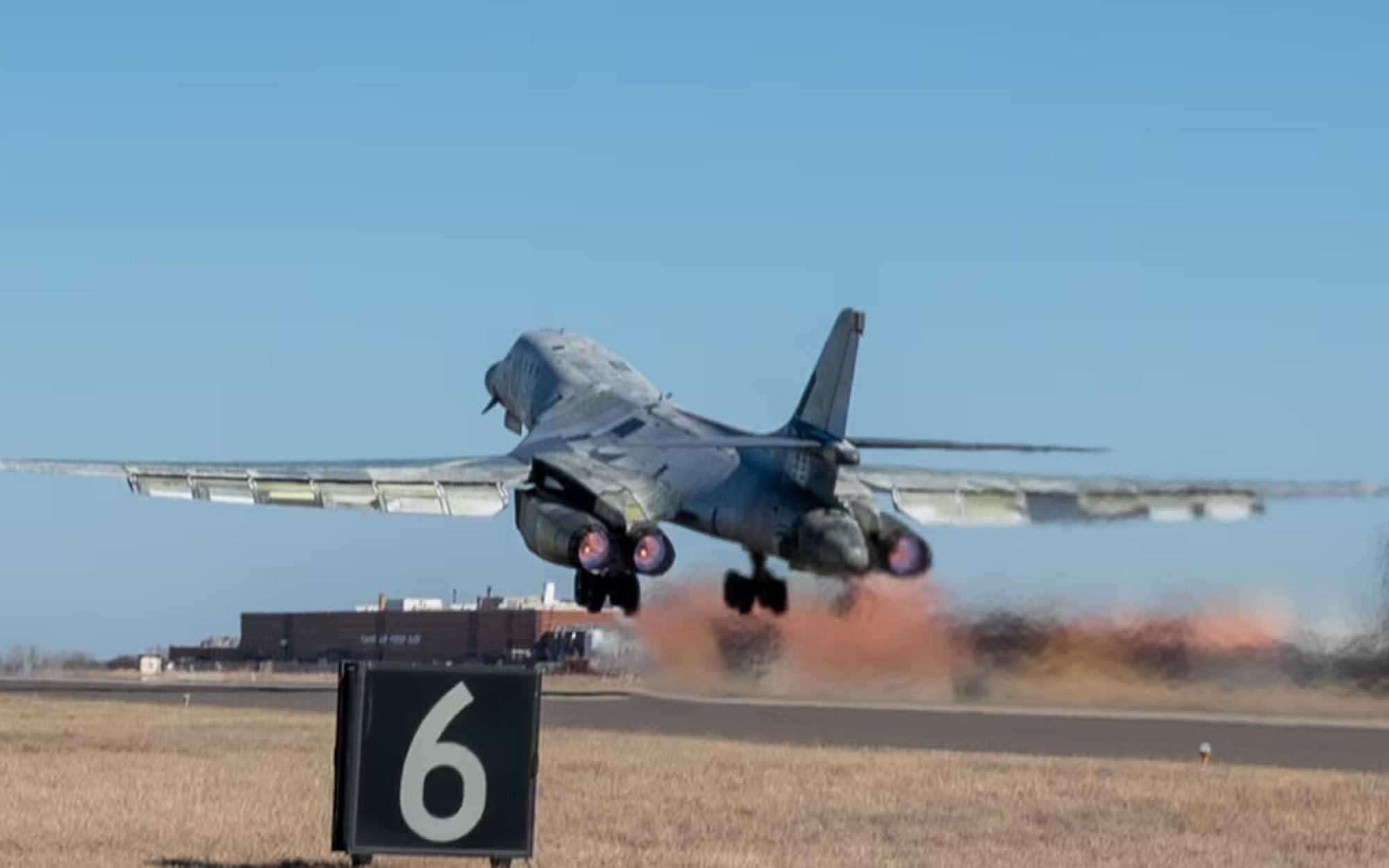
That effort seeks to increase the number of mission capable B-52 Stratofortress and B-1 bombers through faster delivery of parts, engineering support and depot maintenance.
According to the service’s campaign announcement, the B-22 and B-1 are being upgraded so they can continue serving.
The Air Force also said the B-2 will be maintained for combat effectiveness until the B-21 becomes fully operational.
The combined efforts place aircraft maintenance, parts delivery, depot work and pilot flight time at the center of the Air Force’s bomber readiness plans. Each initiative addresses an element of keeping the current fleet available during the transition toward the Raider.
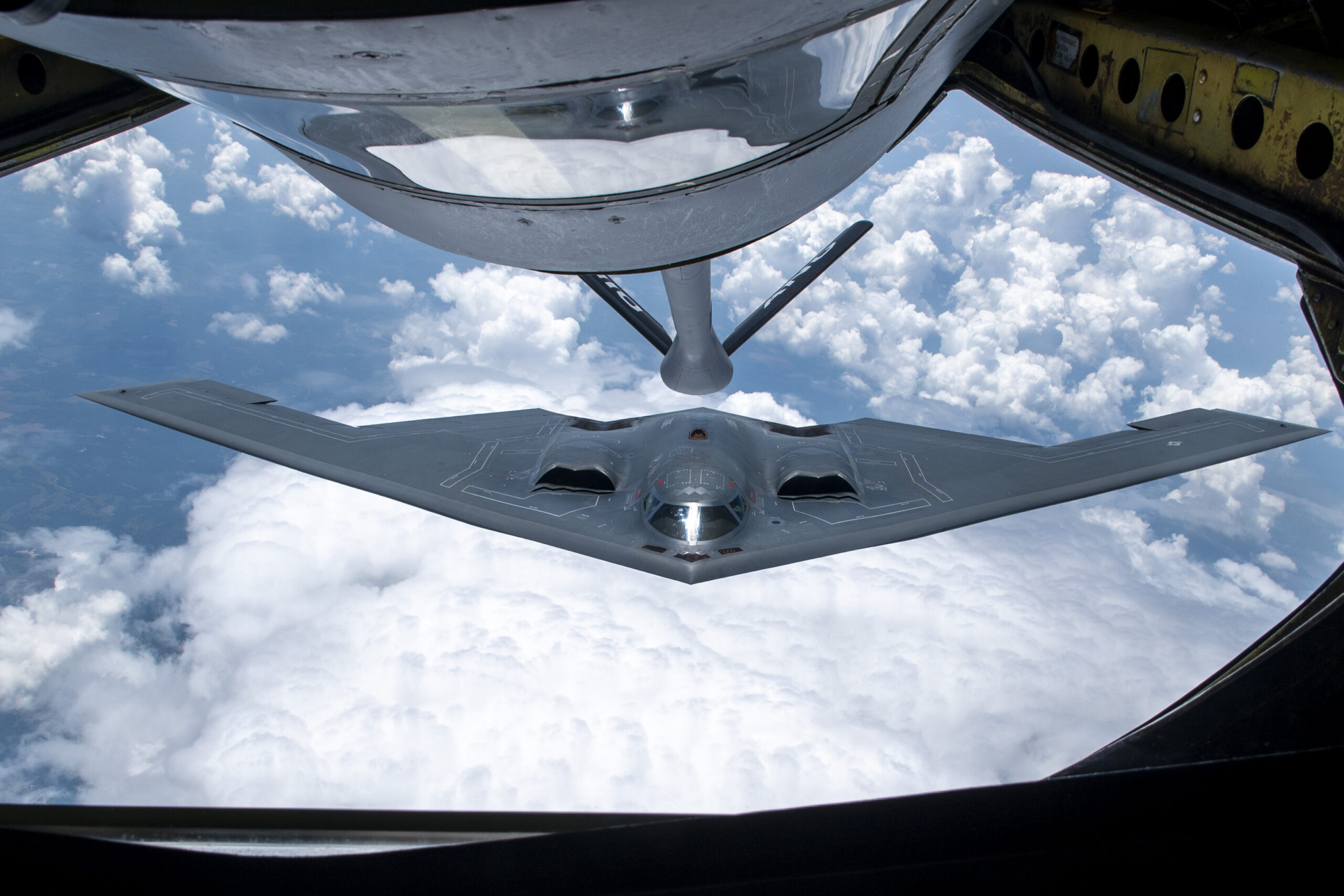
For now, the B-1 and B-2 are not simply heading toward retirement without additional attention.
The Air Force plans continued modernization and investment, even as it prepares at least 100 B-21s to eventually take over their missions.
The precise timeline for the extended service lives remains undisclosed.
What Davis made clear is that both bombers will remain part of the Air Force’s readiness equation while the Raider program moves toward its scheduled 2027 delivery at Ellsworth Air Force Base.
Join the Discussion
COMMENTS POLICY: We have no tolerance for messages of violence, racism, vulgarity, obscenity or other such discourteous behavior. Thank you for contributing to a respectful and useful online dialogue.