American forces struck three Iranian oil tankers around the Strait of Hormuz on Saturday after Iran’s Islamic Revolutionary Guard Corps launched ballistic missiles at two United States warships.
The American vessels escaped damage, and no United States personnel were wounded.
United States Central Command said the IRGC launched “multiple” attacks against an American aircraft carrier and a destroyer.
Both ships successfully evaded the incoming missiles before American forces answered with a larger economic blow against Iran’s exposed oil fleet.
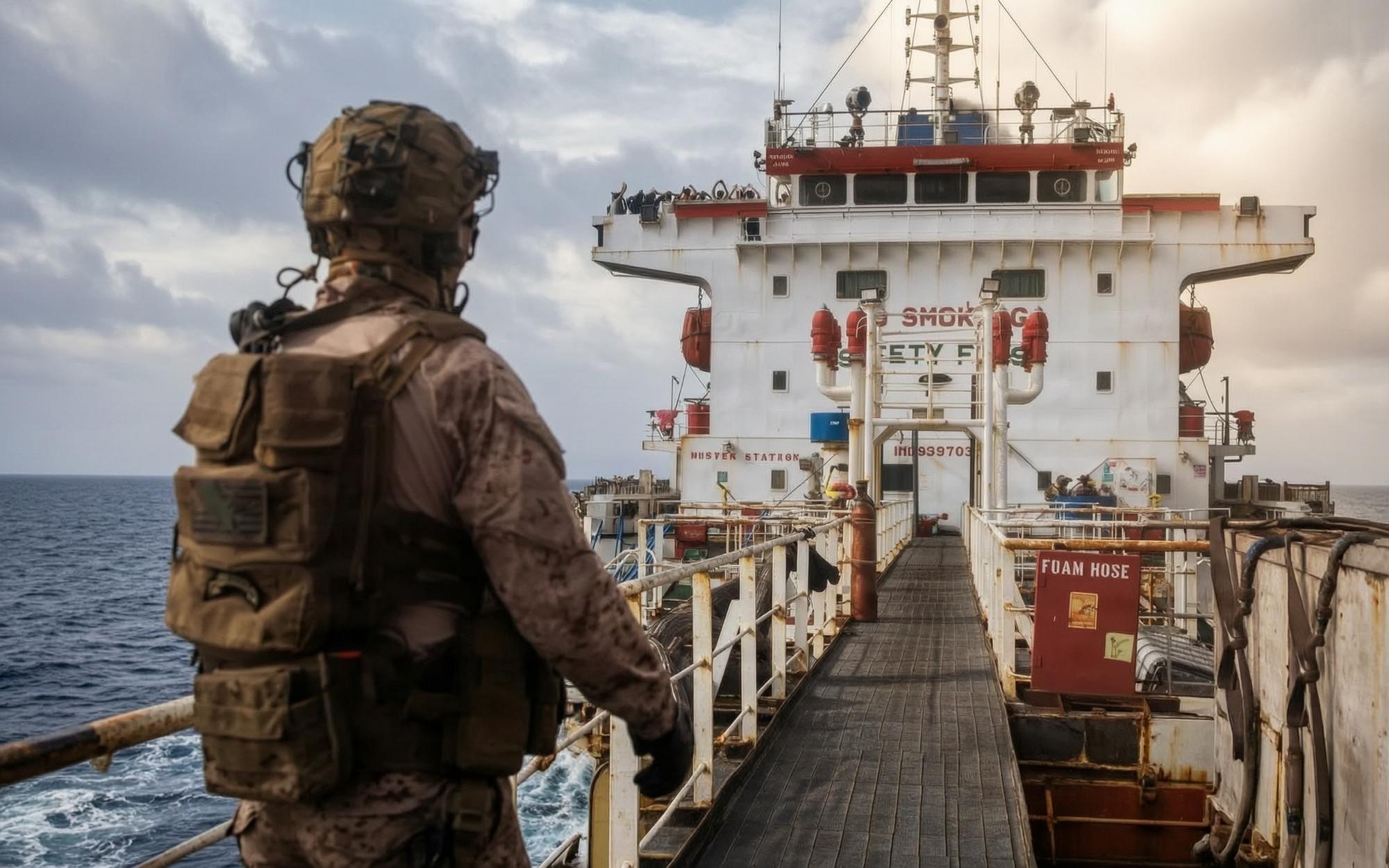
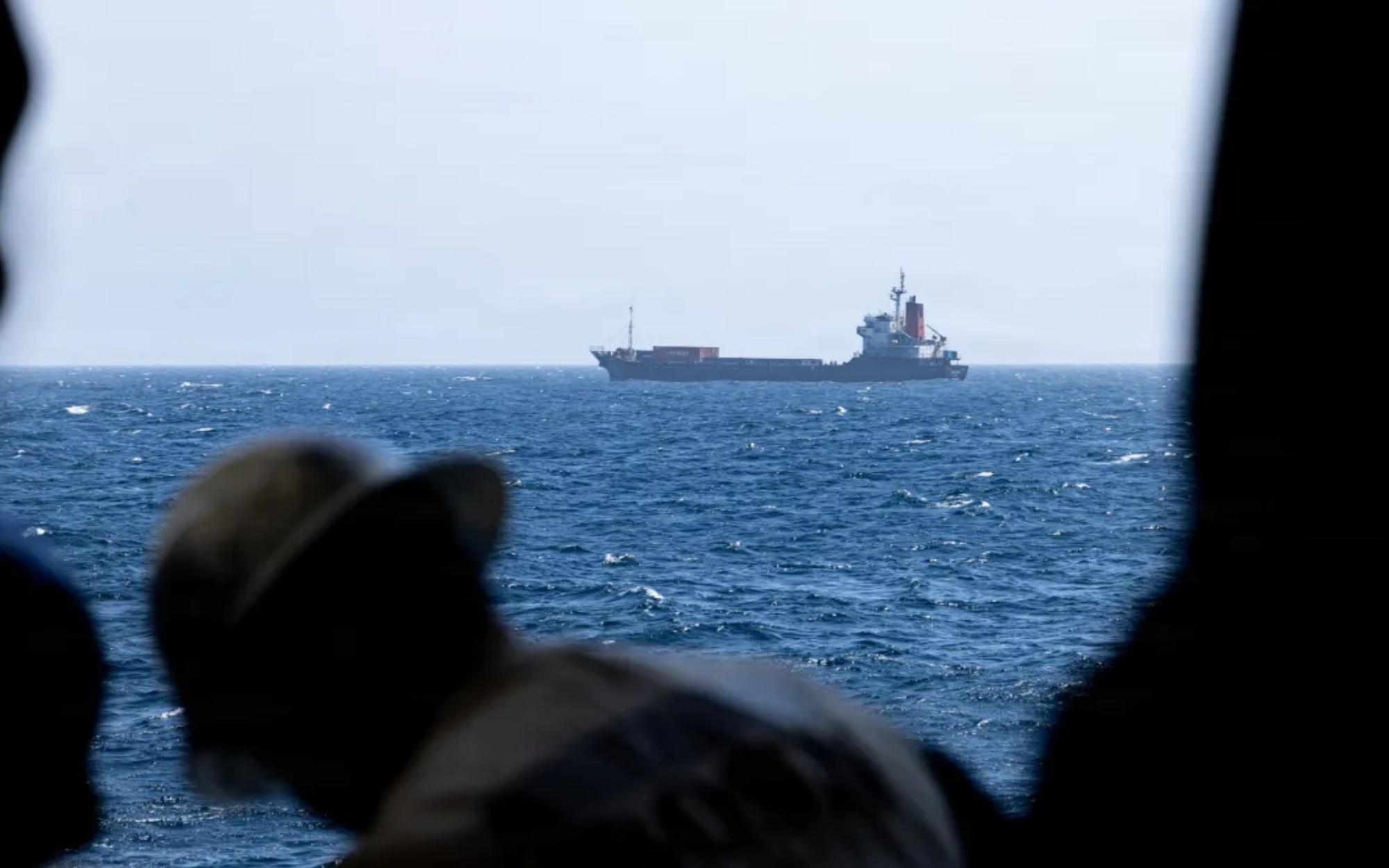
The retaliatory operation targeted three crude oil tankers operating in or near the strategically critical strait. CENTCOM said American strikes “permanently disabled” the M/T Downy near Kharg Island and the M/T Stark 1 near Jask.
A third tanker, the M/T Kylo, was destroyed in the Gulf of Oman after its crew received orders to abandon the vessel.
The available information did not establish how many people, if any, were killed aboard the three targeted ships.
Video released by CENTCOM showed American munitions slamming into the vessels and setting off explosions across their decks and hulls.
Footage of the Kylo showed several waves of strikes, including a powerful impact against the side of the tanker near its waterline.
CENTCOM commander Adm. Brad Cooper delivered a blunt warning after the operation.
“Let the message to the IRGC be clear: If you shoot at two of our ships, we will impose an even higher economic cost,” Cooper said in a statement posted on X, before adding, “taking out three of yours.”
Cooper made clear that American forces remain prepared to escalate if Tehran continues targeting United States personnel and ships.
“We will not hesitate to defend American forces, and if necessary, destroy Iran’s limited and exposed oil fleet.”
That warning carries particular weight because the Strait of Hormuz is one of the most important maritime choke points on the planet.
Roughly one fifth of the world’s crude oil moves through the waterway, while Iran’s Kharg Island serves as a major oil storage and export hub.
CENTCOM described the tankers as part of a “shadow network” used to generate money for the IRGC and its regional partners.
Striking those ships therefore imposed a direct financial penalty rather than merely intercepting another Iranian attack and waiting for the next one.
The military did not identify the aircraft carrier or destroyer targeted by Iran.
However, the USS George Washington and USS George H.W. Bush are operating with their respective carrier strike groups in the Arabian Sea.
Several independent Arleigh Burke class guided missile destroyers are also deployed in the region.
Those warships provide air and missile defense while carrying substantial offensive firepower of their own.
Saturday’s tanker strikes represented a significant change from the American approach used after fighting resumed Sunday.
Since imposing a blockade of the strait in April and restoring it in July, United States forces had concentrated mainly on stopping vessels from passing through the waterway.
American forces redirected dozens of ships and fired upon several vessels that attempted to run the blockade.
Until recently, however, they had generally avoided directly striking Iranian ships simply because those vessels belonged to Tehran.
That restraint began disappearing this week when American forces fired on two Iranian tankers during broader strikes against Iran on Sept. 1.
The latest operation expanded that pressure by disabling or destroying three more vessels after the IRGC went after American warships.
The maritime confrontation followed additional fighting around the strait and nearby American positions. On Aug. 30, United States forces struck Larak Island after determining that IRGC launchers were preparing to fire mines into the waterway.
Two days before that operation, CENTCOM reported clearing mines from shipping lanes.
Iran later fired missiles and one way attack drones at American bases across the Middle East, continuing a pattern of provocation against United States forces.
The newest strikes leave Tehran with a straightforward choice: stop attacking American personnel and military assets, or keep watching its ability to finance aggression go up in flames.
CENTCOM’s response showed that attacks on American ships will not be treated as cost free theater for the IRGC.
Join the Discussion
COMMENTS POLICY: We have no tolerance for messages of violence, racism, vulgarity, obscenity or other such discourteous behavior. Thank you for contributing to a respectful and useful online dialogue.