Ukraine has formally asked the European Union to finance its first purchase of American made PAC 3 interceptor missiles for Patriot air defense batteries.
The request would draw billions of euros from a massive support loan approved earlier this year as Russian aerial attacks continue pounding Ukrainian cities.
European officials confirmed this week that the bloc is reviewing Kyiv’s proposal to use part of the €90 billion loan for the interceptors.
Because the PAC 3 is manufactured in the United States, Ukraine must first secure an exemption from purchasing rules designed to favor European and Ukrainian weapons.
European Commission President Ursula von der Leyen publicly backed continued military assistance while confirming the request alongside NATO Secretary General Mark Rutte.
“We will keep supporting Ukraine, including with European air defence and PAC-3 Patriot systems,” von der Leyen wrote on X on Sept. 2.
Von der Leyen also tied the missile request to closer coordination between the European Union and NATO. “We will work closer than ever with NATO.
And deter anyone who attacks our freedom and security.”
The appeal comes as Russia enters a second week of nearly continuous aerial strikes against Kyiv, Odesa and other Ukrainian population centers.
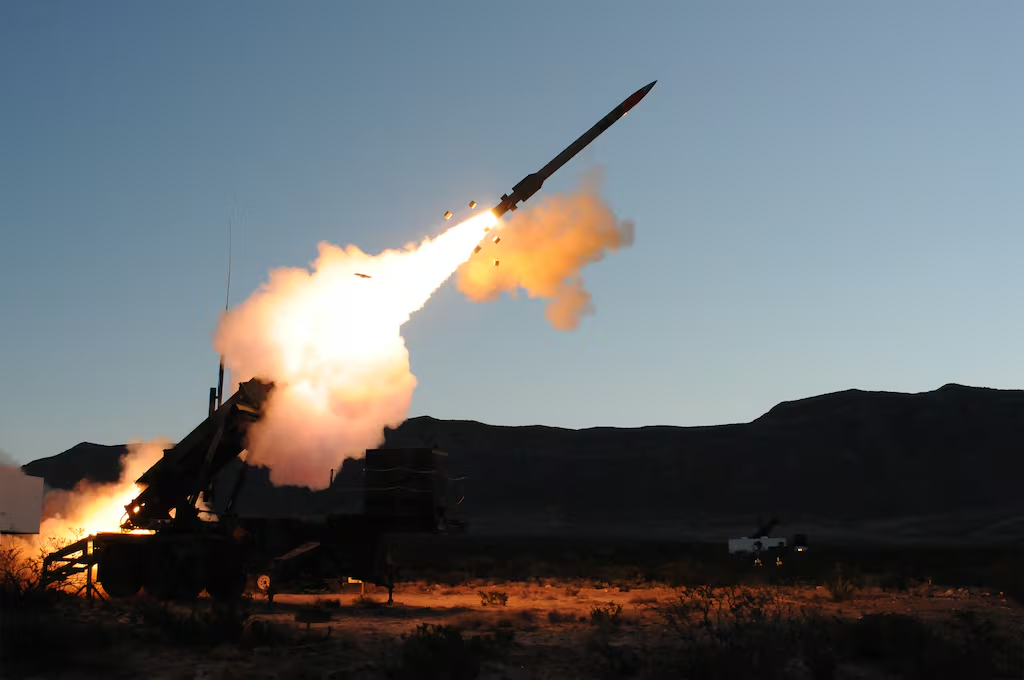
Those attacks are placing additional pressure on Ukraine’s dwindling inventory of antiballistic interceptors, which are critical for defeating some of Russia’s most dangerous incoming threats.
Ukraine’s war minister, Yevhenii Khmara, pressed allied governments to accelerate military and financial assistance one day before von der Leyen’s announcement.
Kyiv is seeking money for interceptor missiles, domestically produced drones and other battlefield requirements as the war consumes equipment and ammunition at a punishing rate.
“Ukraine calls on partners to allocate national budget funds for the procurement of Ukrainian drones, expedite the provision of the EU loan, and resume discussions on the use of frozen Russian assets,” Khmara said in a statement.
His message puts three politically sensitive issues squarely before Europe’s leaders, who have often demonstrated that moving paperwork can be harder than moving armored formations.
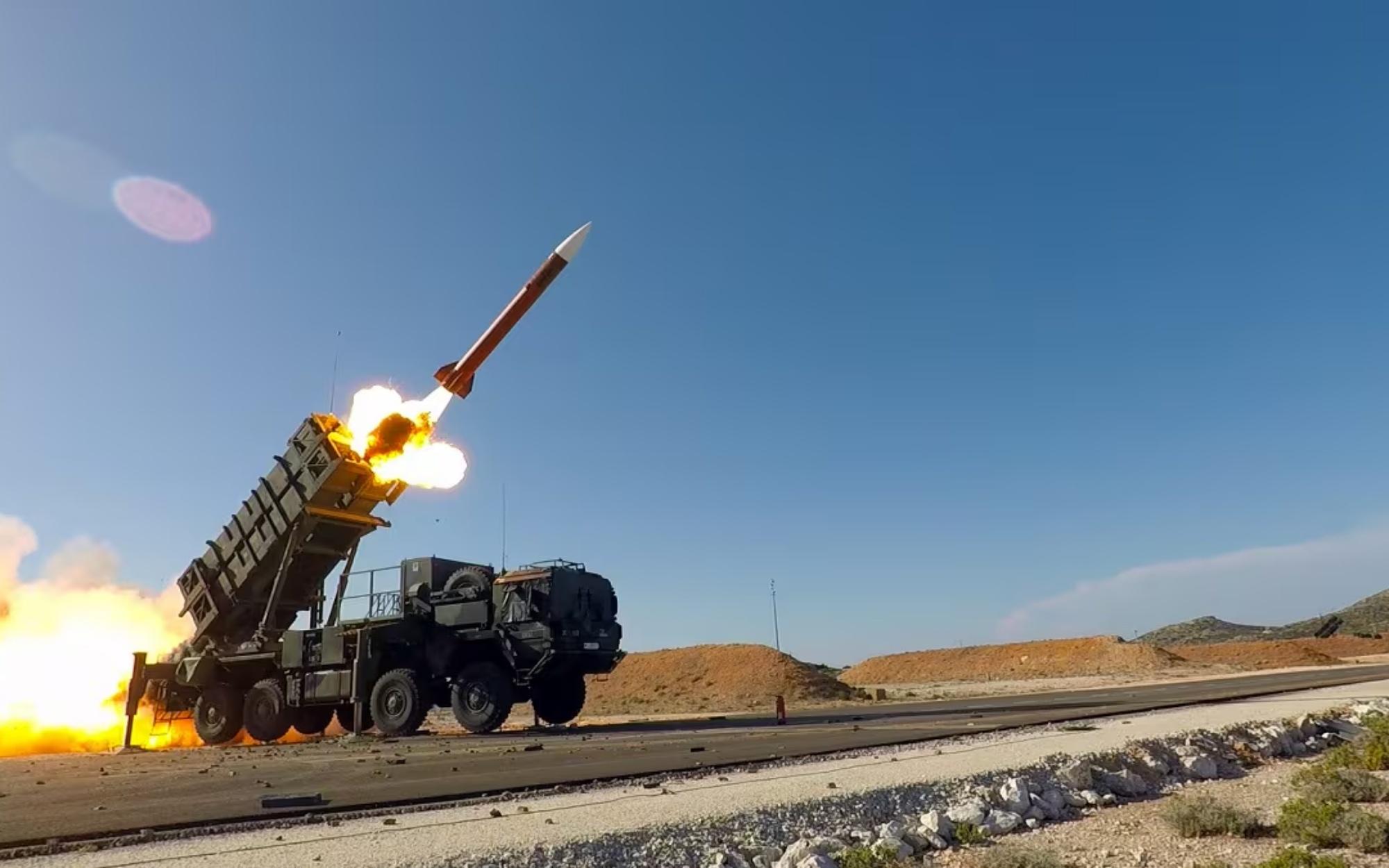
Khmara said Ukraine is confronting a $27 billion shortfall in its military budget. Even with billions already committed by European governments, Kyiv argues that the scale and tempo of Russian attacks require faster funding decisions and a reliable pipeline for replacing expended interceptors.
The Ukrainian official described additional support as a “win-win” for Europe because stopping Russian forces in Ukraine reduces the broader threat to NATO’s eastern flank.
“Every euro invested in Ukraine’s defence is an investment in European security,” he said.
The €90 billion loan was finalized by the Council of the European Union in April following months of negotiations and delay.
Roughly €60 billion was designated for military procurement, while another €30 billion was reserved for Ukrainian government budget support.
However, the financing package contains restrictions intended to steer spending toward Europe’s industrial base and Ukrainian manufacturers.
Under those rules, content produced outside the European Union and Ukraine cannot exceed 35 percent of the total value of an individual purchase.
That limitation creates an obvious problem for Kyiv’s Patriot plan because PAC 3 interceptors are built in the United States.
Ukraine therefore cannot simply place the order using the loan money without member states approving a formal exemption from the bloc’s procurement requirements.
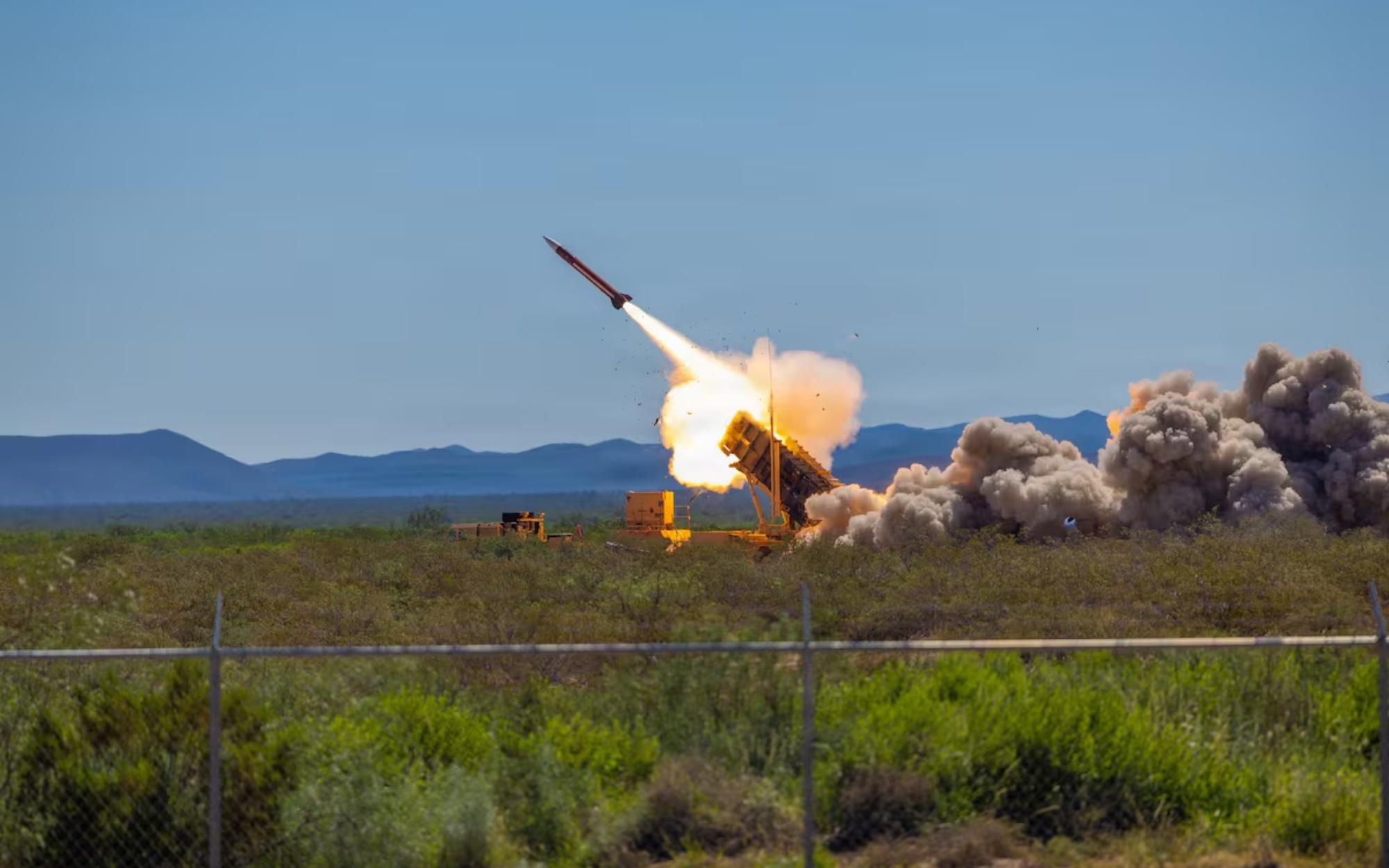
Kyiv has already obtained a similar carveout for Chinese manufactured drone components, providing officials with a precedent as they consider the Patriot request.
The earlier decision recognized that strict sourcing rules can collide with battlefield reality when urgently needed equipment is unavailable from approved suppliers.
Von der Leyen indicated that the review was progressing favorably, saying the exemption process “is moving in the right direction.”
European Union representatives were expected to consider the exemption on Monday, setting up a decision with direct consequences for Ukraine’s ability to defend its cities.
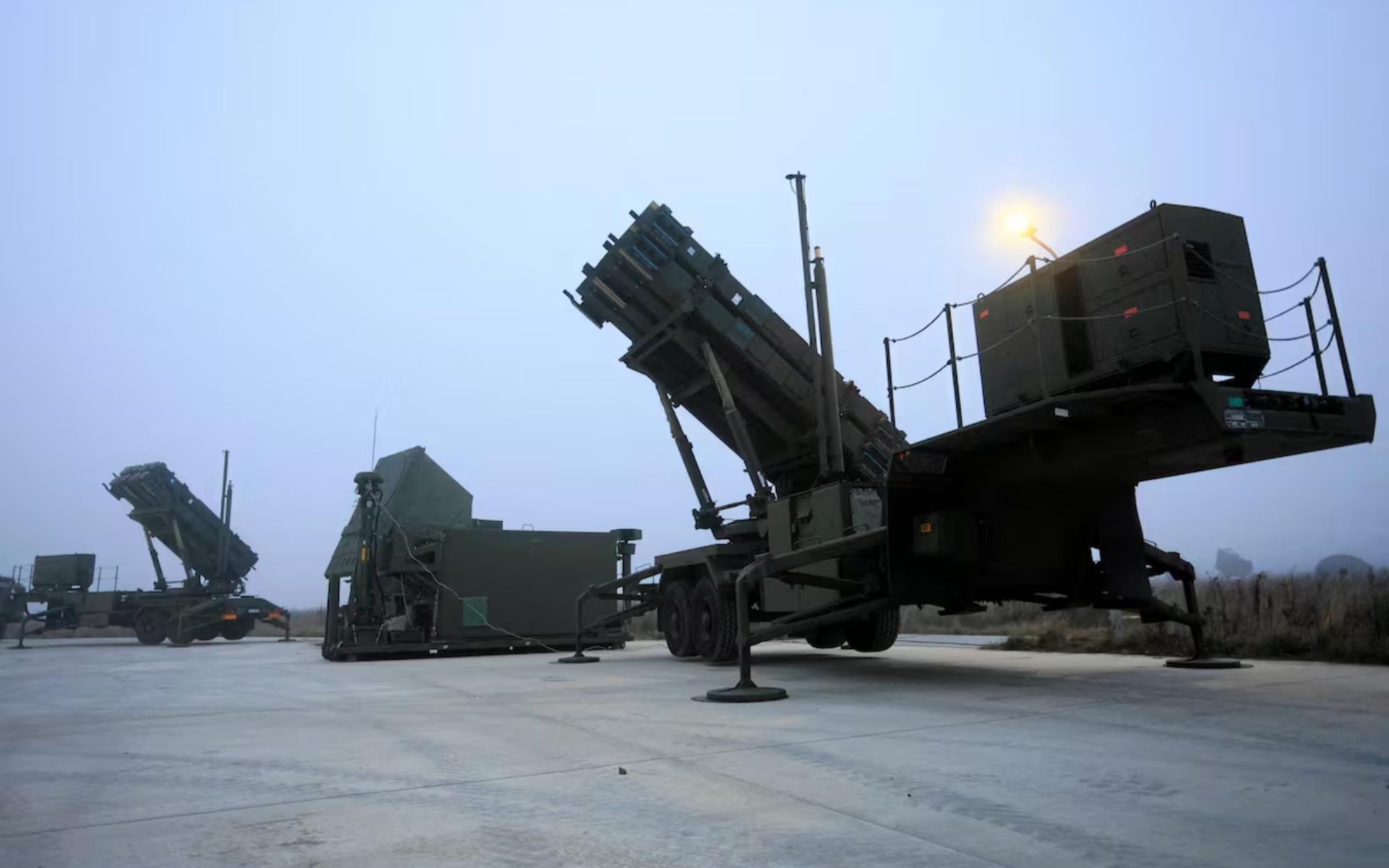
Patriot systems have become among Ukraine’s most valuable air defense assets because they can engage aircraft, cruise missiles and certain ballistic missiles.
Yet the launchers are only useful when interceptor magazines remain stocked, and sustained Russian barrages are designed to drain those limited inventories.
Approving the purchase would provide Kyiv with another route to replenish its Patriot batteries while reinforcing cooperation among Ukraine, Europe, NATO and the United States.
With Russian missiles still flying and Ukraine’s interceptor shortage becoming increasingly severe, Europe now faces a straightforward choice between bureaucratic rigidity and battlefield necessity.
Join the Discussion
COMMENTS POLICY: We have no tolerance for messages of violence, racism, vulgarity, obscenity or other such discourteous behavior. Thank you for contributing to a respectful and useful online dialogue.