The aircraft carrier USS Abraham Lincoln arrived at Thailand’s Laem Chabang port Wednesday morning, finally giving its crew a break after more than 200 consecutive days at sea.
The lengthy stretch included an extended deployment in the Middle East, one of the world’s most volatile operating environments.
Roughly 5,000 sailors and Marines are aboard the Lincoln, making the port call a major logistical event for both the Navy and local Thai authorities.
Democratic lawmakers have said the carrier established a modern day record for consecutive days at sea.
Here's What They're Not Telling You About Your Retirement
Naval deployments generally last between six and nine months, though operational demands can keep ships away from home considerably longer.
During periods of conflict or heightened tension, schedules often take a back seat to mission requirements.
The Lincoln’s unusually long period underway has also drawn reports of mental health concerns and deteriorating conditions aboard the massive warship.
More than 200 days without a port visit can strain even a disciplined crew trained to function under pressure.
This Could Be the Most Important Video Gun Owners Watch All Year
Life aboard an aircraft carrier is demanding under normal circumstances, with crowded spaces, long shifts, relentless maintenance requirements, and little privacy.
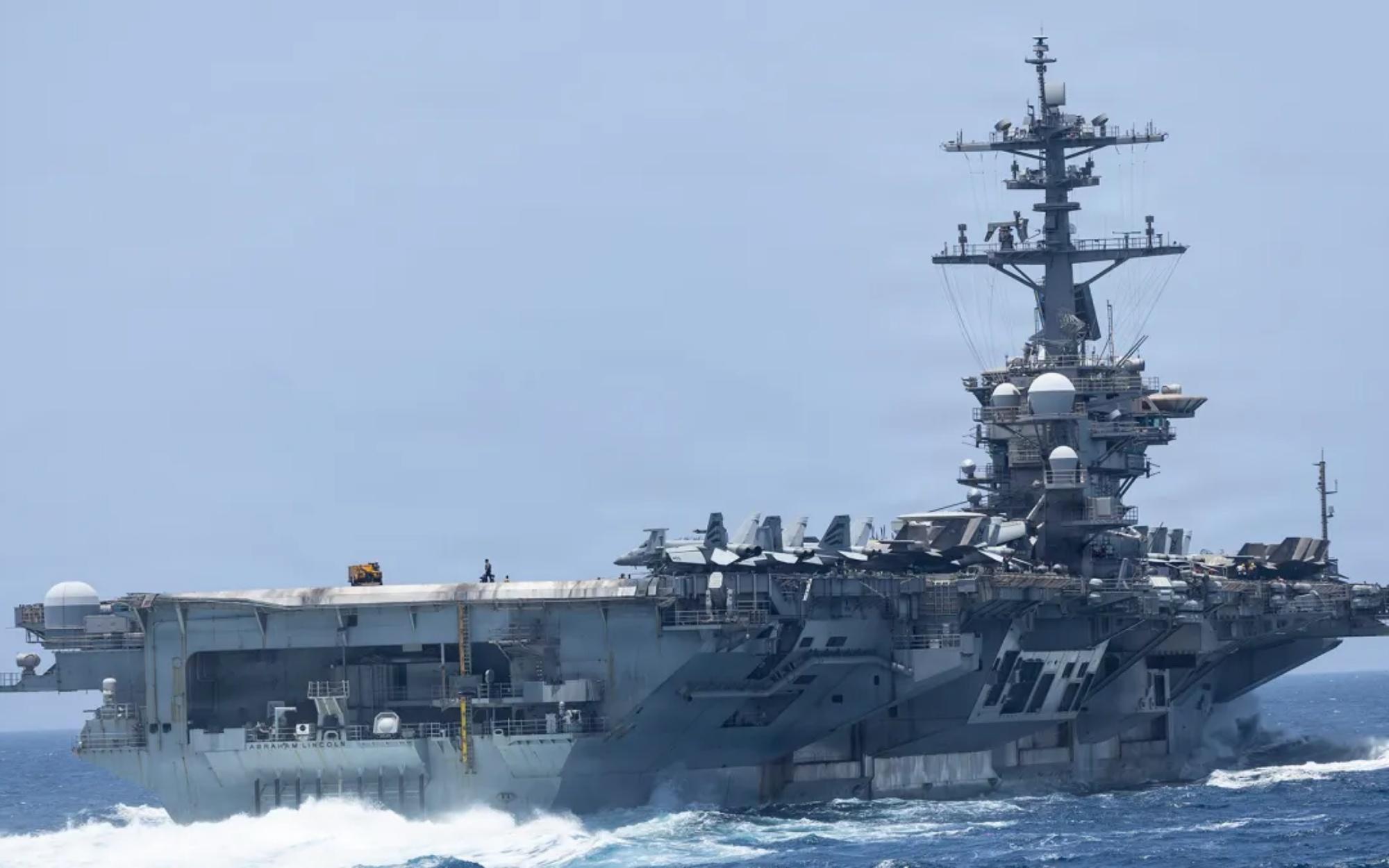
When months at sea continue piling up, the burden on sailors and Marines can become especially difficult.
The carrier arrived with other United States naval vessels and will remain in Thailand for five days of rest and recuperation, according to Thai officials.
After months of sustained operations, those five days represent a hard earned opportunity for personnel to step away from the daily grind aboard ship.
Thailand is the United States’ only treaty partner in mainland Southeast Asia, giving the visit significance beyond simple crew liberty.
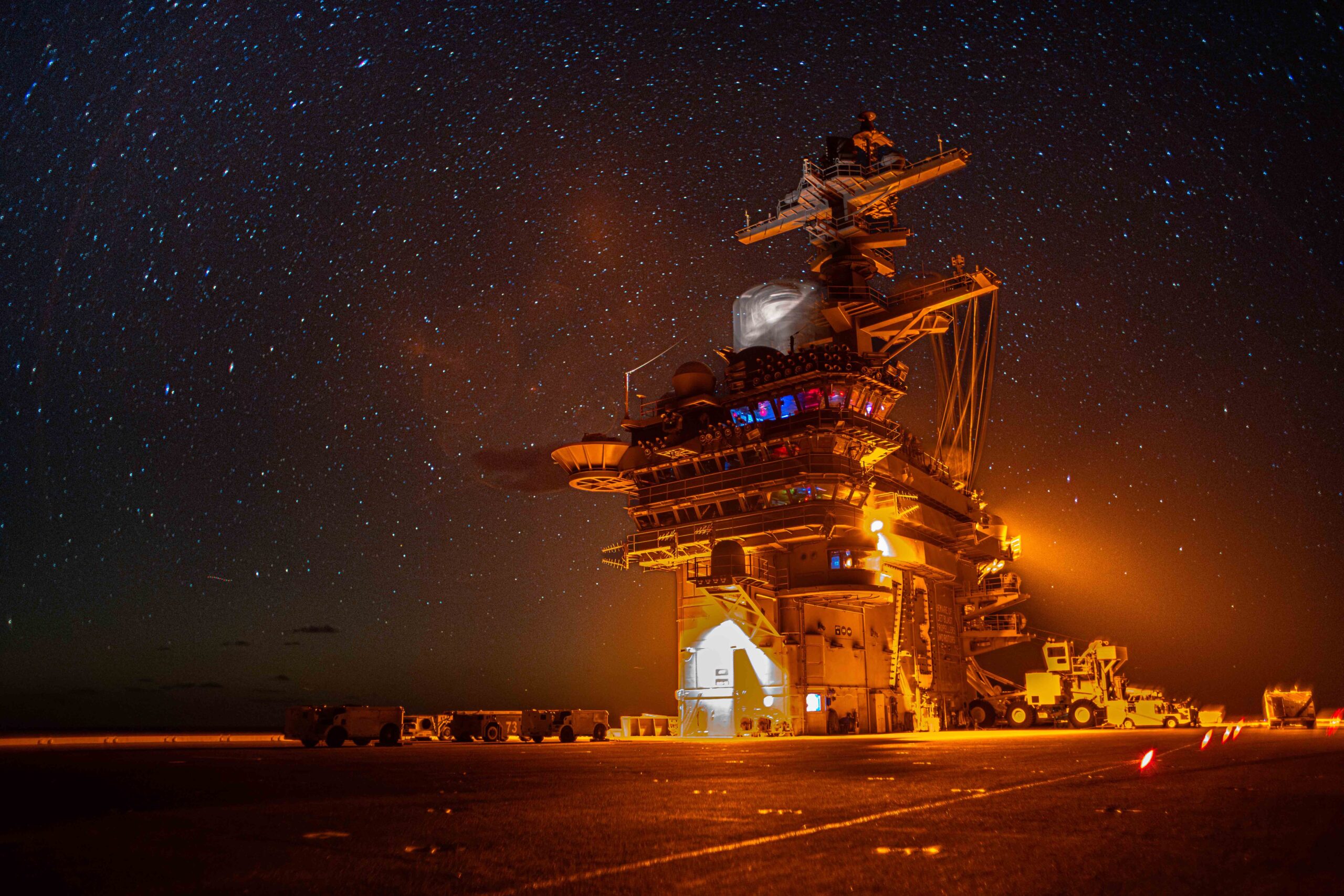
The port call also highlights the enduring military relationship between Washington and Bangkok in a strategically important region.
Local authorities expect thousands of American military personnel to travel between Laem Chabang and the nearby resort city of Pattaya.
Officials hope that sudden wave of visitors will provide a welcome economic boost for hotels, restaurants, shops, and entertainment businesses.
Pattaya Mayor Poramase Ngampiches said a fleet of about 40 buses will transport military personnel between the port and the city.
Moving that many sailors and Marines safely requires careful planning, security coordination, and a clear set of liberty rules.
“There are certain places and activities that the personnel are prohibited from participating in, such as all kinds of water sports, jet skiing, bungee jumping, wrestling, and boxing,” Ngampiches told Reuters.
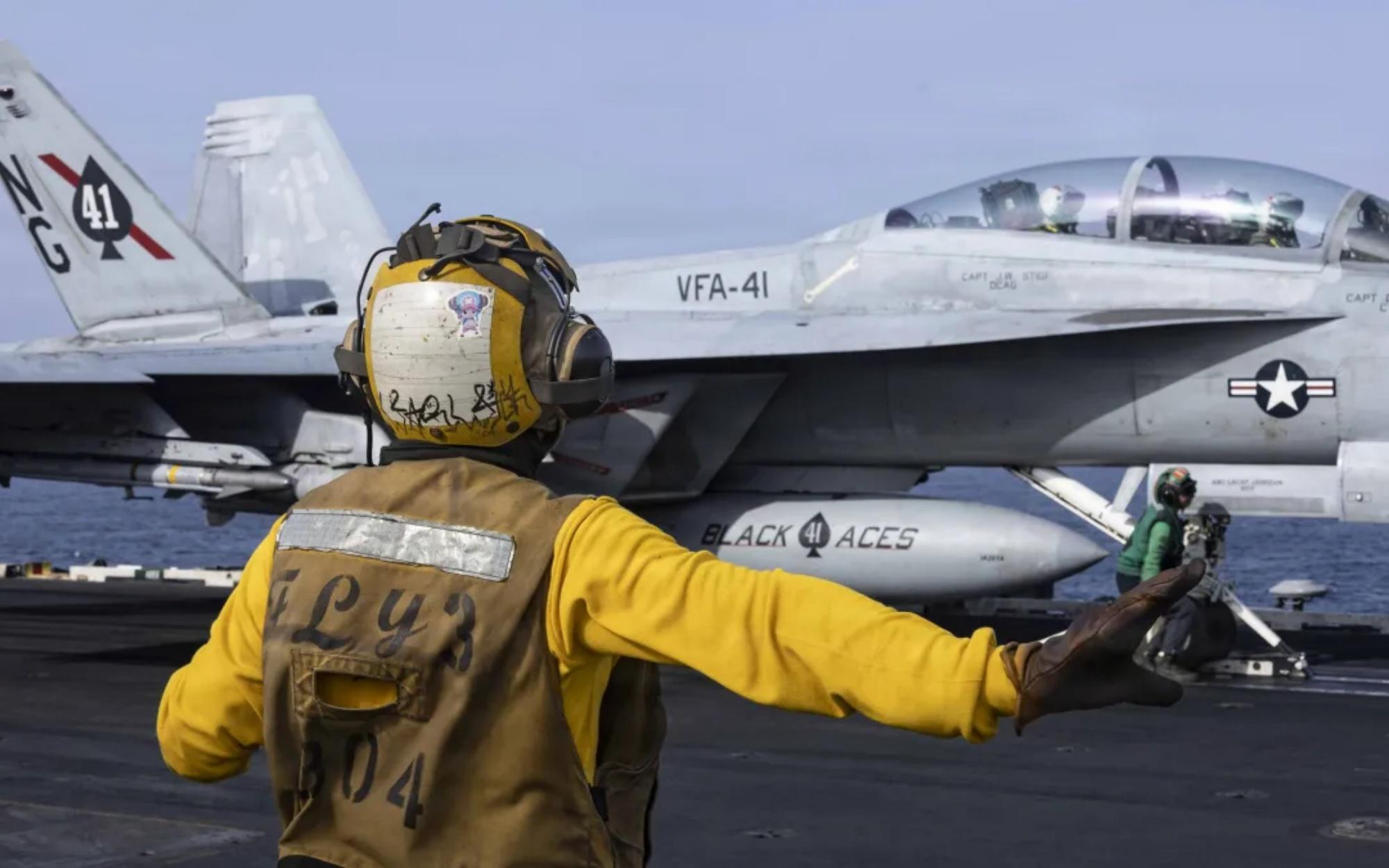
The restrictions appear designed to keep personnel out of trouble and away from risky activities during the brief visit.
Pattaya is widely known for its beaches, nightlife, and tourism industry, but it also carries a longstanding reputation as a destination for sex tourism.
That combination has prompted authorities to increase their presence as thousands of American service members enter the area.
Police plan to deploy additional patrols around Pattaya’s main beachfront and nightlife district.
The heightened security follows weekend raids that resulted in between 40 and 50 people being detained on suspicion of prostitution.
Prostitution remains illegal in Thailand, even though the sex industry operates openly in portions of major tourism centers such as Bangkok and Pattaya.
Authorities conduct occasional crackdowns, particularly when major events or visiting groups draw international attention.
For Pattaya businesses, the carrier’s arrival could mean five days of crowded establishments and increased spending.
For local police, it means managing an enormous temporary influx while attempting to prevent crime, disorder, and embarrassing incidents.
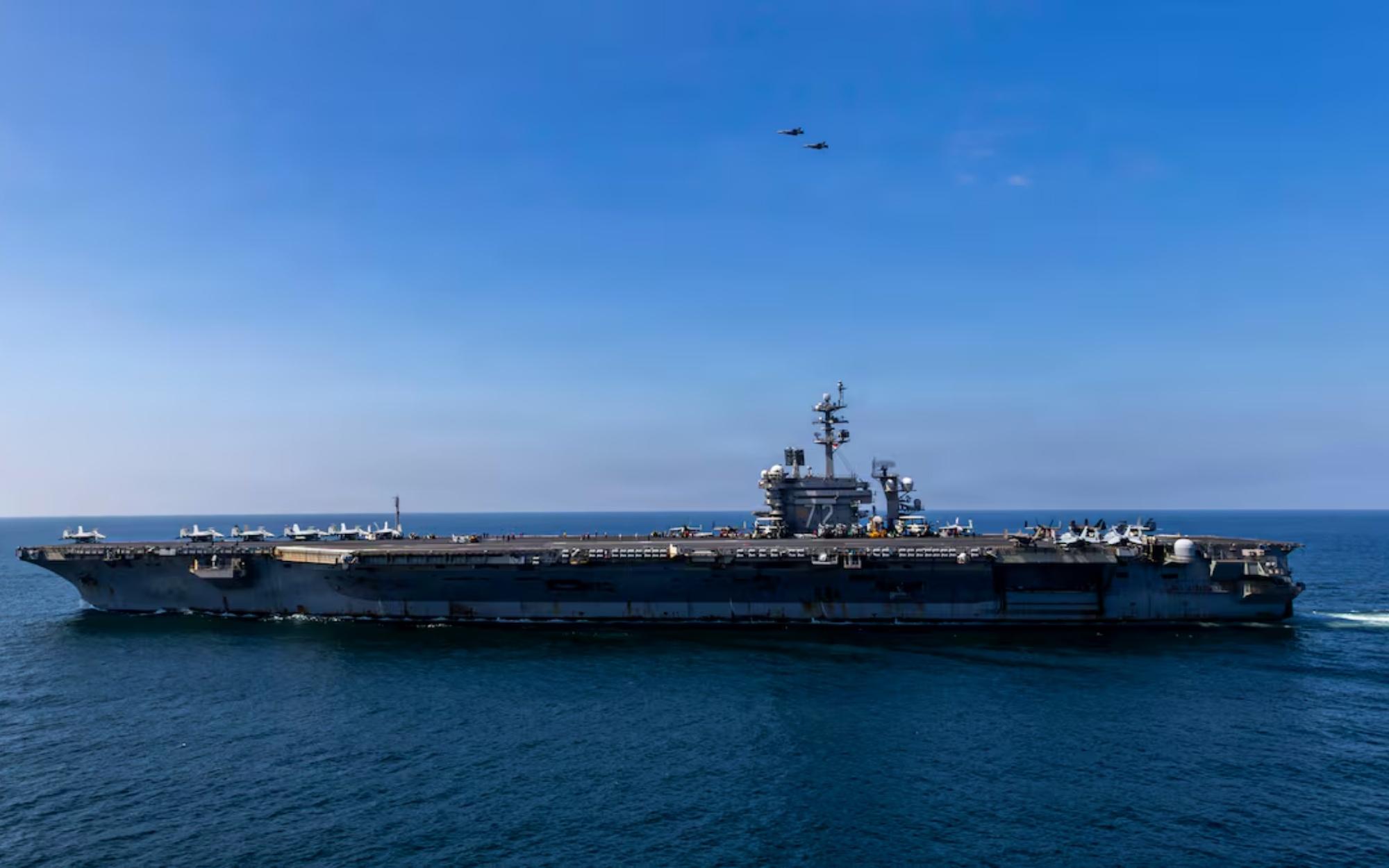
For the Lincoln’s crew, however, the visit is primarily about relief after a punishing run at sea.
Sailors and Marines who have spent months maintaining flight operations, standing watches, repairing equipment, and supporting missions will finally have limited time ashore.
The visit also serves as a reminder that military readiness depends on people, not merely ships, aircraft, and weapons.
Crews can answer the call for extended operations, but more than 200 straight days at sea carries a real human cost that cannot be brushed aside with bureaucratic slogans.
MORE NEWS: American Rheinmetall Delivers First Lynx XM30 Prototype in Major Bradley Replacement Push [WATCH]
After completing the five day stop, the Lincoln and its accompanying vessels will return to operational demands.
Until then, the crew has earned a chance to rest, recharge, and enjoy dry land while Thai officials work to keep the visit orderly.
Join the Discussion
COMMENTS POLICY: We have no tolerance for messages of violence, racism, vulgarity, obscenity or other such discourteous behavior. Thank you for contributing to a respectful and useful online dialogue.