WHAT YOU NEED TO KNOW
- A peer reviewed study found 58% of participating veterans had PFAS levels above a threshold established by the U.S. National Academies.
- Veterans ages 20 to 39 had PFAS concentrations 13% to 24% higher than civilian peers in the same age range.
- PFAS exposure can be associated with cancers, immune system problems, asthma, thyroid disease, and other health issues.
- The Department of War spent more than $2 billion since 2017 inspecting and cleaning over 700 installations with known or suspected PFAS releases.
Veterans have higher concentrations of so called “forever chemicals” in their blood than civilians, according to a new peer reviewed study published last week.
The elevated concentrations were especially prevalent among veterans younger than 40.
Researchers from Brown University and Harvard University conducted the study, which appeared in the journal Environmental Health Perspectives.
They compared levels of perfluoroalkyl and polyfluoroalkyl substances in blood samples from veterans and civilians using federal health data.
Here's What They're Not Telling You About Your Retirement
Those substances, commonly known as PFAS, are synthetic chemicals found in cookware, weapons, firefighting foams, and other materials and equipment.
More than 10,000 PFAS compounds exist, giving researchers a vast category of chemicals to examine.
The study relied on PFAS blood serum results from surveys conducted between 2003 and 2018. Of the more than 22 million veterans who participated in the study, 58% had PFAS levels exceeding the threshold established by the U.S. National Academies of Science, Engineering and Medicine.
The largest concentration was identified among veterans between 20 and 39 years old. Within that age group, PFAS concentrations were 13% to 24% higher than those measured among civilian peers of the same ages.
This Could Be the Most Important Video Gun Owners Watch All Year
Researchers noted possible reasons that younger veterans recorded higher concentrations.
Younger veterans were more likely to have experienced recent exposure, while PFAS concentrations can decrease as people age.
The findings place renewed attention on chemical exposure among people who served in the military.
According to the Department of Veterans Affairs, PFAS exposure can be associated with an increased risk of cancers, immune system problems, asthma, thyroid disease, and other health issues.
PFAS became known as “forever chemicals” because they break down at an extremely slow rate.
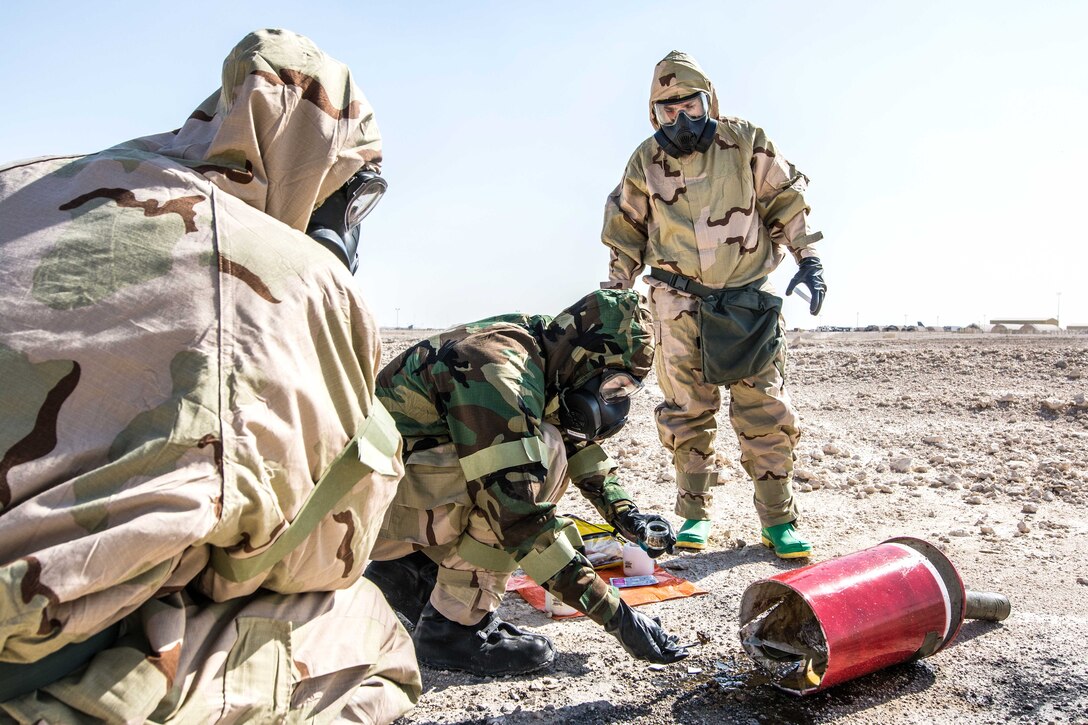
Although these chemicals are found around the world, they have also been detected on military bases.
Their presence at military installations has often been connected to firefighting foams used on those sites.
According to the Department of Veterans Affairs, the foams are a source of groundwater contamination on military bases.
“If you’re a male veteran between the ages of 20 and 39, it would be advisable to speak to a physician about getting tested for PFAS levels,” the study’s lead author Christian Hoover, a fellow at Brown’s School of Public Health, said in a release on the findings.
“It’s also a good idea for people in this category to have a conversation about the health conditions associated with elevated PFAS levels, to see if screening for those conditions makes sense.”
Concerns about the effects of PFAS exposure on active duty troops and veterans have drawn bipartisan attention.
Multiple pieces of legislation have been introduced in an effort to add treatment involving the chemicals to service connected disability coverage through the Department of Veterans Affairs.
Those legislative efforts have not passed, leaving the treatment issue unresolved despite continuing concern about exposure and possible health consequences.
Meanwhile, the federal government has spent billions inspecting and cleaning locations with known or suspected releases.

Last year, the Government Accountability Office found that the Department of War had spent more than $2 billion since 2017 on inspections and cleanup work.
That spending covered more than 700 military installations where PFAS releases were known or suspected.
The study’s findings now offer a sweeping comparison between veterans and civilians, with the sharpest difference appearing among younger veterans.
For male veterans between 20 and 39, Hoover specifically advised discussing PFAS testing and related health screening with a physician.
Join the Discussion
COMMENTS POLICY: We have no tolerance for messages of violence, racism, vulgarity, obscenity or other such discourteous behavior. Thank you for contributing to a respectful and useful online dialogue.