WHAT YOU NEED TO KNOW
- An Army report blamed systemic failures and two broken radio transmissions for the January 2025 collision that killed 67 people.
- Investigators identified technical problems, missing collision avoidance systems, inadequate flight hours and improper maintenance affecting ADS-B Out functionality.
- All 3,600 Army helicopters underwent transponder inspections by July 2025 following an urgent safety message.
- The Army strengthened training and surveillance checks while pursuing an FAA data sharing agreement to identify collision risks.
The January 2025 collision between an American Airlines regional jet and an Army Black Hawk helicopter near Ronald Reagan Washington National Airport resulted from several systemic failures, according to a previously undisclosed Army investigative report seen by Reuters. The disaster killed 67 people.
Completed in May, the Army report issued a series of safety recommendations while identifying two broken radio transmissions as the key factor. Those transmission failures prevented the helicopter crew from receiving critical information from air traffic control.
Investigators also documented technical problems involving the Black Hawk and a pattern of helicopter crews failing to complete required semiannual minimum flight hours. The findings present a broad breakdown extending beyond a single aircraft or crew.
Many helicopters in the Army battalion lacked Traffic Alert and Collision Avoidance systems, according to the report. That group included the Black Hawk involved in the fatal January 2025 collision.
MORE NEWS: Pentagon Confirms First Military Execution in Over 60 Years Will Be Publicly Livestreamed
The report also criticized the Army’s work with the Federal Aviation Administration on helicopter incidents in the Washington area before the disaster. An established working group “did not discuss airspace violations, near-miss reports, or pilot deviations.”
National Transportation Safety Board Chair Jennifer Homendy addressed the Army’s response in an Oct. 1 letter. She said the service had made significant progress on collision related recommendations but still needed to do more.
Homendy wrote that “the Army’s aviation safety system failed to consistently detect, interpret, and act on signals of latent hazards, resulting in degraded safety assurance, organizational learning, and safety culture.” Her assessment pointed directly at failures in the broader safety structure.
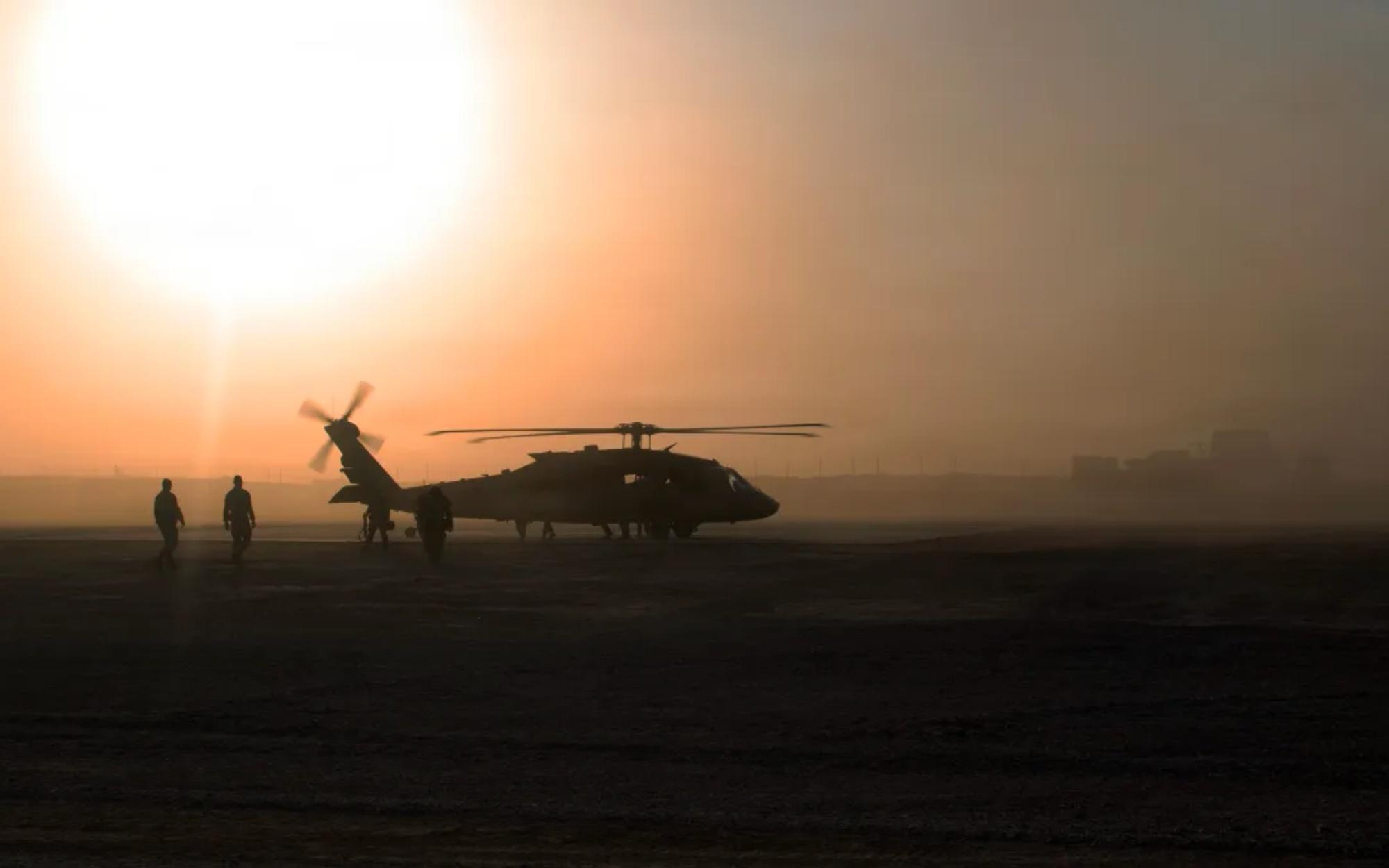
An NTSB report on the January crash found that a series of FAA failures were largely responsible for the deadliest United States aviation disaster in more than two decades. The Army investigation added its own catalog of operational, technical and coordination problems.
The Black Hawk was not transmitting key location information known as ADS-B Out because of improper maintenance, the Army report found. Following the collision, the Army issued an urgent safety message requiring inspections of aircraft transponders to verify ADS-B Out functionality.
All 3,600 Army helicopters had been inspected by July 2025. The sweeping inspection covered the service’s helicopter fleet after investigators identified the failure involving critical safety location data.
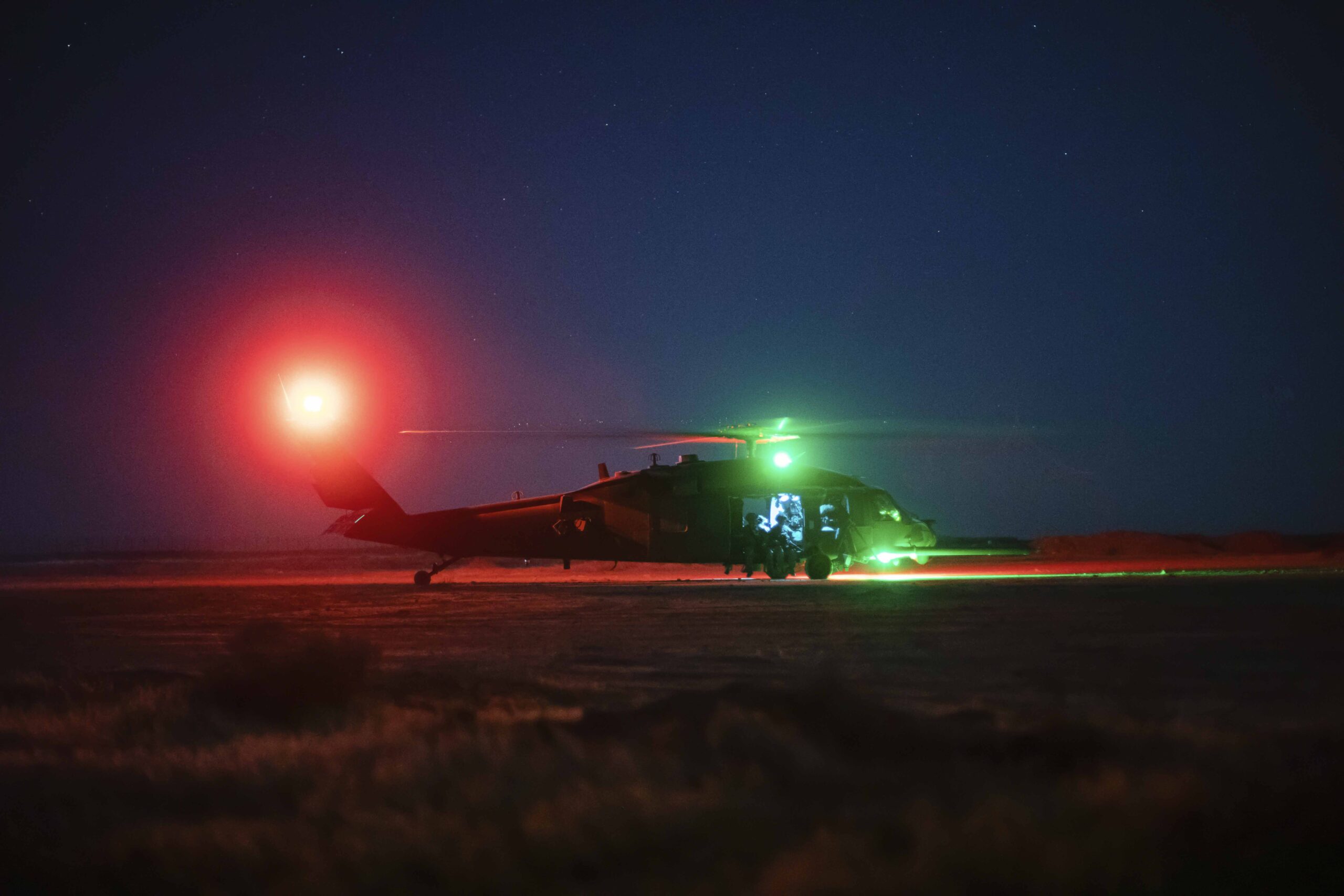
The Army also had not addressed problems that caused the helicopter to provide inaccurate altitude information, according to the report. Investigators proposed several recommendations to confront that problem and said Army pilots need more advanced night vision equipment.
FAA air traffic control also drew criticism in the Army findings. The report faulted controllers for using “non-standard terminology for directing air traffic and providing incomplete traffic advisories.”
The FAA did not immediately comment. In a statement Thursday, the Army said it had strengthened training and surveillance checks while completing new helicopter safety inspections and testing focused on altitude awareness.
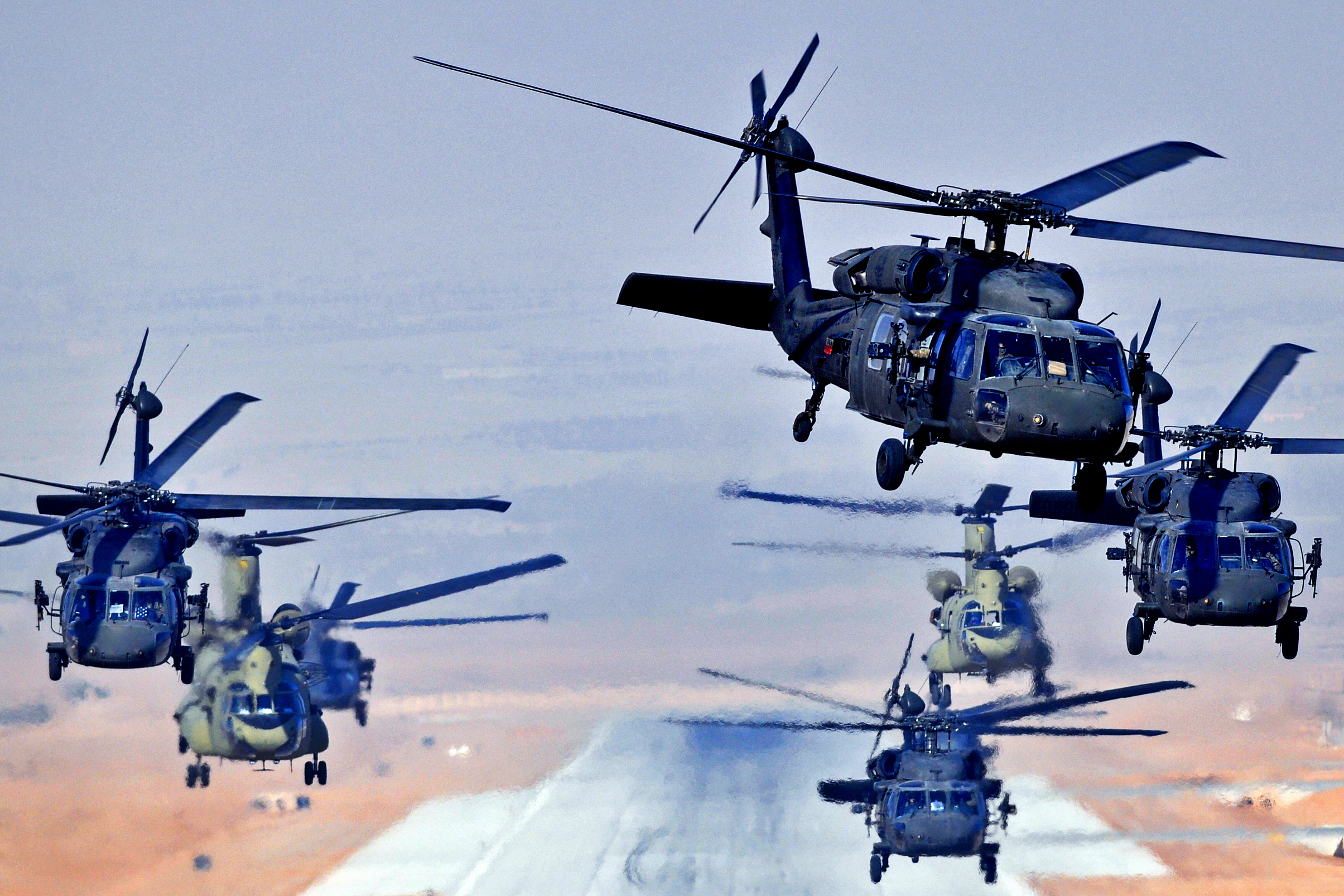
The Army also said it was pursuing a data sharing agreement with the FAA. The planned agreement is intended to help identify potential risks of collisions between aircraft in flight.
Investigators called for stronger training for military pilots operating around commercial airports in Washington and Baltimore. They also recommended reviews of Army helicopter operations near major cities in the United States, South Korea, Japan and Germany.
Congress, meanwhile, continued debating aviation safety legislation after lawmakers passed competing versions. The source did not indicate that lawmakers had resolved those differences.
The family of First Officer Sam Lilley, who died in the collision, said the findings confirmed a much broader breakdown. The family said, “the system failed everyone that night. The Army’s report acknowledges failures involving known altimeter issues, near-miss reporting, training, risk mitigation and safety culture.”
Join the Discussion
COMMENTS POLICY: We have no tolerance for messages of violence, racism, vulgarity, obscenity or other such discourteous behavior. Thank you for contributing to a respectful and useful online dialogue.