WHAT YOU NEED TO KNOW
- About 400 of the Army’s roughly 700 Apaches are affected by the grounding.
- Every active duty and National Guard Apache unit has aircraft included in the order.
- The Army expects inspections and related work to keep AH-64E helicopters grounded for months.
- Aviation leaders will assess unit needs and consider moving Apaches between squadrons.
Hundreds of the Army’s AH-64E Apache attack helicopters are expected to remain grounded for months while the service carries out a global inspection. An Army official told Military Times that the order will likely affect every Apache squadron.
The service announced the “immediate, temporary pause in flight operations,” on Oct. 2. The order applies to the latest Apache variant and specifically covers helicopters equipped with Improved Drive System transmissions.
“This action follows ongoing Army technical and airworthiness assessments of the Improved Drive System transmission, including information developed through prior Safety of Flight actions, inspection results, maintenance reporting, and ongoing engineering analysis,” officials said in the announcement.
About 400 of the Army’s roughly 700 Apaches are affected, according to the Army official who spoke with Military Times on Tuesday. Aircraft from every active duty and National Guard Apache unit are included in the grounding.
That sweeping scope leaves the Army confronting a lengthy inspection process across its AH-64E force. The official said the grounding is expected to remain in place for months as the service examines affected aircraft around the world.
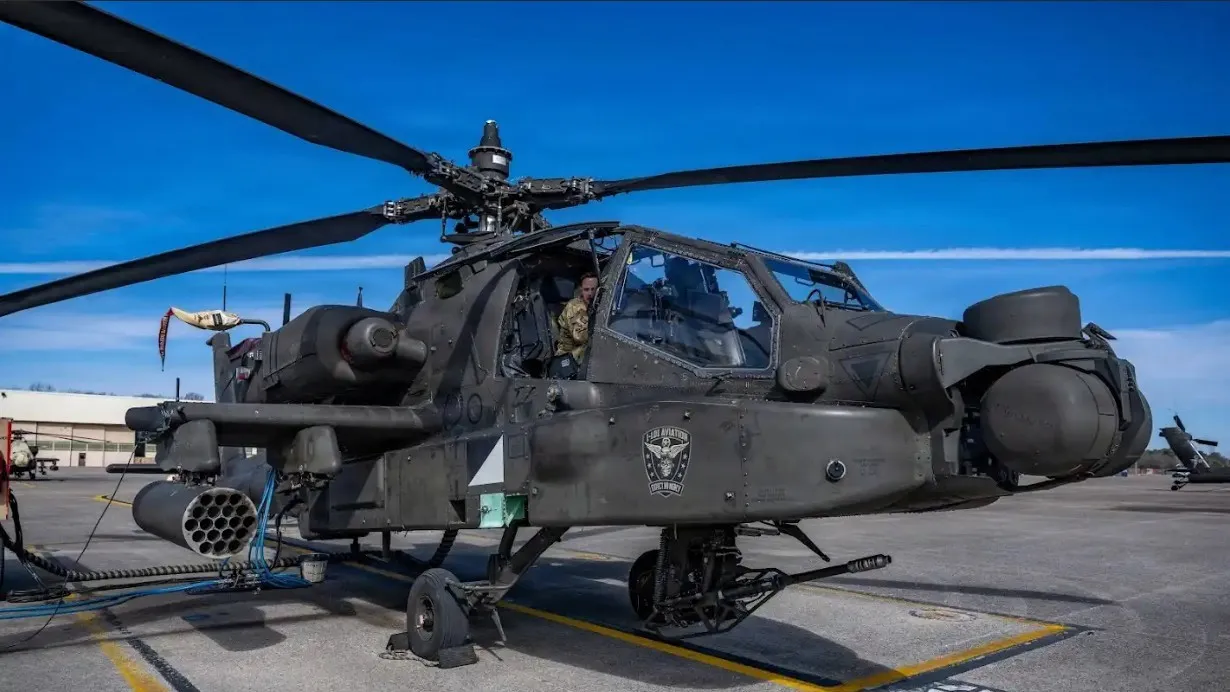
The latest order follows a brief grounding of the entire Apache fleet in August. That earlier action came after an AH-64 from Fort Hood, Texas, crashed in a field on Aug. 12, killing both pilots.
Defense One reported in May that an Army investigation found the AH-64E’s Improved Drive System main transmissions “can experience an internal failure resulting in loss of accessory gearbox drive, which can result in loss of tail rotor thrust, electrical power, and hydraulics,” although the cause remained unclear.
The Army official said the service had been able to “very quickly ascertain” that transmission issues did not cause the Fort Hood crash. That aircraft was an older Apache variant, rather than the AH-64E covered by the latest grounding.
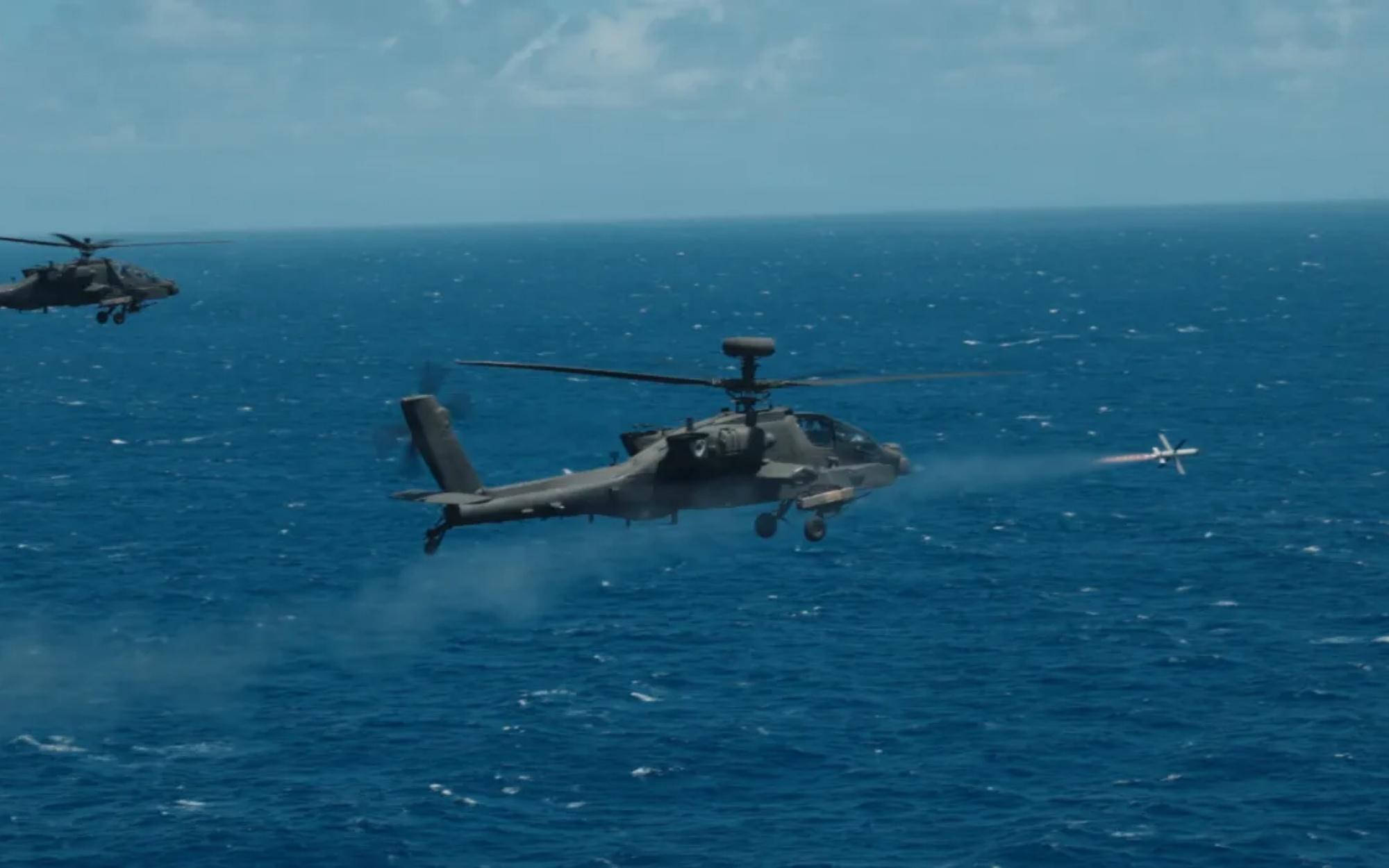
Army safety reports nevertheless show four major flight mishaps involving the AH-64E during the last fiscal year. Officials identified one “catastrophic transmission failure” among those mishaps.
Before issuing the grounding order, the Army had released a Safety of Flight message requiring inspections of all AH-64E transmissions. According to the official, that inspection requirement ultimately drove senior leaders toward the broader pause in flight operations.
“That triggered a decision point for Army senior leaders who said, you know, let’s accelerate this and just put us on a glide path to do this as quickly as possible while maintaining operational readiness — let’s just go ahead and inspect and repair these as quickly as we can,” the official said. “So that’s where we are now.”
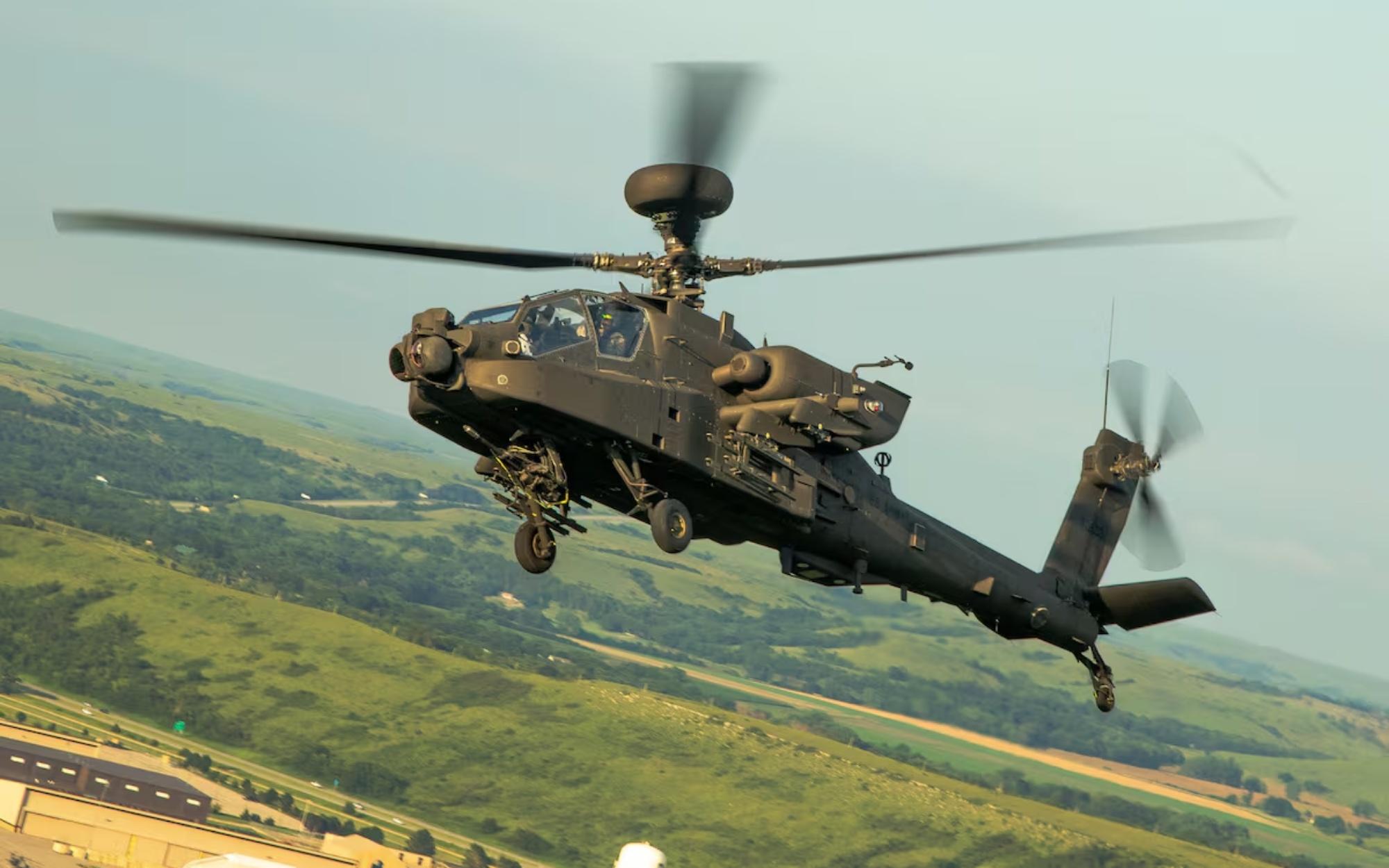
With about 400 helicopters affected and no immediate end to the grounding, the Army expects to conduct a “rebalancing” to preserve minimum capability requirements. The service must also continue meeting Army missions while inspections and any resulting work proceed.
Aviation leaders will examine how many aircraft in each unit are affected by the order. They will also assess how long inspections and follow on actions are expected to take for those helicopters.
Those assessments will help leaders determine how Apaches should be moved between squadrons. The official said the process is intended to address unit needs while the global inspection continues.
The grounding also arrives as the Army is already reshaping its Apache inventory. One year earlier, Army officials began acting on a plan to accelerate the retirement of older AH-64D Apaches.
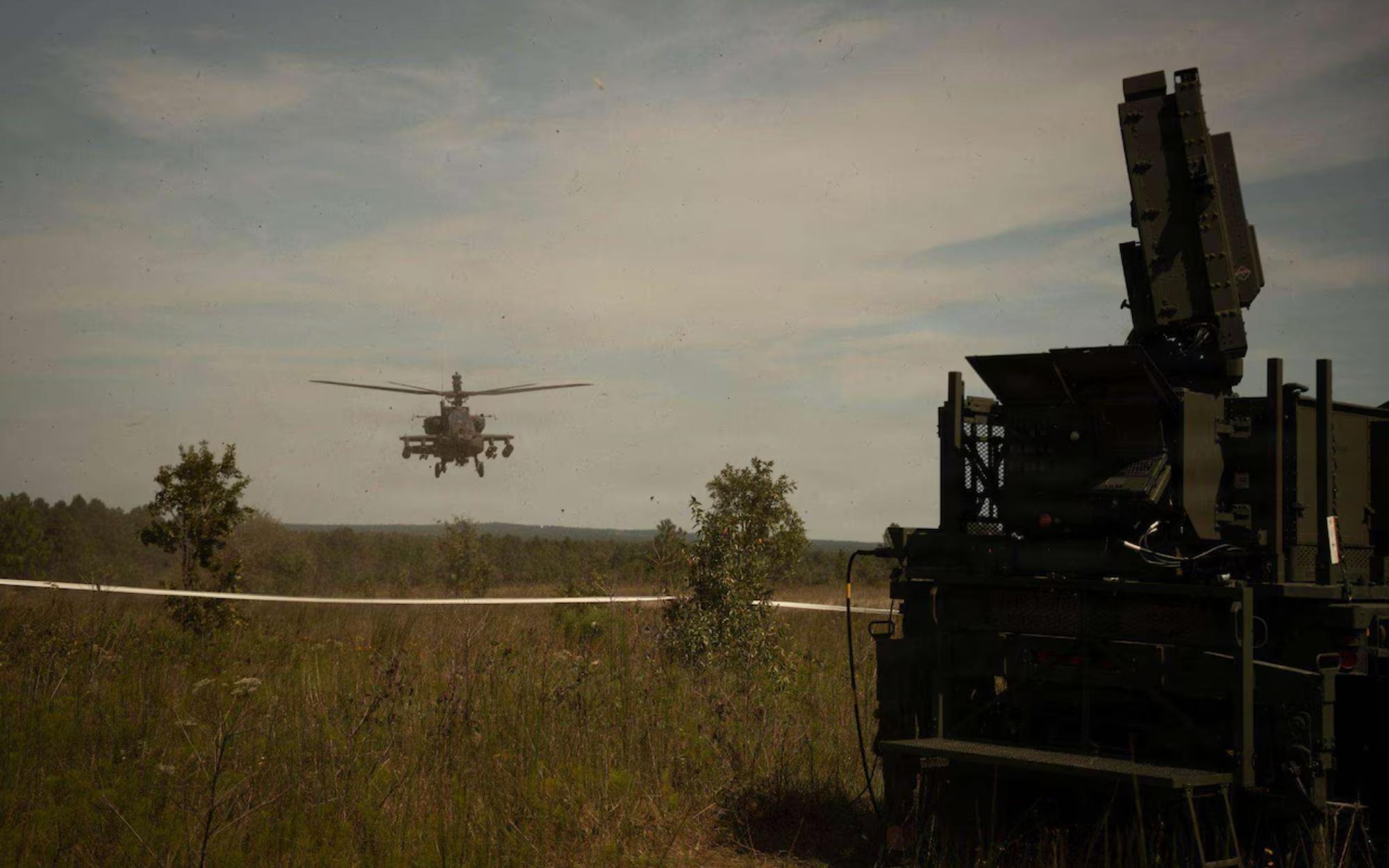
That retirement plan was intended to move the service toward a “pure fleet” of AH-64E helicopters. The latest grounding now directly affects the model at the center of that planned fleet.
For now, every active duty and National Guard Apache unit has aircraft caught in the order. Inspections, repairs, unit assessments and the expected movement of helicopters between squadrons will shape how the Army handles a pause officials expect to last for months.
Join the Discussion
COMMENTS POLICY: We have no tolerance for messages of violence, racism, vulgarity, obscenity or other such discourteous behavior. Thank you for contributing to a respectful and useful online dialogue.