WHAT YOU NEED TO KNOW
- Israel is set to acquire 12 AH-64E Apache “Echo” attack helicopters from Boeing.
- Repeated funding disputes and missed deadlines threatened Israel’s access to Boeing’s available production slot.
- American officials granted a “final window” requiring Israel to sign the agreement immediately.
- An urgent Israeli Cabinet phone vote approved the necessary funding source, allowing the deal to be signed that day.
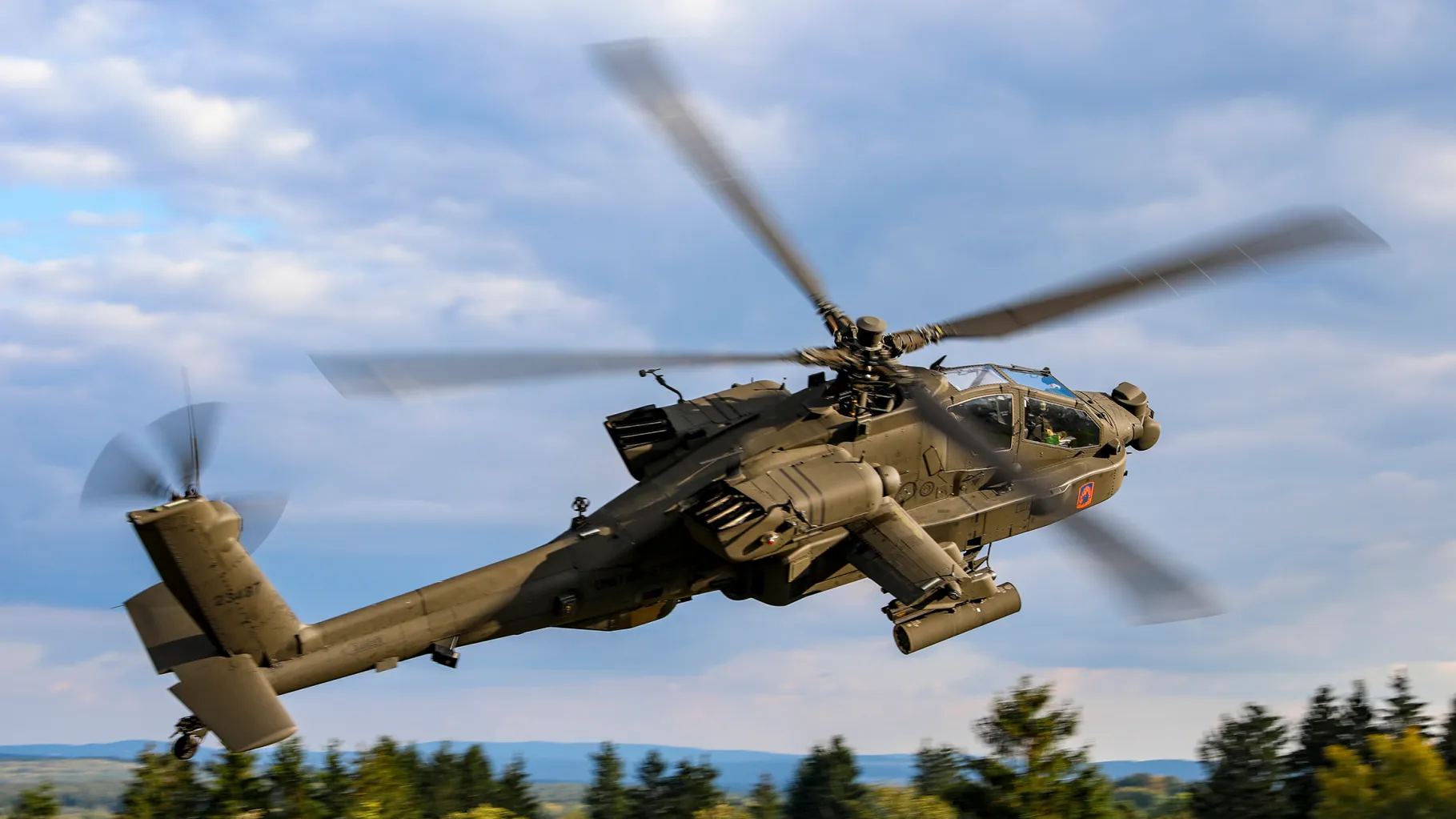
Israel is set to acquire 12 Apache “Echo” attack helicopters from Boeing after officials secured another American extension and cleared a stubborn domestic budget dispute. The agreement preserves access to the advanced helicopter variant after months of uncertainty over whether the procurement could be completed.
Delivery is scheduled for the beginning of the next decade, according to an Israeli ministry of defense announcement this week. The acquisition followed repeated delays caused by the Israeli government’s inability to finalize the agreement despite multiple offer extensions from the Americans.
At the center of the gridlock was a funding fight between the Israeli ministry of finance and the Israeli ministry of defense. The finance ministry demanded budget adjustments and a clearly defined source of funding before the purchase could move forward.
Israel’s defense establishment took a more urgent position on the aircraft. It pressed to approve the procurement as “urgent,” regardless of the broader budget discussions that had prevented the government from completing the agreement.
The dispute continued while the U.S. granted Israel several extensions. Those extensions eventually culminated in a deadline of Oct. 7, 2026, which the Israeli government failed to meet.
Missing that window raised concerns in Israel about the potential consequences for the procurement. Officials worried that Boeing’s available production slot could be directed to other international customers, potentially pushing deliveries further into the future and driving prices higher.
With the deal again in jeopardy, Israeli defense officials contacted their American counterparts and asked for one more extension. The request produced another opportunity, but the Americans attached a clear condition that left little room for additional delay.
Israeli officials described the newly opened period to the press as a “final window” that required the agreement to be signed immediately. That demand forced the funding dispute into an urgent decision by the Israeli Cabinet.
The Cabinet held a phone vote on Wednesday to approve the necessary budgetary source. The approved money came at the expense of another long term national program outside defense, providing the financial path needed to complete the helicopter agreement.
That Cabinet action made it possible for the deal to be signed on the same day. The rapid vote brought an end to the months of uncertainty that had surrounded the purchase and protected Israel’s position for the Boeing aircraft.
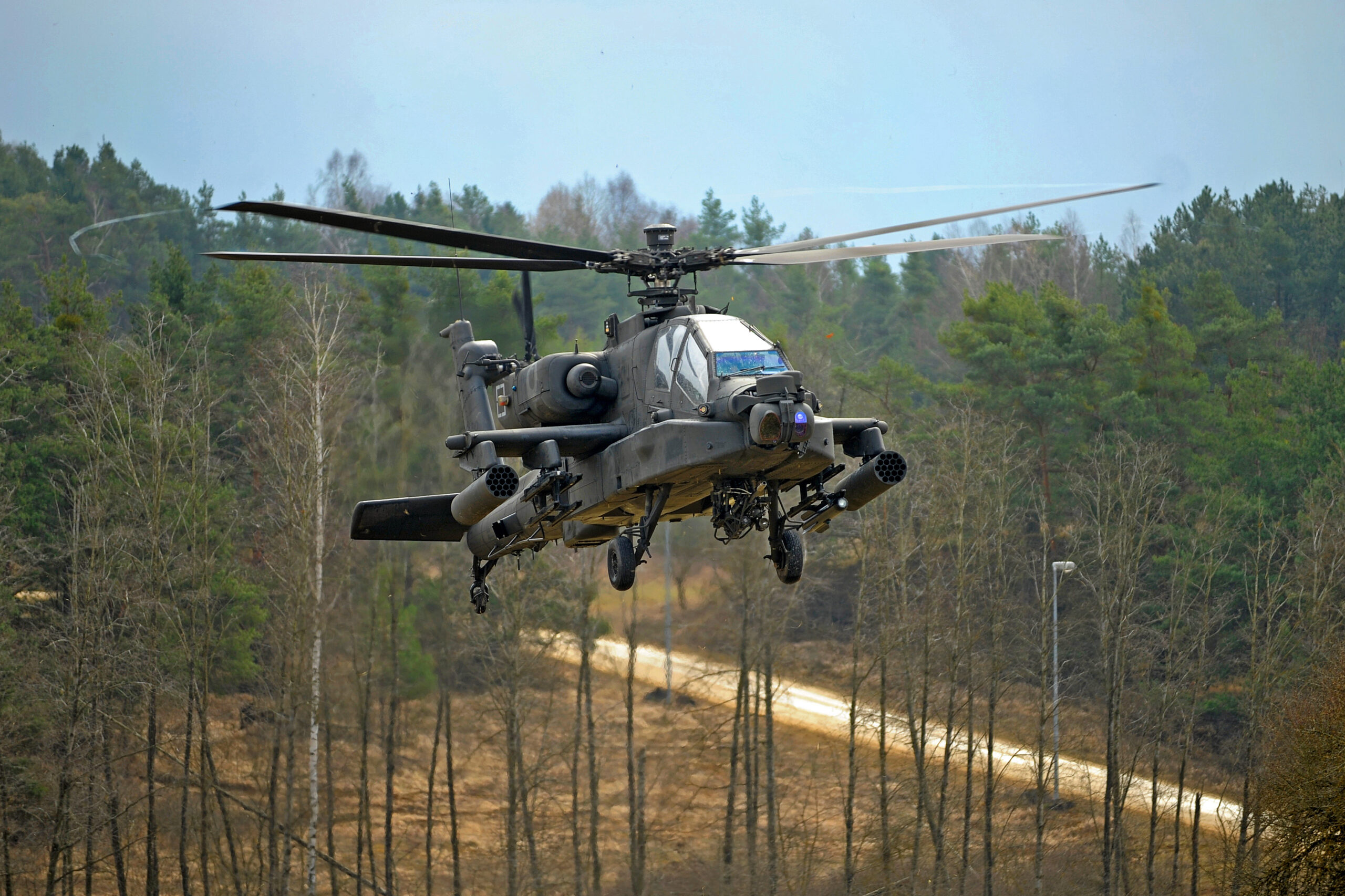
The AH-64E Apache “Echo” is configured with two engines and tandem seating for its crew. Its integrated weapons and targeting suite can carry a payload of up to 16 Hellfire missiles alongside other weapons.
The helicopter can also accommodate 76 2.75-inch rockets. Its M230-series 30mm automatic chain gun can be supplied with up to 1,200 rounds of ammunition, giving the platform several weapon options within the same integrated suite.
Beyond its weapons, the Apache variant includes digital network connectivity through Link 16. The platform also provides capabilities allowing personnel aboard the aircraft to work with and control drones.
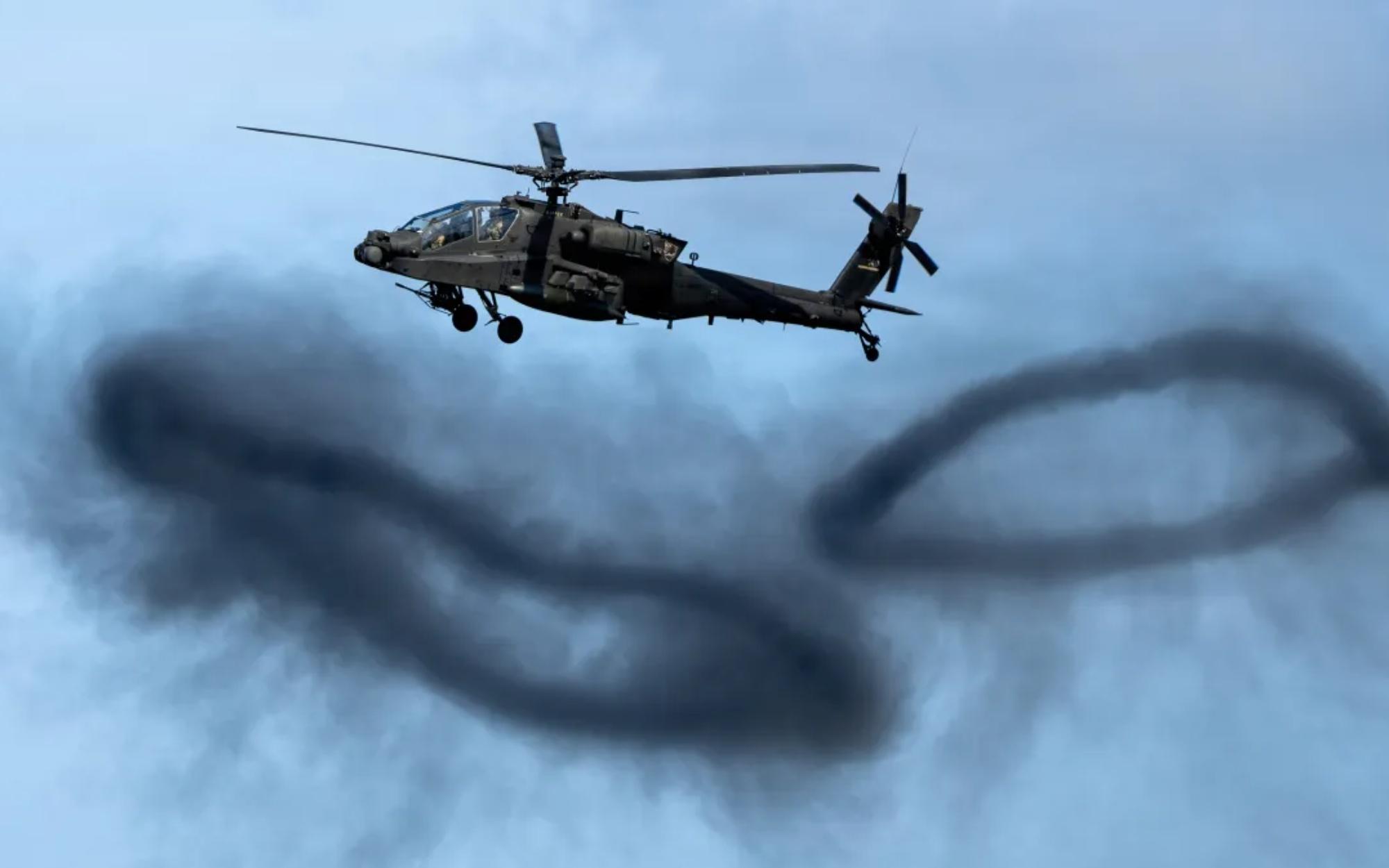
The aircraft uses a modular open systems approach intended to permit the integration of hardware and software modifications. Those features accompany the targeting and weapons capabilities included in the advanced Apache variant Israel is now set to receive.
The agreement ultimately depended on another American extension and an immediate Israeli budget decision. With the Cabinet approving the funding source by phone, Israel secured the 12 helicopters before Boeing’s production availability could be redirected to other international buyers.
Join the Discussion
COMMENTS POLICY: We have no tolerance for messages of violence, racism, vulgarity, obscenity or other such discourteous behavior. Thank you for contributing to a respectful and useful online dialogue.