WHAT YOU NEED TO KNOW
- The Pentagon and Lockheed agreed to a 10 year framework covering at least 850 F-35 fighters, pending congressional approval and funding.
- Lockheed will finance at least $7 billion in F-35 initiatives while maintaining production at 156 aircraft annually.
- The framework averages 85 U.S. jets per year and is expected to save taxpayers billions through multiyear purchasing.
- Government auditors found the F-35 mission-capable rate declined from 67% in fiscal 2021 to 44% in fiscal 2025.
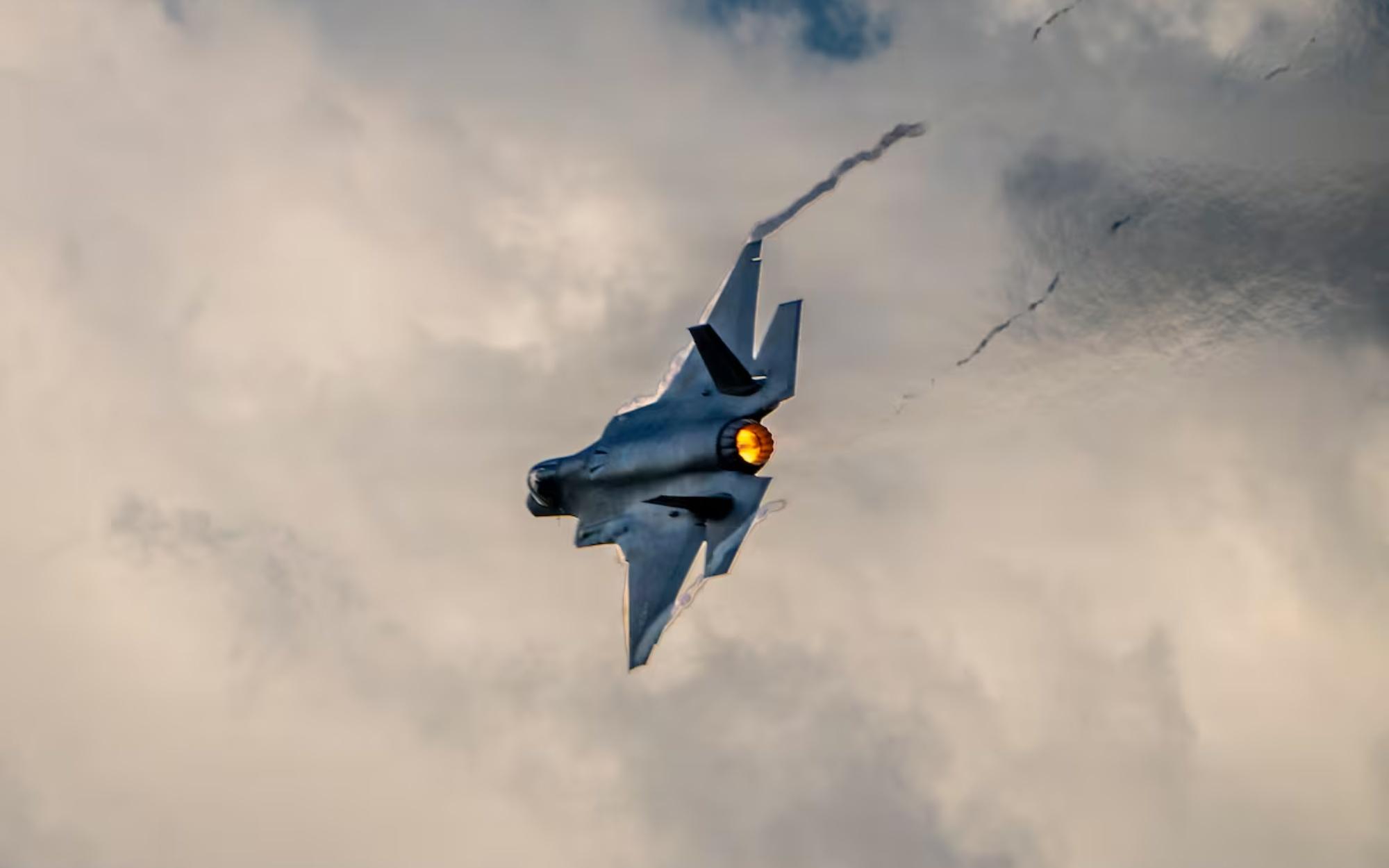
The War Department and Lockheed Martin have agreed to a 10 year framework covering at least 850 F-35 Lightning II fighters for the U.S. military. The arrangement still requires congressional approval and funding before it can become a formal contract.
The framework was announced Thursday and includes initial spare parts, 10 years of modification kits and sustainment support. It also covers orders from foreign customers, while production would continue at 156 aircraft each year, according to Lockheed.
In exchange for the government’s commitment across the decade, Lockheed will finance at least $7 billion in initiatives supporting the F-35 program. The Pentagon disclosed the company’s planned investment but did not provide additional details about the individual initiatives.
Lockheed CEO Jim Taiclet said greater certainty surrounding F-35 production and sustainment would allow the company to make investments in capacity, efficiency and its supply chain.
“That’s good for the taxpayer, good for our suppliers and, most importantly, good for the United States and its allies.”
Neither the Pentagon nor Lockheed announced a total value for the framework or a price for each aircraft. Lockheed said the company and the F-35 Joint Program Office will negotiate terms, pricing and schedules through a formal contract if Congress approves the multiyear purchase and supplies the necessary money in the coming months.
A multiyear purchase allows the Pentagon to acquire a weapon across several years through one contract rather than negotiating a new agreement annually. That process generally reduces the unit cost, and Lockheed said this framework is expected to save taxpayers billions of dollars through “long-term pricing and industry volume discounts.”
Michael Duffey, the Pentagon’s undersecretary for acquisition and sustainment, said the agreement represents a fundamental change in how the American defense industrial base is stabilized to produce weapons at speed and scale.
“This agreement with Lockheed Martin proves it. By aligning financial incentives with actual performance, we are ensuring our warfighters are equipped with the lethal capabilities they need to fight and win.”
The Pentagon and Lockheed did not describe the performance incentives referenced by Duffey. The absence of a total price and specific incentive details leaves major elements to be determined during formal contract negotiations.
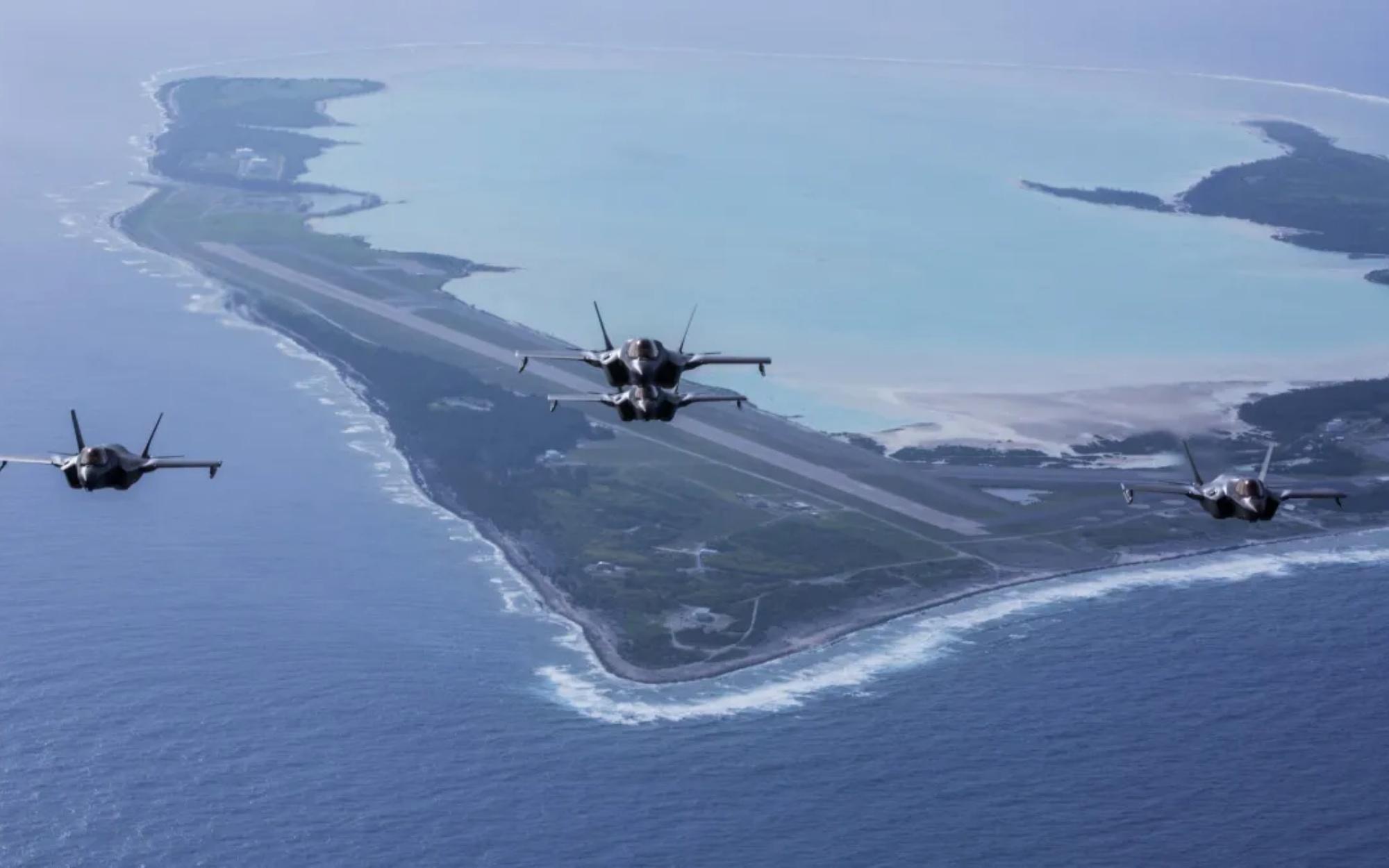
The framework averages 85 U.S. aircraft annually across its 10 year span. That figure matches the Pentagon’s fiscal 2027 request for 85 F-35s across the military services, while Congress funded only 47 F-35s in fiscal 2026.
The agreement follows an Air Force force structure report sent to Congress on Oct. 16. The service said it needs 1,509 fighters assigned to combat units by 2035, with F-35As accounting for about 40% of that planned fleet.
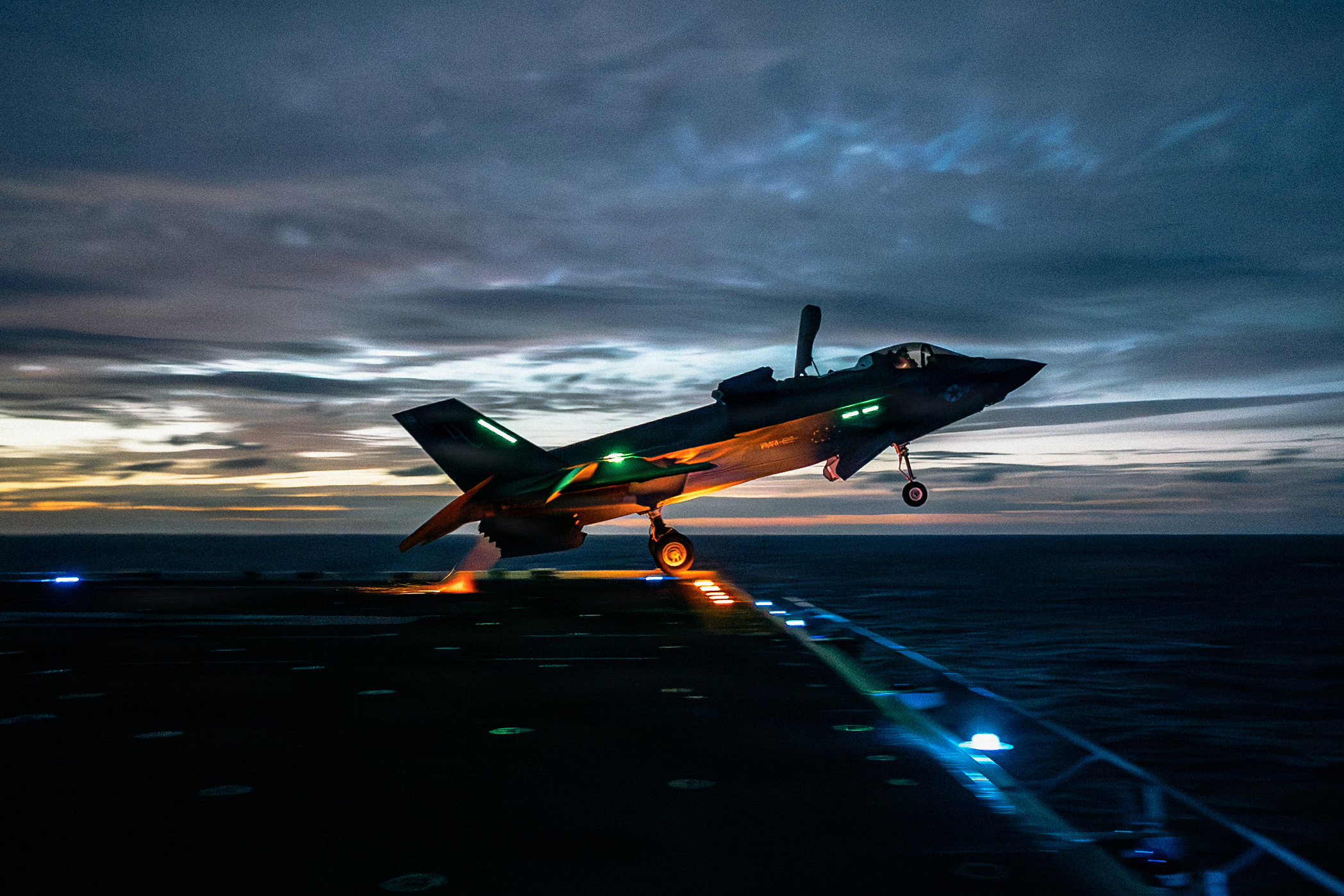
Both the House and Senate versions of the annual defense policy bill would authorize the Pentagon to sign multiyear F-35 contracts. The House passed its version in July, while Senate Democrats blocked their chamber’s bill from reaching the floor that month and leaders delayed it until after the November midterm elections.
The framework cannot become a contract until both bills are passed and combined into one law. It also faces a separate funding obstacle because Congress has not approved a full year defense budget.
A stopgap law keeping the government operating through Dec. 11 maintains spending at the previous year’s levels. It also generally prevents the Pentagon from beginning new programs or multiyear purchases, creating another hurdle for the F-35 framework.
Lockheed presented predictable orders as a way to improve readiness and the F-35 mission-capable rate, which measures how often jets can perform at least one assigned mission.
“Predictable demand from long-term contracts with suppliers will enable bulk procurement of raw materials and critical parts, slashing turnaround times and reducing logistics bottlenecks. This will result in better mission-capable rates by eliminating the annual contracting cycle that has historically strained the industrial base.”
A Government Accountability Office report issued in June found that the mission-capable rate declined from 67% in fiscal 2021 to 44% in fiscal 2025. The share of time that aircraft could perform all assigned missions also fell from 38% to 25%.
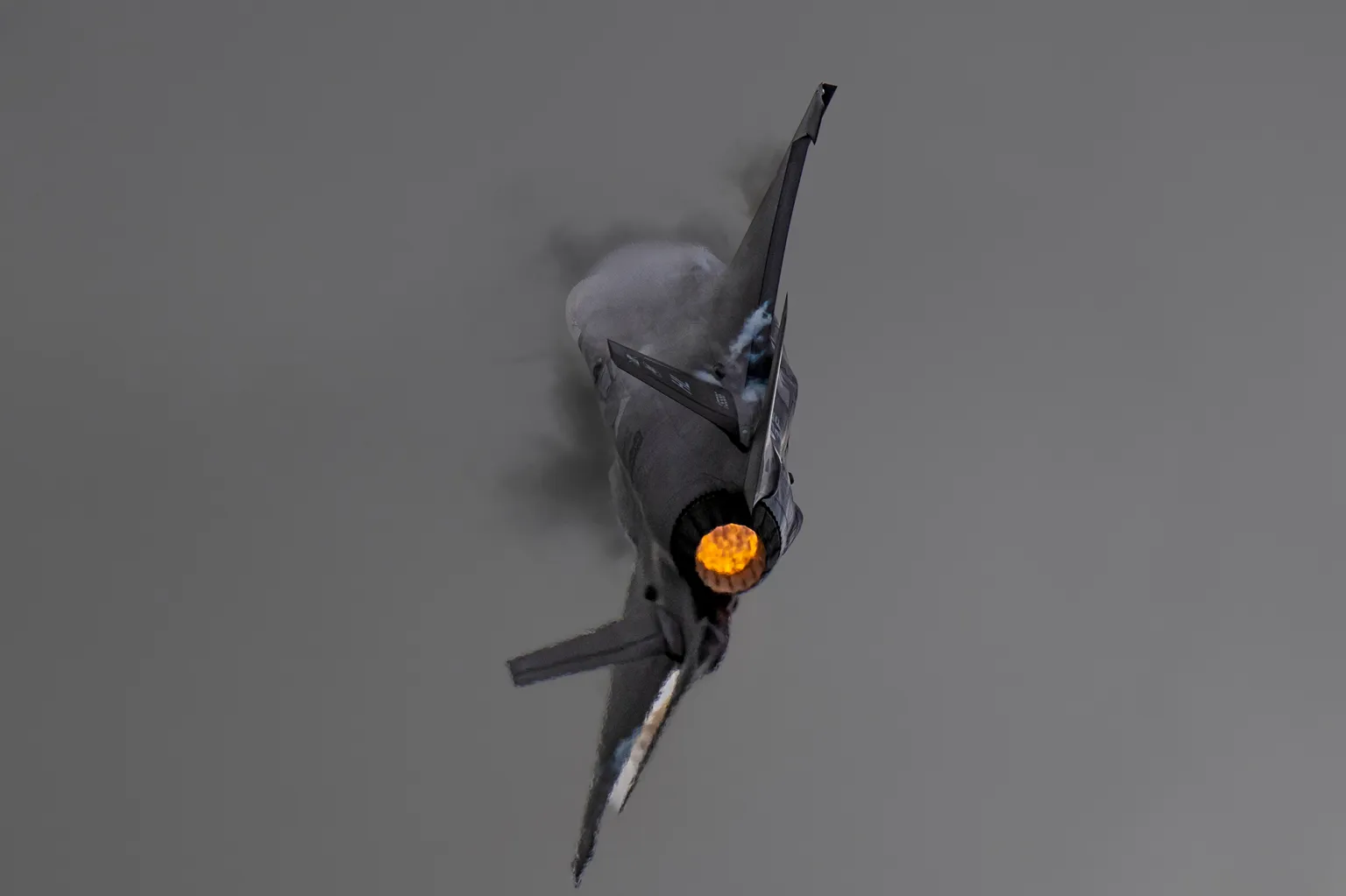
Later that month, F-35 program chief Lt. Gen. Gregory Masiello told senators that the fleet had outgrown its support system. Lockheed’s proposed framework puts steady production, supplier commitments and sustainment at the center of its readiness pitch.
The F-35 agreement follows other Pentagon frameworks intended to accelerate weapons production. Lockheed agreed in January to speed PAC-3 MSE output and signed another agreement weeks later to quadruple THAAD interceptor production.
The THAAD arrangement produced a contract valued at more than $35 billion in June, after the previous year’s defense bills authorized multiyear purchases for both interceptors. On Oct. 19, the Pentagon also announced a framework with BAE Systems covering up to seven years of Advanced Precision Kill Weapon System laser guidance kit purchases.
Lockheed said the F-35 program will support 317,000 jobs in the United States and approximately $79 billion in annual economic activity across the decade.
Join the Discussion
COMMENTS POLICY: We have no tolerance for messages of violence, racism, vulgarity, obscenity or other such discourteous behavior. Thank you for contributing to a respectful and useful online dialogue.