WHAT YOU NEED TO KNOW
- War Secretary Pete Hegseth ordered Pentagon cyber and intelligence agencies to prioritize security for the 2026 midterm elections.
- U.S. Cyber Command will collaborate with the Department of Homeland Security against potential foreign cyber threats.
- The directive names major intelligence organizations but identifies no specific foreign actor, election system, or voting jurisdiction.
- Hegseth ordered agencies to protect lawful voters from foreign intimidation, coercion, or fear.
War Secretary Pete Hegseth has ordered the Pentagon’s cyber and intelligence agencies to prioritize the 2026 midterm elections, directing them to use authorized capabilities and partnerships to defend election infrastructure against foreign influence.
The directive was issued to U.S. Cyber Command and the Defense Intelligence Enterprise in a Sept. 22 memorandum. It calls for the Department of War to protect the reliability of American voting mechanisms from manipulation and disruption by foreign actors.
Hegseth instructed the agencies to “mobilize every authorized asset, capability, and partnership under your command” as they prepare for the elections. The midterms are scheduled for Nov. 3.
The memorandum does not identify a particular foreign actor, election system, or voting jurisdiction as the focus of the effort. Instead, Hegseth presented the mission as part of a broader government effort to safeguard free and fair elections.
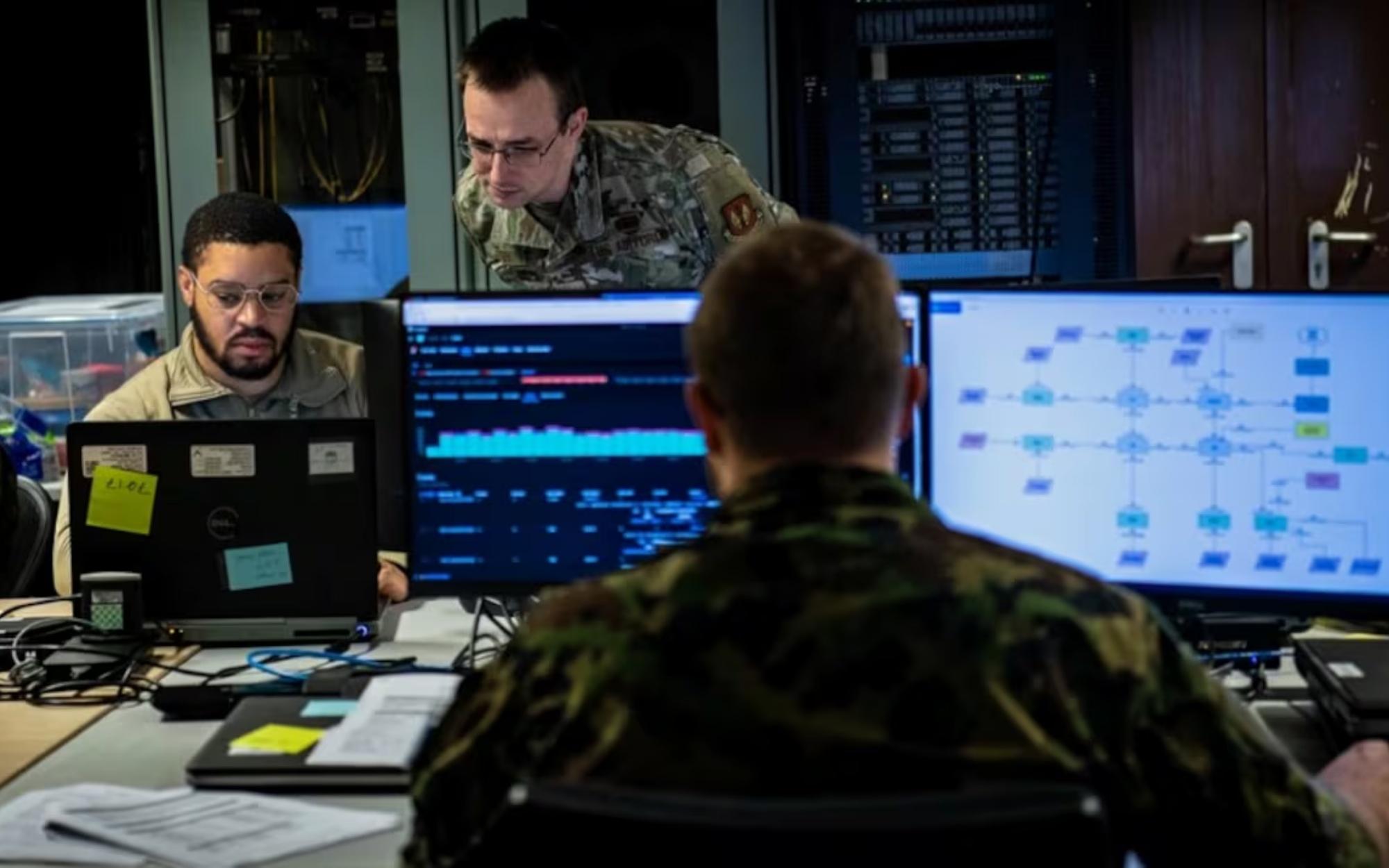
The directive also says the Department of War must preserve the fundamental freedoms that define the country while protecting voting infrastructure. That mission places several major cyber and intelligence organizations under clear instructions ahead of the midterms.
“Our Nation’s ability to conduct free and fair elections is a steadfast principle of our democracy,” Hegseth wrote. “Assuring and protecting this ability is a no-fail mission and the DoW will do its part in supporting this whole of government effort.”
The order assigns responsibilities to the commander of U.S. Cyber Command and the directors of multiple intelligence organizations. Those officials are directed to perform their respective roles in countering foreign threats connected to the elections.
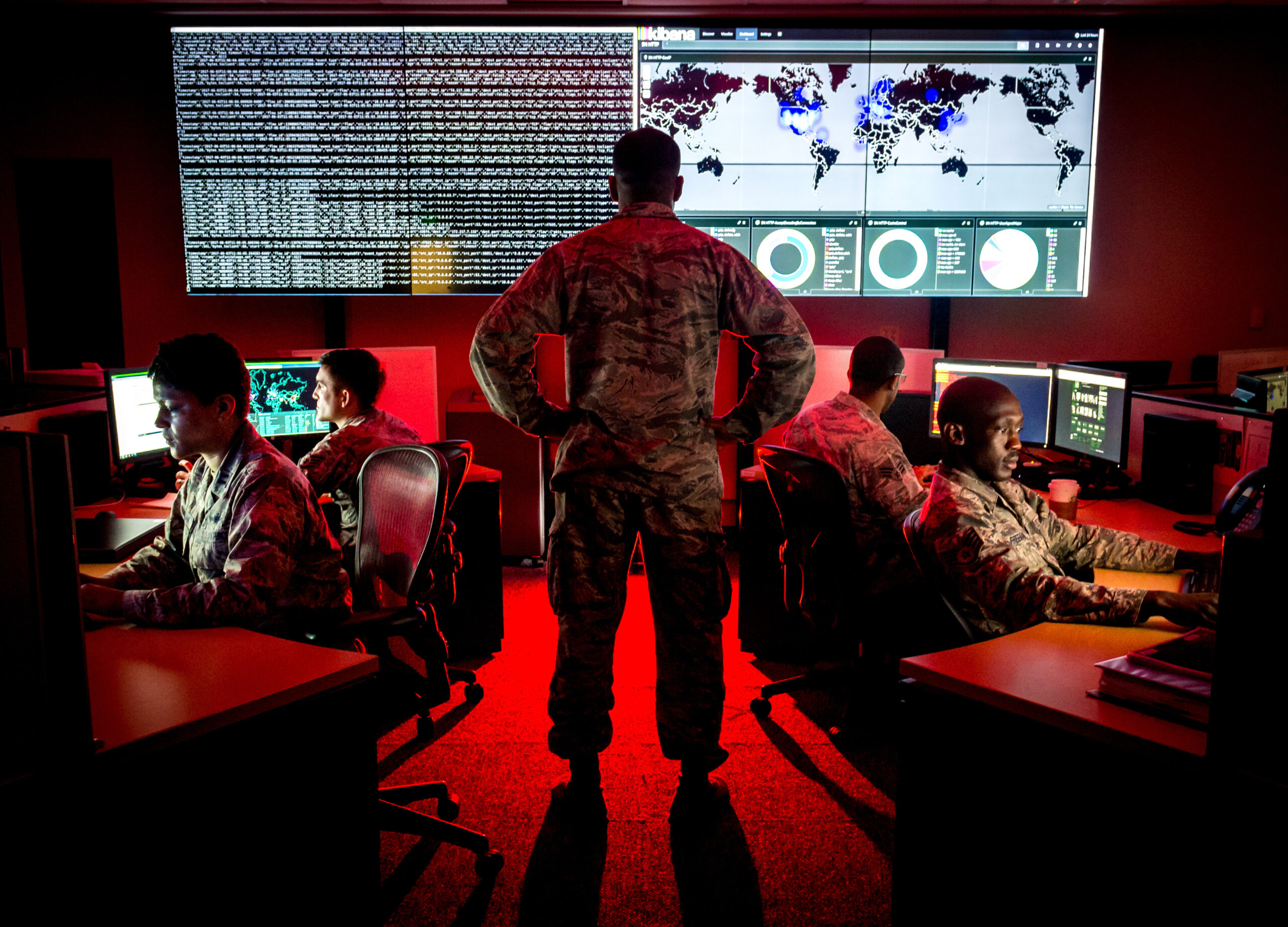
The named organizations include the National Security Agency, Chief of Central Security Service, Defense Intelligence Agency, and National Geospatial-Intelligence Agency. Each is expected to carry out responsibilities within its existing role and lawful authority.
Chief Pentagon spokesperson Sean Parnell said the directive is designed to protect the integrity of the election process from foreign interference. He described cooperation among military, intelligence, federal, state, and local partners as central to that effort.
“Free and fair elections are the foundation of our republic,” Parnell said. “By working in lockstep with federal, state, and local partners, U.S. Cyber Command and our defense intelligence teams, we will defend the integrity of America’s voting systems, expose foreign malign influence, and ensure our democratic processes remain secure from external manipulation while protecting the fundamental freedoms of the American people.”
Hegseth separately directed U.S. Cyber Command to work with the Department of Homeland Security. That collaboration will focus on countering potential cyber threats from foreign actors targeting the elections.
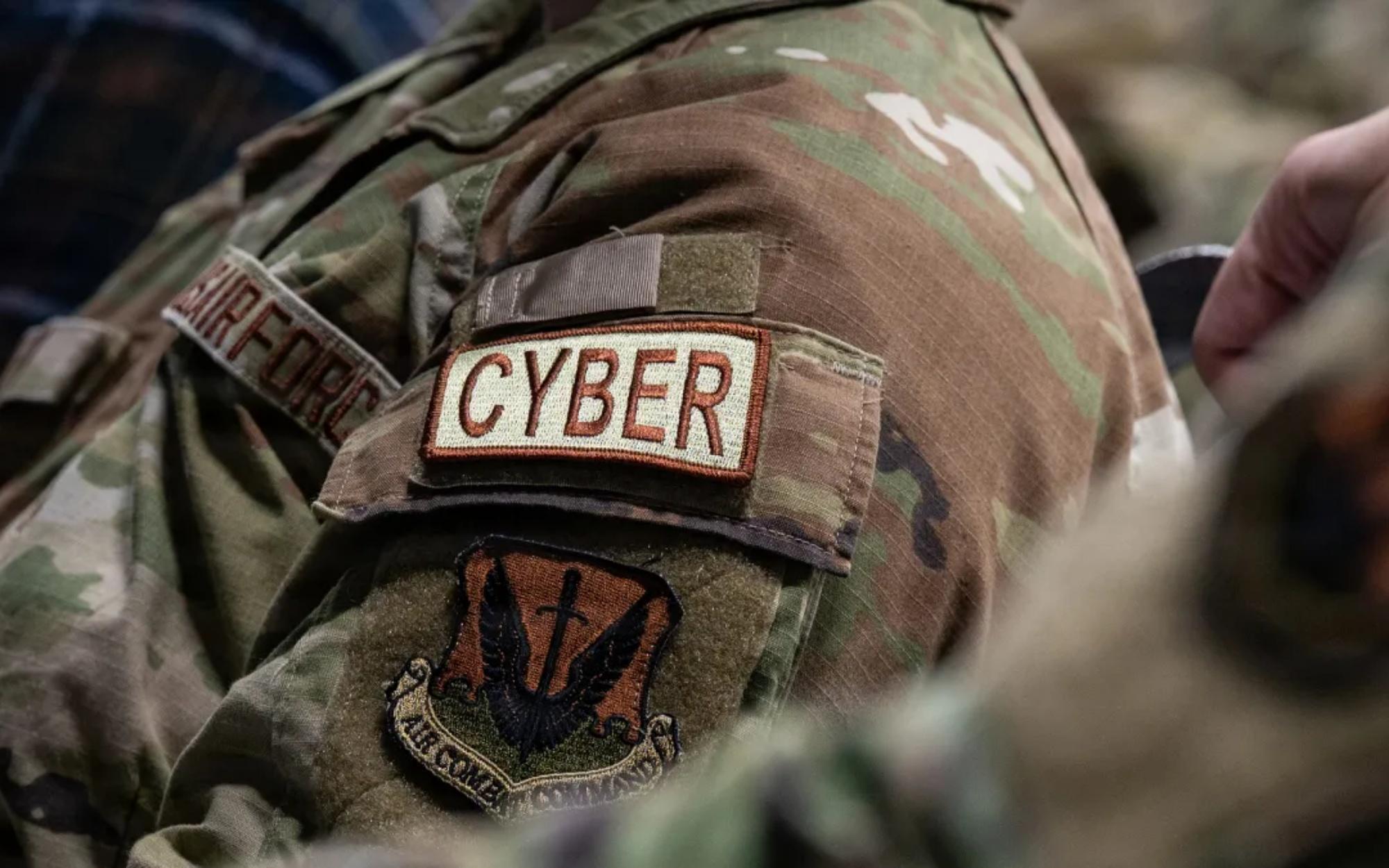
The Defense Intelligence Enterprise received instructions focused on voters as well as election systems. Hegseth ordered the enterprise to help ensure that every lawful voter can cast a ballot “free from foreign intimidation, coercion, or fear.”
The memorandum therefore gives Cyber Command and the intelligence enterprise related but distinct responsibilities. Cyber Command is tasked with addressing potential cyber threats, while the intelligence organizations are directed to counter foreign threats through their respective missions.
The Pentagon’s order centers specifically on foreign activity. It does not name a suspected country, organization, operation, or specific threat connected to any voting jurisdiction.
It also does not single out a particular type of election equipment or system. The directive instead addresses the reliability of voting mechanisms and the integrity of the broader election process.

The memorandum repeatedly frames the mission around protecting both election security and the rights of American voters. Hegseth’s instructions call for action against external manipulation without compromising the freedoms the effort is intended to protect.
“In America, the people rule,” Hegseth wrote, “and we must ensure that their voice remains sovereign, secure, and entirely undiluted.”
With the Nov. 3 midterms identified as the priority, U.S. Cyber Command and the Defense Intelligence Enterprise now have direct orders to mobilize their authorized resources. Their mission is to confront foreign interference while supporting government partners responsible for securing the election process.
Join the Discussion
COMMENTS POLICY: We have no tolerance for messages of violence, racism, vulgarity, obscenity or other such discourteous behavior. Thank you for contributing to a respectful and useful online dialogue.