WHAT YOU NEED TO KNOW
- Gen. Douglas Schiess wants more guardians embedded in frontline roles supporting combatant commands across the joint force.
- Space Force aims to double its personnel while building a sustained pipeline of properly trained and equipped guardians.
- The service established command elements for U.S. Northern Command, U.S. Southern Command and U.S. Special Operations Command.
- Secretary of the Air Force Troy Meink disclosed that Space Force already has undisclosed “space control weapons” in orbit.
Space Force intends to place more guardians in frontline roles supporting combatant commands, according to the service’s new leader. Chief of Space Operations Gen. Douglas Schiess outlined the objective in a message detailing several priorities for the force.
Schiess called for expanding Space Force while integrating guardians more deeply into the wider military. Space Force is currently the smallest military branch, but the service has goals to double the size of its personnel.
Personnel growth alone is not the entire mission. Schiess said Space Force must improve how it integrates guardians into the joint force “at scale,” putting trained personnel where their specialized knowledge and capabilities can directly support military operations.
The service also must refine how it embeds “combat-effective” guardians throughout the wider force, according to Schiess. He said Space Force needs enough personnel serving in those positions to help achieve “space superiority.”
“We have proven that spacepower produces battlefield success. This means providing effective and well-equipped space forces, in the right quantities, to combatant commands on the front lines, staying ahead of threats through rapid acquisitions, and bringing space expertise directly to the fight no matter where it is,” Schiess wrote.
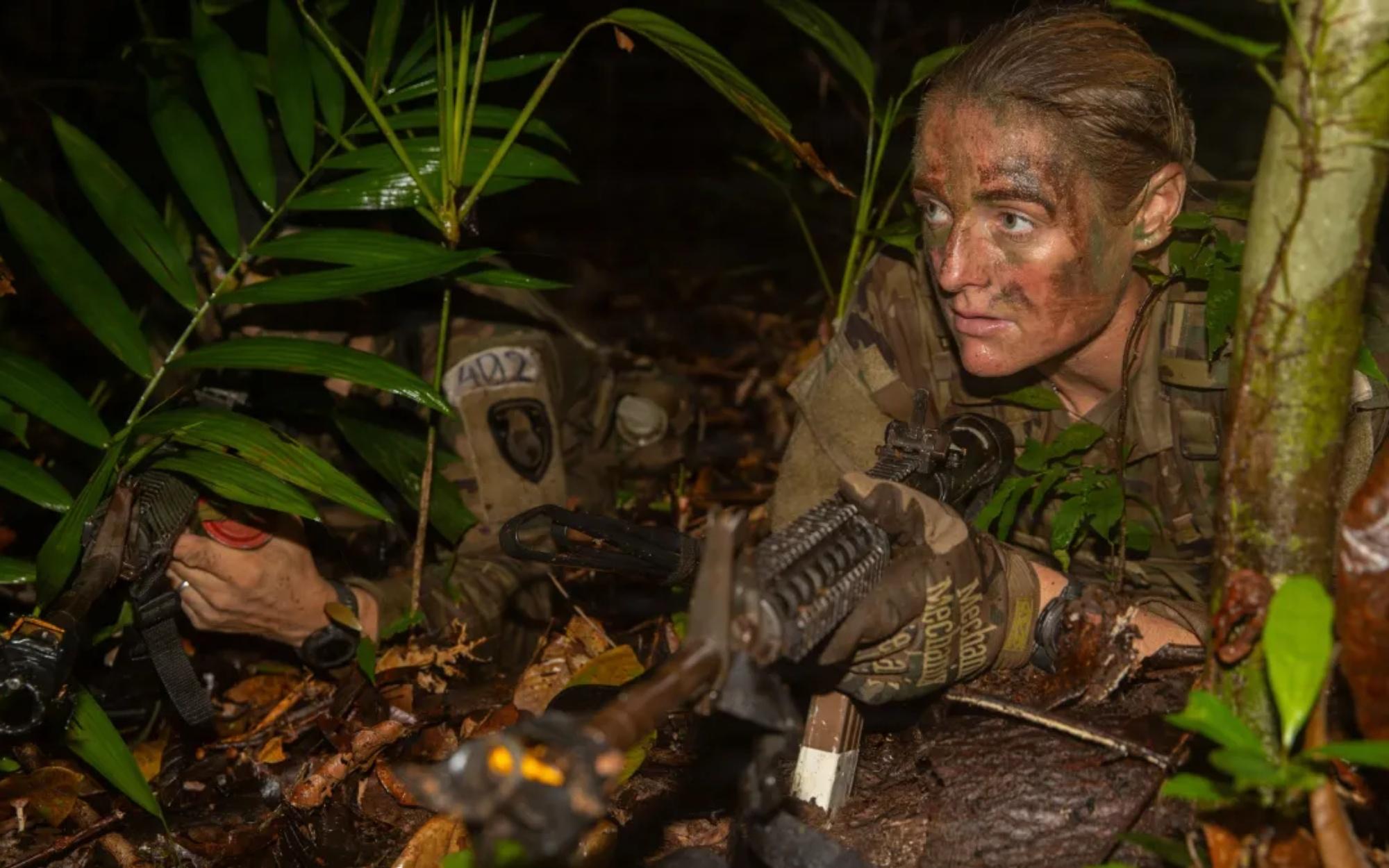
His priorities pair personnel expansion with a push to deliver properly equipped space forces to combatant commands. The message also places rapid acquisitions and direct access to space expertise among the requirements for keeping ahead of emerging threats.
Space Force leaders have pointed to several major U.S. campaigns this year as evidence of the branch’s operational role. Those campaigns include Operation Absolute Resolve, during which U.S. forces attacked Venezuela and captured President Nicolás Maduro.
After Operation Absolute Resolve, Space Force established dedicated command elements for U.S. Northern Command and U.S. Southern Command. Those elements extended the service’s presence within combatant commands responsible for those operational areas.
Guardians also supported Operation Epic Fury, which was identified as the first phase of the ongoing war with Iran. That campaign provided another example cited by Space Force leadership when discussing the service’s contribution to military operations.
In April, then Chief of Space Operations Gen. Chance Saltzman said the war proved Space Force was combat credible. The assessment came as service leaders highlighted guardians’ role in supporting military campaigns beyond traditional organizational boundaries.
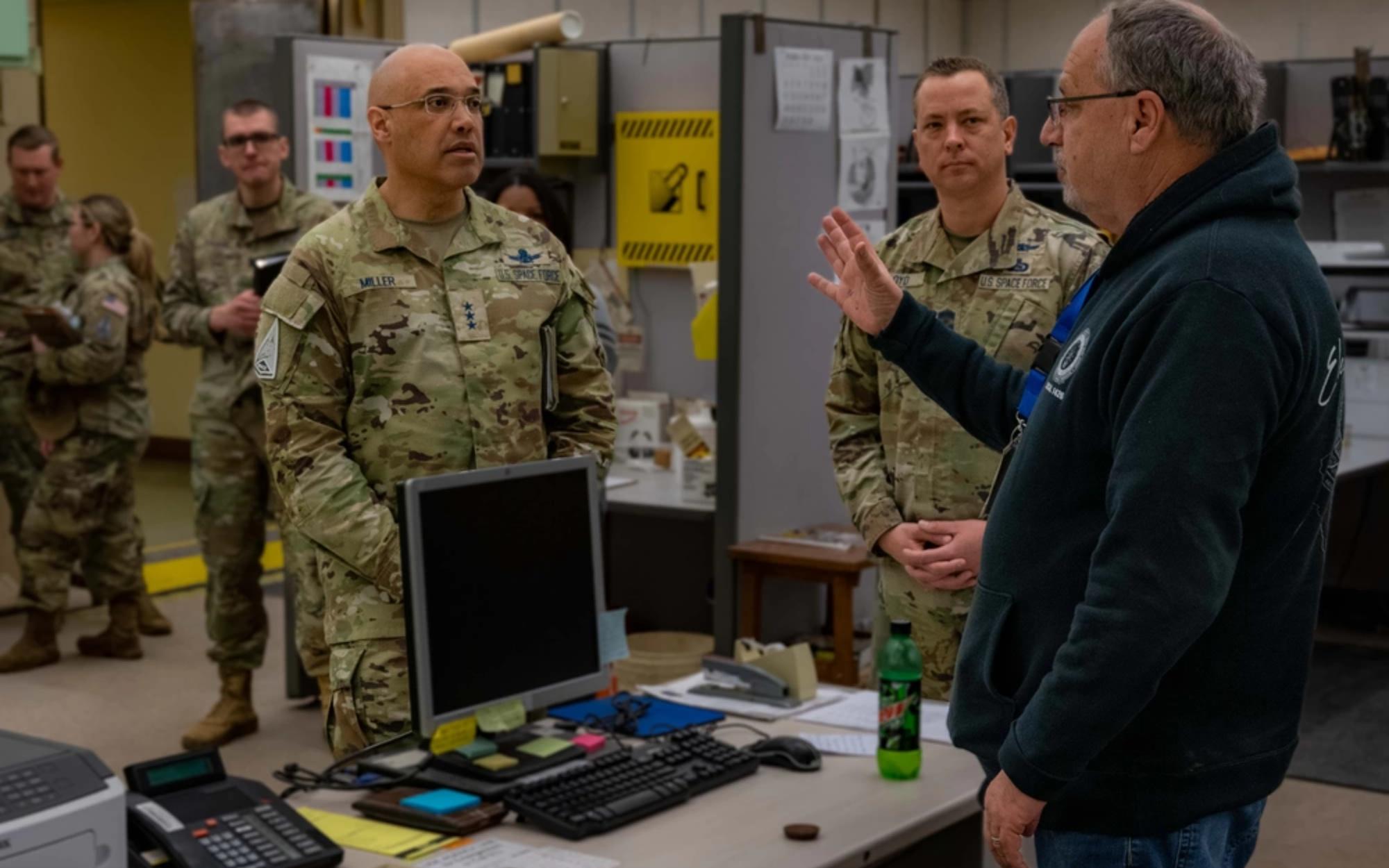
“Looking ahead, we must build a sustained pipeline of Guardian talent, tailored with the appropriate training, and equipped with the most advanced capabilities, to ensure the Joint Force is fully powered by space expertise,” Schiess said.
The personnel pipeline described by Schiess would require guardians with training suited to their assignments and access to advanced capabilities. His message presented those elements as necessary for supplying the joint force with space expertise in operational settings.
Space Force also established its component field command under U.S. Special Operations Command this month. The command adds another formal connection between the young service and a major part of the wider military force.
The goal is to institutionalize “how the Space Force organizes, trains, equips and presents forces for the special operations enterprise,” the service said. The move focuses on making Space Force personnel and capabilities available for special operations requirements through an established command structure.
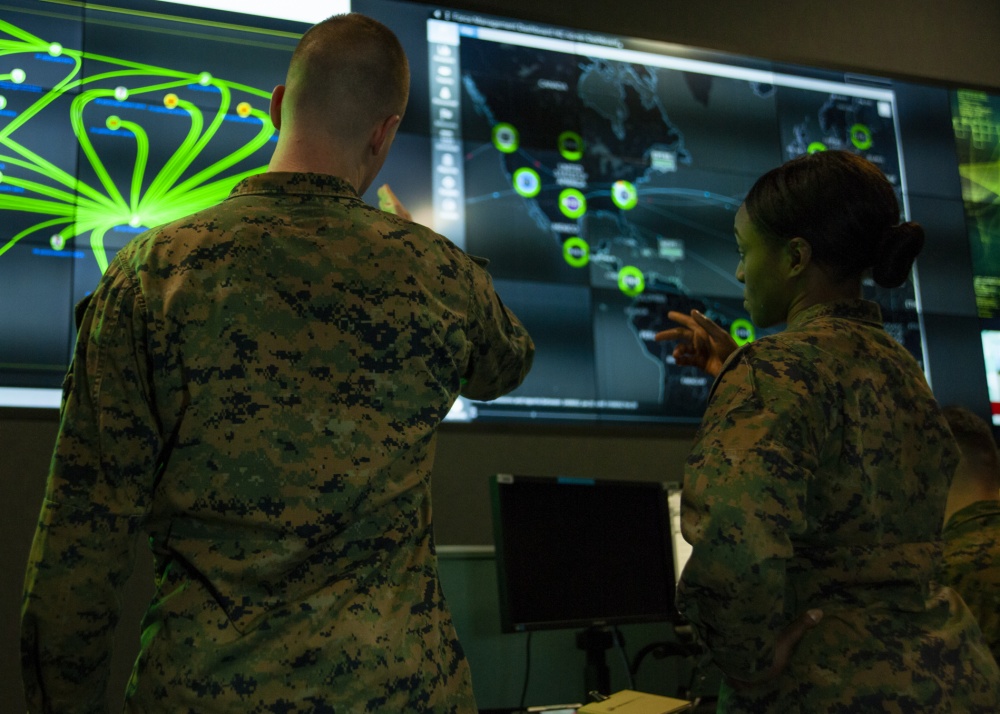
Schiess also identified a need to expand the service’s arsenal of weapons in orbit. Space Force has been developing several categories of systems for “orbital warfare,” including kinetic weapons, jamming devices and other electromagnetic warfare tools.
Last month, Secretary of the Air Force Troy Meink disclosed that Space Force already has “space control weapons” in orbit. It was the first disclosure that such weapons existed, although neither Meink nor Space Force explained what types of weapons had been placed there.
The planned expansion of embedded guardians comes alongside the service’s personnel goals, new command elements and development of orbital weapons. Schiess’ message centered on supplying combatant commands with sufficient guardians, appropriate training, advanced capabilities and space expertise for frontline missions.
Join the Discussion
COMMENTS POLICY: We have no tolerance for messages of violence, racism, vulgarity, obscenity or other such discourteous behavior. Thank you for contributing to a respectful and useful online dialogue.